Alternatives for replacing or reducing the content of added sulfites in Tannat red wines elaborated with commercial yeasts or with minimal intervention
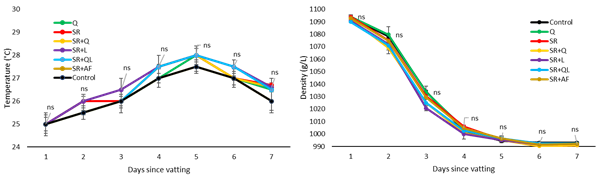
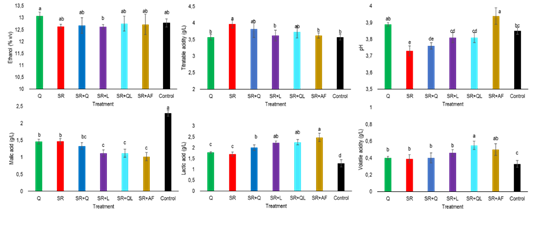
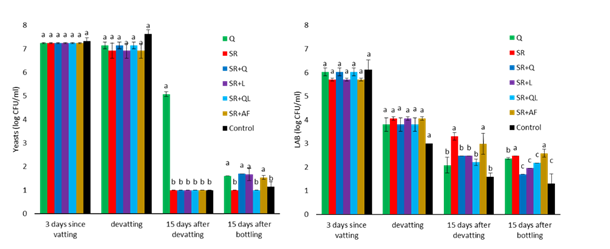
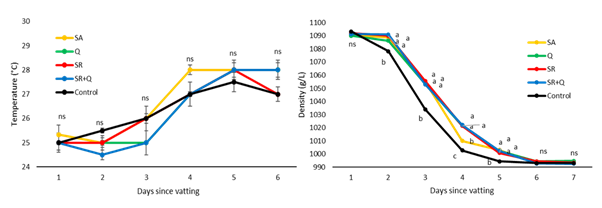
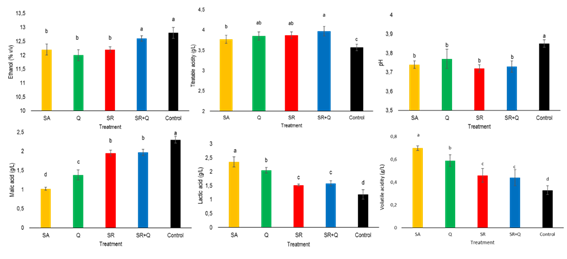
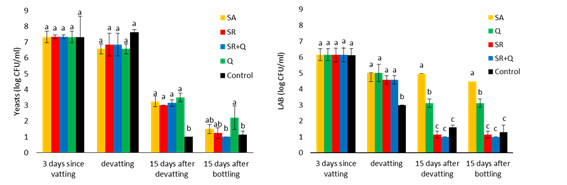
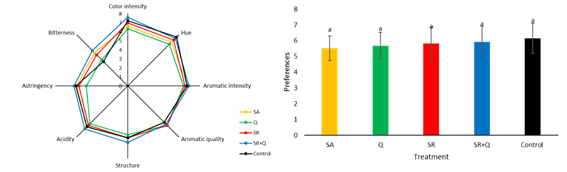
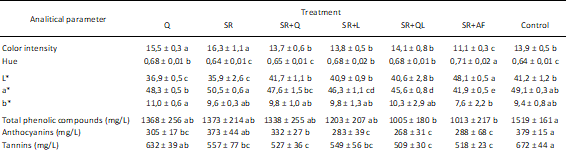
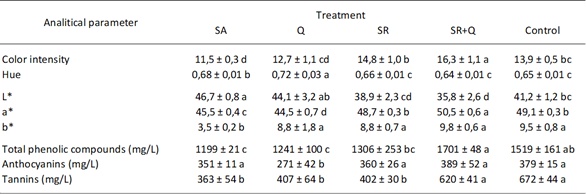
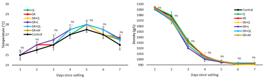
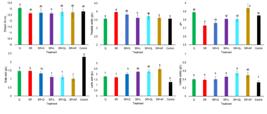
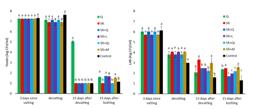
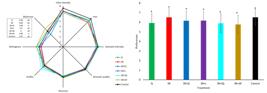
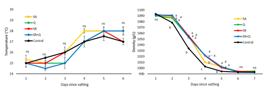
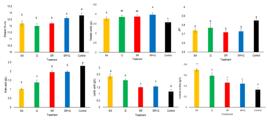
Sulfite reduction in wines represents a significant challenge in the current wine industry given its widespread use as an additive and the potential health risks for consumers. This study evaluates alternatives to reduce sulfites in Tannat red wines made with minimal intervention or with selected yeasts, focusing on microbiological stability, color, and physicochemical composition. In the 2023 vintage, vinifications were carried out with native yeasts and selected yeasts using reduced SO2 (SR: 30 mg/L), chitosan (Q: 100 mg/L), combinations of SO2 and chitosan (SR+Q), lysozyme (SR+L: 5 mg/L) (SR+QL), and fumaric acid (SR+AF: 6 mg/L) that were compared with a Control (125 mg/L of sulfites) and a treatment without additives (SA). Microbial counts in minimal intervention wines and those obtained by sulfite substitution or reduction did not show differences during fermentation. The minimal intervention fermentations rates were slower than the treatments with selected yeasts. From the minimal intervention treatments, the SR+Q wines showed higher malic acid content, color intensity, phenolic compounds, anthocyanins, and tannins compared to the other treatments and similar to the Control. On the other hand, the SR+Q wines from the sulfite substitution or reduction trial also presented values of color intensity and polyphenolic and anthocyanin content similar to the Control. Consequently, the combination of reduced doses of sulfites and chitosan seems to be a viable option for producing Tannat wines with characteristics similar to those made with conventional doses of sulfites, at least, when grape soundness is good, as in the vintage analyzed in the present study.
Keywords:
native yeast; sulfur dioxide; polyphenols; wine preservation; Uruguayan wines
 Thumbnail
 Thumbnail
 Thumbnail
 Thumbnail
 Thumbnail
 Thumbnail
 Thumbnail
 Thumbnail