Land for those who work it? Disputed meanings of land ownership among Pampean agrarian subjects (province of Buenos Aires, Argentina)
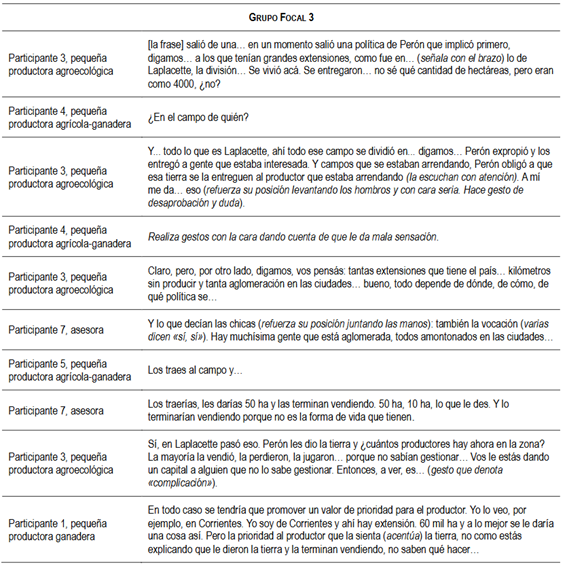
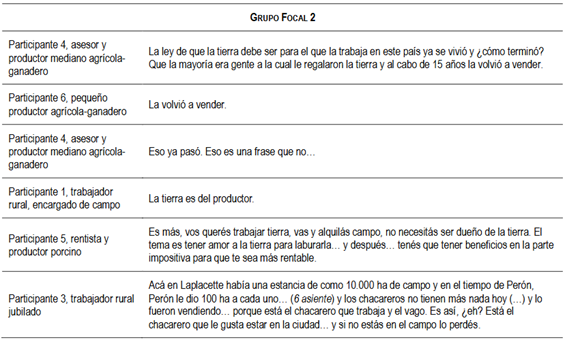
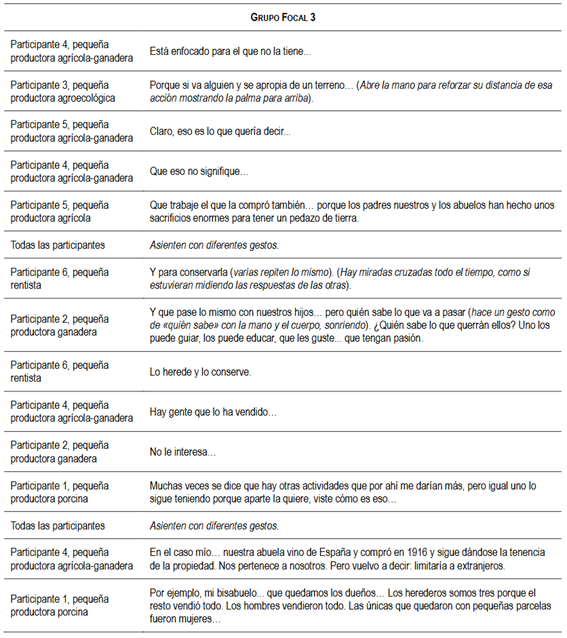
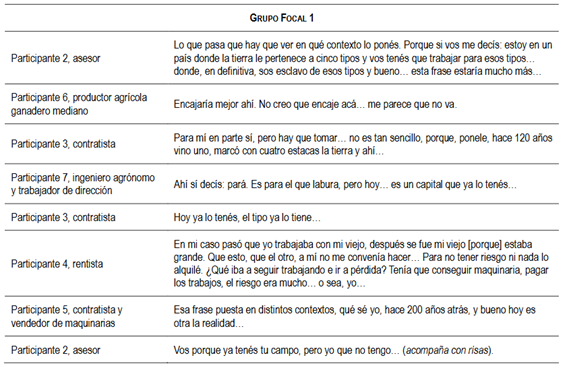
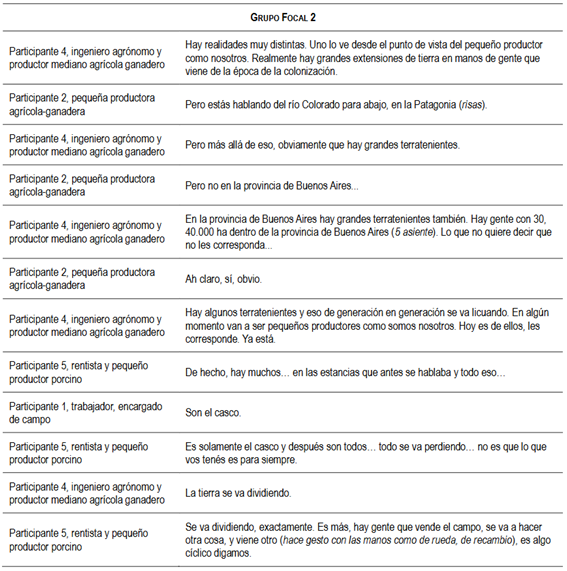
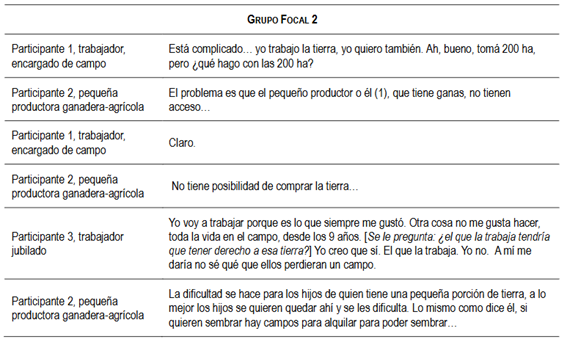
In Argentina, the issue of ownership and use of productive land is not currently a relevant focus of national public debate, despite a constant process of concentration of the agrarian structure since the 1960s. Within this framework, this article analyzes the meanings that agrarian actors give to land, how they view land distribution, and the role of the State in regulating and democratizing its use. It also studies the influence of agrarian and liberal discourses on land on their positions. The data used come from focus groups conducted in Junín (Buenos Aires province) in 2019 and 2020 with various agricultural subjects: advisors, agricultural service providers, workers, rentiers, family producers, and entrepreneurs of different scales. The results show a low level of problematization of land concentration, a predominance of meanings that associate land with any other private property, a largely negative characterization of historical experiences with state intervention in the issue, and a very low influence of critical agrarian discourse. These predominant positions are nuanced in the expressions of family producers and women, who emphasize an emotional connection to the land and demand specific state interventions to guarantee the intergenerational continuity of small and medium-sized farms and the care of the land as a strategic asset. The analysis of these contested meanings regarding land seeks to contribute to the debate on the agrarian question and to understand the conditions that make family production possible in contemporary Argentina.
Keywords:
concentration; discourses; Argentinean pampas; meanings; land