Advances in biological control of pests in protected tomato crops in Uruguay
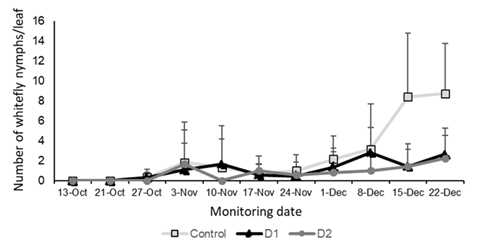
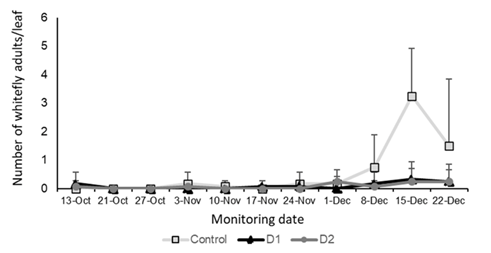
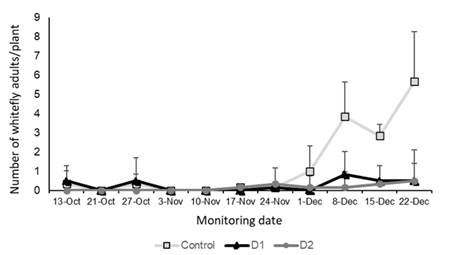
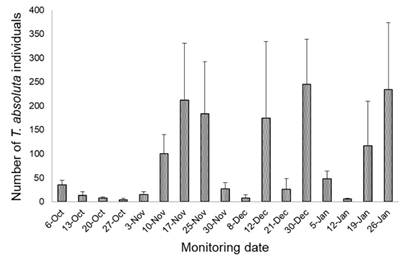
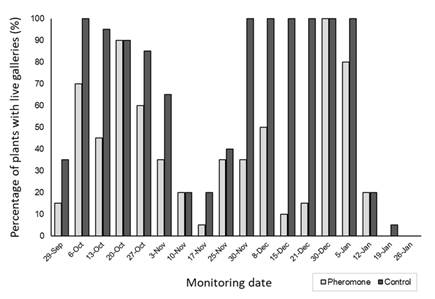
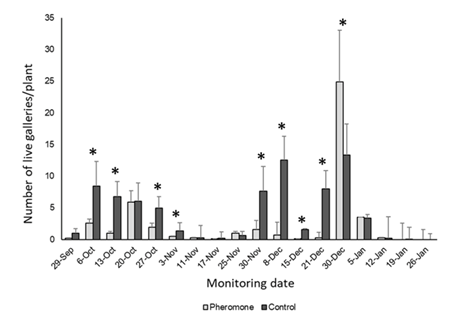
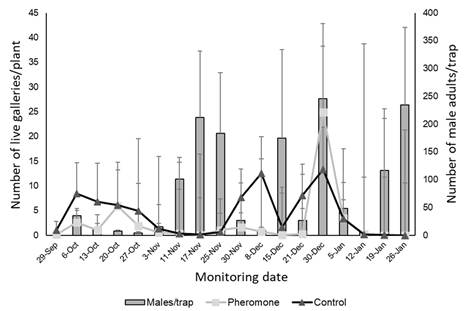
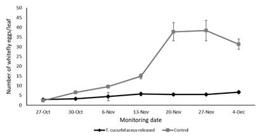
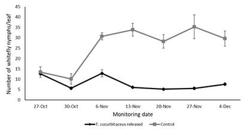
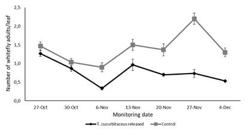
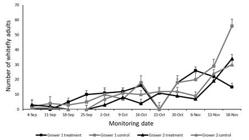
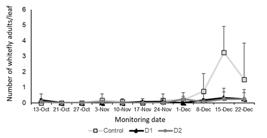
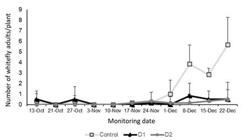
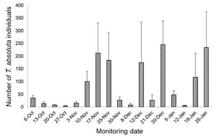
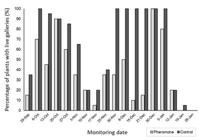
In conventional agriculture, chemical insecticides are commonly used for pest control. However, their excessive application causes irreversible damage to the environment, beneficial fauna and human health. This situation has highlighted the need for alternative strategies such as biological control agents. Integrated Pest Management (IPM) promotes the reduction of insecticide use through the incorporation of natural enemies. In greenhouse horticulture systems, effective biological control agents must exhibit rapid colonization, persistence under low prey densities and opportunistic feeding habits. Tupiocoris cucurbitaceus, a predatory mirid, has shown potential for controlling whiteflies in tomato crops, although its field performance remains underexplored. This study aimed to evaluate T. cucurbitaceus as a biological control agent against Trialeurodes vaporariorum, optimize its release strategy and assess its dispersion in the system. Additionally, the entomopathogenic fungus Beauveria bassiana was tested for its efficacy against whiteflies, offering a complementary and environmentally safe alternative. The use of sex pheromone traps for the control of Phthorimaea absoluta was also evaluated in greenhouse condition. Results demonstrated the high predation potential of T. cucurbitaceus, supporting its role in whitefly control. Nevertheless, further research is needed to understand the factors influencing its dispersal and persistence in crops. B. bassiana significantly reduced whitefly populations, regardless of the dose applied. Mass trapping with synthetic sex pheromones proved to be an effective and compatible method for controlling P. absoluta. These strategies show promise for inclusion in sustainable IPM programs.
Keywords:
Trialeurodes vaporariorum; predator; entomopathogen; semiochemical
 Thumbnail
 Thumbnail
 Thumbnail
 Thumbnail
 Thumbnail
 Thumbnail
 Thumbnail
 Thumbnail
 Thumbnail
 Thumbnail
 Thumbnail
 Thumbnail
 Thumbnail
 Thumbnail
 Thumbnail