Hydrogeological and isotopic evaluation of aquifer layers and their relation with atrazine presence
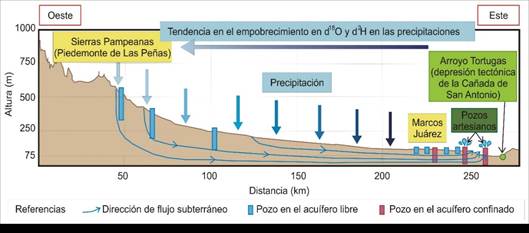
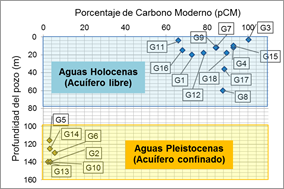
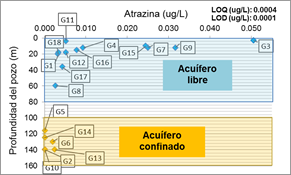
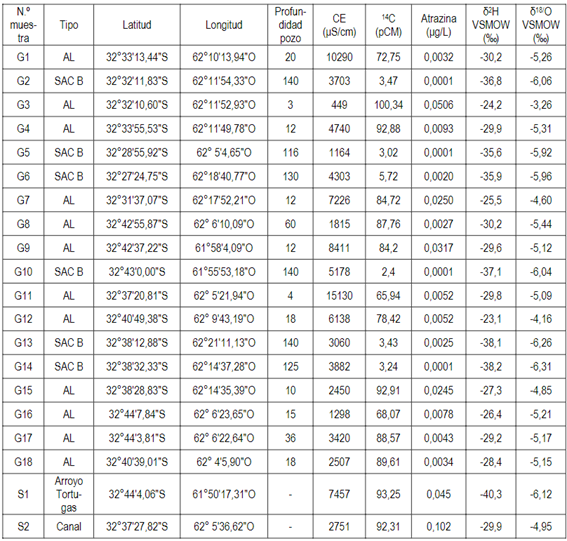
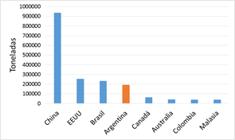
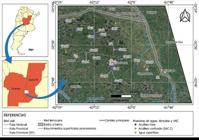
The presence of diverse contaminants in groundwater is a matter of concern since the aquifers constitute the major reserve of liquid freshwater of the world. In rural environments issues related to groundwater contamination prevail by the implementation of industrialized agricultural practices. In relation to pesticide uses, atrazine is applied extensively in corn and sorghum crops to control weeds. The objective of this work was to assess the presence of atrazine in the unconfined aquifer and confined aquifer layers located in the Marcos Juarez loessic plain, linking it with the regional hydrogeological model. For this purpose, the hydrological behavior by stable water isotopes (δ2H and δ18O) and radiocarbon ages (pMC) was also evaluated. It is concluded that there are pieces of evidences of the impact of the current agricultural activities on both aquifers, being higher on the unconfined aquifer, that receives modern water recharge and is more linked to human activities.
Keywords:
ages; atrazine; aquifers; herbicides; impact
Palabras clave:
edades; atrazina; acuíferos; herbicidas; impacto
 Thumbnail
 Thumbnail
 Thumbnail
 Thumbnail
 Thumbnail
 Thumbnail
 Thumbnail
 Thumbnail
 Thumbnail
 Thumbnail
 Thumbnail