Territorial socio-technical innovations: Experiences in family livestock farming in northern Uruguay
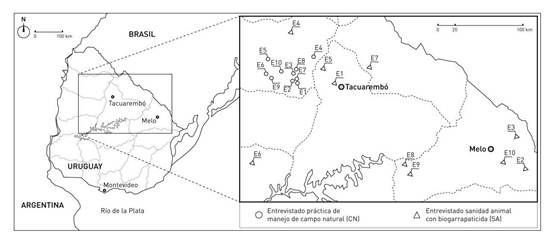
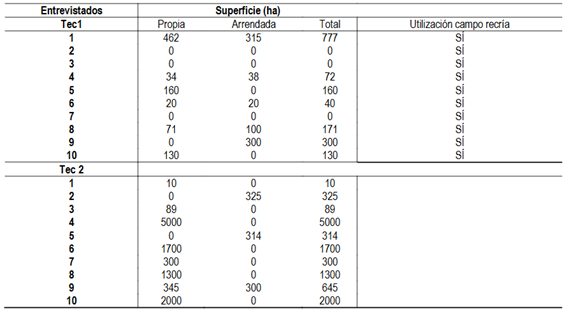
In northern Uruguay, family livestock farmers (FLP) have driven innovations both on their farms and in the territory. These transformations, called territorial innovations, arise from cooperation between local actors, such as farmers, institutions and communities. The article focuses on territorial socio-technical innovations, which combine biotechnical and organisational aspects and result from collective action in response to territorial challenges. Between 2019 and 2021, this research identified innovations in family livestock farms that are evidence of an agro-ecological transition. Using a qualitative approach, the study integrated and triangulated data from nine case studies (EGEA methodology), five exploratory interviews, twenty semi-structured interviews and two focus groups with technicians and producers. The analysis, based on the socio-technical transitions Geels model, explored how FLP, their organisations and institutions redefine the production model. This framework made it possible to understand the territory as a space for agroecological experimentation. Through two innovations and the organisational changes necessary for their implementation, the importance of collective work in the definition of agroecological practices and concepts was highlighted. Finally, the role of extensionists and technical advisors in supporting these innovations is reflected upon and the implication of institutions, rural organisations and public policies in the process of change is examined.
Keywords:
agroecological transition; sociotechnical transitions model; collective action; rural extension; territory
 Thumbnail