Neurological and Extra-neurological Complications in Stroke Patients Treated at Hospital de Clinicas during a 2 Years Period
Introduction: Stroke patients present high risk of complications conditioning its prognosis.
Objectives: To describe neurological and extra-neurological complications during admission. To evaluate complications according with stroke subtype, identifying morbidity and mortality predictive factors.
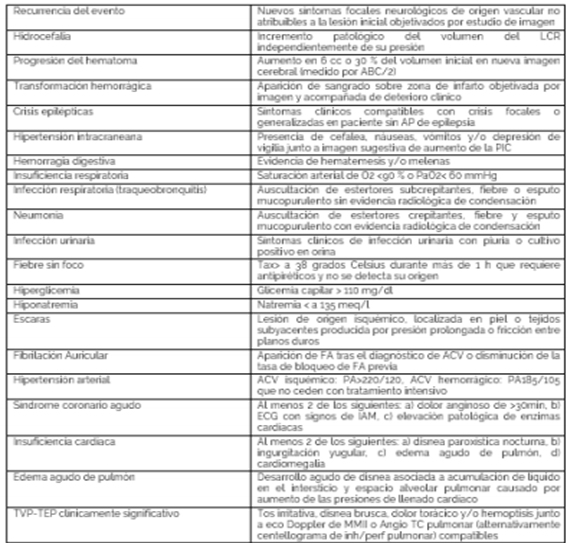
Patients and methods : All patients treated at the Hospital de Clínicas (HC) with a diagnosis of stroke between 01/01/14 and 12/31/15 were analyzed. The presence or absence of complications was also analyzed according to stroke subtype during the hospital stay and were classified into three groups: neurological and extra-neurological, the last ones subdivided into systemic and cardiovascular diseases.
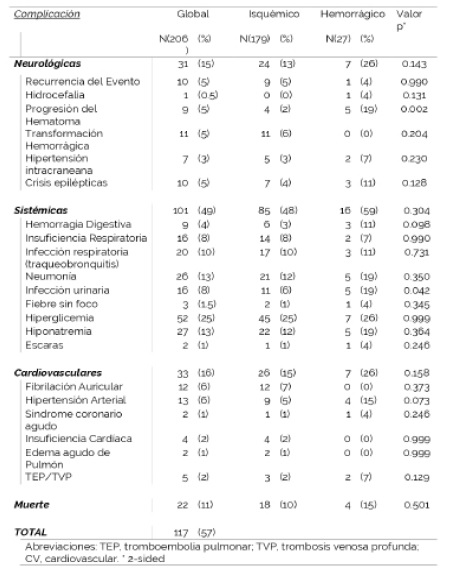
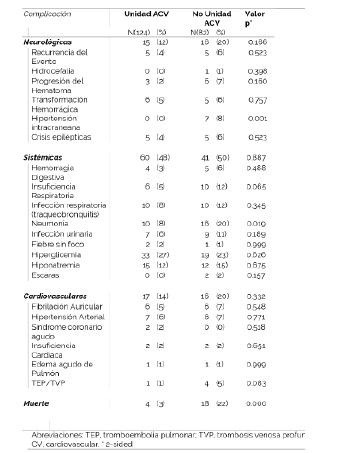
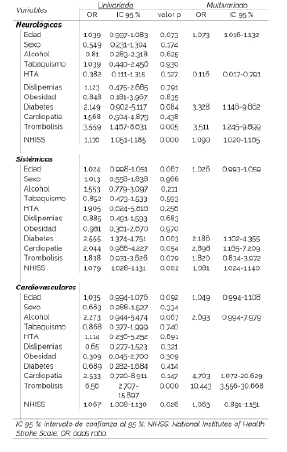
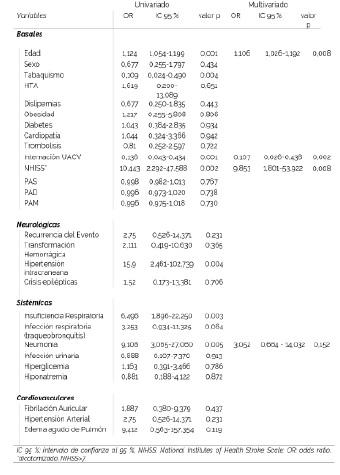
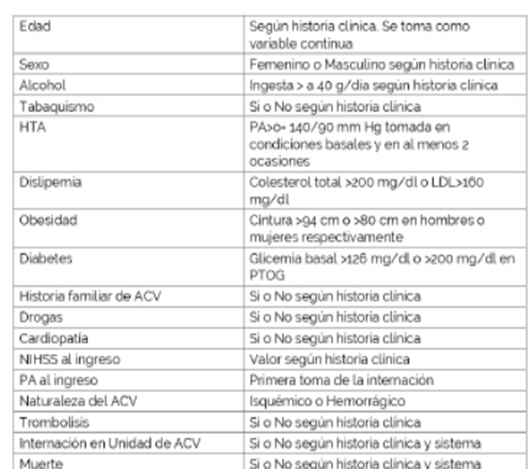
Results: Sample of 206 patients. 57 % of them presented complications, regardless to the stroke subtype. The most common complications were the systemic ones (49 %). Age, diabetes, NIHSS at admission, previous cardiac disease and thrombolysis were significantly associated with complications. Overall mortality was 11 %. Mortality was significantly lower for patients admitted to the institutional Stroke Unit.
Conclusions : Stroke complications were very frequent and are the main cause of mortality, with systemic complications being the most common. Furthermore, there are other variables which are associated with a greater risk of complications such as older age, diabetes, previous heart disease, NIHSS at admission, and thrombolysis. Admission to stroke unit resulted in a significant decrease in the mortality rate.
Keywords:
Stroke; Complications; Mortality; Prognostic Factors; Predictors