Perception of Physicians on the Effect of Differential Services in the Integrated National Health System in Uruguay 2024.
Introduction: In Uruguay, the Integrated National Health System (SNIS) has been essential in ensuring access to quality healthcare services for the entire population. In recent years, differential services, known as VIP services, have emerged, offering almost immediate personalized care to those who can afford them. This differentiation has sparked a debate about its impact on the equity and quality of the healthcare system.
Objective: To understand physicians' perceptions of the impact of VIP services on the guiding principles of the SNIS in Uruguay in 2024.
Materials and Methods: A cross-sectional observational study conducted in 2024 with physicians in Uruguay, from both the public and private sectors. An online survey with multiple-choice questions was used.
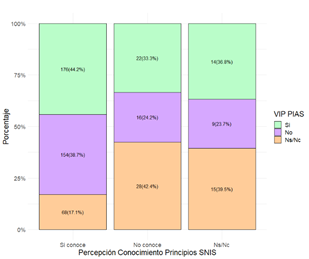
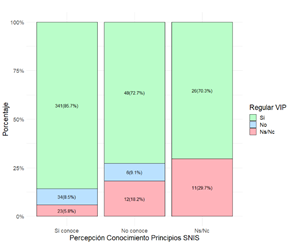
Results: A total of 502 physicians responded to the survey, of whom 71.3% were women, more than 50% were over 49 years old, 79.5% worked in medical specialties, and 61.8% practiced in Montevideo. 79.5% of physicians were familiar with the guiding principles of the SNIS. Regarding VIP services, more than half (54.8%) believe they negatively affect equity in access to medical care. The vast majority (82.5%) think these services should be regulated.
Conclusions: The inefficiency of the healthcare system appears to have led to the implementation of VIP services within the SNIS. However, these services could further deepen inequity and inequality in healthcare access. The regulation of these services should be a topic of debate, also considering the ethical conflict they create in medical practice.
Keywords:
Differential services; equity; efficiency; access; healthcare system
 Thumbnail
 Thumbnail