Quality Management System in a University Maternity Hospital: A Strategy for the Sustained Reduction of the Cesarean Section Rate
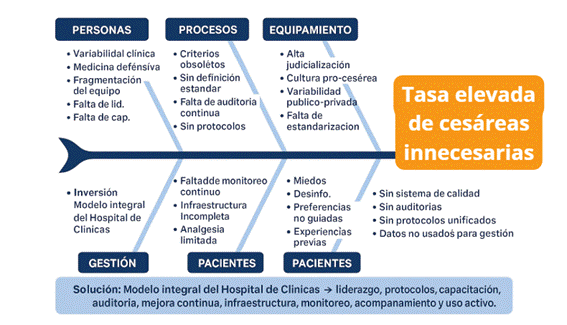
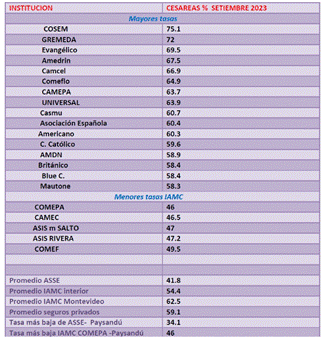
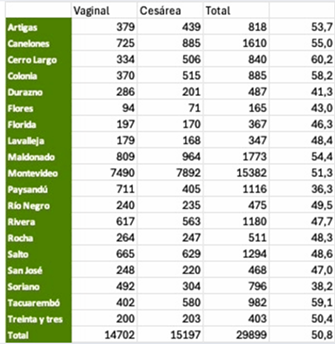
Introduction: In Uruguay, cesarean rates have surpassed vaginal births, posing a major public health issue due to associated costs and morbidity.
Objective: To present the first successful comprehensive strategy to reduce cesarean rates at the University Maternity of Hospital Manuel Quintela (2022-2024).
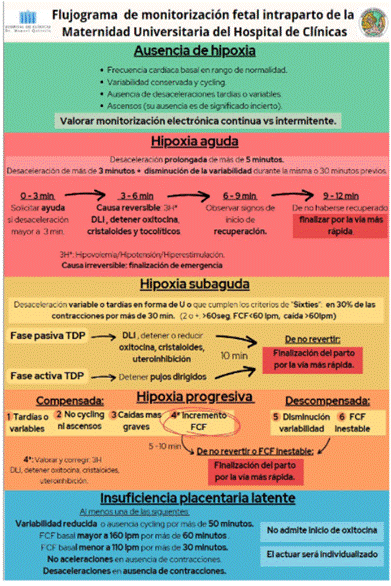
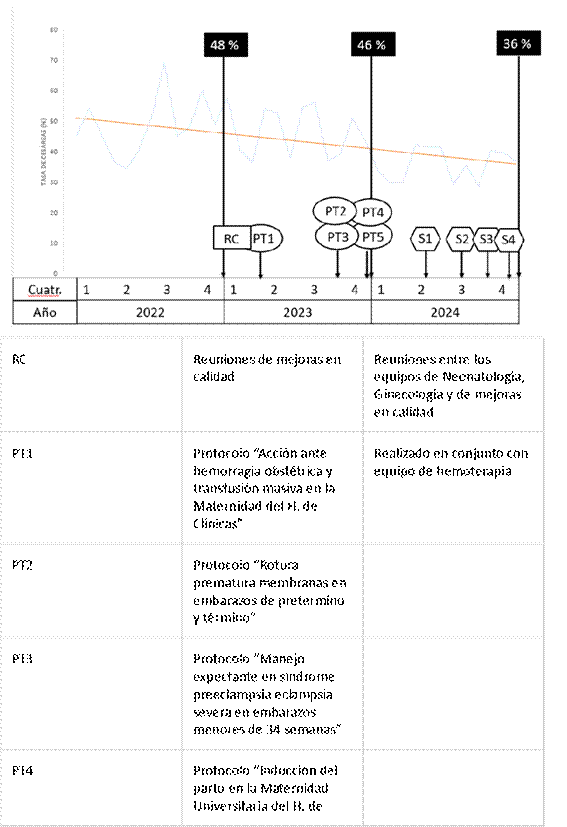
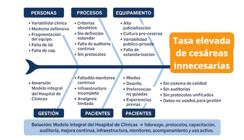
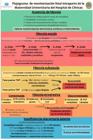
Methods: Systemic interventions were implemented under a continuous quality improvement approach. Eight evidence-based protocols were developed, two directly impacting cesarean indications (labor induction and fetal monitoring). Training and simulations were provided to medical and non-medical staff.
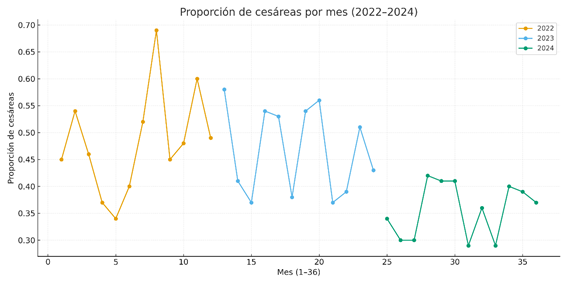
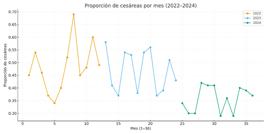
Results: Births totaled 555 (2022), 586 (2023), and 646 (2024). Cesarean rates decreased from 49% (2022) to 48% (2023) and 37% (2024), with consistent reductions across all Robson groups, especially groups 1 and 2.
Conclusions: Reducing cesarean rates requires institutional organization, evidence-based protocols, and active staff participation.
Keywords:
Cesarean section; Continuous quality improvement; Clinical protocols; Maternal safety; Robson classification
 Thumbnail
 Thumbnail
 Thumbnail
 Thumbnail