Oxygen therapy via high flow nasal cannula versus low flow oxygenation to neonates with bronchiolitis hospitalized at a reference hospital in Uruguay
Introduction: there is little information regarding high-flow nasal cannula (HFNC) therapy for infants with bronchiolitis (BQL).
Objective: compare the success rate of oxygen therapy via HFNC versus low flow oxygenation in neonates hospitalized due to bronchiolitis at the, Pereira Rossell Pediatric Hospital between 2009 and 2017.
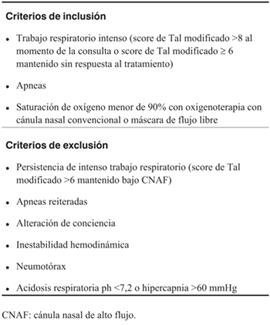
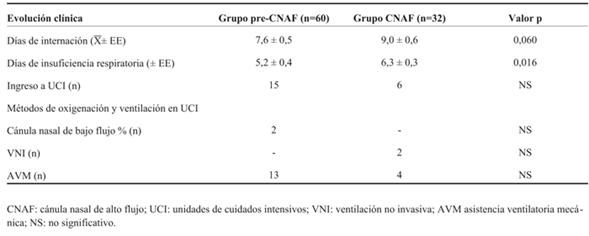
Materials and methods: non-concurrent cohort retrospective study of infants hospitalized due to BQL. HFNC period (2012-2017); pre HFNC (2009-2011). We compared the following indicators: hospital stay, respiratory failure time, admission to intensive care unit, mechanical ventilatory assistance, deaths. p < 0.05 was considered a significant result.
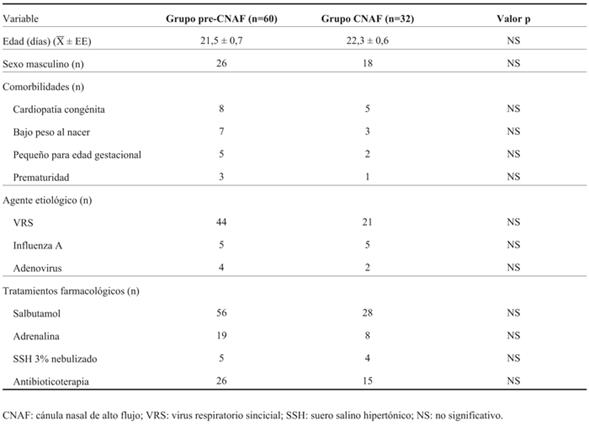
Results: we included 92 infants: 32 of the HFNC group and 60 of the pre-HFNC group. No statistically significant differences were found regarding clinical characteristics, comorbidities, or the pharmacological treatments prescribed for both groups. Hospital stay and the respiratory failure time was significantly higher for the cases (p <0.05). No significant reduction in the need for admission to intensive care or for mechanical ventilatory assistance was observed. No deaths were recorded.
Conclusions: the success rate when using this technique in infants was similar to the one reported by the international literature. This design could not prove that the use of HFNC reduced admission rates to intensive care, the need for mechanical ventilatory assistance or hospital stay time.
Key words:
Oxygen inhalation therapy; Bronchiolitis; Newborn