Maternal and neonatal complications in twin pregnancies according to the mode of conception: comparison between assisted reproduction and spontaneous conception (Spain)
Introduction: in developed countries, assisted reproductive techniques (ART) account for between 1.5% and 5.9% of all births. Studies comparing maternal and neonatal complications in twin pregnancies conceived spontaneously versus via ART have shown contradictory results.
Objectives: of this study is to describe and compare the prevalence of maternal and neonatal complications in twin pregnancies conceived spontaneously and through ART.
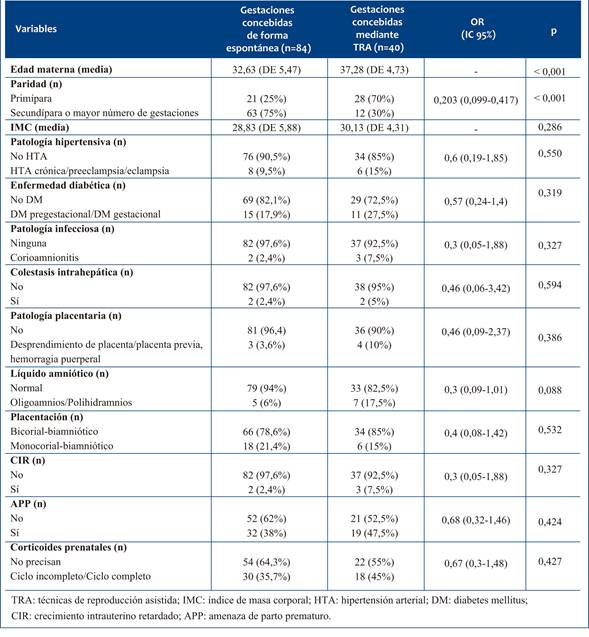
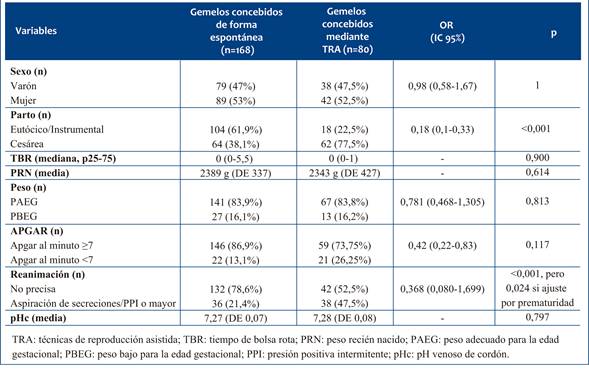
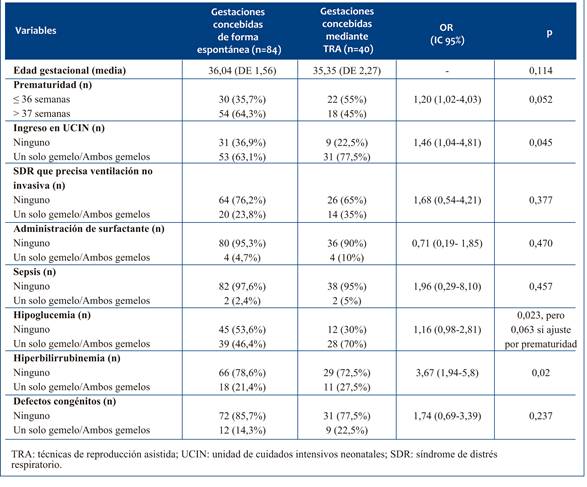
Methodogy: retrospective, cross-sectional, analytical study was conducted, including 124 pregnant women and 248 neonates between January 1, 2018, and December 31, 2023. Results: a total of 84 spontaneously conceived twin pregnancies (n = 168 neonates) and 40 ART-conceived twin pregnancies (n = 80 neonates) were analyzed. Maternal age was significantly higher in the ART group (37.28 ± 4.73 years) compared to the spontaneous group (32.63 ± 5.47 years), p < 0.001. A higher proportion of primiparous women was also observed in the ART group (70%) compared to the spontaneous group (25%), p < 0.001. Cesarean section rates were higher in the ART group (77.5% vs. 38.1%, p < 0.001). No significant differences were found in most maternal complications or neonatal outcomes.
Conclusions: although ART-conceived pregnancies are associated with higher maternal age and primiparity, this does not appear to increase maternal or neonatal complications, except for a higher rate of cesarean deliveries. Standardized and multidisciplinary prenatal care may play a protective role against morbidity.
Key words:
Twin Pregnancy; Fertilization; Assisted Reproductive Techniques