Glomerulosclerosis segmentaria y focal: Lesiones tempranas en el síndrome nefrótico primitivo
Abstract
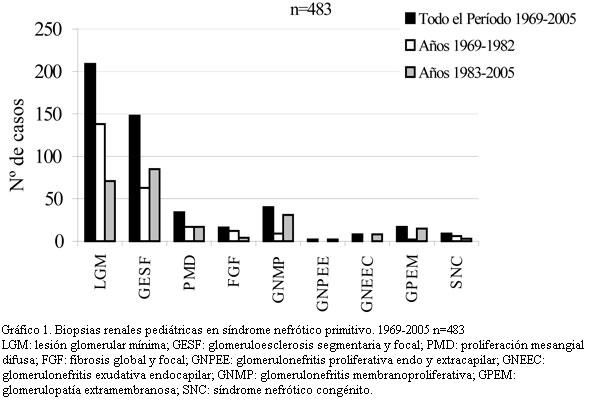
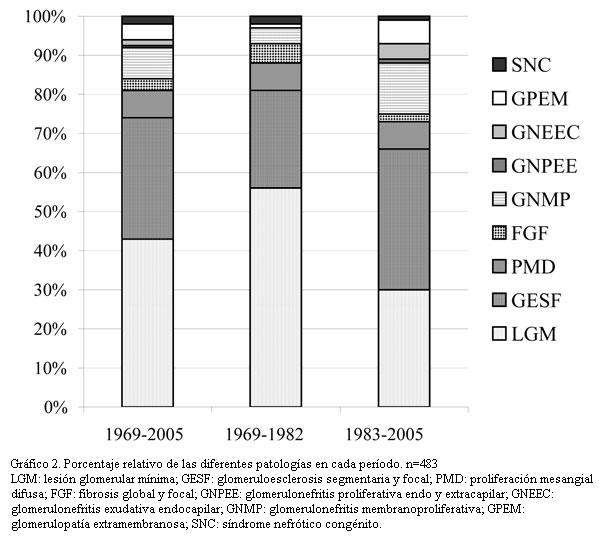
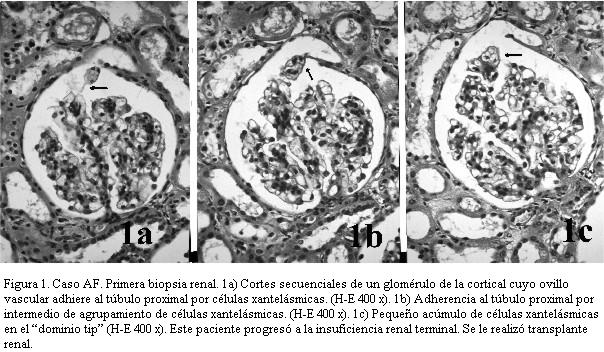
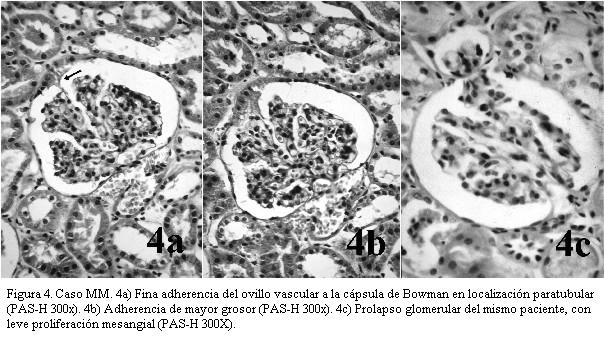
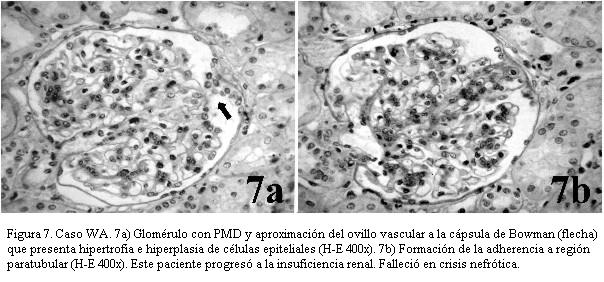
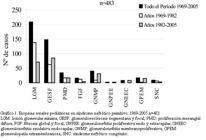
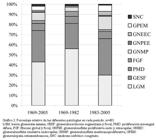
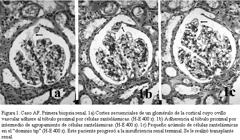
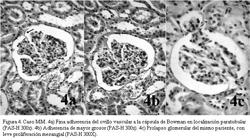
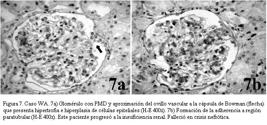
Summary Background: five types of focal segmental glomerulosclerosis have been described. The exact clinical features of the different types have not been thoroughly recognized. The report of large series of pediatric cases with follow up data is considered important. Material and methods: a review of the renal biopsies from the pediatric nephrology files of the Pediatric Pathology Laboratory at the Pereira Rossell Hospital in Montevideo, Uruguay, from 1969 to 2005 was performed. The patients with nephrotic syndrome were individualized. The diagnosis made in those cases were classified and reviewed. The significance of the lesions considered as "early lesions" were analysed. Results: a total number of 1304 renal biopsies corresponding to 1264 patients were studied. In 483 cases (38,2%) the indication for the procedure was nephrotic syndrome. the main diagnosis was: minimal glomerular change (MGC) in 43%, focal segmental glomerulosclerosis (FSGS) in 31%, diffuse mesangial proliferation (DMP) in 7% and mesangiocapillary glomerulonephritis (MCG) in 8%. Among the patients with MGC and DMP, 47 cases showed peripheral glomerular adhesions and/or tubular prolapse. Follow up was obtained in 30 of these patients. The mortality rate was 13,3%, progressive irreversible renal failure in 43,3% and 26,6% cases of renal transplants. Conclusions: the findings in the present study suggest that peripheral glomerular adhesions and tubular prolapses may be a precedent lesion of the classic FSGS and that they can have an ominous outcome
GLOMERULOSCLEROSIS, FOCAL; NEPHROTIC SYNDROME; BIOPSY
 Thumbnail
 Thumbnail
 Thumbnail
 Thumbnail
 Thumbnail