Leucoencefalopatía posterior reversible secundaria a glomerulonefritis postestreptocócica: a propósito de un caso
Abstract
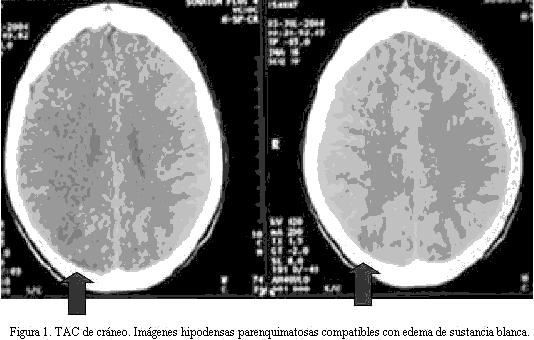
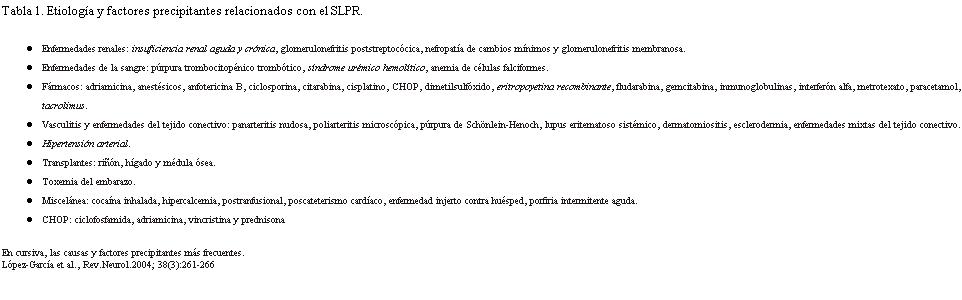
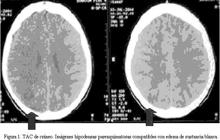
Summary The reversible posterior leukoencephalopathy syndrome (RPLS) is a clinical radiological entity that affects the white matter in the posterior regions of the cerebral hemispheres. It is associated with acute hypertensive encephalopathy and with the use of immunosuppressive or chemotherapeutic agents, despite of other causes. The RPLS is clinically characterized by an acute or subacute presentation, with variety symptoms including headache, nauseas, vomiting, confussion, decreased alertness, seizures and abnormalities of visual perception. CT and RMI studies showed extensive bilateral white-matter abnormalities suggestive of edema in the posterior regions of the cerebral hemispheres. Usually, the clinical signs and abnormalities on image are reversible. We describe a 10-year-old boy who developed neurological symptoms of RPLS during the course of acute poststreptococcal glomerulonephritis
HYPERTENSIVE ENCEPHALOPATHY; GLOMERULONEPHRITIS-complications
 Thumbnail
 Thumbnail
 Thumbnail