Recognizing multiform urticaria: annular lesions and how they can be differentiated
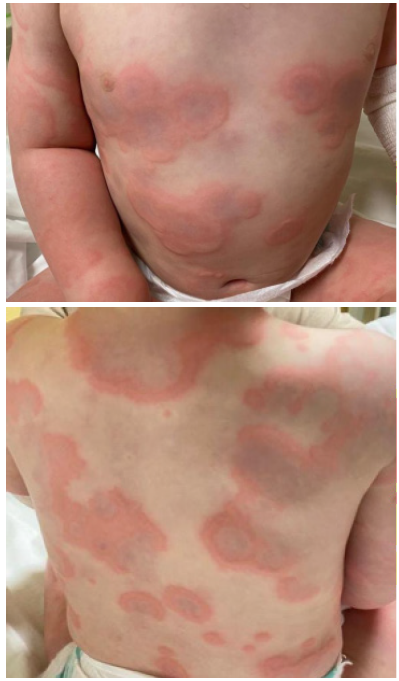
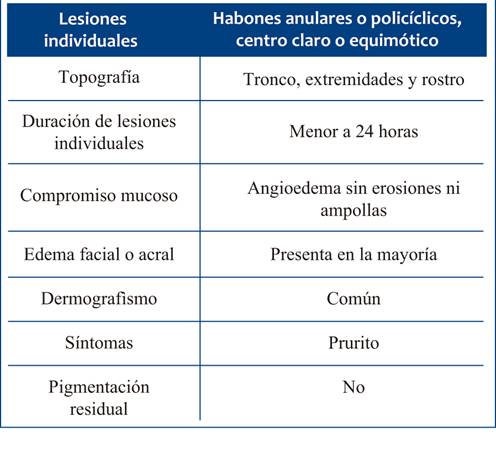
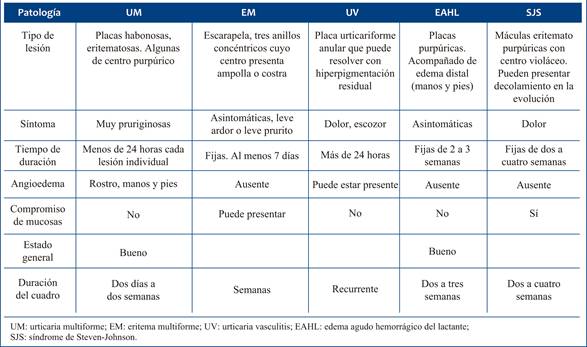
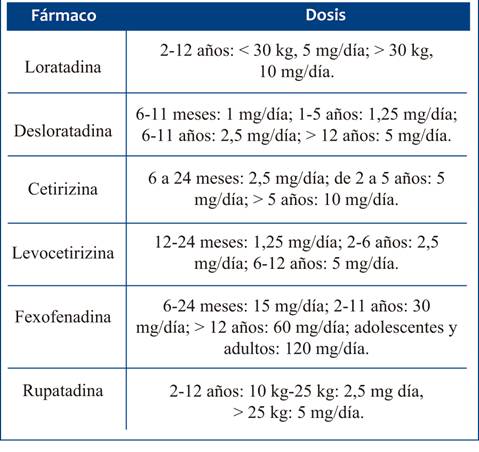
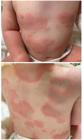
Multiform urticaria is a rare variant of acute urticaria, primarily affecting infants and young children. It presents with large urticarial plaques with a purpuric center and polycyclic morphology, which can be mistaken for other conditions such as erythema multiforme or urticarial vasculitis. Its exact cause is unknown but it has been associated with infections, medications, and vaccines. Lesions are pruritic, evanescent, and disappear within 24 hours, although the clinical course may last up to two weeks. They mainly affect the face, trunk, and extremities, with possible facial angioedema and dermographism, but without mucosal involvement or general health impairment. Diagnosis is clinical, and additional studies may be required in doubtful cases to rule out severe conditions. Treatment is symptomatic, with second-generation H1 antihistamines as the first-line therapy. Given its self-limiting course and favorable prognosis, distinguishing it from other dermatological conditions is essential to avoid unnecessary treatments.
Key words:
Urticaria; Erythema Multiforme
 Thumbnail