Delirium in pediatrics, a forgotten diagnosis
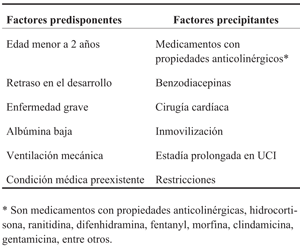
Delirium is an acute, fluctuating, reversible encephalopathy, not explained by any other disorder of the central nervous system. Most researchers consider Delirium a consequence of a combination of predisposing and precipitating factors. Predisposing factors are those linked to the patient (age, genetics, susceptibility, or underlying disease). Precipitating factors include the effects of treatment, particularly sedative medications and intensive care unit (ICU) environment. Children diagnosed with delirium have higher mortality and greater risk of poor outcomes after being discharged from the ICU. Therefore, it is of utmost importance to implement proposals for the prevention, detection and treatment of delirium in pediatric ICUs.
Objectives: to provide visibility to an underdiagnosed and frequent disease. Make a proposal to prevent, identify and treat early delirium in children hospitalized in ICUs in a timely manner.
Key words:
Delirium; Pediatrics