Deep brain stimulation in primary dystonia: first pediatric surgery carried out in Uruguay
Introduction: dystonia is one of the most common neurological movement disorders in children. Often refractory to pharmacological treatment, it may have a profound negative impact in the quality of life of children and caretakers. Thus, the special interest in developing new therapeutic approaches, such as deep brain stimulation. The aim of this paper is to present the first case in Uruguay of a child who showed isolated hereditary dystonia, confirmed with genetic testing, who underwent surgical placement of a brain neurostimulating device.
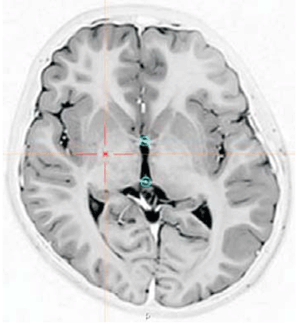
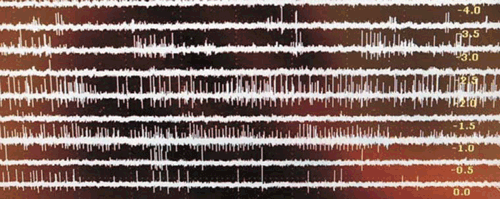
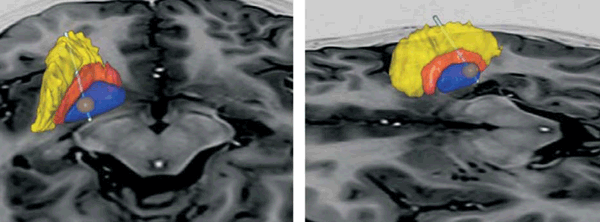
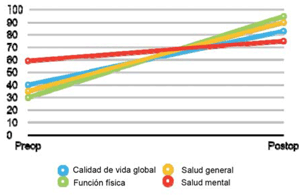
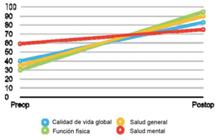
Clinical case: 11 year-old boy diagnosed with early-onset (at age 9) hereditary dystonia, carrier of DYT1 mutation. The dystonic symptoms were considered severe and disabling. Given his refractoriety to medical treatment, the patient was submitted to bilateral stimulation of the globus pallidus internus (GPi). The surgical intervention, assessed at a 3 month-follow-up, led to a 76% improvement in the Burke Fahn Marsden Dystonia Rating Scale motor score (BFMDRS-M), 70% improvement in the disability score (BFMDRS-D), and substantial improvement (72%) in the child’s quality of life (SF36 questionnaire).
Discussion: patients suffering from inherited isolated dystonia without neurodegeneration or structural lesions of the central nervous system, as it was the case of our patient, are the best candidates for this type of surgery. Pallidal stimulation is a feasible treatment in our country; it is safe and effective in a group of carefully selected dystonic children.
Key words:
Dystonia; Dystonic disorders; Deep brain stimulation
 Thumbnail
 Thumbnail
 Thumbnail
 Thumbnail