Correlation between transcutaneous and serum bilirubin measurement in late preterm infants upon admission to phototherapy (Argentina)
Introduction: transcutaneous bilirubin measurement is a simple, painless, and rapid method that has been validated for term newborns. However, in late preterm infants, the correlation with total serum bilirubin remains to be documented.
Objectives: evaluate the correlation between transcutaneous and serum bilirubin in late preterm infants at the time of admission to phototherapy.
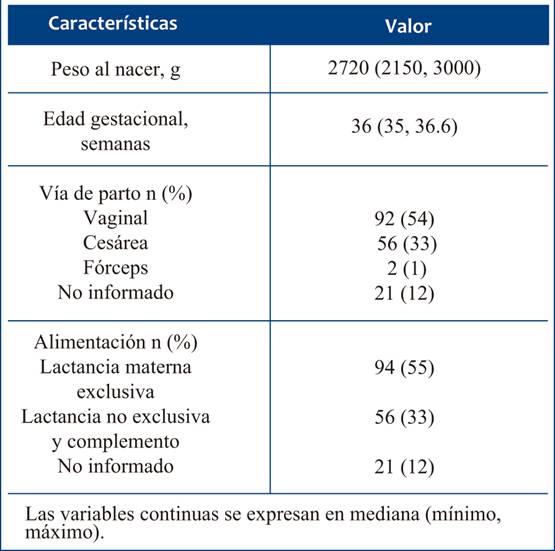
Methodology: a retrospective cross-sectional study was conducted using medical records of preterm infants with a gestational age of 35-36.6 weeks from a public maternity hospital in the City of Buenos Aires, from 2009 to 2016.
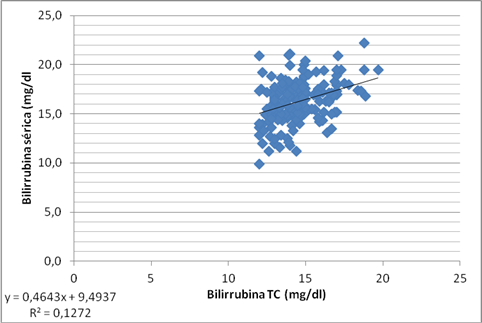
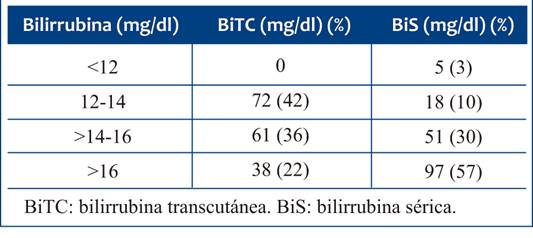
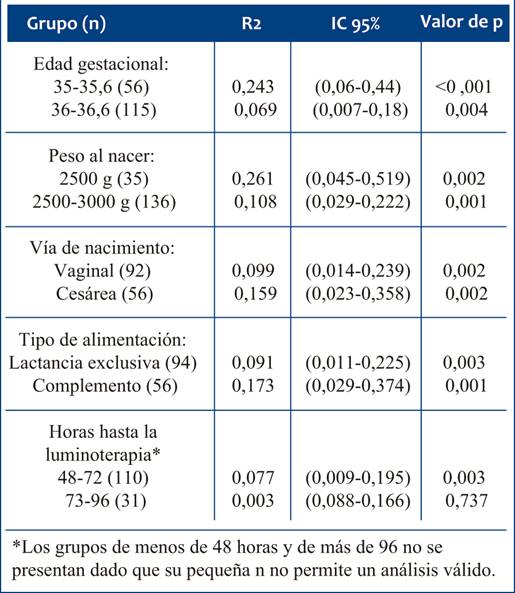
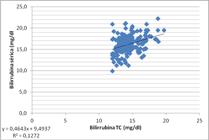
Results: 171 newborns were included, with a median birth weight of 2720 g. The mean bilirubin value detected upon admission to phototherapy was, using the transcutaneous method, 14.6 mg/dl ± 1.65, and the serum bilirubin was 16 mg/dl ± 2.1. The coefficient of determination was R² = 0.1272 (p < 0.001) for the overall correlation. Significant correlations were observed in subgroups: for newborns of 35-35.6 weeks gestation (n = 56), R² = 0.243 (p < 0.001), and for those of 36-36.6 weeks gestation (n = 115), R² = 0.069 (p = 0.006). According to birth weight, those weighing less than 2500 g (n = 37) showed R² = 0.261 (p = 0.003), while those weighing 2500-3000 g (n = 134) presented R² = 0.109 (p < 0.001).
Conclusions: the coefficient of determination was less than 0.8. Transcutaneous measurement should not be the sole basis for deciding on the treatment of jaundiced newborns.
Key words:
Hyperbilirubinemia Neonatal; Bilirubin; Jaundice Neonatal; Infant Premature
 Thumbnail