Gestational and congenital syphilis at a children Hospital Center Pereira Rossell, 2020-2021
Introduction: syphilis is a preventable and treatable sexually transmitted disease that is a major public health problem. Transmission to the fetus, congenital syphilis, is serious and it is also the cause of abortions and deaths. Early and timely maternal diagno sis is a fundamental prevention tool.
Objectives: to determine the prevalence of gestational syphilis and the incidence of congenital syphilis in the Pereira Rossell Hospital Center in the period March 2020-March 2021, the year in which the COVID-19 pandemic was declared. Material and Methods: an observational, descriptive study was carried out in which pregnant women diagnosed with gestational syphilis and neonates with congenital syphilis were included.
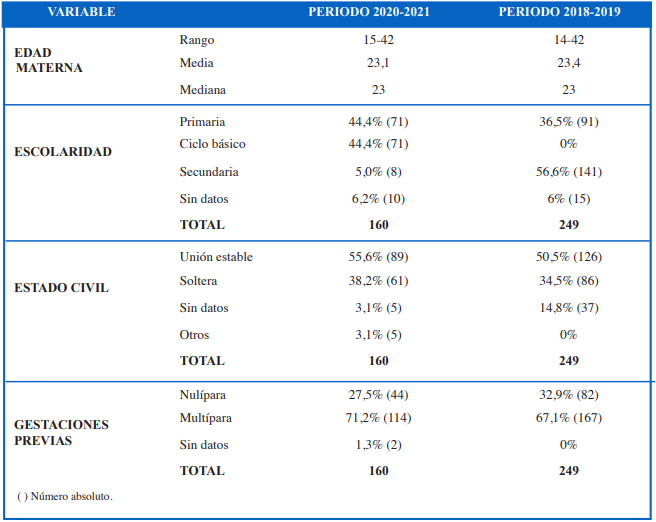
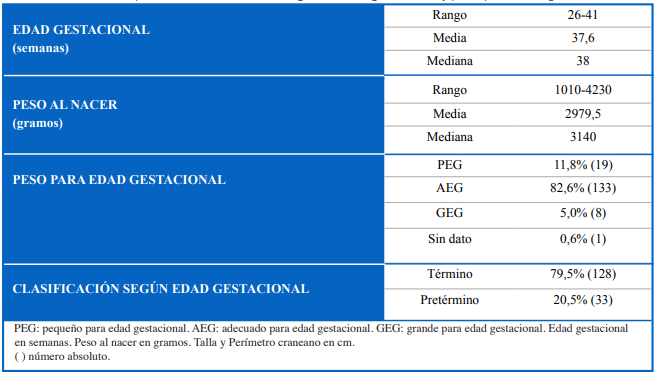
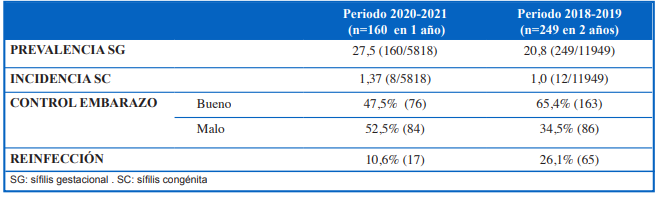
Results: a prevalence of gestational syphilis of 27.5/1000 pregnant women and an incidence of congenital syphilis of 1.37/1000 live births were recorded of the 161 newborns, 78 (48.4%) of the neonates were considered to be at high risk of connatal syphilis, for which they received treatment and their hospital stay was prolonged. A high percentage of poorly controlled pregnancies and a low level of treatment for sexual partners were observed.
Conclusions: the prevalence of gestational syphilis maintained an upward trend at the Pereira Rossell Hospital Center during the first year of the COVID-19 pandemic, mainly due to a significant decrease in pregnancy control, poor treatment of sexual partners and a high percentage of patients at high risk of unconfirmed connatal syphilis. After the first year of the COVID-19 Pandemic this rising trend still remains.
Key words:
Congenital Syphilis