Hepatic hydatidosis in a 16-month-old infant, a diagnostic challenge: case report (Colombia)
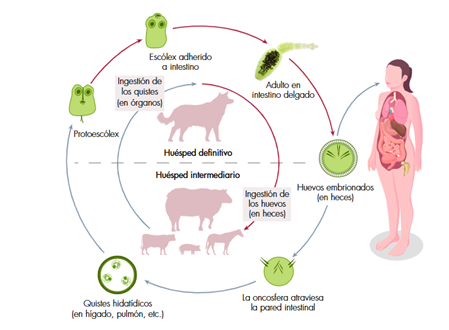
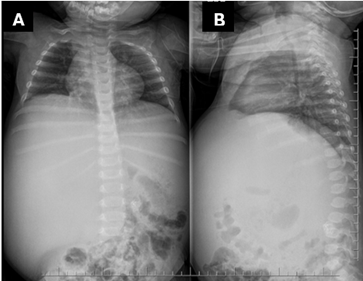
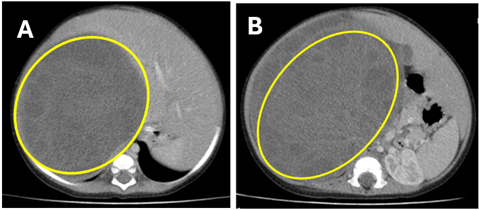
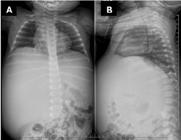
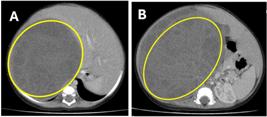
Hydatidosis is a zoonotic disease caused by Echinococcus granulosus, whose transmission persists in rural areas due to contact between dogs and livestock. Its clinical course is generally slow and asymptomatic, which delays diagnosis and increases the risk of serious complications. We present the case of a 16-month-old male infant, a rural migrant, who was admitted with abdominal distension, vomiting, and fever. Imaging studies confirmed the presence of a hepatic hydatid cyst. The patient initially received treatment with albendazole and subsequently underwent surgical resection of the cyst, with favorable clinical outcome. This case is relevant because hydatidosis is usually diagnosed at older ages, whereas in this patient, it manifested early and with nonspecific abdominal symptoms. This highlights the importance of considering this disease as a differential diagnosis in pediatric abdominal masses, as well as the need for a timely approach that combines diagnostic imaging, antiparasitic treatment, and surgical resolution. Finally, the importance of preventive measures, including canine deworming and community education, is emphasized in reducing the burden of this disease in endemic regions.
Key words:
Hepatic Echinococcosis; Infant
 Thumbnail
 Thumbnail
 Thumbnail