Exogenous Cushing’s Syndrome secondary to corticosteroid administration
Introduction: Cushing’s Syndrome (CS) is an endocrinological disorder characterized by elevated and sustained cortisol levels. In childhood and adolescence, it is the most common cause is corticosteroid prolonged administration.
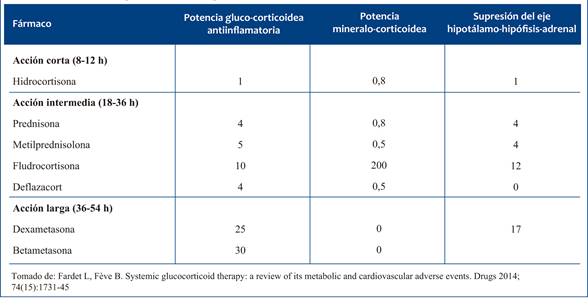
Objectives: to describe the case of an adolescent with exogenous CS; analyze the difficulties in its initial diagnosis; and reflect on the rational prescription of glucocorticoids.
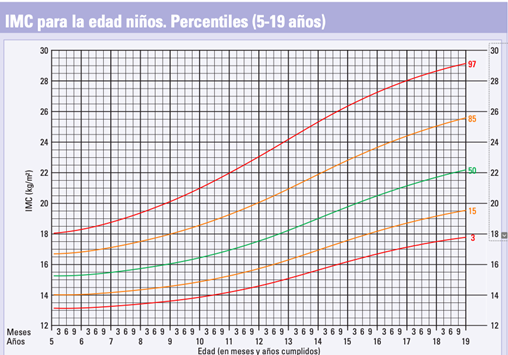
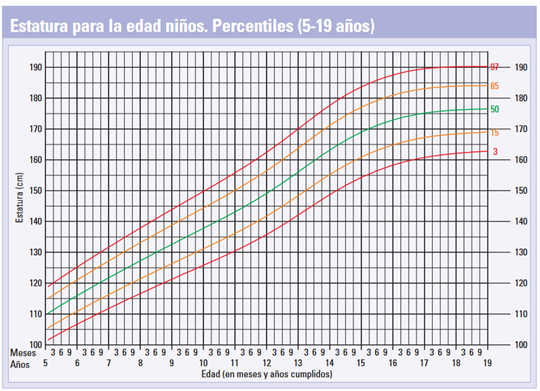
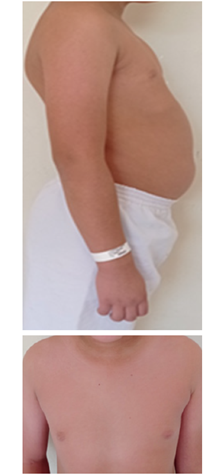
Clinical case: 11-year-old male with a history of alopecia areata and treatment with prednisone 30 mg/day for 5 months. Weight gain of 15 kg, accompanied by mood swings, occurred. One week prior to consultation, the patient presented with polyuria, polydipsia, and polyphagia accompanied by abdominal pain. Examination revealed features characteristic of CS. The corticosteroids were gradually tapered, with favorable outcomes.
Discussion: the development of exogenous CS is related to prolonged administration of corticosteroids, which leads to alterations in the hypothalamic-pituitary-adrenal (HPA) axis, with manifestations such as central obesity, moon-shaped facial features, high blood pressure, hyperglycemia, and osteoporosis. Early diagnosis is essential to minimize this risk, as well as the implementation of strategies for gradual and controlled of the corticosteroid dose, allowing for functional recovery of the HPA axis.
Key words:
Cushing Syndrome; Corticosteroids; Adolescent
 Thumbnail
 Thumbnail
 Thumbnail