COVID vaccination in pregnancy: how did it impact maternal infection, obstetric-neonatal outcomes, and the first 6 months of the infants’ lives?
Introduction: SARS CoV 2 infection in pregnancy is associated with severe disease and an increased risk of adverse obstetric-neonatal outcomes. Vaccines against SARS CoV 2 have been effective in preventing severe COVID-19 in pregnancy. Vaccination provides protection to pregnant women and may offer additional protection to infants, who are not eligible for vaccination.
Objectives: 1. estimate the COVID vaccination rate and the incidence of SARS CoV 2 infection in pregnant women from a private health provider in the interior of the country. 2. describe the obstetric-neonatal outcomes, and the incidence of SARS CoV 2 infection and hospitalization in the first 6 months of life. 3. identify differences between vaccinated (2 or more doses) and unvaccinated or poorly vaccinated (0 - 1 dose) pregnant women.
Methodology: observational, descriptive study of the cohort of pregnant women who completed their pregnancy between 1/1/2022 and 31/12/2022, users of a private health provider in the interior of the country. Inclusion: all pregnant women who completed their pregnancy with a live newborn (LNB) in the study period. Data source: Perinatal Computer System (SIP), Vaccine Computer System (SIV), electronic medical record. Pregnancy variables: maternal age, check-ups, COVID vaccination, SARS CoV 2 infection; newborn variables: gestational age, birth weight (BW); infants under 6 months: SARS CoV 2 infection; hospitalization. Analysis: descriptive statistics - absolute and percentage frequency, mean, median, and standard deviation. Incidence rates. Statistical association p<0.05.
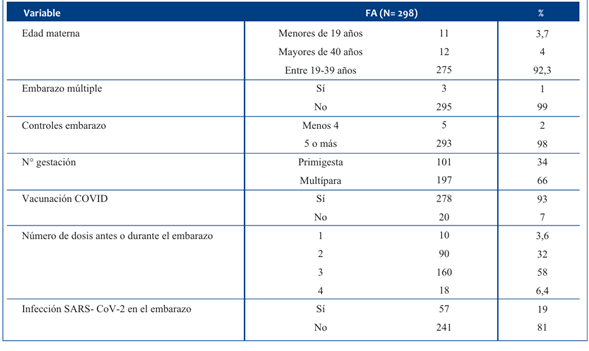
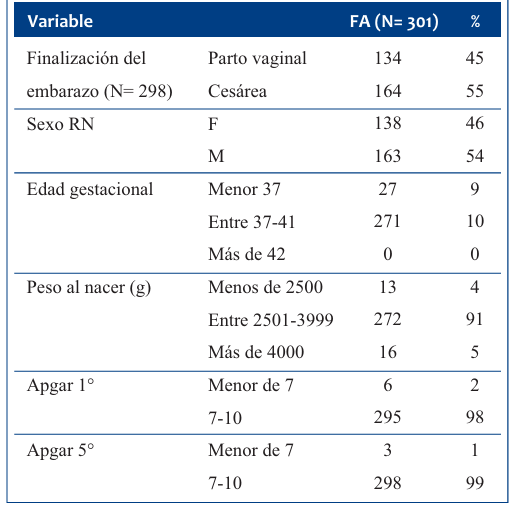
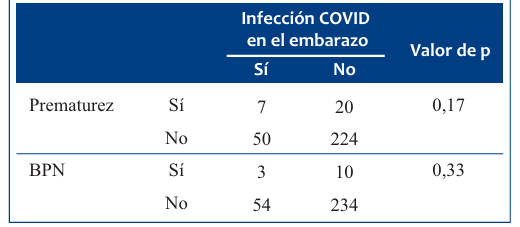
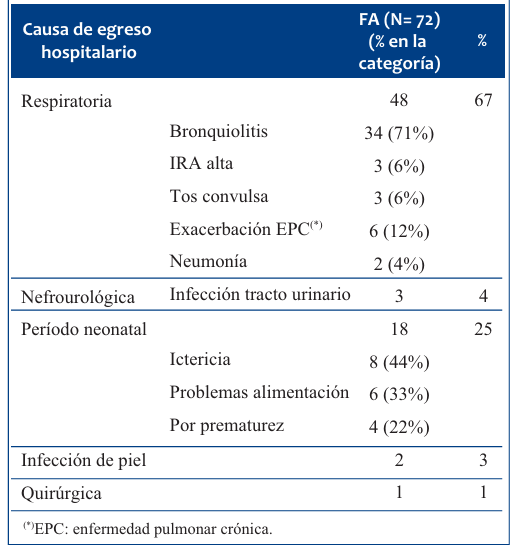
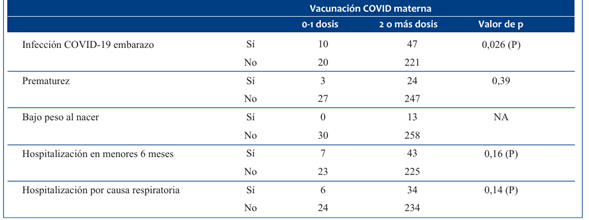
Results: between 1/1/22 and 31/12/22, 298 pregnant women completed their pregnancy, with 301 LNB (3 twin pregnancies). Maternal age: mean 29 years (SD 6 years), well-controlled pregnancy 98%. COVID vaccination in 278 pregnant women (92%) - 1 dose 4%, 2 doses 32%, 3 doses 58%, 4 doses 6%. SARS CoV 2 infection confirmed in 57 pregnant women (11 in the 14 days prior to delivery) - Incidence rate: 19/100 pregnancies. Obstetric outcomes: cesarean section 55%; prematurity 9% (12% in infants of COVID+ mothers in pregnancy, p 0.28); BW <2500 g: 4% (6% in COVID+ mothers, p 0.24). SARS CoV 2 infection in infants under 6 months: 4/301. None in the neonatal period. Incidence rate 1.3/100 infants under 6 months. 72 hospital admissions were recorded in 50 infants under 6 months. Hospitalization rate 24%. Respiratory cause: 66%; no admission for SARS CoV 2. A positive (protective) association was found between COVID vaccination and maternal infection (p 0.026); and between COVID vaccination and hospitalization in infants under 6 months of age; without statistical significance (p>0.05).
Conclusions: the COVID vaccination rate in pregnancy is high in our study. There were no differences in obstetric-neonatal outcomes between vaccinated and unvaccinated women. SARS CoV 2 infection in infants under 6 months was very low, and no vertical transmission was detected. COVID vaccination in pregnancy appears to have a positive impact on maternal infection and hospitalization of infants under 6 months.
Key words:
COVID-19; COVID-19 Vaccines; Pregnancy; Newborn