Cardiac repercussions in patients with pectus excavatum. Update, part two
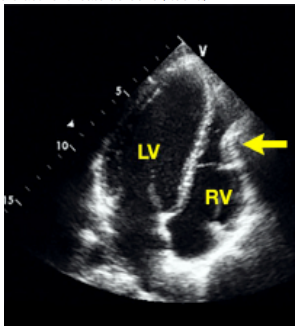
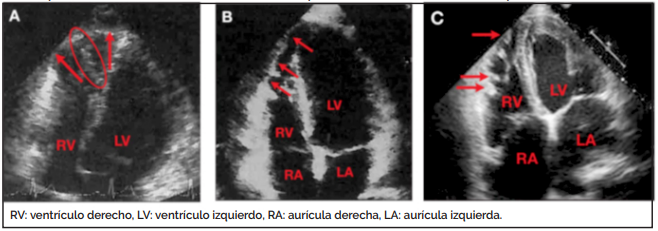
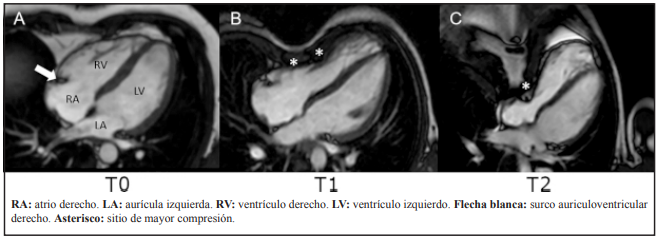
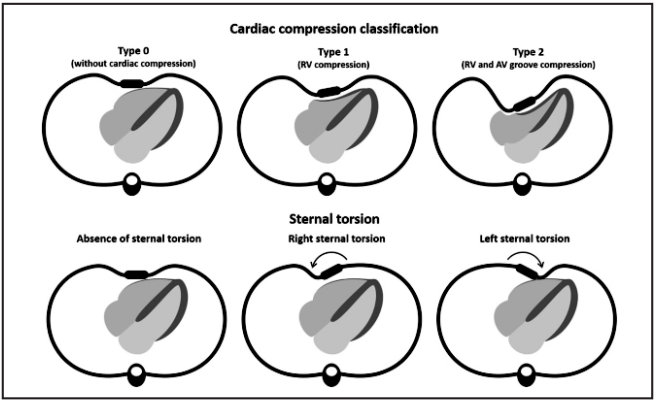
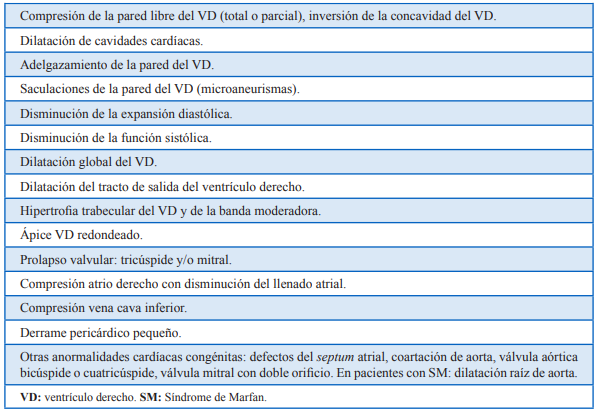
Pectus excavatum (PEX) is a deformation of the chest wall caused by an alteration of the costal cartilages with the consequent collapse of the sternum. Historically, it had been classified as a solely aesthetic or cosmetic defect, however, in recent years new study methods have been developed to assess the repercussions of this pathology, with increasing bibliography showing important functional consequences. We updated the cardiac pathological repercussions and analyzed the most relevant articles of recent years. The current evidence suggests that there is cardiac involvement due to sternal compression in most patients with PEX. These affectations include anatomical functional alterations: rhythm disorders, decreased ventricular filling, decreased stroke volume, increased right atrial pressure, valve disease, right ventricular compression, pericardial effusion, among others. All of which enables us to conclude that PEX can present important cardiac alterations that must be taken into account when assessing patients with this pathology.
Key words:
Funnel Chest; Heart Valve Diseases; Cardiac Conduction System Diseases; Cardiac Arrhythmias
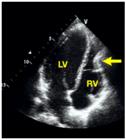 Thumbnail
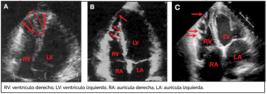 Thumbnail
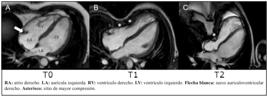 Thumbnail
 Thumbnail