Early bacterial sepsis in newborns at the Pereira Rossell Pediatric Hospital, between 2014-2020. Incidence, risk factors and neonatal outcomes
Introduction: early onset of bacterial neonatal sepsis is an important cause of neonatal morbidity and mortality. Diagnosis and early treatment are a major challenge for neonatal intensive care units.
Objectives: determine the incidence, risk factors, morbidity and mortality associated with early onset neonatal sepsis. Analyze antibiotic sensitivity of the isolated microorganisms.
Methodology: retrospective, descriptive study about cases of early onset bacterial neonatal sepsis between 2014-2020 at the Pereira Rossell Pediatric Hospital (CHPR).
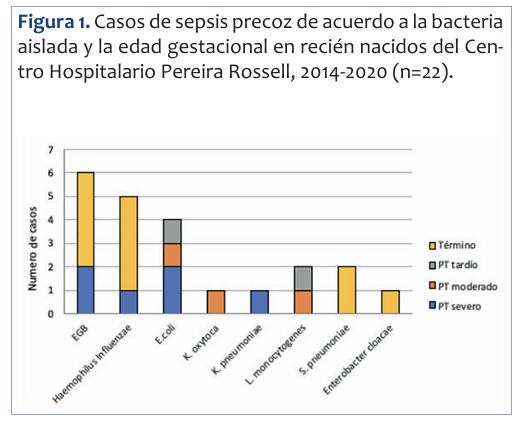
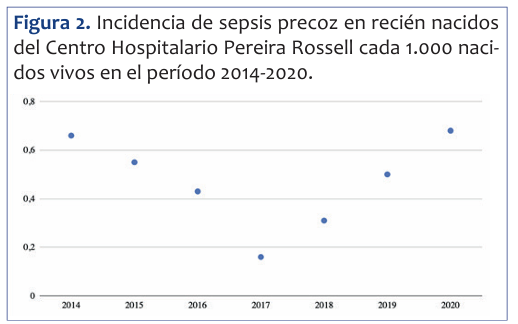
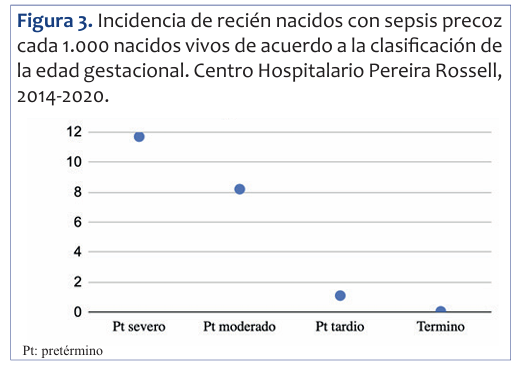
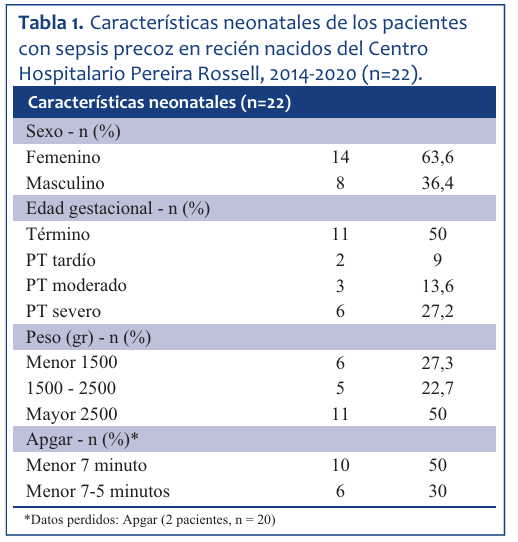
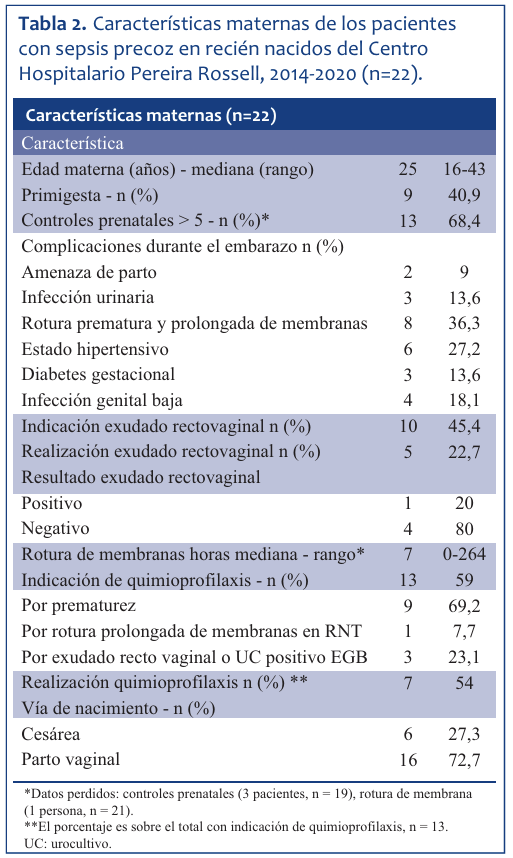
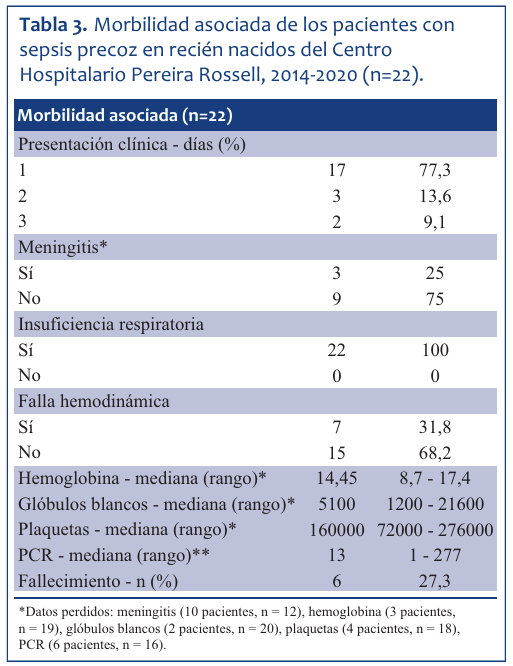
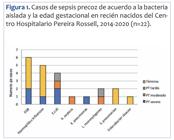
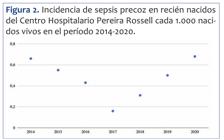
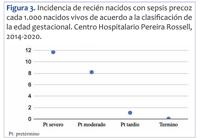
Results: 22 cases of early bacterial neonatal sepsis were identified in the period mentioned above, with a total incidence of 0.47 per 1000 live births. The incidence increased as gestational age decreased. All newborns presented respiratory symptoms, 20 of them in the first 48 hours. The most frequent microorganisms were group B Streptococcus (GBS) and E. coli in terms and pre-term patients respectively. The empirical antibiotic plan used (ampicillin and gentamicin) was effective against these microorganisms taking into account their antibiotic sensitivity. The reported mortality was 0.13 per 1000 live births.
Conclusions: the incidence of early sepsis in the CHPR is similar to that reported globally. Mortality is low, mainly affecting severely premature babies. Prevention of maternal-fetal transmission of GBS continues to be a valuable tool in preventing this disease.
Key words:
Sepsis; Neonatal Sepsis; Incidence; Risk Factors; Newborn; Patient Satisfaction
 Thumbnail
 Thumbnail
 Thumbnail