High resolution infrared thermography for monitoring central venous catheters in a pediatric intensive care unit in Uruguay
Introduction: vascular access is an indispensable tool for children care in the Pediatric Intensive Care Unit (PICU). Infection due to the use of central venous catheters (CVC) is the main cause of intrahospital infection in PICUs. Thermography has great potential, due to the fact that it is a non-invasive method, it does not cause adverse effects, it does not require sedation, it does not require moving a critical patient and it does not generate ionizing radiation. It has high sensitivity and specificity to provide information on the metabolism, perfusion and inflammation o f a region of interest.
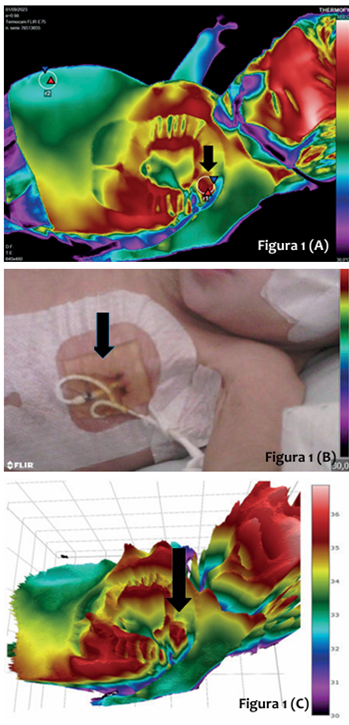
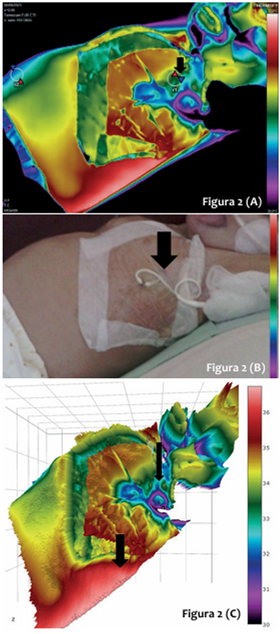
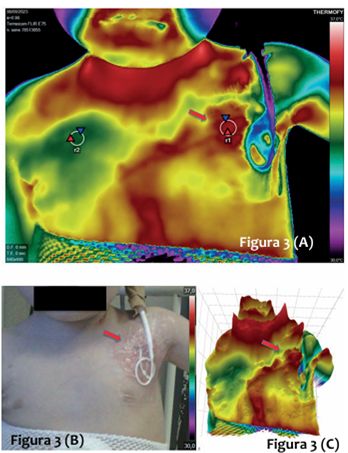
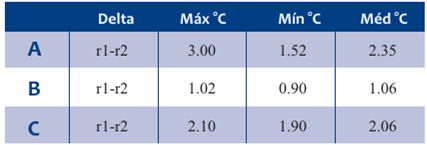
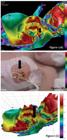
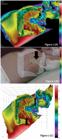
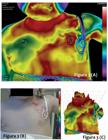
Methodology: the FLIR E75 high-resolution sensor (FLIR Systems AB, Taby, Sweden) was used, with a thermal sensitivity of 0.03°C, an IR resolution of 307.200 pixels. The measurement of the average and maximum T°C deltas was carried out (ΔTaverage ΔTmax). In this work, 2 clinical cases of patients were described in which infrared imaging was used in the follow-up of 2 confirmed infections linked to the use of CVC, where asymmetries and altered thermal dysfunctions with ΔTaverage greater than 1°C were observed in the described cases. In turn, both cases present ΔTmax greater at 2.0°C.
Conclusions: the use of the infrared image could be promising as a semiological tool for the follow-up of CVC during their stay at the PICU.
Key words:
Thermography; Central Venous Catheters; Infections
 Thumbnail
 Thumbnail
 Thumbnail