Early neonatal sepsis caused by Streptococcus pneumoniae: a case study
Introduction: sepsis caused by S. pneumoniae is infrequent in newborns, however, it is associated with high morbidity and mortality. Transmission routes are transplacental or ascending, after maternal vaginal colonization in early onset sepsis, or through community carriers in late onset sepsis. The introduction of the pneumococcal vaccine has not been able to reduce the cases of early neonatal sepsis, so other strategies, such as maternal vaccination are proposed.
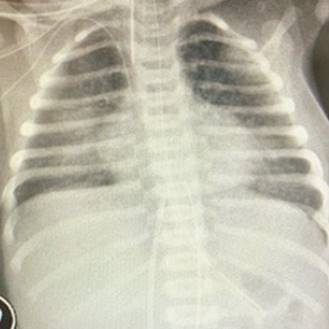
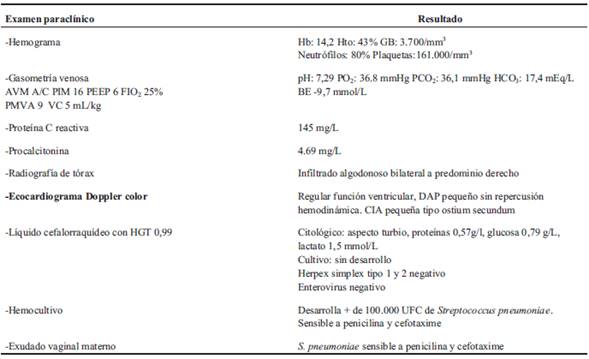
Clinical case: we present a newborn diagnosed with S. pneumoniae (serotype 3 (vaccine) early onset sepsis, sensitive to penicillin and his mother with vaginal colonization by the same bacteria. A timely diagnosis and treatment were made, achieving a good clinical evolution.
Conclusions: S. pneumoniae has low incidence of sepsis in the neonatal period, but it is associated with high mortality and morbidity, making clinical suspicion and prompt treatment necessary to ensure good prognosis. Different strategies have been proposed to decrease the incidence of neonatal invasive pneumococcal disease, including maternal vaccination. Current scientific evidence does not provide enough data to recommend vaccination to mothers, considering its cost-effectiveness and sustainability over time.
Key words:
Neonatal sepsis; Streptococcus pneumoniae
 Thumbnail