Descriptive study of changes in healthcare characteristics of people with rare diseases in Uruguay during the COVID-19 pandemic: a perspective from caregivers and users
Introduction: congenital defects and rare diseases are chronic conditions primarily managed at the National Reference Center for Congenital Defects and Rare Diseases (CRENADECER) in Uruguay. During the COVID-19 pandemic, measures were implemented to prevent infections. Globally, these patients have faced difficulties finding access to usual services, but this phenomenon has not been studied at national level.
Objectives: to describe the changes in the characteristics of medical care and barriers to find access to medical care.
Methodology: a descriptive, cross-sectional study was conducted. Data were collected through a survey of a random sample of primary caregivers or users during the pandemic period. The survey was based on a modified version of the Eurodis Rare Barometer COVID-19 survey.
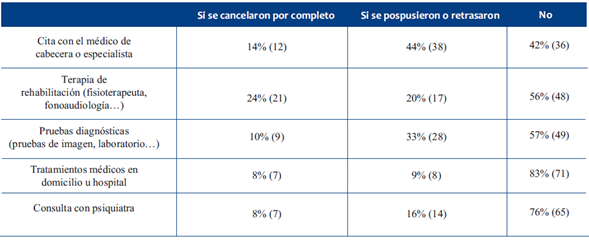
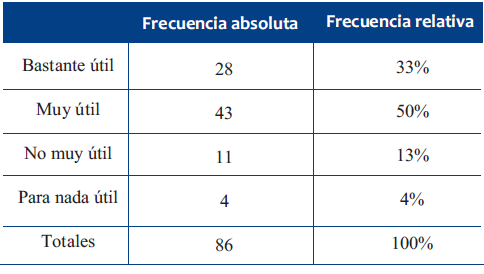
Results: the survey was responded by 86 individuals. Forty-four percent reported delays in medical appointments, and 14% experienced cancellations. Additionally, 78% of respondents indicated having at least one telemedicine consultation, and 50% considered this modality very useful.
Conclusions: the pandemic altered they way in which individuals with rare diseases interacted with the healthcare system and led to an increased use of telemedicine, positively accepted by users.
Key words:
Rare Diseases; COVID-19; Health Care Quality, Access and Evaluation