Nusinersen in the treatment of spinal muscular atrophy: first-time experience in Uruguay
Summary:
Introduction: 5q Spinal muscular atrophy (SMA) is a genetic disease that leads to early death of anterior horn motor neurons, resulting in progressive muscle atrophy and weakness. In 2016, the use of Nusinersen was approved; it acts on the SMN2 gene, increasing the amount of functional protein. In 2019, Uruguay began its use.
Objectives: describe the clinical evolution and characteristics of a group of patients with SMA who started treatment with Nusinersen.
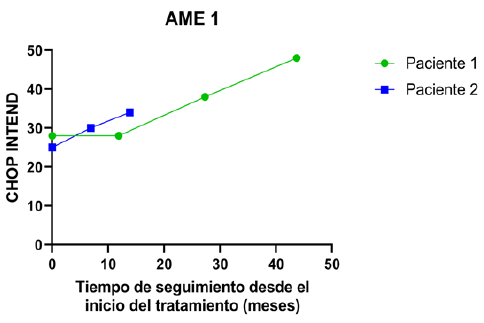
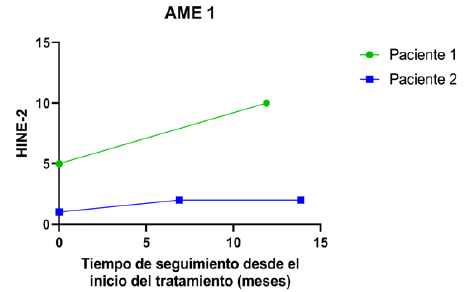
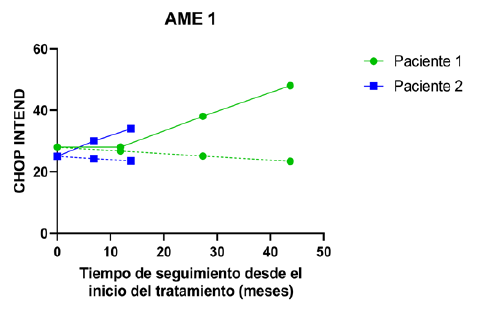
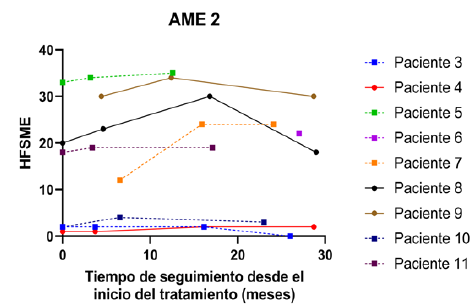
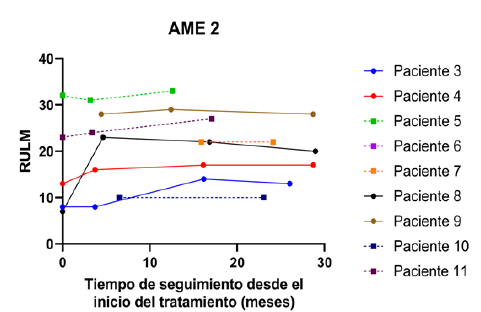
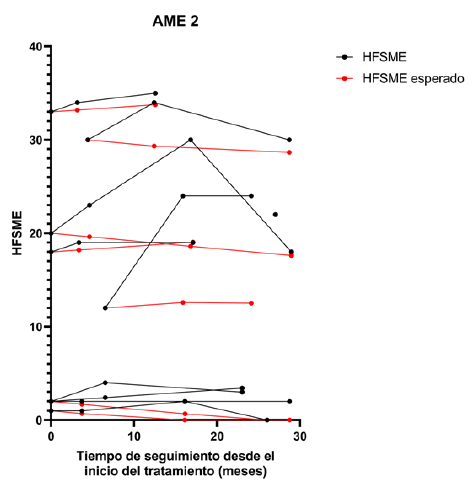
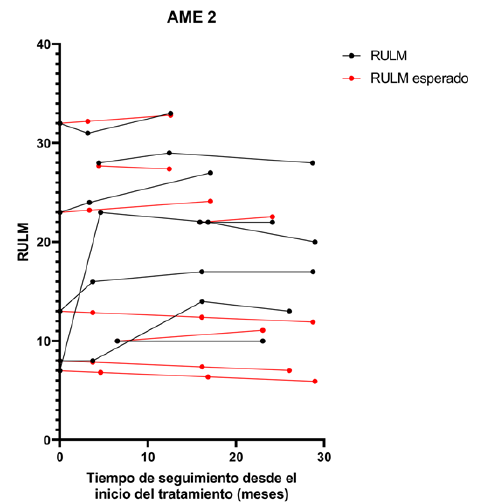
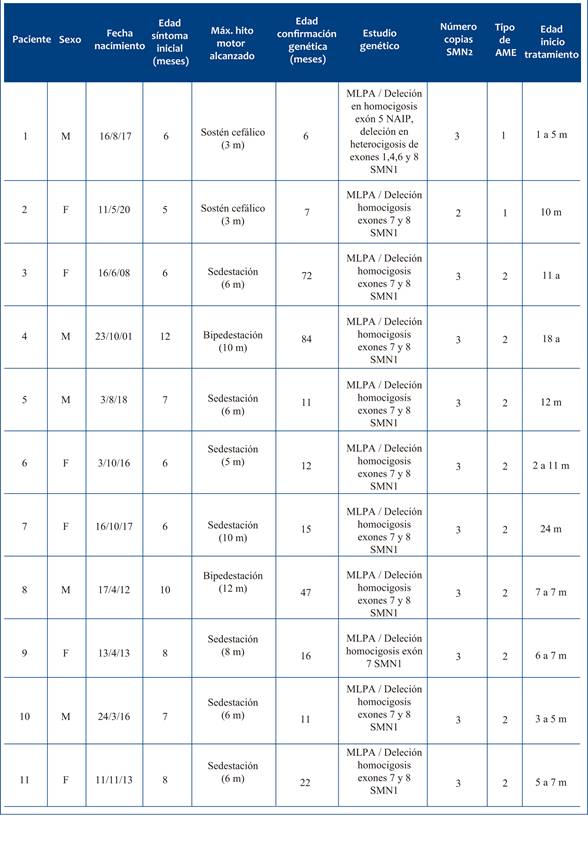
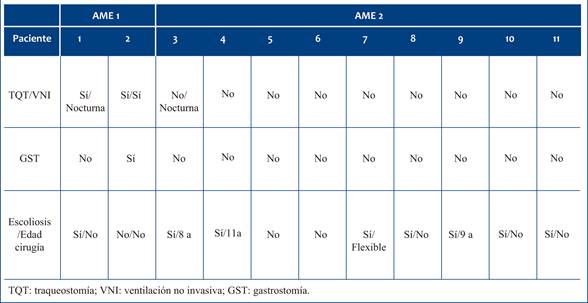
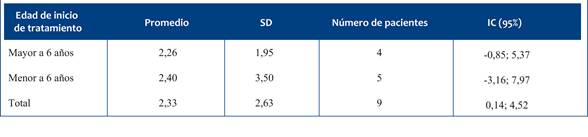
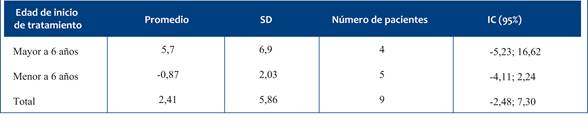
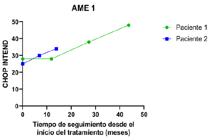
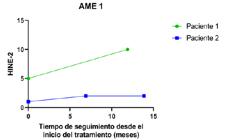
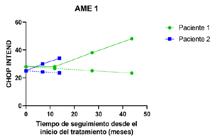
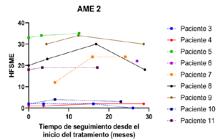
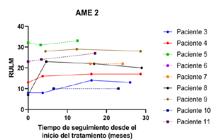
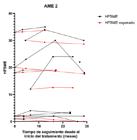
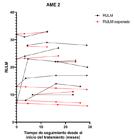
Metodology: this is a descriptive, observational, prospective study, based on data collected from medical records. Eleven patients diagnosed with 5q SMA were included: two children with type 1 SMA and nine with type 2 SMA. The age at which Nusinersen was initiated in type 1 SMA was 10 and 17 months. In type 2 SMA, treatment began before age 6 in five children and after age 6 in four. Validated motor scales were used during follow-up: CHOP INTEND and HINE for type 1 SMA, and HFMSE and RULM for type 2 SMA, assessing motor progression compared to the natural history of the disease. In type 1 SMA, improvement in motor function was observed; in most cases of type 2 SMA, improvement or stabilization was noted.
Conclusions: SMA is a rare, genetic disease with heterogeneous clinical presentation and treatment response. Disease-modifying therapies such as Nusinersen show encouraging results, with a non-linear response pattern and periods of variability and heterogeneous distribution across different muscle groups.
Key words:
Spinal Muscular Atrophy; Child
 Thumbnail
 Thumbnail
 Thumbnail
 Thumbnail
 Thumbnail
 Thumbnail
 Thumbnail