Serious infection due to group B Streptococcus at the Pediatric Intensive Care Unit of the Pereira Rossell Children’s Hospital between 2007 and 2017
Background: group B streptococcus (GBS) is a common cause of neonatal sepsis. Early disease decreased its incidence due to antibiotic prophylaxis. Late sepsis increased its incidence in recent years.
Objectives: to know the incidence of late onset EGB sepsis in the period 2016-2017 at the Pereira Rossell Hospital Center (CHPR), and secondly, to describe the epidemiological characteristics and the clinical presentation of late onset sepsis due to GBS in children admitted to the Children’s Intensive Care Unit (UCIN) of the CHPR in the period 2007-2017.
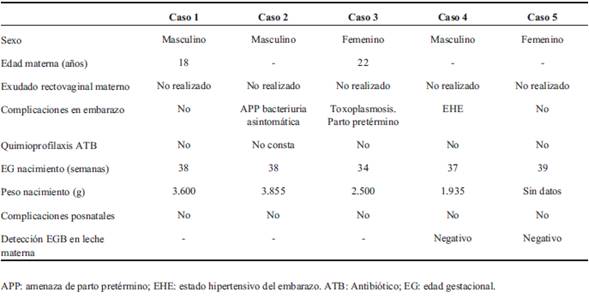
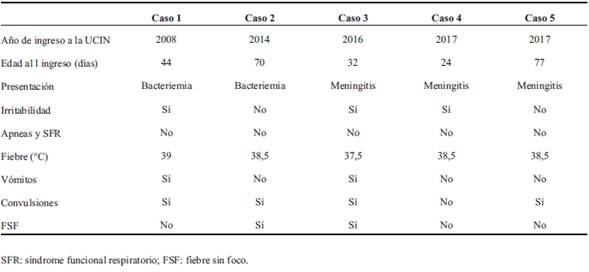
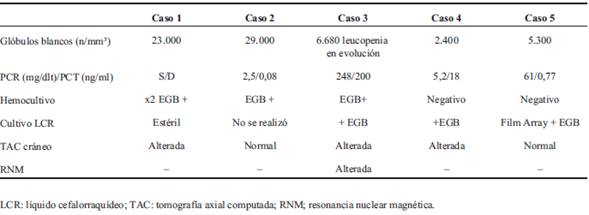
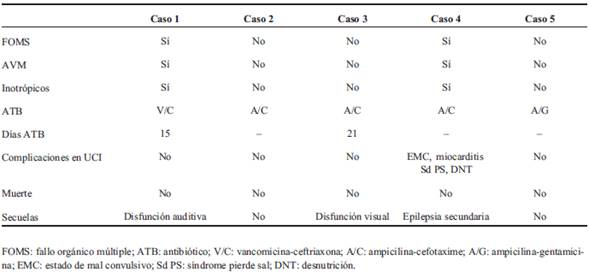
Results: the calculated incidence of late sepsis due to GBS was 0.53 cases/1000 live newborns. Between 2007-2017, 5 children were admitted due to GBS late sepsis at the UCIN. The most frequent clinical presentation was fever without focus and meningitis. 3 isolates were obtained in EBG blood cultures and 3 in cerebrospinal fluid (2 in culture and another by DNA detection). None of them died. Cases with meningitis showed abnormalities in the brain tomography. 1 of the 5 was preterm.
Conclusions: late sepsis is associated with significant morbidity and mortality in pediatric patients. The main risk factors associated with serious disease and the policies needed to reduce its incidence have not been established.
Key words:
Streptococcal infections; Streptococcus agalactiae; Neonatal sepsis; Incidence