Sydenham’s Chorea: an unusual case report in a male adolescent (Colombia)
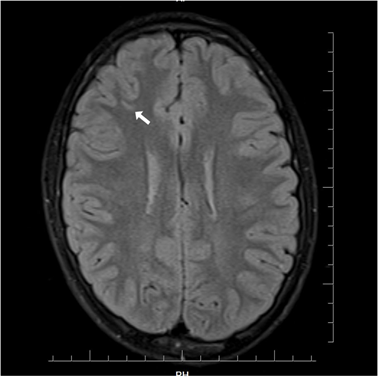
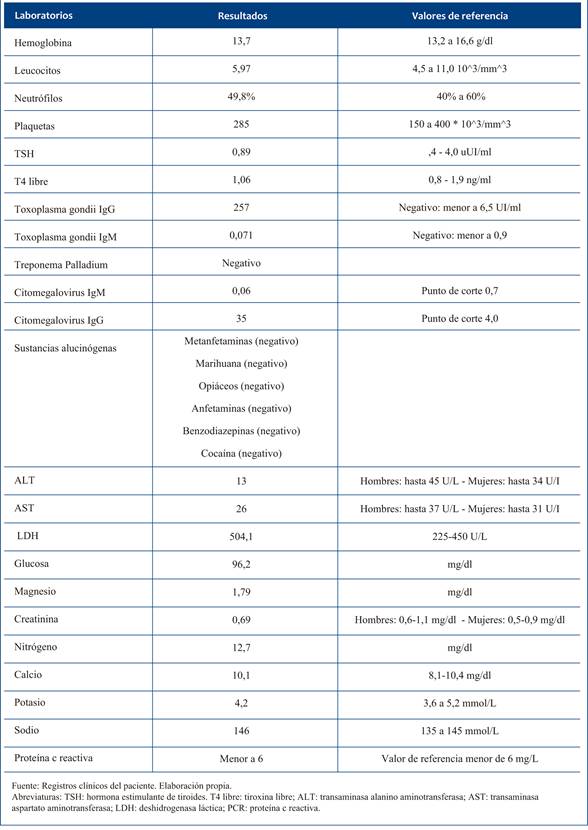
Sydenham’s Chorea is defined as a neurological disorder caused by group A beta-hemolytic streptococcus, which triggers rapid, uncoordinated choreiform movements, as well as neuropsychiatric disorders, carditis, and arthritis. We present the case of a 14-year-old adolescent who exhibited abnormal stereotypical movements, characterized by dystonia in the facial region and left lower extremity, hyperreflexia, reduced sensitivity in the left side of the body, and eye tics. He had had a history of respiratory disease two months before. He tested positive for antistreptolysin and negative for rheumatoid factor, and a brain MRI revealed hyperintensities in the subcortical and deep white matter. Treatment with benzathine penicillin, carbamazepine, and risperidone has shown satisfactory progress. The detection of the clinical manifestations of Sydenham’s Chorea, its early diagnosis, and proper medical management are essential to prevent possible sequelae.
Key words:
Chorea; Streptococcal Infections; Nervous System Diseases; Neuropsychiatry; Rheumatoid Factor; Antistreptolysin
 Thumbnail