Esophageal achalasia of nonspecific presentation. Clinical case study
Introduction: achalasia is a rare entity in pe-diatrics. It is an idiopathic neurovegetative esophageal motility disorder; although it can also be secondary to infections, neoplasias and autoimmune diseases. It is characterized by symptoms such as dysphagia, regurgitation, pain, and weight loss. In adults, high-resolution manometry is the gold standard. In children, technical difficulties complicate its realization. Currently, the association of intraesophageal impedance measurement with manometry is the most effective diagnostic method. The goal of treatment is to improve esophageal emptying by reducing the tone of the lower esophageal sphincter by pharmacological, en-doscopic, or surgical methods. Heller’s myotomy is currently the treatment of choice.
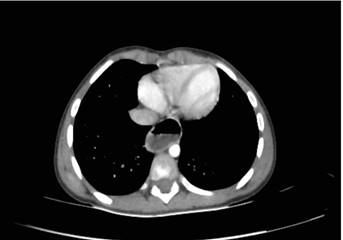
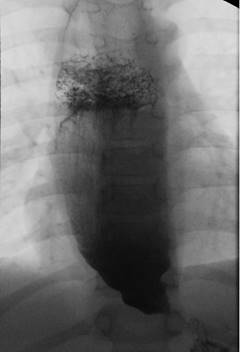
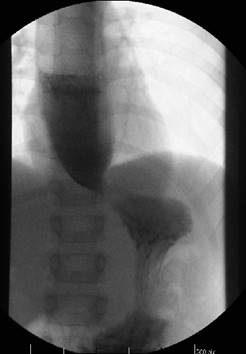
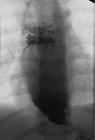
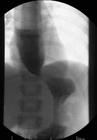
Clinical case: a 6-year-old schoolboy, previous-ly healthy, admitted for regurgitation, abdomi-nal pain, and weight loss. Barium radiographic study with findings compatible with esopha-geal achalasia. Secondary causes were ruled out. The definitive treatment was Heller’s myotomy with Dorr’s anterior fundoplication, presenting good clinical evolution.
Discussion: although dysphagia is the key symptom and in general it leads the diagnosis, it is important to be aware of atypical clinical forms with non-specific presentations as in the clinical case presented, which allows timely diagnosis, preventing the nutritional and psychosocial impact of the child and his family.
Key words:
Achalasia of the Esophagus; Swallowing Disorders; Vomiting; Myotomy
 Thumbnail
 Thumbnail
 Thumbnail