Early neonatal sepsis: recommendations for approach in clinical practice
Early neonatal sepsis is defined as that type of sepsis with an onset within the first 72 hours of life and that is a major cause of neonatal morbidity and mortality. Its incidence is inversely proportional to its gestational age.
Frequent microorganisms are group B Streptococcus, Escherichia coli and Listeria monocytogenes.
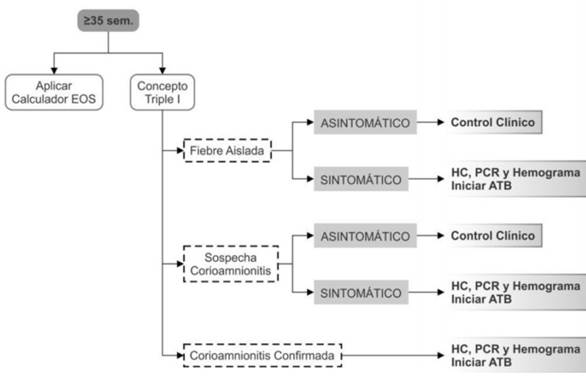
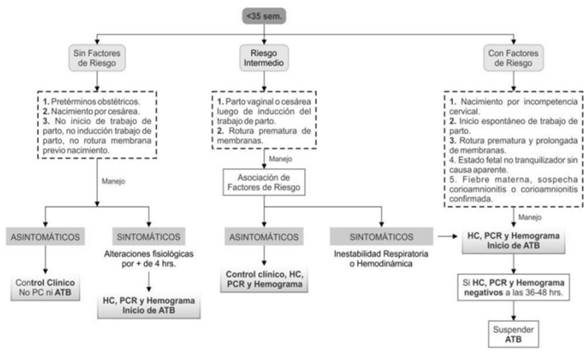
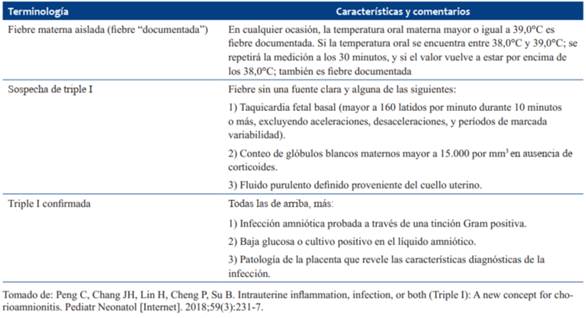
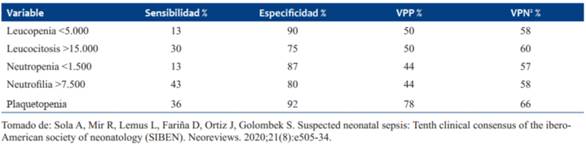
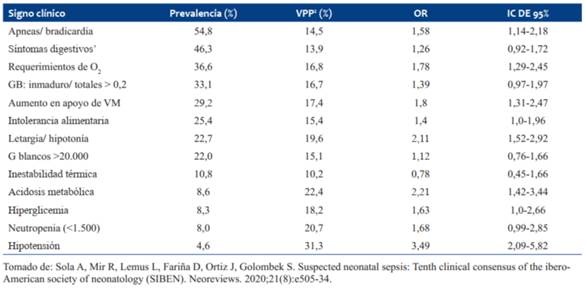
Early sepsis diagnosis is mainly based on the presence of risk factors such as chorioamnionitis and gestational age. Clinical signs are non-specific and currently available paraclinical tests such as acute phase reactants (C-reactive protein and procalcitonin) have little positive predictive value. A bibliographic review of the suspicion, diagnostic confirmation and treatment on Early Neonatal Sepsis in newborns in the latest papers and guidelines were prepared for the clinical treatment of newborns with suspected early sepsis.
Key words:
Neonatal sepsis; Newborn; Guideline
 Thumbnail
 Thumbnail