Use of vasopressin/terlipressin in children with refractory septic shock: presentation of two cases
Introduction: despite the progress made in critical care in recent years, septic shock continues to be a significant cause of morbidity and mortality in pediatrics (ref). The administration of Vasopressin and Terlipressin (AVP/TP) has been documented to show good response in adult patients with septic shock. In pediatrics, its effect on morbidity and mortality is still poorly studied and controversial. We propose to analyze the current evidence for the use of AVP and TP in critically ill pediatric patients based on the presentation of two clinical cases.
Clinical Cases: we present the clinical records of two pediatric patients, aged 11 and 14, admitted to the PICU with a diagnosis of Septic Shock. Both showed a similar hemodynamic profile with resistance to catecholamine treatment, and in both, Vasopressin was used as a rescue vasopressor.
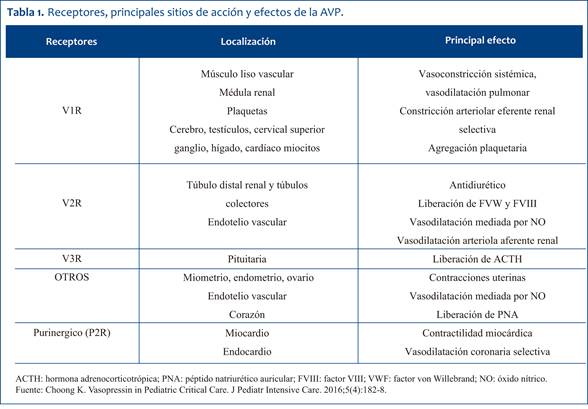
Discussion: vasopressin is a hormone that, in physiological situations, actively participates in determining plasma osmolarity, maintaining volume status, and blood pressure. During septic shock, a decrease in its plasma concentration has been observed, which could explain catecholamine resistance and the refractory profile of the shock. We reviewed the evidence in adults and children analyzing the use of this drug under these circumstances.
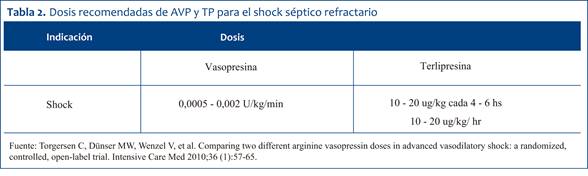
Conclusions: treatment with AVP/TP in pediatric patients with refractory septic shock could improve the hemodynamic profile and reduce the requirement for other inotropes and vasopressors at high doses. However, to date, there is no evidence of its use in pediatrics decreasing morbidity, mortality, or hospital stays.
Key words:
Terlipressin; Septic Shock; Pediatrics