Transesophageal echocardiography, a fundamental tool in the diagnosis and treatment of cardiac arrest
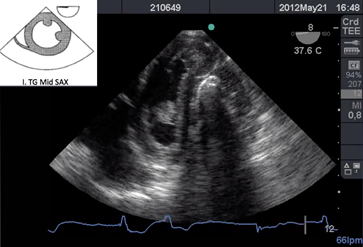
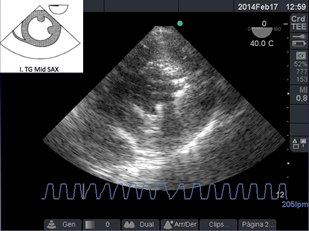
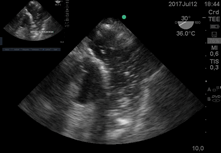
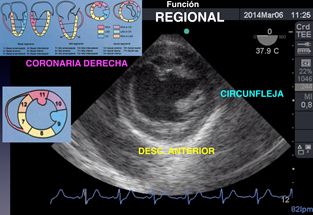
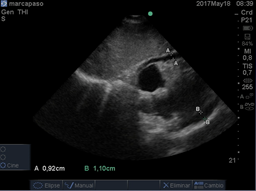
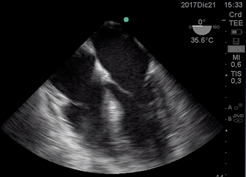
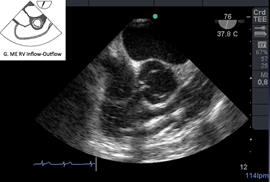
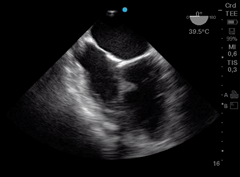
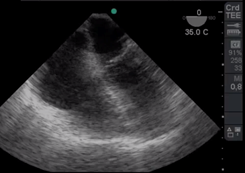
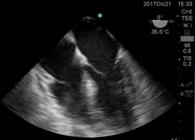
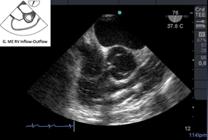
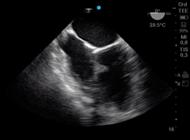
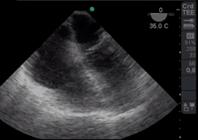
Echocardiography in cardiac arrest allows for accurate identification of the presence or absence of cardiac activity and to determine the underlying cause, including left and right ventricular failure, pulmonary embolism, cardiac tamponade and hypovolemia.
This findings can result in changes in patient management such as in intravenous fluid administration, use of blood products, vasopressors or thrombolytic agents, or performance of invasive procedures such as pericardiocentesis.
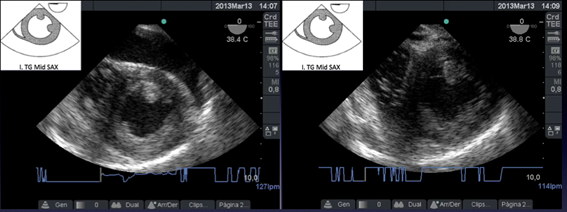
Transesophageal ehocardiography allows to efectively asses CPR efforts and determining cardiac arrest causes in real time with high quality imaging.
Key words:
intraoperative cardiac arrest; transesophageal echocardiography
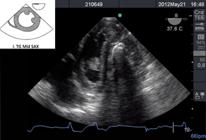 Thumbnail
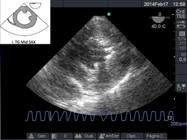 Thumbnail
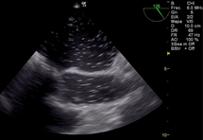 Thumbnail
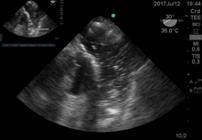 Thumbnail
 Thumbnail
 Thumbnail
 Thumbnail
 Thumbnail
 Thumbnail
 Thumbnail
 Thumbnail
 Thumbnail