<?xml version="1.0" encoding="ISO-8859-1"?><article xmlns:mml="http://www.w3.org/1998/Math/MathML" xmlns:xlink="http://www.w3.org/1999/xlink" xmlns:xsi="http://www.w3.org/2001/XMLSchema-instance">
<front>
<journal-meta>
<journal-id>1688-4221</journal-id>
<journal-title><![CDATA[Ciencias Psicológicas]]></journal-title>
<abbrev-journal-title><![CDATA[Cienc. Psicol.]]></abbrev-journal-title>
<issn>1688-4221</issn>
<publisher>
<publisher-name><![CDATA[Universidad Católica del Uruguay.]]></publisher-name>
</publisher>
</journal-meta>
<article-meta>
<article-id>S1688-42212009000100007</article-id>
<title-group>
<article-title xml:lang="es"><![CDATA[Síndromes empíricos en una población adolescente, evaluados mediante el YSR]]></article-title>
<article-title xml:lang="en"><![CDATA[Empiric syndromes in a youth population, assessed by the YSR]]></article-title>
</title-group>
<contrib-group>
<contrib contrib-type="author">
<name>
<surname><![CDATA[Daset Carretto]]></surname>
<given-names><![CDATA[Lilian R.]]></given-names>
</name>
<xref ref-type="aff" rid="A01"/>
</contrib>
<contrib contrib-type="author">
<name>
<surname><![CDATA[López Soler]]></surname>
<given-names><![CDATA[Concepción]]></given-names>
</name>
<xref ref-type="aff" rid="A02"/>
</contrib>
<contrib contrib-type="author">
<name>
<surname><![CDATA[Hidalgo Montesinos]]></surname>
<given-names><![CDATA[María Dolores]]></given-names>
</name>
<xref ref-type="aff" rid="A03"/>
</contrib>
</contrib-group>
<aff id="A01">
<institution><![CDATA[,Universidad Católica del Uruguay  ]]></institution>
<addr-line><![CDATA[ ]]></addr-line>
<country>Uruguay</country>
</aff>
<aff id="A02">
<institution><![CDATA[,Universidad de Murcia Hospital Universitario Virgen de la Arrixaca ]]></institution>
<addr-line><![CDATA[Murcia ]]></addr-line>
<country>España</country>
</aff>
<aff id="A03">
<institution><![CDATA[,Universidad de Murcia  ]]></institution>
<addr-line><![CDATA[ ]]></addr-line>
<country>España</country>
</aff>
<pub-date pub-type="pub">
<day>00</day>
<month>05</month>
<year>2009</year>
</pub-date>
<pub-date pub-type="epub">
<day>00</day>
<month>05</month>
<year>2009</year>
</pub-date>
<volume>3</volume>
<numero>1</numero>
<fpage>67</fpage>
<lpage>82</lpage>
<copyright-statement/>
<copyright-year/>
<self-uri xlink:href="http://www.scielo.edu.uy/scielo.php?script=sci_arttext&amp;pid=S1688-42212009000100007&amp;lng=en&amp;nrm=iso"></self-uri><self-uri xlink:href="http://www.scielo.edu.uy/scielo.php?script=sci_abstract&amp;pid=S1688-42212009000100007&amp;lng=en&amp;nrm=iso"></self-uri><self-uri xlink:href="http://www.scielo.edu.uy/scielo.php?script=sci_pdf&amp;pid=S1688-42212009000100007&amp;lng=en&amp;nrm=iso"></self-uri><abstract abstract-type="short" xml:lang="es"><p><![CDATA[El estudio de poblaciones adolescentes desde un encare empírico y de corte epidemiológico, responde a la necesidad de contar con perfiles psicopatológicos y también de aspectos prosociales, que puedan ser útiles para la formulación de políticas en todos los ámbitos, máxime cuando los recursos de los países son escasos y las demandas en el sector van en aumento. Este trabajo se centra en el estudio de las características psicopatológicas, sociodemográficas y competencias, en una población adolescente de una institución educativa de nivel secundario de la ciudad de Montevideo, Uruguay. El objetivo específico desarrollado en esta comunicación, refiere al ajuste del Autoinforme para Jóvenes (Achenbach y colaboradores, 1978 y ss.) a población juvenil uruguaya; analizando la estructura factorial del mismo y contrastando estos hallazgos con los encontrados en otros países. Asi se comparan los hallazgos con los encontrados en estudios de López Soler en España (1998) y los del propio autor. La estructura taxonómica obtenida contiene a los Síndromes de: Depresión-Ansiedad, Quejas Somáticas; Disocial; Oposición-Impulsividad; Alteración del Pensamiento; Retraimiento-Evitación, Inmadurez; Temor; Problemas Sociales y también al Síndrome Prosocial. Los resultados muestran coincidencias importantes con los trabajos de referencia]]></p></abstract>
<abstract abstract-type="short" xml:lang="en"><p><![CDATA[The study of adolescent populations, considered from an empirical and epidemiologic perspective, responds to the need for psychopathological profiles and for prosocial aspects, which may be useful in the policy formulation process in every field, especially when the country&rsquo;s resources are scarce and the sector&rsquo;s demands are increasing. This work focuses on the study of the psychopathological and sociodemographic characteristics, as well as on the study of competencies, in an adolescent population of high school students in an educational institution of the city of Montevideo, Uruguay. The specific objective developed on this paper, refers to the adjustment of Youth Self-Report (Achenbach et al, 1978) to a uruguayan youth population, analyzing the scale&rsquo;s factorial structure and contrasting these findings with those found in other countries. Thus, our findings are compared with those originated by Lopez Soler in Spain (1998) as well as with those described by the scale&rsquo;s original author. The taxonomic structure obtained comprises the following Syndromes: Depression-Anxiety, Somatic Complaints; Dissocial; Opposition-Impulsivity; Alteration in Thought Processes; Withdrawal-Avoidance, Immaturity; Fear; Social Problems and also, the Prosocial Syndrome. The results show significant coincidences with the studies of reference]]></p></abstract>
<kwd-group>
<kwd lng="es"><![CDATA[Adolescencia]]></kwd>
<kwd lng="es"><![CDATA[Psicopatología]]></kwd>
<kwd lng="es"><![CDATA[Taxonomías Empíricas]]></kwd>
<kwd lng="es"><![CDATA[YSR]]></kwd>
<kwd lng="en"><![CDATA[Adolescence]]></kwd>
<kwd lng="en"><![CDATA[Psychopathology]]></kwd>
<kwd lng="en"><![CDATA[Empirical Taxonomies]]></kwd>
<kwd lng="en"><![CDATA[YSR]]></kwd>
</kwd-group>
</article-meta>
</front><body><![CDATA[ <div class="Section1">      <p style="margin: 5.65pt 134.25pt 0.0001pt 27pt; text-align: center; line-height: 120%;" align="center"><b><span style="font-size: 16pt; line-height: 120%; font-family: Arial;" lang="ES-UY">S&Iacute;NDROMES EMP&Iacute;RICOS EN UNA POBLACI&Oacute;N ADOLESCENTE, EVALUADOS MEDIANTE EL YSR</span></b><span style="font-size: 16pt; line-height: 120%; font-family: Arial;" lang="ES-UY"><o:p></o:p></span></p>          <p style="margin: 5pt 134.25pt 0.0001pt 27pt; text-align: center; line-height: 120%;" align="center"><span style="font-size: 16pt; line-height: 120%; font-family: Arial;" lang="ES-UY"><o:p>&nbsp;</o:p></span></p>          <p style="margin: 5pt 134.25pt 0.0001pt 27pt; text-align: center; line-height: 120%;" align="center"><b><span style="font-size: 16pt; line-height: 120%; font-family: Arial;" lang="EN-US">EMPIRIC SYNDROMES IN A YOUTH POPULATION, ASSESSED BY THE YSR</span></b><span style="font-size: 16pt; line-height: 120%; font-family: Arial;" lang="EN-US"><o:p></o:p></span></p>          <p style="margin: 5pt 134.25pt 0.0001pt 27pt; text-align: center; line-height: 120%;" align="center"><span style="font-family: Arial;" lang="EN-US"><o:p>&nbsp;</o:p></span></p>          <p style="margin: 5pt 134.25pt 0.0001pt 27pt; text-align: center; line-height: 120%;" align="center"><b><span style="font-family: Arial;" lang="ES-UY">Lilian R. Daset Carretto</span></b><span style="font-family: Arial;" lang="ES-UY"><o:p></o:p></span></p>          <p style="margin: 5pt 134.25pt 0.0001pt 27pt; text-align: center; line-height: 120%;" align="center"><span style="font-family: Arial;" lang="ES-UY">Universidad Cat&oacute;lica del Uruguay, Uruguay<o:p></o:p></span></p>          <p style="margin: 1.4pt 134.25pt 0.0001pt 27pt; text-align: center; line-height: 120%;" align="center"><b><span style="font-family: Arial;" lang="ES-UY"><o:p>&nbsp;</o:p></span></b></p>          <p style="margin: 1.4pt 134.25pt 0.0001pt 27pt; text-align: center; line-height: 120%;" align="center"><b><span style="font-family: Arial;" lang="ES-UY">Concepci&oacute;n L&oacute;pez Soler</span></b><span style="font-family: Arial;" lang="ES-UY"><o:p></o:p></span></p>          <p style="margin: 5pt 134.25pt 0.0001pt 27pt; text-align: center; line-height: 120%;" align="center"><span style="font-family: Arial;" lang="ES-UY">Universidad de Murcia, Espa&ntilde;a<o:p></o:p></span></p>          ]]></body>
<body><![CDATA[<p style="margin: 5pt 134.25pt 0.0001pt 27pt; text-align: center; line-height: 120%;" align="center"><span style="font-family: Arial;" lang="ES-UY">Hospital Universitario Virgen de la Arrixaca Murcia, Espa&ntilde;a<o:p></o:p></span></p>          <p style="margin: 1.4pt 134.25pt 0.0001pt 27pt; text-align: center; line-height: 120%;" align="center"><b><span style="font-family: Arial;" lang="ES-UY"><o:p>&nbsp;</o:p></span></b></p>          <p style="margin: 1.4pt 134.25pt 0.0001pt 27pt; text-align: center; line-height: 120%;" align="center"><b><span style="font-family: Arial;" lang="ES-UY">Mar&iacute;a Dolores Hidalgo Montesinos</span></b><span style="font-family: Arial;" lang="ES-UY"><o:p></o:p></span></p>          <p style="margin: 5pt 134.25pt 0.0001pt 27pt; text-align: center; line-height: 120%;" align="center"><span style="font-family: Arial;" lang="ES-UY">Universidad de Murcia, Espa&ntilde;a<o:p></o:p></span></p>          <p style="margin: 5pt 134.25pt 0.0001pt 27pt; text-align: justify; line-height: 120%;"><span style="font-family: Arial;" lang="ES-UY"><o:p>&nbsp;</o:p></span></p>          <p style="margin: 5pt 134.25pt 0.0001pt 27pt; text-align: justify; line-height: 120%;"><span style="font-family: Arial;" lang="ES-UY"><o:p>&nbsp;</o:p></span></p>          <p style="margin: 5pt 134.25pt 0.0001pt 27pt; text-align: justify; line-height: 120%;"><b><span style="font-family: Arial;" lang="ES-UY">Resumen: </span></b><span style="font-family: Arial;" lang="ES-UY">El estudio de poblaciones adolescentes desde un encare emp&iacute;rico y de corte epidemiol&oacute;gico, responde a la necesidad de contar con perfiles psicopatol&oacute;gicos y tambi&eacute;n de aspectos prosociales, que puedan ser &uacute;tiles para la formulaci&oacute;n de pol&iacute;ticas en todos los &aacute;mbitos, m&aacute;xime cuando los recursos de los pa&iacute;ses son escasos y las demandas en el sector van en aumento.<o:p></o:p></span></p>          <p style="margin: 5pt 134.25pt 0.0001pt 27pt; text-align: justify; line-height: 120%;"><span style="font-family: Arial;" lang="ES-UY">Este trabajo se centra en el estudio de las caracter&iacute;sticas psicopatol&oacute;gicas, sociodemogr&aacute;ficas y competencias, en una poblaci&oacute;n adolescente de una instituci&oacute;n educativa de nivel secundario de la ciudad de Montevideo, Uruguay.<o:p></o:p></span></p>          <p style="margin: 5pt 134.25pt 0.0001pt 27pt; text-align: justify; line-height: 120%;"><span style="font-family: Arial;" lang="ES-UY">El objetivo espec&iacute;fico desarrollado en esta comunicaci&oacute;n, refiere al ajuste del Autoinforme para J&oacute;venes (<u><a name="Achenbach1978."></a><a href="#Achenbach16">Achenbach y colaboradores</a></u>, 1978 y ss.) a poblaci&oacute;n juvenil uruguaya; analizando la estructura factorial del mismo y contrastando estos hallazgos con los encontrados en otros pa&iacute;ses. Asi se comparan los hallazgos con los encontrados en estudios de <a href="#Lopez5"><strong><u><span style="font-family: Arial; font-weight: normal;"></span></u></strong></a><strong><u><a name="L&oacute;pezSoler1998."></a><a href="#Lopez5"><small>L&oacute;pez</small> </a></u></strong></span><a href="#Lopez5"><u>Soler</u></a> en Espa&ntilde;a (1998) y los del propio autor.<o:p></o:p></p>          <p style="margin: 5pt 134.25pt 0.0001pt 27pt; text-align: justify; line-height: 120%;"><span style="font-family: Arial;" lang="ES-UY">La estructura taxon&oacute;mica obtenida contiene a los S&iacute;ndromes de: Depresi&oacute;n-Ansiedad, Quejas Som&aacute;ticas; Disocial; Oposici&oacute;n-Impulsividad; Alteraci&oacute;n del Pensamiento; Retraimiento-Evitaci&oacute;n, Inmadurez; Temor; Problemas Sociales y tambi&eacute;n al S&iacute;ndrome Prosocial. Los resultados muestran coincidencias importantes con los trabajos de referencia. <o:p></o:p></span></p>          ]]></body>
<body><![CDATA[<p style="margin: 5pt 134.25pt 0.0001pt 27pt; text-align: justify; line-height: 120%;"><b><span style="font-family: Arial;" lang="ES-UY">Palabras clave:</span></b><span style="font-family: Arial;" lang="ES-UY"> Adolescencia, Psicopatolog&iacute;a, Taxonom&iacute;as Emp&iacute;ricas, YSR.<o:p></o:p></span></p>          <p style="margin: 5pt 134.25pt 0.0001pt 27pt; text-align: justify; line-height: 120%;"><span style="font-family: Arial;" lang="ES-UY"><o:p>&nbsp;</o:p></span></p>          <p style="margin: 5pt 134.25pt 0.0001pt 27pt; text-align: justify; line-height: 120%;"><b><span style="font-family: Arial;" lang="EN-US">Abstract: </span></b><span style="font-family: Arial;" lang="EN-US">The study of adolescent populations, considered from an empirical and epidemiologic perspective, responds to the need for psychopathological profiles and for prosocial aspects, which may be useful in the policy formulation process in every field, especially when the country&rsquo;s resources are scarce and the sector&rsquo;s demands are increasing. </span><span style="font-family: Arial;" lang="EN-GB"><o:p></o:p></span></p>          <p style="margin: 5pt 134.25pt 0.0001pt 27pt; text-align: justify; line-height: 120%;"><span style="font-family: Arial;" lang="EN-US">This work focuses on the study of the psychopathological and sociodemographic characteristics, as well as on the study of competencies, in an adolescent population of high school students in an educational institution of the city of </span><st1:city><st1:place><span style="font-family: Arial;" lang="EN-US">Montevideo</span></st1:place></st1:city><span style="font-family: Arial;" lang="EN-US">, </span><st1:country-region><st1:place><span style="font-family: Arial;" lang="EN-US">Uruguay</span></st1:place></st1:country-region><span style="font-family: Arial;" lang="EN-US">. <o:p></o:p></span></p>          <p style="margin: 5pt 134.25pt 0.0001pt 27pt; text-align: justify; line-height: 120%;"><span style="font-family: Arial;" lang="EN-US">The specific objective developed on this paper, refers to the adjustment of Youth Self-Report (<a href="#Achenbach16"><u>Achenbach et al</u></a>, 1978) to a uruguayan youth population, analyzing the scale&rsquo;s factorial structure and contrasting these findings with those found in other countries. Thus, our findings are compared with those originated by <a href="#Lopez6"><u>L&oacute;pez Soler</u></a> in </span><st1:country-region><st1:place><span style="font-family: Arial;" lang="EN-US">Spain</span></st1:place></st1:country-region><span style="font-family: Arial;" lang="EN-US"> (1998) as well as with those described by the scale&rsquo;s original author.<o:p></o:p></span></p>          <p style="margin: 5pt 134.25pt 0.0001pt 27pt; text-align: justify; line-height: 120%;"><span style="font-family: Arial;" lang="EN-US">The taxonomic structure obtained comprises the following Syndromes: Depression-Anxiety, Somatic Complaints; Dissocial; Opposition-Impulsivity; Alteration in Thought Processes; Withdrawal-Avoidance, Immaturity; Fear; Social Problems and also, the Prosocial Syndrome. The results show significant coincidences with the studies of reference. <o:p></o:p></span></p>          <p style="margin: 5pt 134.25pt 0.0001pt 27pt; text-align: justify; line-height: 120%;"><b><span style="font-family: Arial;" lang="EN-US">Keywords:</span></b><span style="font-family: Arial;" lang="EN-US"> Adolescence, Psychopathology, Empirical Taxonomies, YSR.</span><span style="font-family: Arial;" lang="EN-GB"><o:p></o:p></span></p>          <p class="western" style="margin: 2.85pt 134.25pt 0.0001pt 27pt; text-align: justify; text-indent: 14.2pt; line-height: 150%;"><span style="font-size: 12pt; line-height: 150%; font-family: Arial;" lang="EN-GB"><o:p>&nbsp;</o:p></span></p>          <p style="margin: 5pt 134.25pt 0.0001pt 27pt; text-align: justify; line-height: 120%;"><span style="font-size: 11pt; line-height: 120%; font-family: Arial;" lang="ES-UY">Correspondencia: Lilian R. Daset, Facultad de Psicolog&iacute;a, Universidad Cat&oacute;lica del Uruguay.<o:p></o:p></span></p>          <p style="margin: 5pt 134.25pt 0.0001pt 27pt; text-align: justify; line-height: 120%;"><span style="font-size: 11pt; line-height: 120%; font-family: Arial;" lang="ES-UY">Correo Electr&oacute;nico: <a href="mailto:ldaset@ucu.edu.uy"><u>ldaset@ucu.edu.uy</u></a><o:p></o:p></span></p>          ]]></body>
<body><![CDATA[<p class="western" style="margin: 2.85pt 134.25pt 0.0001pt 27pt; text-align: justify; line-height: 150%;"><span style="font-size: 12pt; line-height: 150%; font-family: Arial;" lang="ES-UY"><o:p>&nbsp;</o:p></span></p>          <p class="western" style="margin: 2.85pt 134.25pt 0.0001pt 27pt; text-align: center; line-height: 150%;" align="center"><span style="font-size: 12pt; line-height: 150%; font-family: Arial;" lang="ES-UY"><o:p>&nbsp;</o:p></span></p>          <p class="western" style="margin: 2.85pt 134.25pt 0.0001pt 27pt; text-align: center; text-indent: 14.2pt; line-height: 150%;" align="center"><b><span style="font-size: 12pt; line-height: 150%; font-family: Arial;" lang="ES-UY">INTRODUCCI&Oacute;N</span></b><span style="font-size: 12pt; line-height: 150%; font-family: Arial;" lang="ES-UY"><o:p></o:p></span></p>          <p class="western" style="margin: 2.85pt 134.25pt 0.0001pt 27pt; text-align: justify; text-indent: 14.2pt; line-height: 150%;"><span style="font-size: 12pt; line-height: 150%; font-family: Arial;" lang="ES-UY"><o:p>&nbsp;</o:p></span></p>          <p class="western" style="margin: 5.65pt 134.25pt 0.0001pt 27pt; text-align: justify; text-indent: 14.2pt; line-height: 150%;"><span style="font-size: 12pt; line-height: 150%; font-family: Arial;" lang="ES-UY">Alan E. Kazdin (<u><a name="Kazdin1993."></a><a href="#Kazdin1">1993</a></u>; <u><a name="Kazdin2003."></a><a href="#Kazdin2">2003</a></u>) planteaba &ndash;discurriendo sobre prevenci&oacute;n y tratamiento en la Adolescencia- que la salud mental juvenil representa una &aacute;rea abandonada de investigaci&oacute;n; &ldquo;esto es -a&uacute;n m&aacute;s evidente- en una regi&oacute;n donde, los recursos disponibles para estudios psicol&oacute;gicos o de salud mental, son escasos o casi inexistentes&rdquo; (<a href="#Daset7"><u>Daset</u></a>, 2005), as&iacute; inici&aacute;bamos una de nuestras presentaciones hace ya unos a&ntilde;os y hoy, hablar de problemas en la adolescencia o m&aacute;s a&uacute;n, problemas de o con los adolescentes, parece ser una moneda corriente; pero no alcanz&oacute; igual preeminencia el estudio cient&iacute;fico de esta etapa.<o:p></o:p></span></p>          <p class="western" style="margin: 5pt 134.25pt 0.0001pt 27pt; text-align: justify; text-indent: 14.2pt; line-height: 150%;"><span style="font-size: 12pt; line-height: 150%; font-family: Arial;" lang="ES-UY"><o:p>&nbsp;</o:p></span></p>          <p class="western" style="margin: 5pt 134.25pt 0.0001pt 27pt; text-align: justify; text-indent: 14.2pt; line-height: 150%;"><span style="font-size: 12pt; line-height: 150%; font-family: Arial;" lang="ES-UY">Los profesionales en Psicolog&iacute;a &ndash;y de muchas otras &aacute;reas- nos enfrentamos a la necesidad de contar con una metodolog&iacute;a de evaluaci&oacute;n e intervenci&oacute;n, que posibilite comprender y delinear estrategias y pol&iacute;ticas para los grupos juveniles, sean &eacute;stos los protagonistas de las p&aacute;ginas rojas de los peri&oacute;dicos -en casi cualquier lugar del mundo- o los que forman parte de las huestes de j&oacute;venes que, diariamente, se enfrentan a niveles de riesgo creciente (<u><a name="Cicchetti2002."></a><a href="#Cicchetti">Cicchetti</a></u>, 2002). Todo esto dentro de un marco caracterizado por una multiplicidad de desaf&iacute;os sociales y circunstanciales que, la globalidad, la aceleraci&oacute;n de los cambios, las nuevas formas comunicacionales y las expectativas propias y de su entorno, amplifican. Tales necesidades hacen prioritaria la b&uacute;squeda de acercamientos metodol&oacute;gicos que den respuesta a las mismas.<o:p></o:p></span></p>          <p class="western" style="margin: 5pt 134.25pt 0.0001pt 27pt; text-align: justify; text-indent: 14.2pt; line-height: 150%;"><span style="font-size: 12pt; line-height: 150%; font-family: Arial;" lang="ES-UY"><o:p>&nbsp;</o:p></span></p>          <p class="western" style="margin: 5pt 134.25pt 0.0001pt 27pt; text-align: justify; text-indent: 14.2pt; line-height: 150%;"><span style="font-size: 12pt; line-height: 150%; font-family: Arial;" lang="ES-UY">La exigencia que la realidad impone al desarrollo cient&iacute;fico-metodol&oacute;gico, se relaciona con la disponibilidad de un sistema de evaluaci&oacute;n &ndash; de sustento emp&iacute;rico-, para el perfeccionamiento de estudios amplios y que, a su vez contenga la posibilidad de trabajo individual y con nuevos sujetos o momentos; especialmente cuando los resultados de m&uacute;ltiples investigaciones ponen en duda el trabajar con restricciones en la selecci&oacute;n de poblaciones (<u><a name="Goodman1997."></a><a href="#Goodman1">Goodman</a>, 1997</u> y <u><a name="Goodman2001."></a><a href="#Goodman2">2001</a></u>; <u><a name="Goodman2000."></a><a href="#Goodman3">Goodman et al</a></u>, 2000). Sistemas de evaluaci&oacute;n que est&eacute;n en condiciones de ser replicados y usados en exploraciones longitudinales. Razones que - para un pa&iacute;s en v&iacute;as de desarrollo - cobran singular valor, al implicar un ajuste a realidad y un aporte al mejoramiento de la calidad de vida de sus j&oacute;venes, a partir de informaci&oacute;n verificable y &uacute;til para el desarrollo de pol&iacute;ticas educativas, sanitarias y sociales y la asignaci&oacute;n de recursos; lo que se&ntilde;alaba <u><a name="Kessler2000."></a><a href="#Kessler">Kessler</a></u> como una de las virtudes de este sistema (2000).<o:p></o:p></span></p>          <p class="western" style="margin: 5pt 134.25pt 0.0001pt 27pt; text-align: justify; text-indent: 14.2pt; line-height: 150%;"><span style="font-size: 12pt; line-height: 150%; font-family: Arial;" lang="ES-UY"><o:p>&nbsp;</o:p></span></p>          ]]></body>
<body><![CDATA[<p class="western" style="margin: 5pt 134.25pt 0.0001pt 27pt; text-align: justify; text-indent: 14.2pt; line-height: 150%;"><span style="font-size: 12pt; line-height: 150%; font-family: Arial;" lang="ES-UY">Diferentes Modelos de Clasificaci&oacute;n en Salud Mental se fueron desarrollando a lo largo de la historia. <o:p></o:p></span></p>          <p class="western" style="margin: 5pt 134.25pt 0.0001pt 27pt; text-align: justify; text-indent: 14.2pt; line-height: 150%;"><span style="font-size: 12pt; line-height: 150%; font-family: Arial;" lang="ES-UY">En el siglo pasado fueron cobrando fuerza dos sistemas, el de la <u><a name="OMS1992."></a><a href="#OMS">OMS</a></u> en su d&eacute;cima edici&oacute;n (CIE-10, 1992) y el DSM-IV en su edici&oacute;n revisada de APA (2002); ambos se actualizan peri&oacute;dicamente, cada vez m&aacute;s a partir de datos de la investigaci&oacute;n. Otros sistemas obedecen a una especificidad mayor, especialmente se empiezan a delinear los que buscan un estudio de mayor precisi&oacute;n en la infancia y adolescencia. </span><span style="font-size: 12pt; line-height: 150%; font-family: Arial;" lang="EN-US">El GAP &ndash; por sus siglas en ingl&eacute;s Group for the Advancement of Psychiatry- (1&ordf;. </span><span style="font-size: 12pt; line-height: 150%; font-family: Arial;" lang="ES-UY">Edici&oacute;n en 1966; en <u><a name="Jim&eacute;nez1997."></a>Jim&eacute;nez</u>, 1997) ha tenido una proyecci&oacute;n escasa, lo que muchos argumentan es que se debe al car&aacute;cter difuso de sus definiciones diagn&oacute;sticas (<u><a name="Gonz&aacute;lez1998."></a><a href="#Gonzalez">Gonz&aacute;lez Barron</a></u>, 1998). <o:p></o:p></span></p>          <p class="western" style="margin: 5pt 134.25pt 0.0001pt 27pt; text-align: justify; text-indent: 14.2pt; line-height: 150%;"><span style="font-size: 12pt; line-height: 150%; font-family: Arial;" lang="ES-UY"><o:p>&nbsp;</o:p></span></p>          <p class="western" style="margin: 5pt 134.25pt 0.0001pt 27pt; text-align: justify; text-indent: 14.2pt; line-height: 150%;"><span style="font-size: 12pt; line-height: 150%; font-family: Arial;" lang="ES-UY">Dentro de los abordajes menos conocidos en Latinoam&eacute;rica se encuentra el interesante trabajo de Masud Hoghughi (<u>T</u>he Problem Profile Approach, 1992) desarrollado al final de los a&ntilde;os 60 y revisado a principios de los 90; el mismo se sustenta en el concepto de &ldquo;Problema&rdquo; como condici&oacute;n, problema que se inscribe en &Aacute;reas, que son a las que deber&iacute;a apuntar el diagn&oacute;stico; para el an&aacute;lisis de datos utiliza medidas de tendencia central.<o:p></o:p></span></p>          <p class="western" style="margin: 5pt 134.25pt 0.0001pt 27pt; text-align: justify; text-indent: 14.2pt; line-height: 150%;"><span style="font-size: 12pt; line-height: 150%; font-family: Arial;" lang="ES-UY"><o:p>&nbsp;</o:p></span></p>          <p class="western" style="margin: 5pt 134.25pt 0.0001pt 27pt; text-align: justify; text-indent: 14.2pt; line-height: 150%;"><span style="font-size: 12pt; line-height: 150%; font-family: Arial;" lang="ES-UY">Destacan especialmente los trabajos de Rutter -a los que anteceden los de <u><a name="Greenspan1981."></a><a href="#Greenspan">Greenspan y Lurie</a></u><a href="#Greenspan"> </a>(1981)-, que en las &uacute;ltimas d&eacute;cadas se han incrementado y se han extendido a otras etapas de la vida; cobrando adeptos en numerosos &aacute;mbitos de la Psiquiatr&iacute;a y Psicolog&iacute;a (<u><a name="Sroufe1984."></a><a href="#Sroufe">Sroufe &amp; Rutter</a></u>, 1984; <u><a name="Rutter1989."></a><a href="#Rutter1">Rutter,&nbsp;1989</a></u>, <u><a name="Rutter1994."></a><a href="#Rutter2">1994</a></u> y <u><a name="Rutter2003."></a><a href="#Rutter3">2003</a></u>; <u><a name="Rutter2000."></a><a href="#Rutter4">Rutter et al</a></u>, 2000; <u><a name="Garrido1998."></a>Garrido Landivar</u>, 1998; <a href="#Cicchetti"><u>Cicchetti, Dante &amp; Rogosch, Fred</u></a>, 2002; <a href="#Rutter3"><u>Rutter</u></a>, 2003).<o:p></o:p></span></p>          <p class="western" style="margin: 5pt 134.25pt 0.0001pt 27pt; text-align: justify; text-indent: 14.2pt; line-height: 150%;"><span style="font-size: 12pt; line-height: 150%; font-family: Arial;" lang="ES-UY">En este orden de cosas, buscando responder a asuntos de orden m&aacute;s espec&iacute;fico en poblaciones particulares y a la vez, encontrar posibles comunalidades en los grupos et&aacute;reos y compararlos seg&uacute;n variables sociodemogr&aacute;ficas y prosociales, se plantea el Sistema de Evaluaci&oacute;n Basado Emp&iacute;ricamente (ASEBA), tras a&ntilde;os de investigaci&oacute;n de Thomas M. Achenbach y su grupo de colaboradores ( <a href="#Achenbach16"><u>Achenbach et al</u></a>, 1978 y s.s.), el que actualmente cuenta con m&uacute;ltiples estudios en todo el mundo y ha sido uno de los referentes en el desarrollo de &eacute;ste tipo de metodolog&iacute;a plasmada en variadas adaptaciones.<o:p></o:p></span></p>          <p class="western" style="margin: 5pt 134.25pt 0.0001pt 27pt; text-align: justify; text-indent: 14.2pt; line-height: 150%;"><span style="font-size: 12pt; line-height: 150%; font-family: Arial;" lang="ES-UY"><o:p>&nbsp;</o:p></span></p>          <p class="western" style="margin: 5pt 134.25pt 0.0001pt 27pt; text-align: justify; text-indent: 14.2pt; line-height: 150%;"><span style="font-size: 12pt; line-height: 150%; font-family: Arial;" lang="ES-UY">A las anteriores se suman otras aproximaciones diagn&oacute;sticas que tambi&eacute;n contienen &ndash;en mayor o menor medida- criterios de clasificaci&oacute;n que, como plantean <u><a name="Lahey2004."></a>Lahey y colaboradores</u> (2004), transcurren en forma impl&iacute;cita &ndash;adem&aacute;s de los &ldquo;oficiales&rdquo; DSM y CIE- y est&aacute;n representados sustantivamente por Achenbach, pero tambi&eacute;n se inscriben en &eacute;stos los trabajos de <u><a name="Conners1998."></a><a href="#Conners">Conners y colaboradores</a></u> (1998,) con la &ldquo;Conners Parent Rating Scale&rdquo; (CPRS-R) y el Autoinforme desarrollado por Quay y Peterson en los a&ntilde;os 80 (Revised Behavior Problem Checklist) (en <u><a name="Quay1993."></a><a href="#Quay2">Quay</a></u>, 1993).<o:p></o:p></span></p>          <p class="western" style="margin: 5pt 134.25pt 0.0001pt 27pt; text-align: justify; text-indent: 14.2pt; line-height: 150%;"><span style="font-size: 12pt; line-height: 150%; font-family: Arial;" lang="ES-UY"><o:p>&nbsp;</o:p></span></p>          ]]></body>
<body><![CDATA[<p class="western" style="margin: 5pt 134.25pt 0.0001pt 27pt; text-align: justify; text-indent: 14.2pt; line-height: 150%;"><span style="font-size: 12pt; line-height: 150%; font-family: Arial;" lang="ES-UY">En coincidencia con lo planteado por <a name="Millon2004."></a><a href="#Millon"><u>Millon</u></a> (2004), gran n&uacute;mero de s&iacute;ndromes psicopatol&oacute;gicos son inespec&iacute;ficos, con respecto a las causas; los s&iacute;ntomas y s&iacute;ndromes son, muchas veces, pautas reactivas que se ponen en marcha por las causas m&aacute;s diversas, sean estas causas primariamente ps&iacute;quicas o som&aacute;ticas. Considerados entonces bajo esta &oacute;ptica, la b&uacute;squeda de informaci&oacute;n sobre qu&eacute; s&iacute;ntomas y signos son los que se disparan con cierta uniformidad, se vuelve una tarea crucial y perentoria.<o:p></o:p></span></p>          <p class="western" style="margin: 5pt 134.25pt 0.0001pt 27pt; text-align: justify; text-indent: 14.2pt; line-height: 150%;"><span style="font-size: 12pt; line-height: 150%; font-family: Arial;" lang="ES-UY">Para una mejor comprensi&oacute;n de los resultados, primeramente se expondr&aacute;n -en el siguiente apartado- algunas de las caracter&iacute;sticas de la Evaluaci&oacute;n basada Emp&iacute;ricamente.<o:p></o:p></span></p>          <p class="western" style="margin: 5pt 134.25pt 0.0001pt 27pt; text-align: justify; text-indent: 14.2pt; line-height: 150%;"><span style="font-size: 12pt; line-height: 150%; font-family: Arial;" lang="ES-UY"><o:p>&nbsp;</o:p></span></p>          <p class="western" style="margin: 5pt 134.25pt 0.0001pt 27pt; text-align: justify; text-indent: 14.2pt; line-height: 150%;"><span style="font-size: 12pt; line-height: 150%; font-family: Arial;" lang="ES-UY"><o:p>&nbsp;</o:p></span></p>          <p class="western" style="margin: 5pt 134.25pt 0.0001pt 27pt; text-align: center; line-height: 150%;" align="center"><b><span style="font-size: 12pt; line-height: 150%; font-family: Arial;" lang="ES-UY">EVALUACI&Oacute;N Y CLASIFICACI&Oacute;N DESDE LA APROXIMACI&Oacute;N EMP&Iacute;RICA DE LAS TAXONOM&Iacute;AS</span></b><span style="font-size: 12pt; line-height: 150%; font-family: Arial;" lang="ES-UY"><o:p></o:p></span></p>          <p class="western" style="margin: 5pt 134.25pt 0.0001pt 27pt; text-align: justify; line-height: 150%;"><span style="font-size: 12pt; line-height: 150%; font-family: Arial;" lang="ES-UY"><o:p>&nbsp;</o:p></span></p>          <p class="western" style="margin: 5pt 134.25pt 0.0001pt 27pt; text-align: justify; text-indent: 14.2pt; line-height: 150%;"><span style="font-size: 12pt; line-height: 150%; font-family: Arial;" lang="ES-UY">Han surgido, en este escenario complejo y tras la necesidad de resolver los problemas que deja sin responder la aproximaci&oacute;n ideogr&aacute;fica, acercamientos de tipo nomot&eacute;tico; que seg&uacute;n <a href="#Millon"><u>T. Millon</u></a> (2004) permitir&aacute;n contar con modelos flexibles, pertinentes e integradores, para el diagn&oacute;stico, clasificaci&oacute;n, terap&eacute;utica e investigaci&oacute;n. Entre estos se cuentan aquellos que, tienen entre sus procedimientos principales, el an&aacute;lisis estad&iacute;stico y a partir de &eacute;l, el estudio cualitativo de los datos.<o:p></o:p></span></p>          <p class="western" style="margin: 5pt 134.25pt 0.0001pt 27pt; text-align: justify; text-indent: 14.2pt; line-height: 150%;"><span style="font-size: 12pt; line-height: 150%; font-family: Arial;" lang="ES-UY"><o:p>&nbsp;</o:p></span></p>          <p class="western" style="margin: 5pt 134.25pt 0.0001pt 27pt; text-align: justify; text-indent: 14.2pt; line-height: 150%;"><span style="font-size: 12pt; line-height: 150%; font-family: Arial;" lang="ES-UY">Para Heubeck, recordando los planteamientos de Feinstein (1967) y Mezzich y Mezzich (1987) &ndash; en <u><a name="Heubeck2000."></a><a href="#Heubeck">Heubeck</a></u>, 2000-, es relevante el Sistema de Clasificaci&oacute;n al que adhiere el profesional, porque el mismo determino el modelo que luego usar&aacute; para &ldquo;observar, pensar, recordar y actuar&rdquo;.<o:p></o:p></span></p>          <p class="western" style="margin: 5pt 134.25pt 0.0001pt 27pt; text-align: justify; text-indent: 14.2pt; line-height: 150%;"><span style="font-size: 12pt; line-height: 150%; font-family: Arial;" lang="ES-UY"><o:p>&nbsp;</o:p></span></p>          ]]></body>
<body><![CDATA[<p class="western" style="margin: 5pt 134.25pt 0.0001pt 27pt; text-align: justify; text-indent: 14.2pt; line-height: 150%;"><span style="font-size: 12pt; line-height: 150%; font-family: Arial;" lang="ES-UY">Para desarrollar estudios que den como producto Taxonom&iacute;as Emp&iacute;ricas (agrupaciones tax&oacute;nicas estad&iacute;sticamente claras que se obtienen de datos de poblaciones) deber&iacute;a atenderse &ndash;sin lugar a dudas- a lo planteado por <a name="Lenzenweger2004."></a><a href="#Lenzenweger"><u>Lenzenweger</u></a> (2004): &ldquo;solo debe emprenderse si se cuenta con un modelo cient&iacute;ficamente leg&iacute;timo; si el modelo sustenta la existencia de un tax&oacute;n en forma clara y si la obtenci&oacute;n de ese nuevo tax&oacute;n supone una diferencia en la compresi&oacute;n de la estructura, proceso o modelo que est&eacute; a consideraci&oacute;n, esto es en definitiva, si hace aportes novedosos a la ciencia&rdquo;.<o:p></o:p></span></p>          <p class="western" style="margin: 5pt 134.25pt 0.0001pt 27pt; text-align: justify; text-indent: 14.2pt; line-height: 150%;"><span style="font-size: 12pt; line-height: 150%; font-family: Arial;" lang="ES-UY"><o:p>&nbsp;</o:p></span></p>          <p class="western" style="margin: 5pt 134.25pt 0.0001pt 27pt; text-align: justify; text-indent: 14.2pt; line-height: 150%;"><span style="font-size: 12pt; line-height: 150%; font-family: Arial;" lang="ES-UY">Los resultados de las Taxonom&iacute;as deben interpretarse como cualquier otra estad&iacute;stica (<u><a name="Meehl1999."></a><a href="#Meehl1">Meehl</a>, 1999</u>; <u><a name="Meehl2001."></a><a href="#Meehl2">2001</a></u>) y solo se puede hablar de problemas a nivel de estructura o forma, la identidad o cualidad de la informaci&oacute;n subyacente est&aacute; en relaci&oacute;n con el marco conceptual al que adscribe el cient&iacute;fico, cuando infiere la relaci&oacute;n o calidad de esos datos (<u><a name="Cronbach1972."></a><a href="#Cronbach">Cronbach</a></u>, 1972; <a href="#Meehl1"><u>Meehl</u></a>, 1999).<o:p></o:p></span></p>          <p class="western" style="margin: 5pt 134.25pt 0.0001pt 27pt; text-align: justify; text-indent: 14.2pt; line-height: 150%;"><span style="font-size: 12pt; line-height: 150%; font-family: Arial;" lang="ES-UY"><o:p>&nbsp;</o:p></span></p>          <p class="western" style="margin: 5pt 134.25pt 0.0001pt 27pt; text-align: justify; text-indent: 14.2pt; line-height: 150%;"><span style="font-size: 12pt; line-height: 150%; font-family: Arial;" lang="ES-UY">La Taxonom&iacute;a supone clasificar, pero adem&aacute;s, conlleva el ejercicio de encontrar los taxones o grupos que dar&aacute;n lugar al modelo. Visto as&iacute;, el sistema de Taxonom&iacute;as de base emp&iacute;rica, comporta un proceso minucioso con unos objetivos predeterminados. La forma en que se realiza esa b&uacute;squeda, la verificabilidad y la reformulaci&oacute;n, est&aacute;n &iacute;ntimamente ligadas con el procedimiento usado para obtener las caracter&iacute;sticas que definen a los taxones; el matiz diferencial de este sistema obedece entonces al proceso emp&iacute;rico de recogida y an&aacute;lisis de la informaci&oacute;n sobre similitudes y diferencias. <o:p></o:p></span></p>          <p class="western" style="margin: 5pt 134.25pt 0.0001pt 27pt; text-align: justify; text-indent: 14.2pt; line-height: 150%;"><span style="font-size: 12pt; line-height: 150%; font-family: Arial;" lang="ES-UY"><o:p>&nbsp;</o:p></span></p>          <p class="western" style="margin: 5pt 134.25pt 0.0001pt 27pt; text-align: justify; text-indent: 14.2pt; line-height: 150%;"><span style="font-size: 12pt; line-height: 150%; font-family: Arial;" lang="ES-UY">La m&aacute;s difundida y desarrollada es la de Thomas M. Achenbach, a partir de sus trabajos pioneros con el Child Behavior Checklist, esto ocurr&iacute;a a fines de los 60 y principio de los 70. Han habido y hay otras propuestas de aproximaciones taxon&oacute;micas, tal el caso de Quay y Peterson en los a&ntilde;os 80 (Revised Behavior Problem Checklist) (<a href="#Quay1"><u><a name="Quay1987."></a>Quay et al</u></a>, 1987); Verhultz, y Howell, 1989 ( en <u><a name="Verhultz1997."></a>Verhultz et al</u>, 1997); <a name="Conners1997."></a><a href="#Conners"><u>Conners</u></a> al (1998), con la &ldquo;Conners Parent Rating Scale&rdquo; (CPRS-R) y <a href="#Goodman1"><u>Goodman</u></a> con un formato similar al CBCL, pero de menor extension (1997). <o:p></o:p></span></p>          <p class="western" style="margin: 5pt 134.25pt 0.0001pt 27pt; text-align: justify; text-indent: 14.2pt; line-height: 150%;"><span style="font-size: 12pt; line-height: 150%; font-family: Arial;" lang="ES-UY"><o:p>&nbsp;</o:p></span></p>          <p class="western" style="margin: 5pt 134.25pt 0.0001pt 27pt; text-align: justify; text-indent: 14.2pt; line-height: 150%;"><span style="font-size: 12pt; line-height: 150%; font-family: Arial;" lang="ES-UY">Entre sus antecesores, se cuenta a Ackerson, 1942; Hewit y Jenkins, 1946; Jenkins y Glickman, 1946, quienes comenzaron calculando correlaciones entre pares de &iacute;tems, buscando distinguir s&iacute;ndromes mediante la colaboraci&oacute;n cl&iacute;nica y criterios estad&iacute;sticos (en Achenbach, 1966; <a href="#Achenbach16"><u>1978</u></a>; 1982; <u><a name="Achenbach1989."></a><a href="#Achenbach9">1989</a></u>; 1993). <o:p></o:p></span></p>          <p class="western" style="margin: 5pt 134.25pt 0.0001pt 27pt; text-align: justify; text-indent: 14.2pt; line-height: 150%;"><span style="font-size: 12pt; line-height: 150%; font-family: Arial;" lang="ES-UY"><o:p>&nbsp;</o:p></span></p>          ]]></body>
<body><![CDATA[<p class="western" style="margin: 5pt 134.25pt 0.0001pt 27pt; text-align: justify; text-indent: 14.2pt; line-height: 150%;"><span style="font-size: 12pt; line-height: 150%; font-family: Arial;" lang="ES-UY">La Taxonom&iacute;a Basada Emp&iacute;ricamente est&aacute; conformada por los S&iacute;ndromes Emp&iacute;ricos -fen&oacute;menos que tienden a co-ocurrir-. La asignaci&oacute;n de un individuo a un S&iacute;ndrome es una cuesti&oacute;n de grado, pudiendo adem&aacute;s tener puntuaciones en otros s&iacute;ndromes, esto es lo que la hace tan flexible, adem&aacute;s de la gradaci&oacute;n. En todos los casos, como plantea <a href="#Achenbach15"><u></u></a><u><a name="Achenbach1991a."></a>Achenbach</u> (1991a), cualquier taxonom&iacute;a debe verse como un medio provisorio para organizar el conocimiento, no obstante los beneficios que la misma pueda aportar, es s&oacute;lo una piedra en el camino de la comprensi&oacute;n, sujeta a constante revisi&oacute;n y que no deber&iacute;a &ndash;en el estado actual de la cuesti&oacute;n- convertir los resultados en categor&iacute;as incuestionables y cerradas, nada m&aacute;s alejado a su sentido original (<a href="#Lambert"><u></u></a><u><a name="Lambert2007."></a>Lambert et al</u>,2007).<o:p></o:p></span></p>          <p class="western" style="margin: 5pt 134.25pt 0.0001pt 27pt; text-align: justify; text-indent: 14.2pt; line-height: 150%;"><span style="font-size: 12pt; line-height: 150%; font-family: Arial;" lang="ES-UY"><o:p>&nbsp;</o:p></span></p>          <p class="western" style="margin: 5pt 134.25pt 0.0001pt 27pt; text-align: justify; text-indent: 14.2pt; line-height: 150%;"><span style="font-size: 12pt; line-height: 150%; font-family: Arial;" lang="ES-UY">En los a&ntilde;os sesenta, Thomas M. Achenbach ya desarrollaba el concepto de Taxonom&iacute;a Emp&iacute;rica y propon&iacute;a gran parte de lo que luego ser&iacute;a su Sistema de Evaluaci&oacute;n Basado Emp&iacute;ricamente, ASEBA -Achenbach System of Empirically Based Assessment-; con la finalidad de contar con un dise&ntilde;o que facilite la valoraci&oacute;n, planificaci&oacute;n, intervenci&oacute;n y evaluaci&oacute;n de los resultados, en campos como la salud y educaci&oacute;n, entre otros (<a name="Achenbach1987."></a><a href="#Achenbach11"><u>Achenbach</u></a> et al, 1987). La propuesta se sustenta en una serie de t&eacute;cnicas de evaluaci&oacute;n emp&iacute;rica que luego dan lugar a la clasificaci&oacute;n. Siguiendo as&iacute; el camino inverso, que m&aacute;s habitualmente recorren los sistemas de mayor uso; lo que el mismo Achenbach llama &ldquo;from the ground up&rdquo;, en contraste con los sistemas tradicionales que suponen una aproximaci&oacute;n &ldquo;from the top down&rdquo;. La estrategia implica la evaluaci&oacute;n propiamente dicha, el an&aacute;lisis estad&iacute;stico y cl&iacute;nico de la informaci&oacute;n obtenida y a partir de all&iacute;, la construcci&oacute;n de la Taxonom&iacute;a. <o:p></o:p></span></p>          <p class="western" style="margin: 5pt 134.25pt 0.0001pt 27pt; text-align: justify; text-indent: 14.2pt; line-height: 150%;"><span style="font-size: 12pt; line-height: 150%; font-family: Arial;" lang="ES-UY"><o:p>&nbsp;</o:p></span></p>          <p class="western" style="margin: 5pt 134.25pt 0.0001pt 27pt; text-align: justify; text-indent: 14.2pt; line-height: 150%;"><span style="font-size: 12pt; line-height: 150%; font-family: Arial;" lang="ES-UY">Los principios que sustentan este sistema se derivan mayoritariamente de las teor&iacute;as psicom&eacute;tricas , en tanto la evaluaci&oacute;n de comportamientos y emociones se realiza a partir de una gradaci&oacute;n cuantitativa, para cada fen&oacute;meno en cuesti&oacute;n (<a href="#Achenbach1"><u></u></a><u><a name="Achenbach1991b."></a>Achenbach</u>,1991b). Seg&uacute;n se&ntilde;alan <a href="#Achenbach5"><u></u></a><u><a name="Achenbach1997."></a>Achenbach y Mc.Counaghy </u>(1997), la utilizaci&oacute;n de criterios psicom&eacute;tricos en la valoraci&oacute;n posibilita:<o:p></o:p></span></p>          <p class="western" style="margin: 5pt 134.25pt 0.0001pt 27pt; text-align: justify; text-indent: 14.2pt; line-height: 150%;"><span style="font-size: 12pt; line-height: 150%; font-family: Arial;" lang="ES-UY"><o:p>&nbsp;</o:p></span></p>          <p class="western" style="margin: 5pt 134.25pt 0.0001pt 27pt; text-align: justify; line-height: 150%;"><span style="font-size: 12pt; line-height: 150%; font-family: Arial;" lang="ES-UY">a) minimizar el margen de error que se da en raz&oacute;n de las variaciones en los procedimientos de recogida de informaci&oacute;n como son las entrevistas abiertas o semi-estructuradas, (<a href="#Nunnally"><u></u></a><u><a name="Nunnally1994."></a>Nunnally &amp; Bernstein</u>,1994);<o:p></o:p></span></p>          <p class="western" style="margin: 5pt 134.25pt 0.0001pt 27pt; text-align: justify; text-indent: 14.2pt; line-height: 150%;"><span style="font-size: 12pt; line-height: 150%; font-family: Arial;" lang="ES-UY">b) evitar los errores ocasionados por las diferencias idiosincr&aacute;ticas;<o:p></o:p></span></p>          <p class="western" style="margin: 5pt 134.25pt 0.0001pt 27pt; text-align: justify; text-indent: 14.2pt; line-height: 150%;"><span style="font-size: 12pt; line-height: 150%; font-family: Arial;" lang="ES-UY">c) contar con la posibilidad de comparar el caso concreto con otros en igual rango y<o:p></o:p></span></p>          <p class="western" style="margin: 5pt 134.25pt 0.0001pt 27pt; text-align: justify; text-indent: 14.2pt; line-height: 150%;"><span style="font-size: 12pt; line-height: 150%; font-family: Arial;" lang="ES-UY">d) trabajar con variables relacionadas al desarrollo, los normativos grupos de referencia deben formarse seg&uacute;n &iacute;ndice de desarrollo por Ej. edad.<o:p></o:p></span></p>          ]]></body>
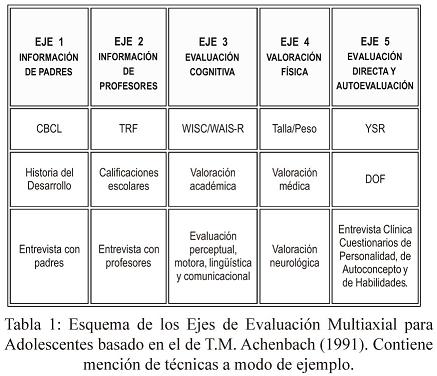
<body><![CDATA[<p class="western" style="margin: 5pt 134.25pt 0.0001pt 27pt; text-align: justify; text-indent: 14.2pt; line-height: 150%;"><span style="font-size: 12pt; line-height: 150%; font-family: Arial;" lang="ES-UY"><o:p>&nbsp;</o:p></span></p>          <p class="western" style="margin: 5pt 134.25pt 0.0001pt 27pt; text-align: justify; text-indent: 14.2pt; line-height: 150%;"><span style="font-size: 12pt; line-height: 150%; font-family: Arial;" lang="ES-UY">El Modelo de Evaluaci&oacute;n Multiaxial para adolescentes, incluye cinco ejes, seg&uacute;n se describen en el esquema que figura en la <a href="#t1"><u>Tabla 1</u></a>:<o:p></o:p></span></p>          <p class="western" style="margin: 5pt 134.25pt 0.0001pt 27pt; text-align: justify; text-indent: 14.2pt; line-height: 150%;"><span style="font-size: 12pt; line-height: 150%; font-family: Arial;" lang="ES-UY"><o:p>&nbsp;</o:p></span></p>          <p class="western" style="margin: 5pt 134.25pt 0.0001pt 27pt; text-align: justify; text-indent: 14.2pt; line-height: 150%;"><span style="font-size: 12pt; line-height: 150%; font-family: Arial;" lang="ES-UY"><o:p>&nbsp;</o:p></span></p>          <p class="western" style="margin: 5pt 134.25pt 0.0001pt 27pt; text-align: justify; text-indent: 14.2pt; line-height: 150%;"><a name="t1"></a><img style="border: 1px solid ; width: 437px; height: 376px;" alt="" src="/img/revistas/cp/v3n1/1a07t1.jpg"><span style="font-size: 12pt; line-height: 150%; font-family: Arial;" lang="ES-UY"><o:p></o:p></span></p>          <p class="western" style="margin: 5pt 134.25pt 0.0001pt 27pt; text-align: justify; line-height: 150%;"><span style="font-size: 12pt; line-height: 150%; font-family: Arial;" lang="ES-UY"><o:p>&nbsp;</o:p></span></p>          <p class="western" style="margin: 5pt 134.25pt 0.0001pt 27pt; text-align: justify; line-height: 150%;"><span style="font-size: 12pt; line-height: 150%; font-family: Arial;" lang="ES-UY"><o:p>&nbsp;</o:p></span></p>          <p class="western" style="margin: 5pt 134.25pt 0.0001pt 27pt; text-align: justify; text-indent: 14.2pt; line-height: 150%;"><span style="font-size: 12pt; line-height: 150%; font-family: Arial;" lang="ES-UY">Achenbach inicia su trabajo de investigaci&oacute;n, analizando las historias psiqui&aacute;tricas de ni&ntilde;os y ni&ntilde;as y en 1978, junto a Craig Edelbrock desarrollan el primero de los instrumentos del sistema, el Child Behavior Checklist para edades de entre 4-18 a&ntilde;os (CBCL/14-18), el que tendr&iacute;a repetidas revisiones y ajustes (<a href="#Achenbach11"><u>Achenbach, y Edelbrock</u></a>, 1987). <o:p></o:p></span></p>          <p class="western" style="margin: 5pt 134.25pt 0.0001pt 27pt; text-align: justify; text-indent: 14.2pt; line-height: 150%;"><span style="font-size: 12pt; line-height: 150%; font-family: Arial;" lang="ES-UY"><o:p>&nbsp;</o:p></span></p>          <p class="western" style="margin: 5pt 134.25pt 0.0001pt 27pt; text-align: justify; text-indent: 14.2pt; line-height: 150%;"><span style="font-size: 12pt; line-height: 150%; font-family: Arial;" lang="ES-UY">El segundo instrumento que editan es el Teacher Report Form (TRF, 1986) y en 1987, la primer versi&oacute;n del Youth Self Report (YSR). Conformando as&iacute; la trilog&iacute;a que, por a&ntilde;os, ser&aacute; la piedra angular del sistema; trilog&iacute;a que posibilita una aproximaci&oacute;n multi-informante, lo que facilita la obtenci&oacute;n de un m&aacute;s amplio espectro de informaci&oacute;n sobre las mismas &aacute;reas, complementario y diferencial. Se han mantenido con su estructura inicial, con algunos cambios tras las revisiones de 1991 y 2001 (<a href="#Achenbach7"><u></u></a><u><a name="Achenbach2001."></a>Achenbach y Rescorla</u>, 2001; <a href="#Ivanova"><u></u></a><u><a name="Ivanova2007."></a>Ivanova et al</u>, 2007). <o:p></o:p></span></p>          ]]></body>
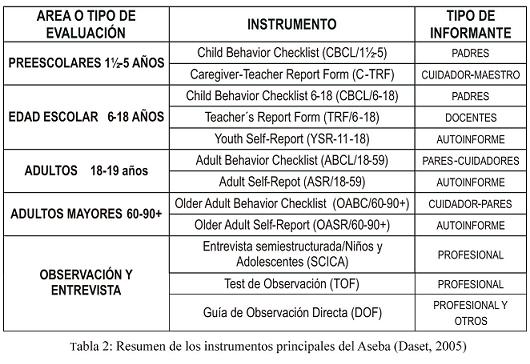
<body><![CDATA[<p class="western" style="margin: 2.85pt 134.25pt 0.0001pt 27pt; text-align: justify; text-indent: 14.2pt; line-height: 150%;"><span style="font-size: 12pt; line-height: 150%; font-family: Arial;" lang="ES-UY"><o:p>&nbsp;</o:p></span></p>          <p class="western" style="margin: 2.85pt 134.25pt 0.0001pt 27pt; text-align: justify; text-indent: 14.2pt; line-height: 150%;"><span style="font-size: 12pt; line-height: 150%; font-family: Arial;" lang="ES-UY">Posteriormente se fueron ampliando los &aacute;mbitos de aplicaci&oacute;n hasta llegar a completar una bater&iacute;a de instrumentos que recorre las etapas desde la lactancia hasta el adulto mayor, incluida una t&eacute;cnica de evaluaci&oacute;n paralela de otros informantes calificados ( en Daset, <a href="#Daset2"><u></u></a><u><a name="Daset1999."></a>1999</u>; <a href="#Daset5"><u></u></a><u><a name="Daset2002."></a>2002;</u> <a href="#Daset7"><u></u></a><u><a name="Daset2005."></a>2005</u>). <o:p></o:p></span></p>          <p class="western" style="margin: 5pt 134.25pt 0.0001pt 27pt; text-align: justify; text-indent: 14.2pt; line-height: 150%;"><span style="font-size: 12pt; line-height: 150%; font-family: Arial;" lang="ES-UY"><o:p>&nbsp;</o:p></span></p>          <p class="western" style="margin: 5pt 134.25pt 0.0001pt 27pt; text-align: justify; text-indent: 14.2pt; line-height: 150%;"><span style="font-size: 12pt; line-height: 150%; font-family: Arial;" lang="ES-UY"><o:p>&nbsp;</o:p></span></p>          <p class="western" style="margin: 5pt 134.25pt 0.0001pt 27pt; text-align: justify; text-indent: 14.2pt; line-height: 150%;"><span style="font-size: 12pt; line-height: 150%; font-family: Arial;" lang="ES-UY">En la <a href="#t2"><u>Tabla 2</u></a> se resumen los instrumentos principales del ASEBA.<o:p></o:p></span></p>          <p class="western" style="margin: 5pt 134.25pt 0.0001pt 27pt; text-align: justify; text-indent: 14.2pt; line-height: 150%;"><span style="font-size: 12pt; line-height: 150%; font-family: Arial;" lang="ES-UY"><o:p>&nbsp;</o:p></span></p>          <p class="western" style="margin: 5pt 134.25pt 0.0001pt 27pt; text-align: justify; text-indent: 14.2pt; line-height: 150%;"><span style="font-size: 12pt; line-height: 150%; font-family: Arial;" lang="ES-UY"><o:p>&nbsp;</o:p></span></p>          <p class="western" style="margin: 5pt 134.25pt 0.0001pt 27pt; text-align: justify; text-indent: 14.2pt; line-height: 150%;"><a name="t2"></a><img style="border: 1px solid ; width: 530px; height: 364px;" alt="" src="/img/revistas/cp/v3n1/1a07t2.jpg"><span style="font-size: 12pt; line-height: 150%; font-family: Arial;" lang="ES-UY"><o:p></o:p></span></p>          <p class="western" style="margin: 5pt 134.25pt 0.0001pt 27pt; text-align: justify; text-indent: 14.2pt; line-height: 150%;"><span style="font-size: 12pt; line-height: 150%; font-family: Arial;" lang="ES-UY"><o:p>&nbsp;</o:p></span></p>          <p class="western" style="margin: 5pt 134.25pt 0.0001pt 27pt; text-align: justify; text-indent: 14.2pt; line-height: 150%;"><span style="font-size: 12pt; line-height: 150%; font-family: Arial;" lang="ES-UY"><o:p>&nbsp;</o:p></span></p>          ]]></body>
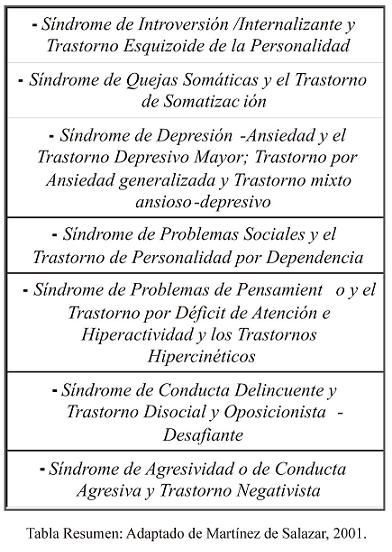
<body><![CDATA[<p class="western" style="margin: 2.85pt 134.25pt 0.0001pt 27pt; text-align: justify; text-indent: 14.2pt; line-height: 150%;"><span style="font-size: 12pt; line-height: 150%; font-family: Arial;" lang="ES-UY">Los resultados de m&uacute;ltiples estudios se resumen muy bien en la Estructura Factorial Com&uacute;n que se presenta en el 2001 (<a href="#Achenbach7"><u>Achenbach, Dumenci y Rescorla</u></a>): S. de Problemas Afectivos; S. de Ansiedad; S. de Problemas Som&aacute;ticos o Quejas Som&aacute;ticas ; S. de D&eacute;ficit de Atenci&oacute;n e Hiperactividad; S. Oposicionista Desafiante y S. de Problemas de Conducta; todos ellos presentes en el CBCL/6-18, TRF y YSR. En el a&ntilde;o 1991, Achenbach plantea una agrupaci&oacute;n sindr&ograve;mica &ndash;tambi&eacute;n com&uacute;n al CBCL/6-18, TRF y YSR que se estructura con el S. deAnsiedad-Depresi&oacute;n; S. de Retraimiento; S. de Quejas Som&aacute;ticas; S. de Conducta Delictiva; S. de Conducta Agresiva; S. de Problemas Sociales; S. de Alteraciones del Pensamiento y S. de Problemas de Atenci&oacute;n. <o:p></o:p></span></p>          <p class="western" style="margin: 2.85pt 134.25pt 0.0001pt 27pt; text-align: justify; text-indent: 14.2pt; line-height: 150%;"><span style="font-size: 12pt; line-height: 150%; font-family: Arial;" lang="ES-UY"><o:p>&nbsp;</o:p></span></p>          <p class="western" style="margin: 2.85pt 134.25pt 0.0001pt 27pt; text-align: justify; text-indent: 14.2pt; line-height: 150%;"><span style="font-size: 12pt; line-height: 150%; font-family: Arial;" lang="ES-UY">Para ambas estructuras centroides se excluyen los &iacute;tems que refieren a aspectos Prosociales o de Deseabilidad Social y solo se trabaja con los datos de los reactivos que buscan encuestar aspectos psicopatol&oacute;gicos o desadaptados.<o:p></o:p></span></p>          <p class="western" style="margin: 2.85pt 134.25pt 0.0001pt 27pt; text-align: justify; text-indent: 14.2pt; line-height: 150%;"><span style="font-size: 12pt; line-height: 150%; font-family: Arial;" lang="ES-UY"><o:p>&nbsp;</o:p></span></p>          <p class="western" style="margin: 5pt 134.25pt 0.0001pt 27pt; text-align: justify; text-indent: 14.2pt; line-height: 150%;"><span style="font-size: 12pt; line-height: 150%; font-family: Arial;" lang="ES-UY">En tanto los trabajos del equipo de Murcia se fueron incrementando y tambi&eacute;n enriqueciendo con otras pruebas de cribado, especialmente en lo que refiere a Personalidad y a comportamientos espec&iacute;ficos &ndash;delictivos, adicciones, etc.- (<a href="#Lopez5"><u>L&oacute;pez Soler, L&oacute;pez Pina y Garc&iacute;a Montalvo</u></a>, 1998; <a href="#Lopez3"><u></u></a><u><a name="L&oacute;pez1999."></a>L&oacute;pez Soler</u>, 1999; <a href="#Lopez3"><u>L&oacute;pez Soler, Hidalgo Montesinos, Freixinos y L&oacute;pez L&oacute;pez</u></a>, 1999; <a href="#Freixinos"><u></u></a><u><a name="Freixinos2000."></a>Freixinos Ros</u>, 2000; L&oacute;pez Soler y P&eacute;rez L&oacute;pez, 2000; <a href="#Martinez"><u></u></a><u><a name="Mart&iacute;nez2001."></a>Mart&iacute;nez de Salazar</u>, 2001; <a href="#Lopez1"><u></u></a><u><a name="L&oacute;pez2008."></a>L&oacute;pez L&oacute;pez y L&oacute;pez Soler</u>, 2008). <o:p></o:p></span></p>          <p class="western" style="margin: 5pt 134.25pt 0.0001pt 27pt; text-align: justify; text-indent: 14.2pt; line-height: 150%;"><span style="font-size: 12pt; line-height: 150%; font-family: Arial;" lang="ES-UY"><o:p>&nbsp;</o:p></span></p>          <p class="western" style="margin: 2.85pt 134.25pt 0.0001pt 27pt; text-align: justify; text-indent: 14.2pt; line-height: 150%;"><span style="font-size: 12pt; line-height: 150%; font-family: Arial;" lang="ES-UY">La estructura obtenida por el grupo de <a href="#Lopez5"><u>L&oacute;pez Soler y colaboradores</u></a> a partir del SYSR (1998) se configura con: S. de Depresi&oacute;n-Ansiedad; S. de Agresividad; S. Infrasocializado no agresivo; S. de Conducta Delictiva; S. de Quejas Som&aacute;ticas, S. de B&uacute;squeda de Atenci&oacute;n; S. de Problemas de Pensamiento; S. de Problemas en las Relaciones Sociales; S. de Hiperactividad y D&eacute;ficit Atencional y S. de Consumo de Sustancia-Problemas de Identificaci&oacute;n Sexual. Los S&iacute;ndromes descritos por Achenbach y colaboradores son comparados con las categor&iacute;as diagn&oacute;sticas DSM-IV y CIE-10, como se expresa en la Tabla Resumen (<a href="#Martinez"><u>Mart&iacute;nez Salazar</u></a>, 2001).En este orden de cosas y atendiendo a la compartida idea de necesidad que se delinea desde tan diversos &aacute;mbitos y autores, el prop&oacute;sito de este trabajo es el de presentar un acercamiento al tema de la evaluaci&oacute;n &ndash;con un sistema de clasificaci&oacute;n de sustento- a partir de los resultados de un estudio realizado en Uruguay con uno de los instrumentos del ASEBA en la versi&oacute;n de <a href="#Lemos"><u></u></a><u><a name="Lemos1992."></a>Lemos Fidalgo, Calvo y Men&eacute;ndez</u> (1992) en un grupo de adolescentes. Espec&iacute;ficamente, el objetivo es conocer la estructura factorial del YSR en una poblaci&oacute;n de adolescentes uruguayos y elaborar una Taxonom&iacute;a de base emp&iacute;rica que se exprese en S&iacute;ndromes, a partir del an&aacute;lisis del YSR seg&uacute;n sexo y grupos de edad, as&iacute; como analizar las estructuras espec&iacute;ficas con el fin de determinan si existen s&iacute;ndromes comunes. <o:p></o:p></span></p>          <p style="margin: 5pt 134.25pt 0.0001pt 27pt; text-align: justify; line-height: 150%;"><span style="font-family: Arial;" lang="ES-UY"><o:p>&nbsp;</o:p></span></p>          <p style="margin: 5pt 134.25pt 0.0001pt 27pt; text-align: justify; line-height: 150%;"><span style="font-family: Arial;" lang="ES-UY"><a href="../../../../../img/revistas/cp/v3n1/1a07tre.jpg"><u>Tabla resumen:</u></a> Adaptado de <a href="#Martinez"><u>Mart&iacute;nez de Salazar</u></a>, 2001.<o:p></o:p></span></p>          <p style="margin: 5pt 134.25pt 0.0001pt 27pt; text-align: justify; line-height: 150%;"><span style="font-family: Arial;" lang="ES-UY"><o:p>&nbsp;</o:p></span></p>          ]]></body>
<body><![CDATA[<p style="margin: 5pt 134.25pt 0.0001pt 27pt; text-align: justify; line-height: 150%;"><b><span style="font-family: Arial;" lang="ES-UY">METODOLOG&Iacute;A</span></b><span style="font-family: Arial;" lang="ES-UY"><o:p></o:p></span></p>          <p style="margin: 5pt 134.25pt 0.0001pt 27pt; text-align: justify; line-height: 150%;"><b><span style="font-family: Arial;" lang="ES-UY">Sujetos</span></b><span style="font-family: Arial;" lang="ES-UY"><o:p></o:p></span></p>          <p style="margin: 5.65pt 134.25pt 0.0001pt 27pt; text-align: justify; text-indent: 14.2pt; line-height: 150%;"><span style="font-family: Arial;" lang="ES-UY">La poblaci&oacute;n del estudio estuvo constituida por 374 adolescentes de entre 12 y 19 a&ntilde;os &ndash; quienes completaron los instrumentos de evaluaci&oacute;n-, El 41% pertenecen al sexo masculino y 59% al sexo femenino. La Media de Edad es de 14.7; en tanto para sexo femenino es de 14.7 y para sexo masculino es de 14.8. <o:p></o:p></span></p>          <p style="margin: 5.65pt 134.25pt 0.0001pt 27pt; text-align: justify; text-indent: 14.2pt; line-height: 150%;"><span style="font-family: Arial;" lang="ES-UY"><o:p>&nbsp;</o:p></span></p>          <p style="margin: 5pt 134.25pt 0.0001pt 27pt; text-align: justify; text-indent: 14.2pt; line-height: 150%;"><span style="font-family: Arial;" lang="ES-UY">La instituci&oacute;n educativa, de nivel secundario, privado, fue seleccionada por conveniencia. Se enclava geogr&aacute;ficamente en el &aacute;rea urbana, de la ciudad capital del pa&iacute;s; el nivel socio-econ&oacute;mico es medio y medio b&aacute;jo seg&uacute;n par&aacute;metro est&aacute;ndar y datos censales (<a href="#ANEP"><u></u></a><u><a name="ANEP2004."></a>ANEP</u>, 2004).<o:p></o:p></span></p>          <p style="margin: 5pt 134.25pt 0.0001pt 27pt; text-align: justify; line-height: 150%;"><span style="font-family: Arial;" lang="ES-UY"><o:p>&nbsp;</o:p></span></p>          <p style="margin: 5pt 134.25pt 0.0001pt 27pt; text-align: justify; line-height: 150%;"><b><span style="font-family: Arial;" lang="ES-UY">Instrumentos</span></b><span style="font-family: Arial;" lang="ES-UY"><o:p></o:p></span></p>          <p style="margin: 5.65pt 134.25pt 0.0001pt 27pt; text-align: justify; text-indent: 11.35pt; line-height: 150%;"><span style="font-family: Arial;" lang="ES-UY">Autoinforme para J&oacute;venes (YSR, <a href="#Achenbach14"><u></u></a><u><a name="Achenbach2007."></a>Achenbach y Edelbrock</u>, 1987; Achenbach, <a href="#Achenbach15"><u></u></a><u><a name="Achenbach1991."></a>1991 a</u>, <a href="#Achenbach7"><u>2001</u></a>). en la adaptaci&oacute;n espa&ntilde;ola de <a href="#Lemos"><u>Lemos, Fidalgo, Clavo y Men&eacute;ndez</u></a> (1992). La versi&oacute;n espa&ntilde;ola fue adaptada ling&uuml;&iacute;sticamente al espa&ntilde;ol para Uruguay (Versi&oacute;n para Uruguay- SYSR-VU-, <a href="#Daset2"><u>Daset</u></a>, 1999). Los ajustes ling&uuml;&iacute;sticos fueron menores y se realizaron luego de un estudio piloto con j&oacute;venes de edades entre 12 y 18 a&ntilde;os, ambos sexos. Un ejemplo de los ajustes realizados, en el &iacute;tems 7 de la 3&ordf;. Secci&oacute;n, es el siguiente: Versi&oacute;n espa&ntilde;ola &ldquo;Eres un poco chuleta&rdquo;; en la Versi&oacute;n para Uruguay qued&oacute; como &ldquo;Eres un poco engre&iacute;do/a, compadre&rdquo;. Se us&oacute; tambi&eacute;n traducci&oacute;n inversa del ingl&eacute;s, revisando adem&aacute;s las traducciones que se hab&iacute;an hecho al  alem&aacute;n y franc&eacute;s y las propias al espa&ntilde;ol en uso en Estados Unidos. El instrumento consta de 3 secciones:<o:p></o:p></span></p>          <p style="margin: 5.65pt 134.25pt 0.0001pt 27pt; text-align: justify; text-indent: 11.35pt; line-height: 150%;"><span style="font-family: Arial;" lang="ES-UY"><o:p>&nbsp;</o:p></span></p>          <p style="margin: 1.4pt 134.25pt 0.0001pt 27pt; text-align: justify; line-height: 150%;"><span style="font-family: Arial;" lang="ES-UY">Secci&oacute;n 1: Datos generales, sociodemogr&aacute;ficos y acad&eacute;micos; como edad, sexo, nivel educativo y actividad de cada uno de los progenitores, conformaci&oacute;n del grupo familiar, as&iacute; como, grado que cursa, orientaci&oacute;n &ndash;si fuere del caso-, aplazamientos en primaria y secundaria, &aacute;reas acad&eacute;micas de preferencias y rendimiento autopercibido, etc.)<o:p></o:p></span></p>          ]]></body>
<body><![CDATA[<p style="margin: 1.4pt 134.25pt 0.0001pt 27pt; text-align: justify; line-height: 150%;"><span style="font-family: Arial;" lang="ES-UY">Secci&oacute;n 2: Aspectos pro-sociales, como por ejemplo v&iacute;nculos con pares &ndash;cantidad y tipo de relaci&oacute;n-, actividades de tiempo libre, deportes, pertenencia a grupos, actividades en el hogar, etc.<o:p></o:p></span></p>          <p style="margin: 1.4pt 134.25pt 0.0001pt 27pt; text-align: justify; line-height: 150%;"><span style="font-family: Arial;" lang="ES-UY">Secci&oacute;n 3: Tiene como objetivo encuestar comportamientos, pensamientos y emociones de los j&oacute;venes, a partir de un listado de comportamientos desadaptados y otros &iacute;tems referidos a aspectos adaptativos; cubre un amplio espectro de los mismos. <o:p></o:p></span></p>          <p style="margin: 1.4pt 134.25pt 0.0001pt 27pt; text-align: justify; line-height: 150%;"><span style="font-family: Arial;" lang="ES-UY"><o:p>&nbsp;</o:p></span></p>          <p style="margin: 5pt 134.25pt 0.0001pt 27pt; text-align: justify; text-indent: 14.2pt; line-height: 150%;"><span style="font-family: Arial;" lang="ES-UY">La estructura general del Autoinforme supone una valoraci&oacute;n por grados, siendo &eacute;stos entendidos como, la medida en que el fen&oacute;meno encuestado se presenta en la poblaci&oacute;n. En la versi&oacute;n original, los grados est&aacute;n dados por una escala tipo Lickert, donde cada &iacute;tems puede ser respondido en alguna de los siguientes tres niveles: 0 = No verdadero o Falso; 1 = Algo o Algunas Veces y 2 = Verdadero o La Mayor&iacute;a de las veces. En la Versi&oacute;n para Uruguay se tom&oacute; como referencia la propuesta de <a href="#Lopez6"><u>L&oacute;pez Soler et al</u></a> (1998) de una Lickert de 5 grados.<o:p></o:p></span></p>          <p style="margin: 5pt 134.25pt 0.0001pt 27pt; text-align: justify; text-indent: 14.2pt; line-height: 150%;"><span style="font-family: Arial;" lang="ES-UY"><o:p>&nbsp;</o:p></span></p>          <p style="margin: 5pt 134.25pt 0.0001pt 27pt; text-align: justify; line-height: 150%;"><span style="font-family: Arial;" lang="ES-UY">Los &iacute;tems indagan sobre: &ldquo;sentirse solo&rdquo;; &ldquo;sentir que no le quieren&rdquo;;&rdquo; pensar que los dem&aacute;s le quieren perjudicar&rdquo;;&rdquo;disfrutar de una buena broma o chiste&rdquo;; &ldquo;hacer valer sus derechos&rdquo;; tener miedo a pensar o hacer algo malo&rdquo;, etc. <o:p></o:p></span></p>          <p style="margin: 5pt 134.25pt 0.0001pt 27pt; text-align: justify; line-height: 150%;"><span style="font-family: Arial;" lang="ES-UY"><o:p>&nbsp;</o:p></span></p>          <p style="margin: 5pt 134.25pt 0.0001pt 27pt; text-align: justify; line-height: 150%;"><b><span style="font-family: Arial;" lang="ES-UY">Procedimiento</span></b><span style="font-family: Arial;" lang="ES-UY"><o:p></o:p></span></p>          <p style="margin: 5.65pt 134.25pt 0.0001pt 27pt; text-align: justify; text-indent: 14.2pt; line-height: 150%;"><span style="font-family: Arial;" lang="ES-UY">El procedimiento de administraci&oacute;n del Autoinforme es grupal &ndash;grupos de aproximadamente 20 j&oacute;venes, de ambos sexos-, en el intervalo de una semana, previa gesti&oacute;n en la instituci&oacute;n y obtenci&oacute;n del consentimiento informado a padres. Se explicita a los j&oacute;venes que la participaci&oacute;n es voluntaria y la respuesta es con identidad reservada &ndash;sistema de doble sobre lacrado-, la identificaci&oacute;n para todo el estudio es num&eacute;rica.<o:p></o:p></span></p>          <p style="margin: 5.65pt 134.25pt 0.0001pt 27pt; text-align: justify; text-indent: 14.2pt; line-height: 150%;"><span style="font-family: Arial;" lang="ES-UY"><o:p>&nbsp;</o:p></span></p>          ]]></body>
<body><![CDATA[<p style="margin: 5pt 134.25pt 0.0001pt 27pt; text-align: justify; line-height: 150%;"><span style="font-family: Arial;" lang="ES-UY">Se realiza evaluaci&oacute;n de la administraci&oacute;n a trav&eacute;s de diferentes criterios establecidos de antemano como, porcentaje de concurrencia sobre el total de la plantilla de alumnos; cantidad de cuestionarios respondidos sobre el total, as&iacute; como, cantidad de &iacute;tems respondidos y nivel de ajuste de las respuestas.<o:p></o:p></span></p>          <p style="margin: 5pt 134.25pt 0.0001pt 27pt; text-align: justify; text-indent: 14.2pt; line-height: 150%;"><span style="font-family: Arial;" lang="ES-UY">Los cuestionarios fueron administrados por profesionales psic&oacute;logos y estudiantes avanzados, entrenados en las normas de administraci&oacute;n de esta prueba y en trabajo con grupos. Un 95.4% del universo en estudio complet&oacute; los cuestionarios; las deserciones obedecieron a inasistencias por enfermedad -3.2%- y en los otros casos a la renuencia a participar.<o:p></o:p></span></p>          <p style="margin: 5pt 134.25pt 0.0001pt 27pt; text-align: justify; line-height: 150%;"><span style="font-family: Arial;" lang="ES-UY"><o:p>&nbsp;</o:p></span></p>          <p style="margin: 5pt 134.25pt 0.0001pt 27pt; text-align: justify; line-height: 150%;"><b><span style="font-family: Arial;" lang="ES-UY">An&aacute;lisis estad&iacute;sticos</span></b><span style="font-family: Arial;" lang="ES-UY"><o:p></o:p></span></p>          <p style="margin: 5.65pt 134.25pt 0.0001pt 27pt; text-align: justify; text-indent: 14.2pt; line-height: 150%;"><span style="font-family: Arial;" lang="ES-UY">Los procedimientos estad&iacute;sticos utilizados para el an&aacute;lisis de los datos recogidos fueron: <o:p></o:p></span></p>          <p style="margin: 2.85pt 134.25pt 0.0001pt 27pt; text-align: justify; line-height: 150%;"><span style="font-family: Arial;" lang="ES-UY">a) an&aacute;lisis descriptivos, con la finalidad de conocer la distribuci&oacute;n en sexo y edad de la poblaci&oacute;n; <o:p></o:p></span></p>          <p style="margin: 2.85pt 134.25pt 0.0001pt 27pt; text-align: justify; line-height: 150%;"><span style="font-family: Arial;" lang="ES-UY">b) reducci&oacute;n de datos y an&aacute;lisis de la dimensionalidad, a trav&eacute;s del An&aacute;lisis de Componentes Principales de 1er. Orden; con el mismo se obtuvieron los S&iacute;ndromes de Banda Estrecha para los criterios de Eigenvalue = 1 y selecci&oacute;n de pesos factoriales &ge;.30 (<a href="#Comrey"><u></u></a><u><a name="Comrey1988."></a>Comrey</u>, 1988); con una Rotaci&oacute;n Ortogonal de tipo Varimax; <o:p></o:p></span></p>          <p style="margin: 2.85pt 134.25pt 0.0001pt 27pt; text-align: justify; line-height: 150%;"><span style="font-family: Arial;" lang="ES-UY">c) an&aacute;lisis de la dimensionalidad en funci&oacute;n de las variables sexo y edad;<o:p></o:p></span></p>          <p style="margin: 2.85pt 134.25pt 0.0001pt 27pt; text-align: justify; line-height: 150%;"><span style="font-family: Arial;" lang="ES-UY">d) estudio de la fiabilidad, a trav&eacute;s del Coeficiente de Cronbach. <o:p></o:p></span></p>          <p style="margin: 2.85pt 134.25pt 0.0001pt 27pt; text-align: justify; text-indent: 11.35pt; line-height: 150%;"><span style="font-family: Arial;" lang="ES-UY"><o:p>&nbsp;</o:p></span></p>          ]]></body>
<body><![CDATA[<p style="margin: 2.85pt 134.25pt 0.0001pt 27pt; text-align: justify; text-indent: 11.35pt; line-height: 150%;"><span style="font-family: Arial;" lang="ES-UY">En el an&aacute;lisis de la dimensionalidad, una vez seleccionada la estructura general para 10 Factores, se indag&oacute; sobre: qu&eacute; &iacute;tems cargaban en cada Factor, cu&aacute;nto y el sentido de esa carga, de esta fase surgen los S&iacute;ndromes Emp&iacute;ricos generales. <o:p></o:p></span></p>          <p style="margin: 2.85pt 134.25pt 0.0001pt 27pt; text-align: justify; text-indent: 11.35pt; line-height: 150%;"><span style="font-family: Arial;" lang="ES-UY"><o:p>&nbsp;</o:p></span></p>          <p style="margin: 2.85pt 134.25pt 0.0001pt 27pt; text-align: justify; text-indent: 11.35pt; line-height: 150%;"><span style="font-family: Arial;" lang="ES-UY">Posteriormente se desarroll&oacute; un estudio comparativo con los hallazgos de <a href="#Achenbach1"><u>Achenbach et al</u></a> (1991) y los de <a href="#Lopez6"><u>L&oacute;pez Soler et al</u></a> (1998). En segunda instancia se analiz&oacute; cada &iacute;tems, en una lectura de tipo transversal, procurando conocer su comportamiento en el total del instrumento. <o:p></o:p></span></p>          <p style="margin: 2.85pt 134.25pt 0.0001pt 27pt; text-align: justify; text-indent: 11.35pt; line-height: 150%;"><span style="font-family: Arial;" lang="ES-UY"><o:p>&nbsp;</o:p></span></p>          <p style="margin: 2.85pt 134.25pt 0.0001pt 27pt; text-align: justify; text-indent: 11.35pt; line-height: 150%;"><span style="font-family: Arial;" lang="ES-UY">El an&aacute;lisis de la dimensionalidad seg&uacute;n las variables sexo y edad, se orient&oacute; a la b&uacute;squeda de similitudes y diferencias, para lo que se realizaron sendos estudios factoriales, al igual que para los grupos de edad, menor de 15 a&ntilde;os &ndash; de 12 a 14 a&ntilde;os 11 meses 29 d&iacute;as- y con edad igual o mayor a 15 a&ntilde;os &ndash; 15 a 19 a&ntilde;os-.<o:p></o:p></span></p>          <p style="margin: 2.85pt 134.25pt 0.0001pt 27pt; text-align: justify; text-indent: 11.35pt; line-height: 150%;"><span style="font-family: Arial;" lang="ES-UY"><o:p>&nbsp;</o:p></span></p>          <p style="margin: 2.85pt 134.25pt 0.0001pt 27pt; text-align: justify; text-indent: 11.35pt; line-height: 150%;"><span style="font-family: Arial;" lang="ES-UY">Una tercera fase lo constituye la conformaci&oacute;n de los S&iacute;ndromes de Centro (Core Syndrome de Achenbach), los que se obtienen a partir de las estructuras por sexo, con aquellos S&iacute;ndrome que tienen una coincidencia en m&aacute;s del 50% de sus &iacute;tems.<o:p></o:p></span></p>          <p style="margin: 2.85pt 134.25pt 0.0001pt 27pt; text-align: justify; text-indent: 11.35pt; line-height: 150%;"><span style="font-family: Arial;" lang="ES-UY"><o:p>&nbsp;</o:p></span></p>          <p style="margin: 5pt 134.25pt 0.0001pt 27pt; text-align: justify; text-indent: 11.35pt; line-height: 150%;"><span style="font-family: Arial;" lang="ES-UY">Las bases de datos utilizadas son: APA; Medline; EBSCO; Humanities y la propia base de trabajos de investigaci&oacute;n conformada por el autor; adem&aacute;s de publicaciones especializadas espec&iacute;ficas.<o:p></o:p></span></p>          <p style="margin: 5pt 134.25pt 0.0001pt 27pt; text-align: justify; text-indent: 11.35pt; line-height: 150%;"><span style="font-family: Arial;" lang="ES-UY"><o:p>&nbsp;</o:p></span></p>          ]]></body>
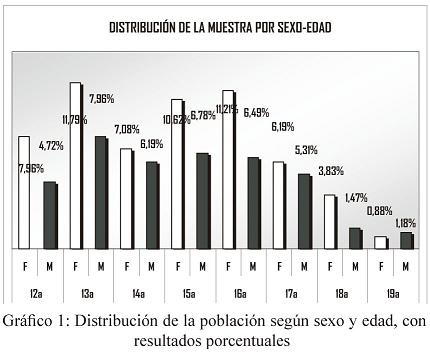
<body><![CDATA[<p style="margin: 5pt 134.25pt 0.0001pt 27pt; text-align: justify; text-indent: 11.35pt; line-height: 150%;"><span style="font-family: Arial;" lang="ES-UY">La gesti&oacute;n de los datos se realiza por medio de la construcci&oacute;n de una base de datos. <o:p></o:p></span></p>          <p style="margin: 5pt 134.25pt 0.0001pt 27pt; text-align: justify; text-indent: 11.35pt; line-height: 150%;"><span style="font-family: Arial;" lang="ES-UY"><o:p>&nbsp;</o:p></span></p>          <p style="margin: 2.85pt 134.25pt 0.0001pt 27pt; text-align: justify; text-indent: 11.35pt; line-height: 150%;"><span style="font-family: Arial;" lang="ES-UY">El paquete estad&iacute;stico de soporte para los an&aacute;lisis, es el provisto por el SYSTAT en su Sexta Versi&oacute;n (<a href="#Wilkinson"><u></u></a><u><a name="Wilkinson1993."></a>Wilkinson</u>, 1993) y el SPSS (<a href="#Norusis"><u></u></a><u><a name="Norusis2000."></a>Norusis</u>, 2000) en su versi&oacute;n N&deg;10.<o:p></o:p></span></p>          <p style="margin: 5pt 134.25pt 0.0001pt 27pt; text-align: justify; line-height: 150%;"><span style="font-family: Arial;" lang="ES-UY"><o:p>&nbsp;</o:p></span></p>          <p style="margin: 5pt 134.25pt 0.0001pt 27pt; text-align: justify; line-height: 150%;"><b><span style="font-family: Arial;" lang="ES-UY">RESULTADOS Y DISCUSI&Oacute;N</span></b><span style="font-family: Arial;" lang="ES-UY"><o:p></o:p></span></p>          <p style="margin: 5pt 134.25pt 0.0001pt 27pt; text-align: justify; line-height: 150%;"><span style="font-family: Arial;" lang="ES-UY"><o:p>&nbsp;</o:p></span></p>          <p style="margin: 5pt 134.25pt 0.0001pt 27pt; text-align: justify; text-indent: 14.2pt; line-height: 150%;"><span style="font-family: Arial;" lang="ES-UY">Los procedimientos de an&aacute;lisis descriptivo seg&uacute;n sexo y edad muestran la distribuci&oacute;n que se muestra en el <a href="#g1"><u>Gr&aacute;fico 1</u></a>. Con un m&iacute;nimo de 12 a&ntilde;os y un m&aacute;ximo de 19, para un 41% de j&oacute;venes de sexo masculino y 59% para femenino.</span></p>          <p style="margin: 5pt 134.25pt 0.0001pt 27pt; text-align: justify; text-indent: 14.2pt; line-height: 150%;"><span style="font-family: Arial;" lang="ES-UY"><o:p>&nbsp;</o:p></span></p>          <p style="margin: 5pt 134.25pt 0.0001pt 27pt; text-align: justify; text-indent: 14.2pt; line-height: 150%;"><span style="font-family: Arial;" lang="ES-UY"><o:p>&nbsp;</o:p></span></p>          <p style="margin: 5pt 134.25pt 0.0001pt 27pt; text-align: justify; text-indent: 14.2pt; line-height: 150%;"><a name="g1"></a><img style="border: 1px solid ; width: 430px; height: 354px;" alt="" src="/img/revistas/cp/v3n1/1a07g1.jpg"><span style="font-family: Arial;" lang="ES-UY"><o:p></o:p></span></p>          ]]></body>
<body><![CDATA[<p style="margin: 8.5pt 134.25pt 0.0001pt 27pt; text-align: justify; line-height: 150%;"><b><span style="font-family: Arial;" lang="ES-UY"><o:p>&nbsp;</o:p></span></b></p>          <p style="margin: 8.5pt 134.25pt 0.0001pt 27pt; text-align: justify; line-height: 150%;"><b><span style="font-family: Arial;" lang="ES-UY"><o:p>&nbsp;</o:p></span></b></p>          <p style="margin: 8.5pt 134.25pt 0.0001pt 27pt; text-align: center; line-height: 150%;" align="center"><b><span style="font-family: Arial;" lang="ES-UY">ESTRUCTURA TAXON&Oacute;MICA Y CORE SYNDROMES</span></b><span style="font-family: Arial;" lang="ES-UY"><o:p></o:p></span></p>          <p style="margin: 5pt 134.25pt 0.0001pt 27pt; text-align: justify; text-indent: 14.2pt; line-height: 150%;"><span style="font-family: Arial;" lang="ES-UY"><o:p>&nbsp;</o:p></span></p>          <p style="margin: 5pt 134.25pt 0.0001pt 27pt; text-align: justify; text-indent: 14.2pt; line-height: 150%;"><span style="font-family: Arial;" lang="ES-UY">Se realizaron diferentes An&aacute;lisis de Componentes Principales exploratorios y se seleccionaron, para su estudio, las soluciones para 8, 9 y 10 factores, por la similitud de conformaci&oacute;n de muchos de sus Taxones &ndash;entre s&iacute;- y con otros estudios. A&uacute;n m&aacute;s, se aproxim&oacute; el an&aacute;lisis a las estructuras de entre 8 y 12, todo lo que es coincidente con la Regla de Scree Plot (Hullin, Drasgow y Pearson, 1983; en <a href="#Lopez2"><u></u></a><u><a name="L&oacute;pez1994."></a>L&oacute;pez e Hidalgo</u>, 1994).<o:p></o:p></span></p>          <p style="margin: 5pt 134.25pt 0.0001pt 27pt; text-align: justify; text-indent: 14.2pt; line-height: 150%;"><span style="font-family: Arial;" lang="ES-UY"><o:p>&nbsp;</o:p></span></p>          <p style="margin: 5pt 134.25pt 0.0001pt 27pt; text-align: justify; text-indent: 14.2pt; line-height: 150%;"><span style="font-family: Arial;" lang="ES-UY">Considerados los criterios estad&iacute;sticos y cl&iacute;nicos, la elecci&oacute;n recay&oacute; sobre la estructura de 10 factores, con una Varianza de 43.72, que explica un 35.83% del porcentaje total de la Varianza. <o:p></o:p></span></p>          <p style="margin: 5pt 134.25pt 0.0001pt 27pt; text-align: justify; text-indent: 14.2pt; line-height: 150%;"><span style="font-family: Arial;" lang="ES-UY"><o:p>&nbsp;</o:p></span></p>          <p style="margin: 5pt 134.25pt 0.0001pt 27pt; text-align: justify; text-indent: 14.2pt; line-height: 150%;"><span style="font-family: Arial;" lang="ES-UY">Esta estructura recoge la matriz general del estudio, con toda la poblaci&oacute;n. <o:p></o:p></span></p>          <p style="margin: 5pt 134.25pt 0.0001pt 27pt; text-align: justify; text-indent: 14.2pt; line-height: 150%;"><span style="font-family: Arial;" lang="ES-UY"><o:p>&nbsp;</o:p></span></p>          ]]></body>
<body><![CDATA[<p style="margin: 5pt 134.25pt 0.0001pt 27pt; text-align: justify; text-indent: 14.2pt; line-height: 150%;"><span style="font-family: Arial;" lang="ES-UY">En la <a href="#t3"><u>Tabla 3</u></a> se presentan los S&iacute;ndromes de Centro o Core Syndromes.<o:p></o:p></span></p>          <p style="margin: 5pt 134.25pt 0.0001pt 27pt; text-align: justify; text-indent: 14.2pt; line-height: 150%;"><span style="font-family: Arial;" lang="ES-UY"><o:p>&nbsp;</o:p></span></p>          <p style="margin: 5pt 134.25pt 0.0001pt 27pt; text-align: justify; text-indent: 14.2pt; line-height: 150%;"><span style="font-family: Arial;" lang="ES-UY"><o:p>&nbsp;</o:p></span></p>          <p style="margin: 5pt 134.25pt 0.0001pt 27pt; text-align: justify; text-indent: 14.2pt; line-height: 150%;"><a name="t3"></a><img style="border: 1px solid ; width: 435px; height: 286px;" alt="" src="/img/revistas/cp/v3n1/1a07t3.jpg"><span style="font-family: Arial;" lang="ES-UY"><o:p></o:p></span></p>          <p style="margin: 5pt 134.25pt 0.0001pt 27pt; text-align: justify; text-indent: 14.2pt; line-height: 150%;"><span style="font-family: Arial;" lang="ES-UY"><o:p>&nbsp;</o:p></span></p>          <p style="margin: 5pt 134.25pt 0.0001pt 27pt; text-align: justify; text-indent: 14.2pt; line-height: 150%;"><span style="font-family: Arial;" lang="ES-UY"><o:p>&nbsp;</o:p></span></p>          <p style="margin: 2.85pt 134.25pt 0.0001pt 27pt; text-align: justify; text-indent: 14.2pt; line-height: 150%;"><span style="font-family: Arial;" lang="ES-UY">Las agrupaciones sindr&oacute;micas guardan un nivel alto de coincidencia con los hallazgos de <a href="#Achenbach1"><u>Achenbach et al</u></a> (1991b) y los de <a href="#Lopez6"><u>L&oacute;pez Soler et al</u></a> (1998), no obstante los factores extra&iacute;dos fueron diferentes para el primer caso (8 en <a href="#Achenbach1"><u>Achenbach</u></a>, 1991b). <o:p></o:p></span></p>          <p style="margin: 2.85pt 134.25pt 0.0001pt 27pt; text-align: justify; text-indent: 14.2pt; line-height: 150%;"><span style="font-family: Arial;" lang="ES-UY"><o:p>&nbsp;</o:p></span></p>          <p style="margin: 2.85pt 134.25pt 0.0001pt 27pt; text-align: justify; text-indent: 14.2pt; line-height: 150%;"><span style="font-family: Arial;" lang="ES-UY">Los S&iacute;ndromes extra&iacute;dos son:<o:p></o:p></span></p>          <p style="margin: 2.85pt 134.25pt 0.0001pt 27pt; text-align: justify; text-indent: 14.2pt; line-height: 150%;"><span style="font-family: Arial;" lang="ES-UY"><o:p>&nbsp;</o:p></span></p>          ]]></body>
<body><![CDATA[<p style="margin: 5pt 134.25pt 0.0001pt 27pt; text-align: justify; line-height: 150%;"><span style="font-family: Arial;" lang="ES-UY">- <b>S&iacute;ndrome de Depresi&oacute;n-Ansiedad,</b> con &eacute;nfasis en los componentes de tipo depresivo, acompa&ntilde;ado de alg&uacute;n elemento de alteraci&oacute;n del pensamiento y de comportamiento de tipo confuso e impulsividad. Es altamente coincidente con los hallazgos de los trabajos de referencia y con otros de m&aacute;s reciente realizaci&oacute;n (<a name="Ferdinand2008."></a><a href="#Ferdinand1"><u>Ferdinand</u></a>, 2008; Najman et al, 2008; <a name="Kapi2007."></a><a href="#Kapi"><u>Kapi</u></a> et al, 2007).<o:p></o:p></span></p>          <p style="margin: 5pt 134.25pt 0.0001pt 27pt; text-align: justify; line-height: 150%;"><span style="font-family: Arial;" lang="ES-UY"><o:p>&nbsp;</o:p></span></p>          <p style="margin: 5pt 134.25pt 0.0001pt 27pt; text-align: justify; line-height: 150%;"><span style="font-family: Arial;" lang="ES-UY">- <b>S&iacute;ndrome Prosocial,</b> que re&uacute;ne los &iacute;tems de la Escala de Deseabilidad Social de <a href="#Achenbach1"><u>Achenbach</u></a> et al (1991) y muchos de los que conforman el S. Infrasocializado no agresivo de <a href="#Lopez6"><u>L&oacute;pez Soler et al</u></a> (1998). Se caracteriza por tener dos agrupaciones diferenciales, la primera que contiene a los &iacute;tems con mayor peso factorial es netamente prosocial, en tanto en un segundo plano y con pesos entre .20 y .30, se agrupan &iacute;tems del tipo que refiere al Llamado de Atenci&oacute;n de <a href="#Lopez6"><u>L&oacute;pez Soler et al</u></a> (1998). En este S&iacute;ndrome, surge la interrogante del peso que podr&iacute;a haber tenido el tipo de instituci&oacute;n a la que asisten los j&oacute;venes o si es parte de los valores compartidos por el universo en estudio. Al no contarse con estudios comparativos anteriores, se deja planteada la pregunta para los trabajos que se vienen desarrollando en el pa&iacute;s; a la espera tambi&eacute;n de analizar el valor que los mismos puedan tener como Factores de Protecci&oacute;n.<o:p></o:p></span></p>          <p style="margin: 5pt 134.25pt 0.0001pt 27pt; text-align: justify; line-height: 150%;"><span style="font-family: Arial;" lang="ES-UY"><o:p>&nbsp;</o:p></span></p>          <p style="margin: 5pt 134.25pt 0.0001pt 27pt; text-align: justify; line-height: 150%;"><span style="font-family: Arial;" lang="ES-UY">- <b>S&iacute;ndrome Disocial,</b> con el que se encuentran las mayores coincidencias con los hallazgos de <a href="#Lopez6"><u>L&oacute;pez Soler et al</u></a> (1998), en el S&iacute;ndrome de Agresividad y con los de Comportamiento Agresivo y Comportamiento Delictivo de <a name="Achenbach1998."></a><a href="#Achenbach10"><u>Achenbach et al</u></a> (1998) y con el de Problemas de Conducta del mismo autor, en los S&iacute;ndromes Integrados con DSM-IV (<a href="#Achenbach6"><u></u></a><u><a name="Achenbach2000."></a>Achenbach et al</u>, 2000; <a href="#Vreugdenhil"><u></u></a><u><a name="Vreugdenhil2006."></a>Vreugdenhil et al</u>, 2006). Esta agrupaci&oacute;n y en la misma l&iacute;nea argumental planteada en las limitaciones instrumentales, se ver&iacute;a m&aacute;s expuesta a sesgos culturales y a&uacute;n por el peso de la subcultura adolescente, no obstante lo cual la coincidencia de los hallazgos es significativa y especialmente en lo concerniente a la heteroagresi&oacute;n y la antisocialidad como elementos comunes transculturalmente. Los &iacute;tems que refieren a la heteroagresi&oacute;n y los que netamente suponen un comportamiento delictivo podr&iacute;an ser incluidos como Predictores de valor alto los primeros y medio los segundos; otros estudios tambi&eacute;n contienen similitudes (<a href="#Lopez1"><u>L&oacute;pez L&oacute;pez y L&oacute;pez Soler</u></a>, 2008). <o:p></o:p></span></p>          <p style="margin: 5pt 134.25pt 0.0001pt 27pt; text-align: justify; line-height: 150%;"><span style="font-family: Arial;" lang="ES-UY"><o:p>&nbsp;</o:p></span></p>          <p style="margin: 5pt 134.25pt 0.0001pt 27pt; text-align: justify; line-height: 150%;"><span style="font-family: Arial;" lang="ES-UY">- <b>S&iacute;ndrome de Oposici&oacute;n-Impulsividad</b>, que adem&aacute;s de contener elementos m&aacute;s t&iacute;picos de la oposici&oacute;n-desaf&iacute;o, no llega a alcanzar el mismo tono del Trastorno planteado en el DSM-IV, caracteriz&aacute;ndose m&aacute;s por control pobre de impulsos y una emocionalidad poco estable.<o:p></o:p></span></p>          <p style="margin: 5pt 134.25pt 0.0001pt 27pt; text-align: justify; line-height: 150%;"><span style="font-family: Arial;" lang="ES-UY"><o:p>&nbsp;</o:p></span></p>          <p style="margin: 5pt 134.25pt 0.0001pt 27pt; text-align: justify; line-height: 150%;"><span style="font-family: Arial;" lang="ES-UY">- <b>S&iacute;ndrome de Alteraciones del Pensamiento</b>, que confirmar&iacute;a los planteos de <a href="#Achenbach1"><u>Achenbach</u></a> (1991b) en cuanto a que, en todos sus estudios se estructura un factor de esta naturaleza, en lo que tambi&eacute;n coinciden <a href="#Greenbaum"><u></u></a><u><a name="Greembaum1998."></a>Greembaum et al</u> (1998), <a href="#Verhulst"><u></u></a><u><a name="Verhulst1997."></a>Verhulst et al</u> (1997), <a href="#Lopez5"><u>L&oacute;pez Soler et al</u></a> (1998) y <a href="#Ferdinand2"><u></u></a><u><a name="Ferdinand2003."></a>Ferdinand et al</u> (2003). Se podr&iacute;a estar entonces en presencia de una conformaci&oacute;n sindr&oacute;mica que superar&iacute;a los efectos de sesgo cultural y geogr&aacute;fico; reactivos m&aacute;s &ldquo;puramente&rdquo; psicol&oacute;gicos, esos que hicieron que las patolog&iacute;as del pensar fueran de las primeras en ser descriptas y tipificadas. A pesar de las coincidencias y de las posibilidades que este tipo de resultados ofrece, se est&aacute; a&uacute;n en terreno cenagoso, especialmente en edades tempranas y en los sujetos que punt&uacute;an en la franja de la M y la M+1DS. Todo esto s&iacute; puede y debe ser considerado para una detecci&oacute;n m&aacute;s temprana o una intervenci&oacute;n oportuna en dificultades con las que una orientaci&oacute;n y apoyo primarios pueden colaborar. <o:p></o:p></span></p>          <p style="margin: 5pt 134.25pt 0.0001pt 27pt; text-align: justify; line-height: 150%;"><span style="font-family: Arial;" lang="ES-UY">Los &iacute;tems de este S&iacute;ndrome deber&iacute;an ser considerados como Predictores de valor medio, de posibles dificultades ulteriores, siguiendo el planteo de Ferdinand et al (<a href="#Ferdinand2"><u>2003</u></a>; <a href="#Ferdinand1"><u>2008</u></a>).</span></p>          ]]></body>
<body><![CDATA[<p style="margin: 5pt 134.25pt 0.0001pt 27pt; text-align: justify; line-height: 150%;"><span style="font-family: Arial;" lang="ES-UY"><o:p>&nbsp;</o:p></span></p>          <p style="margin: 5pt 134.25pt 0.0001pt 27pt; text-align: justify; line-height: 150%;"><span style="font-family: Arial;" lang="ES-UY">- <b>S&iacute;ndrome de Quejas Som&aacute;ticas</b>, que constituye un &ldquo;cl&aacute;sico&rdquo; de las Taxon&oacute;micas emp&iacute;ricas, en los hallazgos del estudio se dan las mayores coincidencias con los estudios de referencia y otros con la misma metodolog&iacute;a &ndash;en culturales occidentales y orientales-; constituye una especie de &ldquo;factor com&uacute;n&rdquo; al ASEBA m&aacute;s all&aacute; de las diferencias culturales y geogr&aacute;ficas. Es en s&iacute; mismo un interesante hallazgo de las Taxon&oacute;micas, bastante coincidente con la preocupaci&oacute;n por el cuerpo y lo som&aacute;tico que trae de su mano la globalizaci&oacute;n &ndash;entre tantos otros posibles argumentos-; ser&iacute;a deseable poder acceder a un estudio similar en poblaciones menos &ldquo;culturizadas&rdquo; e indagar si los tipos de quejas som&aacute;ticas que se observan, son inherentes a la especie o es la cultura la que los direcciona.<o:p></o:p></span></p>          <p style="margin: 5pt 134.25pt 0.0001pt 27pt; text-align: justify; line-height: 150%;"><span style="font-family: Arial;" lang="ES-UY"><o:p>&nbsp;</o:p></span></p>          <p style="margin: 5pt 134.25pt 0.0001pt 27pt; text-align: justify; line-height: 150%;"><span style="font-family: Arial;" lang="ES-UY">- <b>S&iacute;ndrome de Retraimiento-Evitaci&oacute;n</b>, una estructura que coincide en forma parcial con los hallazgos de <a href="#Achenbach1"><u>Achenbach et al</u></a> (1991b) y <a href="#Lopez5"><u>L&oacute;pez Soler et a</u></a>l (1998), encontrando su mayor correspondencia con los estudios de <a href="#Weisz"><u></u></a><u><a name="Weisz2003."></a>Weisz et al</u> (2003) y de <a href="#Ferdinand3"><u></u></a><u><a name="Ferdinand2004."></a>Ferdinand, van der Ende y Verhulst</u> (2004). El posible valor predictivo de futuros episodios de autolisis &ndash;como se&ntilde;alara <a href="#Wright"><u></u></a><u><a name="Wright1999."></a>Wright</u>, 1999- y el tipo de reactivos que lo componen, podr&iacute;a colocarlo entre las fortalezas del ASEBA, en cuanto a que este tipo de des&oacute;rdenes parecer&iacute;a estar en la franja de los infradiagn&oacute;sticados o de diagn&oacute;stico tard&iacute;o.<o:p></o:p></span></p>          <p style="margin: 5pt 134.25pt 0.0001pt 27pt; text-align: justify; line-height: 150%;"><span style="font-family: Arial;" lang="ES-UY"><o:p>&nbsp;</o:p></span></p>          <p style="margin: 5pt 134.25pt 0.0001pt 27pt; text-align: justify; line-height: 150%;"><span style="font-family: Arial;" lang="ES-UY">- <b>S&iacute;ndrome de Problemas Sociales</b>, con componentes que refieren sustancialmente a una falta de adaptaci&oacute;n y en un segundo plano a labilidad emocional con cierta tendencia a la dependencia. Constituye una estructura dif&iacute;cil de &ldquo;asir&rdquo;, pero que la cl&iacute;nica reconoce r&aacute;pidamente bajo m&uacute;ltiples formas de demandas y acompa&ntilde;ada de sintomatolog&iacute;a perteneciente a otros grupos sindr&oacute;micos. A&uacute;n as&iacute;, guarda cierta correspondencia con los hallazgos de los estudios de referencia.<o:p></o:p></span></p>          <p style="margin: 5pt 134.25pt 0.0001pt 27pt; text-align: justify; line-height: 150%;"><span style="font-family: Arial;" lang="ES-UY"><o:p>&nbsp;</o:p></span></p>          <p style="margin: 5pt 134.25pt 0.0001pt 27pt; text-align: justify; line-height: 150%;"><span style="font-family: Arial;" lang="ES-UY">- <b>S&iacute;ndrome de Temor</b>, agrupaci&oacute;n que contribuy&oacute; en la elecci&oacute;n de la estructura de 10 factores, seg&uacute;n criterio cl&iacute;nico. Su magra figura, destaca frente al sugerente llamador que constituye un S&iacute;ndrome de Miedos y constituye en s&iacute; mismo una interrogante por su &ldquo;trama argumental&rdquo;, no contando con hallazgos similares para poder hacer un estudio comparativo, como factor &uacute;nico. Si se encontraron algunas coincidencias con los estudios de <a href="#Lahey"><u>Lahey et al</u></a> (2004) sobre Ansiedad de Separaci&oacute;n, Ansiedad Social y Miedos. <o:p></o:p></span></p>          <p style="margin: 5pt 134.25pt 0.0001pt 27pt; text-align: justify; line-height: 150%;"><span style="font-family: Arial;" lang="ES-UY"><o:p>&nbsp;</o:p></span></p>          <p style="margin: 5pt 134.25pt 0.0001pt 27pt; text-align: justify; text-indent: 14.2pt; line-height: 150%;"><span style="font-family: Arial;" lang="ES-UY">Este S&iacute;ndrome es un producto diferencial de este estudio, que fue seleccionado por su valor cl&iacute;nico, no obstante persiste la duda de que la elecci&oacute;n fuera la adecuada, a&uacute;n tuviera una cierta presencia &ndash;casi constante- en otras estructuras factoriales generadas. Indudablemente una Escala de Miedos podr&iacute;a ser un buen complemento del SYSR-VU.<o:p></o:p></span></p>          ]]></body>
<body><![CDATA[<p style="margin: 5pt 134.25pt 0.0001pt 27pt; text-align: justify; text-indent: 14.2pt; line-height: 150%;"><span style="font-family: Arial;" lang="ES-UY"><o:p>&nbsp;</o:p></span></p>          <p style="margin: 5pt 134.25pt 0.0001pt 27pt; text-align: justify; line-height: 150%;"><span style="font-family: Arial;" lang="ES-UY">- <b>S&iacute;ndrome de Inmadurez</b>, con una nominaci&oacute;n que puede ser vista como parad&oacute;jica para una poblaci&oacute;n adolescente, pero que parece ser la m&aacute;s ajustada a la agrupaci&oacute;n de &iacute;tems que constituyen este factor de 1er. orden. En los estudios comparativos encuentra cierta coincidencia con los hallazgos de <a href="#Weisz"><u>Weisz et al</u></a> (2003), en tanto se desdibujan las concordancias con los hallazgos de los autores de referencia de este estudio, entre m&uacute;ltiples s&iacute;ndromes. Este S&iacute;ndrome, lleva a considerar la posibilidad de que se est&eacute; frente a un factor de diferente naturaleza que el resto, donde elementos de tipo desadaptativo podr&iacute;an estar indicando jalones evolutivos, atendiendo m&aacute;s a la idea de adaptaci&oacute;n que plantean <a href="#Cicchetti"><u>Cicchetti y Rogosch</u></a> (2002). Entonces, una posible hip&oacute;tesis a indagar es si cabr&iacute;a pensar en una agrupaci&oacute;n que, m&aacute;s que un s&iacute;ndrome espec&iacute;fico, conforme una estructura transversal a la propuesta taxon&oacute;mica y permita discriminar en una escala<a href="#1"><u><sup>1</sup></u></a> , niveles de maduraci&oacute;n-adaptaci&oacute;n, con la ventaja que ofrece el ASEBA de permitir incluir idiosincrasias culturales y de otros &oacute;rdenes. <o:p></o:p></span></p>          <p style="margin: 5pt 134.25pt 0.0001pt 27pt; text-align: justify; line-height: 150%;"><span style="font-family: Arial;" lang="ES-UY"><o:p>&nbsp;</o:p></span></p>          <p style="margin: 5pt 134.25pt 0.0001pt 27pt; text-align: justify; text-indent: 35.45pt; line-height: 150%;"><span style="font-family: Arial;" lang="ES-UY">A las limitaciones mencionadas en cada S&iacute;ndrome, se suman las que devienen de la elecci&oacute;n de la estructura de 10 factores, raz&oacute;n por la que se realizan varios estudios paralelos, lleg&aacute;ndose a trabajar con las estructuras por defecto hasta con agrupaciones de 2 y 3 factores como sugieren algunos autores &ndash;a&uacute;n para los an&aacute;lisis de 1er. orden. Los esfuerzos no arrojaron mejores respuestas, lo que no es raz&oacute;n para no seguirlas buscando.<o:p></o:p></span></p>          <p style="margin: 5pt 134.25pt 0.0001pt 27pt; text-align: justify; text-indent: 14.2pt; line-height: 150%;"><span style="font-family: Arial;" lang="ES-UY"><o:p>&nbsp;</o:p></span></p>          <p style="margin: 5pt 134.25pt 0.0001pt 27pt; text-align: center; line-height: 150%;" align="center"><b><span style="font-family: Arial;" lang="ES-UY">ESTRUCTURA TAXON&Oacute;MICA SEG&Uacute;N SEXO</span></b><span style="font-family: Arial;" lang="ES-UY"><o:p></o:p></span></p>          <p style="margin: 5pt 134.25pt 0.0001pt 27pt; text-align: justify; line-height: 150%;"><span style="font-family: Arial;" lang="ES-UY"><o:p>&nbsp;</o:p></span></p>          <p style="margin: 5pt 134.25pt 0.0001pt 27pt; text-align: justify; line-height: 150%;"><b><span style="font-family: Arial;" lang="ES-UY">ESTRUCTURA FACTORIAL PARA SEXO FEMENINO</span></b><span style="font-family: Arial;" lang="ES-UY"><o:p></o:p></span></p>          <p style="margin: 2.85pt 134.25pt 0.0001pt 27pt; text-align: justify; text-indent: 14.2pt; line-height: 150%;"><span style="font-family: Arial;" lang="ES-UY"><o:p>&nbsp;</o:p></span></p>          <p style="margin: 5pt 134.25pt 0.0001pt 27pt; text-align: justify; text-indent: 14.2pt; line-height: 150%;"><span style="font-family: Arial;" lang="ES-UY">La estructura taxon&oacute;mica para sexo femenino explica un 38% total de la Varianza. Su estructura es coincidente con muchos de los S&iacute;ndromes de la General o de Core Syndrome. <o:p></o:p></span></p>          ]]></body>
<body><![CDATA[<p style="margin: 5pt 134.25pt 0.0001pt 27pt; text-align: justify; text-indent: 14.2pt; line-height: 150%;"><span style="font-family: Arial;" lang="ES-UY"><o:p>&nbsp;</o:p></span></p>          <p style="margin: 5pt 134.25pt 0.0001pt 27pt; text-align: justify; text-indent: 14.2pt; line-height: 150%;"><span style="font-family: Arial;" lang="ES-UY">El S&iacute;ndrome de mayor peso es el de Depresi&oacute;n-Ansiedad como se muestra en la <a href="#t4"><u>Tabla 4</u></a>.<o:p></o:p></span></p>          <p style="margin: 5pt 134.25pt 0.0001pt 27pt; text-align: justify; text-indent: 14.2pt; line-height: 150%;"><span style="font-family: Arial;" lang="ES-UY"><o:p>&nbsp;</o:p></span></p>          <p style="margin: 5pt 134.25pt 0.0001pt 27pt; text-align: justify; text-indent: 14.2pt; line-height: 150%;"><span style="font-family: Arial;" lang="ES-UY"><o:p>&nbsp;</o:p></span></p>          <p style="margin: 5pt 134.25pt 0.0001pt 27pt; text-align: justify; text-indent: 14.2pt; line-height: 150%;"><a name="t4"></a><img style="border: 1px solid ; width: 415px; height: 395px;" alt="" src="/img/revistas/cp/v3n1/1a07t4.jpg"><span style="font-family: Arial;" lang="ES-UY"><o:p></o:p></span></p>          <p style="margin: 5pt 134.25pt 0.0001pt 27pt; text-align: justify; text-indent: 14.2pt; line-height: 150%;"><span style="font-family: Arial;" lang="ES-UY"><o:p>&nbsp;</o:p></span></p>          <p style="margin: 5pt 134.25pt 0.0001pt 27pt; text-align: justify; text-indent: 14.2pt; line-height: 150%;"><span style="font-family: Arial;" lang="ES-UY"><o:p>&nbsp;</o:p></span></p>          <p style="margin: 5pt 134.25pt 0.0001pt 27pt; text-align: justify; line-height: 150%;"><b><span style="font-family: Arial;" lang="ES-UY">ESTRUCTURA FACTORIAL PARA SEXO MASCULINO</span></b><span style="font-family: Arial;" lang="ES-UY"><o:p></o:p></span></p>          <p style="margin: 5pt 134.25pt 0.0001pt 27pt; text-align: justify; text-indent: 14.2pt; line-height: 150%;"><span style="font-family: Arial;" lang="ES-UY"><o:p>&nbsp;</o:p></span></p>          <p style="margin: 5pt 134.25pt 0.0001pt 27pt; text-align: justify; text-indent: 14.2pt; line-height: 150%;"><span style="font-family: Arial;" lang="ES-UY">Las estructura taxon&oacute;mica para sexo masculino explica un 42.5% de la Varianza y nuevamente se estructura con mayor fuerza el S&iacute;ndrome de Depresi&oacute;n-Ansiedad, al igual que en los Core Syndrome y en la estructura para sexo femenino. <o:p></o:p></span></p>          ]]></body>
<body><![CDATA[<p style="margin: 5pt 134.25pt 0.0001pt 27pt; text-align: justify; text-indent: 14.2pt; line-height: 150%;"><span style="font-family: Arial;" lang="ES-UY"><o:p>&nbsp;</o:p></span></p>          <p style="margin: 5pt 134.25pt 0.0001pt 27pt; text-align: justify; text-indent: 14.2pt; line-height: 150%;"><span style="font-family: Arial;" lang="ES-UY">En la <a href="#t5"><u>Tabla 5</u></a> se observa el mayor porcentual de varianza explicada del S&iacute;ndrome de B&uacute;squeda de Atenci&oacute;n, frente al S. Prosocial que ten&iacute;a el segundo peso m&aacute;s alto en chicas.<o:p></o:p></span></p>          <p style="margin: 5pt 134.25pt 0.0001pt 27pt; text-align: justify; text-indent: 14.2pt; line-height: 150%;"><span style="font-family: Arial;" lang="ES-UY"><o:p>&nbsp;</o:p></span></p>          <p style="margin: 5pt 134.25pt 0.0001pt 27pt; text-align: justify; text-indent: 14.2pt; line-height: 150%;"><span style="font-family: Arial;" lang="ES-UY"><o:p>&nbsp;</o:p></span></p>          <p style="margin: 5pt 134.25pt 0.0001pt 27pt; text-align: justify; text-indent: 14.2pt; line-height: 150%;"><a name="t5"></a><img style="border: 1px solid ; width: 443px; height: 435px;" alt="" src="/img/revistas/cp/v3n1/1a07t5.jpg"><span style="font-family: Arial;" lang="ES-UY"><o:p></o:p></span></p>          <p style="margin: 5.65pt 134.25pt 0.0001pt 27pt; text-align: justify; text-indent: 14.2pt; line-height: 150%;"><span style="font-family: Arial;" lang="ES-UY"><o:p>&nbsp;</o:p></span></p>          <p style="margin: 5.65pt 134.25pt 0.0001pt 27pt; text-align: justify; text-indent: 14.2pt; line-height: 150%;"><span style="font-family: Arial;" lang="ES-UY"><o:p>&nbsp;</o:p></span></p>          <p style="margin: 5pt 134.25pt 0.0001pt 27pt; text-align: center; line-height: 120%;" align="center"><b><span style="font-family: Arial;" lang="ES-UY">ESTRUCTURA TAXON&Oacute;MICA SEG&Uacute;N GRUPOS DE EDAD</span></b><span style="font-family: Arial;" lang="ES-UY"><o:p></o:p></span></p>          <p style="margin: 5pt 134.25pt 0.0001pt 27pt; text-align: justify; line-height: 120%;"><span style="font-family: Arial;" lang="ES-UY"><o:p>&nbsp;</o:p></span></p>          <p style="margin: 5pt 134.25pt 0.0001pt 27pt; text-align: justify; line-height: 120%;"><b><span style="font-family: Arial;" lang="ES-UY">ESTRUCTURA FACTORIAL PARA EDAD &lt; 15 A&Ntilde;OS</span></b><span style="font-family: Arial;" lang="ES-UY"><o:p></o:p></span></p>          ]]></body>
<body><![CDATA[<p style="margin: 5.65pt 134.25pt 0.0001pt 27pt; text-align: justify; text-indent: 14.2pt; line-height: 120%;"><span style="font-family: Arial;" lang="ES-UY"><o:p>&nbsp;</o:p></span></p>          <p style="margin: 5.65pt 134.25pt 0.0001pt 27pt; text-align: justify; text-indent: 14.2pt; line-height: 120%;"><span style="font-family: Arial;" lang="ES-UY">En esta estructura la Varianza explicada alcanza el 40%; reiterando un mayor peso del S&iacute;ndrome de Depresi&oacute;n-Ansiedad, pero en una conformaci&oacute;n que tambi&eacute;n incluye la selecci&oacute;n de aquellos &iacute;tems que refieren a Alteraciones del Pensamiento, por eso una nominaci&oacute;n que incluye a ambos.<o:p></o:p></span></p>          <p style="margin: 5.65pt 134.25pt 0.0001pt 27pt; text-align: justify; text-indent: 14.2pt; line-height: 150%;"><span style="font-family: Arial;" lang="ES-UY"><o:p>&nbsp;</o:p></span></p>          <p style="margin: 5.65pt 134.25pt 0.0001pt 27pt; text-align: justify; text-indent: 14.2pt; line-height: 150%;"><span style="font-family: Arial;" lang="ES-UY">En la Tabla 6 se observan la estructura taxon&oacute;mica que se conform&oacute; para los j&oacute;venes de entre 12 a&ntilde;os y 14 a&ntilde;os 11 meses y 29 d&iacute;as (<a href="#t6"><u>Tabla 6</u></a>). <o:p></o:p></span></p>          <p style="margin: 5pt 134.25pt 0.0001pt 27pt; text-align: justify; text-indent: 14.2pt; line-height: 150%;"><span style="font-family: Arial;" lang="ES-UY"><o:p>&nbsp;</o:p></span></p>          <p style="margin: 5pt 134.25pt 0.0001pt 27pt; text-align: justify; text-indent: 14.2pt; line-height: 150%;"><span style="font-family: Arial;" lang="ES-UY"><o:p>&nbsp;</o:p></span></p>          <p style="margin: 5pt 134.25pt 0.0001pt 27pt; text-align: justify; text-indent: 14.2pt; line-height: 150%;"><a name="t6"></a><img style="border: 1px solid ; width: 407px; height: 436px;" alt="" src="/img/revistas/cp/v3n1/1a07t6.jpg"></p>          <p style="margin: 5pt 134.25pt 0.0001pt 27pt; text-align: justify; text-indent: 14.2pt; line-height: 150%;"><span style="font-family: Arial;" lang="ES-UY"><o:p>&nbsp;</o:p></span></p>          <p style="margin: 5pt 134.25pt 0.0001pt 27pt; text-align: justify; text-indent: 14.2pt; line-height: 150%;"><span style="font-family: Arial;" lang="ES-UY"><o:p>&nbsp;</o:p></span></p>          <p style="margin: 5pt 134.25pt 0.0001pt 27pt; text-align: justify; line-height: 150%;"><b><span style="font-family: Arial;" lang="ES-UY">ESTRUCTURA FACTORIAL PARA EDAD =&gt;15 A&Ntilde;OS</span></b><span style="font-family: Arial;" lang="ES-UY"><o:p></o:p></span></p>          ]]></body>
<body><![CDATA[<p style="margin: 5pt 134.25pt 0.0001pt 27pt; text-align: justify; text-indent: 14.2pt; line-height: 150%;"><span style="font-family: Arial;" lang="ES-UY"><o:p>&nbsp;</o:p></span></p>          <p style="margin: 5pt 134.25pt 0.0001pt 27pt; text-align: justify; text-indent: 14.2pt; line-height: 150%;"><span style="font-family: Arial;" lang="ES-UY">Esta estructura explica un 39.10% de la Varianza Total. <o:p></o:p></span></p>          <p style="margin: 5pt 134.25pt 0.0001pt 27pt; text-align: justify; text-indent: 14.2pt; line-height: 150%;"><span style="font-family: Arial;" lang="ES-UY"><o:p>&nbsp;</o:p></span></p>          <p style="margin: 5pt 134.25pt 0.0001pt 27pt; text-align: justify; text-indent: 14.2pt; line-height: 150%;"><span style="font-family: Arial;" lang="ES-UY">Nuevamente se configura un S&iacute;ndrome de Depresi&oacute;n-Ansiedad que, a diferencia de lo que ocurre con las chicas, los reactivos que lo conforman son muy similares a los del estudio general y a los que est&aacute;n presentes en las taxonom&igrave;as para sexo femenino y masculino. <o:p></o:p></span></p>          <p style="margin: 5pt 134.25pt 0.0001pt 27pt; text-align: justify; text-indent: 14.2pt; line-height: 150%;"><span style="font-family: Arial;" lang="ES-UY"><o:p>&nbsp;</o:p></span></p>          <p style="margin: 5pt 134.25pt 0.0001pt 27pt; text-align: justify; text-indent: 14.2pt; line-height: 150%;"><span style="font-family: Arial;" lang="ES-UY">No obstante muestra interesantes particularidades, como por ejemplo el mayor peso de un S&iacute;ndrome de Agresividad, lo que no se hab&iacute;a dado en las otras estructuras (<a href="#t7"><u>Tabla 7</u></a>).</span></p>          <p style="margin: 5pt 134.25pt 0.0001pt 27pt; text-align: justify; text-indent: 14.2pt; line-height: 150%;"><span style="font-family: Arial;" lang="ES-UY"><o:p>&nbsp;</o:p></span></p>          <p style="margin: 5pt 134.25pt 0.0001pt 27pt; text-align: justify; text-indent: 14.2pt; line-height: 150%;"><span style="font-family: Arial;" lang="ES-UY"><o:p>&nbsp;</o:p></span></p>          <p style="margin: 5pt 134.25pt 0.0001pt 27pt; text-align: justify; text-indent: 14.2pt; line-height: 150%;"><a name="t7"></a><img style="border: 1px solid ; width: 422px; height: 406px;" alt="" src="/img/revistas/cp/v3n1/1a07t7.jpg"><span style="font-family: Arial;" lang="ES-UY"><o:p></o:p></span></p>          <p style="margin: 5pt 134.25pt 0.0001pt 27pt; text-align: justify; line-height: 150%;"><span style="font-family: Arial;" lang="ES-UY"><o:p>&nbsp;</o:p></span></p>          ]]></body>
<body><![CDATA[<p style="margin: 5pt 134.25pt 0.0001pt 27pt; text-align: justify; line-height: 150%;"><span style="font-family: Arial;" lang="ES-UY"><o:p>&nbsp;</o:p></span></p>          <p style="margin: 5pt 134.25pt 0.0001pt 27pt; text-align: center; text-indent: 2.85pt; line-height: 150%;" align="center"><b><span style="font-family: Arial;" lang="ES-UY">ASPECTOS DIFERENCIALES POR SEXO Y GRUPOS DE EDAD</span></b><span style="font-family: Arial;" lang="ES-UY"><o:p></o:p></span></p>          <p style="margin: 5pt 134.25pt 0.0001pt 27pt; text-align: justify; text-indent: 2.85pt; line-height: 150%;"><span style="font-family: Arial;" lang="ES-UY"><o:p>&nbsp;</o:p></span></p>          <p style="margin: 5pt 134.25pt 0.0001pt 27pt; text-align: justify; text-indent: 14.2pt; line-height: 150%;"><span style="font-family: Arial;" lang="ES-UY">Los an&aacute;lisis de las Estructuras Factoriales por Sexo y Edad muestran algunas constantes, que se resumen a partir de la agrupaci&oacute;n de los S&iacute;ndromes de Banda Estrecha, seg&uacute;n el factor com&uacute;n de los elementos que definen al S&iacute;ndrome (<a href="#g2"><u>Gr&aacute;fico 2</u></a>).<o:p></o:p></span></p>          <p style="margin: 5pt 134.25pt 0.0001pt 27pt; text-align: justify; text-indent: 14.2pt; line-height: 150%;"><span style="font-family: Arial;" lang="ES-UY"><o:p>&nbsp;</o:p></span></p>          <p style="margin: 5pt 134.25pt 0.0001pt 27pt; text-align: justify; line-height: 150%;"><span style="font-family: Arial;" lang="ES-UY">Es as&iacute; que, se obtiene un perfil com&uacute;n, donde se destaca un mayor n&uacute;mero de problemas informados en el sexo femenino para los S&iacute;ndromes de Depresi&oacute;n-Ansiedad, Oposici&oacute;n-Impulsividad, Retraimiento-Evitaci&oacute;n y Quejas Som&aacute;ticas, con lo que se coincide parcialmente con los hallazgos de <a name="Compas1997."></a><a href="#Compas"><u>Compas, Achenbach et al</u></a> (1997). En tanto para Sexo Masculino se destaca el S&iacute;ndrome Disocial. <o:p></o:p></span></p>          <p style="margin: 5pt 134.25pt 0.0001pt 27pt; text-align: justify; line-height: 150%;"><span style="font-family: Arial;" lang="ES-UY"><o:p>&nbsp;</o:p></span></p>          <p style="margin: 5pt 134.25pt 0.0001pt 27pt; text-align: justify; text-indent: 14.2pt; line-height: 150%;"><span style="font-family: Arial;" lang="ES-UY">La pregunta que surge -casi instant&aacute;neamente- es si se est&aacute; frente a un tema de sexo o de g&eacute;nero; si tendr&aacute;n que ver las expectativas de rol para cada uno de los casos, sea para los problemas informados, como para las propias tendencias de respuesta sobre unos u otros asuntos.<o:p></o:p></span></p>          <p style="margin: 5pt 134.25pt 0.0001pt 27pt; text-align: justify; text-indent: 14.2pt; line-height: 150%;"><span style="font-family: Arial;" lang="ES-UY"><o:p>&nbsp;</o:p></span></p>          <p style="margin: 5pt 134.25pt 0.0001pt 27pt; text-align: justify; text-indent: 14.2pt; line-height: 150%;"><span style="font-family: Arial;" lang="ES-UY">Las agrupaciones por Edad muestran un incremento &ndash;en relaci&oacute;n directa- para los S&iacute;ndromes de Depresi&oacute;n-Ansiedad, Oposici&oacute;n-Impulsividad y Disocial. En tanto toma un sentido inverso &ndash;decrecen con la Edad- los S&iacute;ndromes de Retraimiento-Evitaci&oacute;n y de Alteraciones del Pensamiento; resultados similares obtuvieron <a href="#Roth"><u></u></a><u><a name="Roth2004."></a>Roth, Herzberg et al</u> (2004).<o:p></o:p></span></p>          ]]></body>
<body><![CDATA[<p style="margin: 5pt 134.25pt 0.0001pt 27pt; text-align: justify; text-indent: 14.2pt; line-height: 150%;"><span style="font-family: Arial;" lang="ES-UY"><o:p>&nbsp;</o:p></span></p>          <p style="margin: 5pt 134.25pt 0.0001pt 27pt; text-align: justify; text-indent: 14.2pt; line-height: 150%;"><span style="font-family: Arial;" lang="ES-UY">El S&iacute;ndrome Prosocial tambi&eacute;n acompa&ntilde;a inversamente la curva de crecimiento, a m&aacute;s edad menos Prosocialidad; lo que argumentar&iacute;an muchos legos como la p&eacute;rdida de la inocencia o es que los reactivos no son igualmente eficaces para edades mayores?, lo que se presume deber&iacute;a ser indagado primeramente para poder incluir o desestimar este resultado, hasta ese momento se lo toma como una tendencia.<o:p></o:p></span></p>          <p style="margin: 5pt 134.25pt 0.0001pt 27pt; text-align: justify; text-indent: 14.2pt; line-height: 150%;"><span style="font-family: Arial;" lang="ES-UY"><o:p>&nbsp;</o:p></span></p>          <p style="margin: 5pt 134.25pt 0.0001pt 27pt; text-align: justify; text-indent: 14.2pt; line-height: 150%;"><span style="font-family: Arial;" lang="ES-UY">La relaci&oacute;n entre la variable Sexo y la Edad, para los S&iacute;ndromes de Depresi&oacute;n-Ansiedad y Oposici&oacute;n-Impulsividad para chicas y el S&iacute;ndrome Disocial en chicos, podr&iacute;a constituir un elemento de atenci&oacute;n para las edades m&aacute;s bajas a medias y ser&iacute;a interesante ver su posible valor predictivo en futuros trabajos y avanzar en lo que refiere a factores de riesgo, lo que no deja de ser una tarea dif&iacute;cil en etapas de tantos cambios. <o:p></o:p></span></p>          <p style="margin: 5pt 134.25pt 0.0001pt 27pt; text-align: justify; text-indent: 14.2pt; line-height: 150%;"><span style="font-family: Arial;" lang="ES-UY"><o:p>&nbsp;</o:p></span></p>          <p style="margin: 5pt 134.25pt 0.0001pt 27pt; text-align: justify; text-indent: 14.2pt; line-height: 150%;"><span style="font-family: Arial;" lang="ES-UY">No obstante la versatilidad, se refuerza la necesidad de las intervenciones tempranas y por ende de la evaluaci&oacute;n precoz, a&uacute;n a la luz de otros modelos de clasificaci&oacute;n pueda impresionar como una &ldquo;tenue&rdquo; manifestaci&oacute;n de Distress relacionados con la etapa evolutiva.<o:p></o:p></span></p>          <p style="margin: 5pt 134.25pt 0.0001pt 27pt; text-align: justify; text-indent: 14.2pt; line-height: 150%;"><span style="font-family: Arial;" lang="ES-UY"><o:p>&nbsp;</o:p></span></p>          <p style="margin: 5pt 134.25pt 0.0001pt 27pt; text-align: justify; text-indent: 14.2pt; line-height: 150%;"><span style="font-family: Arial;" lang="ES-UY"><o:p>&nbsp;</o:p></span></p>          <p style="margin: 5pt 134.25pt 0.0001pt 27pt; text-align: justify; line-height: 150%;"><a name="g2"></a><img style="border: 1px solid ; width: 571px; height: 441px;" alt="" src="/img/revistas/cp/v3n1/1a07g2.jpg"><span style="font-family: Arial;" lang="ES-UY"><o:p></o:p></span></p>          <p style="margin: 5pt 134.25pt 0.0001pt 27pt; text-align: justify; line-height: 150%;"><span style="font-family: Arial;" lang="ES-UY"><o:p>&nbsp;</o:p></span></p>          ]]></body>
<body><![CDATA[<p style="margin: 5pt 134.25pt 0.0001pt 27pt; text-align: justify; line-height: 150%;"><span style="font-family: Arial;" lang="ES-UY"><o:p>&nbsp;</o:p></span></p>          <p style="margin: 5pt 134.25pt 0.0001pt 27pt; text-align: center; line-height: 150%;" align="center"><b><span style="font-family: Arial;" lang="ES-UY">AN&Aacute;LISIS DE LA FIABILIDAD: CONSISTENCIA INTERNA</span></b><span style="font-family: Arial;" lang="ES-UY"><o:p></o:p></span></p>          <p style="margin: 5.65pt 134.25pt 0.0001pt 27pt; text-align: justify; text-indent: 14.2pt; line-height: 150%;"><span style="font-family: Arial;" lang="ES-UY"><o:p>&nbsp;</o:p></span></p>          <p style="margin: 5.65pt 134.25pt 0.0001pt 27pt; text-align: justify; text-indent: 14.2pt; line-height: 150%;"><span style="font-family: Arial;" lang="ES-UY">La consistencia interna de la prueba es adecuada, seg&uacute;n el Coeficiente Alpha de Cronbach cuyo valor es de .923, mostrando una buena fiabilidad de la escala en su conjunto y es similar y a&uacute;n un poco superior al de los estudios de referencia, pero en todos los casos no ha sido inferior a .87.<o:p></o:p></span></p>          <p style="margin: 5pt 134.25pt 0.0001pt 27pt; text-align: justify; text-indent: 14.2pt; line-height: 150%;"><span style="font-family: Arial;" lang="ES-UY"><o:p>&nbsp;</o:p></span></p>          <p style="margin: 5pt 134.25pt 0.0001pt 27pt; text-align: justify; line-height: 150%;"><b><span style="font-family: Arial;" lang="ES-UY">CONCLUSIONES</span></b><span style="font-family: Arial;" lang="ES-UY"><o:p></o:p></span></p>          <p style="margin: 5.65pt 134.25pt 0.0001pt 27pt; text-align: justify; text-indent: 14.2pt; line-height: 150%;"><span style="font-family: Arial;" lang="ES-UY">Con un pie en el Modelo de Prototipos; otro en los desarrollos matem&aacute;ticos aplicados a la estad&iacute;stica; bajo los soportes instrumentales de la inform&aacute;tica y una tercer columna representada por la acumulaci&oacute;n de hallazgos en el campo de la Evaluaci&oacute;n en Psicolog&iacute;a y m&aacute;s espec&iacute;ficamente en Psicopatolog&iacute;a (<a href="#Quay1"><u>Quay et al</u></a>, 1987; <a href="#Achenbach11"><u>Achenbach &amp; McCounaghy</u></a>, 1987; <u>Verhulst</u> et al, 1989; <a href="#Jellinek"><u></u></a><u><a name="Jellinek1990."></a>Jellinek &amp; Murphy</u>, 1990) y una forma de construcci&oacute;n de la estructura taxon&oacute;mica desde los cimientos (&ldquo; el camino de la tierra al cielo&rdquo;), es que Thomas M. Achenbach inicia el desarrollo del Sistema de Evaluaci&oacute;n basado emp&iacute;ricamente (ASEBA), que a&uacute;n hoy es una obra en construcci&oacute;n. Es en ese marco de la metodolog&iacute;a de evaluaci&oacute;n basada emp&iacute;ricamente que se ha desarrollado este estudio; con el Objetivo General de obtener una estructura taxon&oacute;mica explicativa de la psicopatolog&iacute;a en una poblaci&oacute;n adolescente, abordada con los instrumentos del sistema, posibilitando un estudio comparativo, con los hallazgos de <a href="#Achenbach1"><u>Achenbach et al</u></a> (1991) y <a href="#Lopez5"><u>L&oacute;pez Soler et al </u></a>(1998). <o:p></o:p></span></p>          <p style="margin: 5pt 134.25pt 0.0001pt 27pt; text-align: justify; line-height: 150%;"><span style="font-family: Arial;" lang="ES-UY"><o:p>&nbsp;</o:p></span></p>          <p style="margin: 5pt 134.25pt 0.0001pt 27pt; text-align: justify; text-indent: 14.2pt; line-height: 150%;"><span style="font-family: Arial;" lang="ES-UY">A la luz de los objetivos propuestos y del an&aacute;lisis de los resultados obtenidos, se examinan algunos de los hallazgos m&aacute;s significativos:<o:p></o:p></span></p>          <p style="margin: 5pt 134.25pt 0.0001pt 27pt; text-align: justify; text-indent: 14.2pt; line-height: 150%;"><span style="font-family: Arial;" lang="ES-UY"><o:p>&nbsp;</o:p></span></p>          ]]></body>
<body><![CDATA[<p style="margin: 5pt 134.25pt 0.0001pt 27pt; text-align: justify; text-indent: 14.2pt; line-height: 150%;"><span style="font-family: Arial;" lang="ES-UY">La consistencia interna de la prueba es adecuada, seg&uacute;n el Coeficiente Alpha de Cronbach cuyo valor es de .923, mostrando una buena fiabilidad de la escala en su conjunto.<o:p></o:p></span></p>          <p style="margin: 5pt 134.25pt 0.0001pt 27pt; text-align: justify; text-indent: 14.2pt; line-height: 150%;"><span style="font-family: Arial;" lang="ES-UY"><o:p>&nbsp;</o:p></span></p>          <p style="margin: 5pt 134.25pt 0.0001pt 27pt; text-align: justify; text-indent: 14.2pt; line-height: 150%;"><span style="font-family: Arial;" lang="ES-UY">Los procedimientos estad&iacute;sticos dieron resultados dentro de lo esperado, en lo que refiere al comportamiento de las variables, pudiendo ser replicada la metodolog&iacute;a utilizada por <a href="#Achenbach1"><u>Achenbach et al</u></a> (1991 y s.s.) y <a href="#Lopez6"><u>L&oacute;pez Soler et al</u></a> (1998 y s.s.) a trav&eacute;s del An&aacute;lisis de Componentes Principales y los estad&iacute;sticos de tipo descriptivo.<o:p></o:p></span></p>          <p style="margin: 5pt 134.25pt 0.0001pt 27pt; text-align: justify; text-indent: 14.2pt; line-height: 150%;"><span style="font-family: Arial;" lang="ES-UY"><o:p>&nbsp;</o:p></span></p>          <p style="margin: 5pt 134.25pt 0.0001pt 27pt; text-align: justify; text-indent: 14.2pt; line-height: 150%;"><span style="font-family: Arial;" lang="ES-UY">Merece especial apartado la utilidad del An&aacute;lisis de Componentes Principales en este tipo de estudios y las amplias posibilidades que brinda, entendido entonces, como uno de los insumos que forma parte de las fortalezas del Sistema de Evaluaci&oacute;n basado emp&iacute;ricamente; la limitaci&oacute;n tiene de suyo el tama&ntilde;o muestral, por lo que tambi&eacute;n es una debilidad en este estudio para los grupos peque&ntilde;os, raz&oacute;n por la cual se desestim&oacute; el estudio conjunto por grupo de edad y seg&uacute;n sexo. <o:p></o:p></span></p>          <p style="margin: 5pt 134.25pt 0.0001pt 27pt; text-align: justify; text-indent: 14.2pt; line-height: 150%;"><span style="font-family: Arial;" lang="ES-UY"><o:p>&nbsp;</o:p></span></p>          <p style="margin: 5pt 134.25pt 0.0001pt 27pt; text-align: justify; text-indent: 14.2pt; line-height: 150%;"><span style="font-family: Arial;" lang="ES-UY">En cuanto a limitaciones, a las ya mencionadas en cada S&iacute;ndrome, se suman las que devienen de la elecci&oacute;n de la estructura de 10 factores, raz&oacute;n por la que se realizan varios estudios paralelos, lleg&aacute;ndose a trabajar con las estructuras por defecto hasta con agrupaciones de 2 y 3 factores como sugieren algunos autores &ndash;a&uacute;n para los an&aacute;lisis de 1er. orden-. Los esfuerzos no arrojaron mejores respuestas, lo que no es raz&oacute;n para no seguirlas buscando.<o:p></o:p></span></p>          <p style="margin: 5pt 134.25pt 0.0001pt 27pt; text-align: justify; text-indent: 14.2pt; line-height: 150%;"><span style="font-family: Arial;" lang="ES-UY"><o:p>&nbsp;</o:p></span></p>          <p style="margin: 5pt 134.25pt 0.0001pt 27pt; text-align: justify; text-indent: 14.2pt; line-height: 150%;"><span style="font-family: Arial;" lang="ES-UY">Se plantean como retos de un futuro cercano, seguir indagando en el S&iacute;ndrome de Depresi&oacute;n-Ansiedad, tanto por lo que de s&iacute; implica para una poblaci&oacute;n juvenil, como por los aspectos de orden epidemiol&oacute;gico que aumentan las probabilidades riesgo para los grupos adolescentes. Este S&iacute;ndrome y los problemas motivacionales y la labilidad emocional propia de esta etapa evolutiva, se constituyen en un factor de riesgo de entidad, adem&aacute;s de las vulnerabilidades propias. Se aspira a poder considera este S&iacute;ndrome en un estudio m&aacute;s amplio, donde se incluyan t&eacute;cnicas que eval&uacute;en adicciones, motivaci&oacute;n, autocontrol y estilo de personalidad, buscando las posibles relaciones de todas ellas con variables sociodemogr&aacute;ficas y de rendimiento acad&eacute;mico.<o:p></o:p></span></p>          <p style="margin: 5pt 134.25pt 0.0001pt 27pt; text-align: justify; text-indent: 14.2pt; line-height: 150%;"><span style="font-family: Arial;" lang="ES-UY"><o:p>&nbsp;</o:p></span></p>          ]]></body>
<body><![CDATA[<p style="margin: 5pt 134.25pt 0.0001pt 27pt; text-align: justify; text-indent: 14.2pt; line-height: 150%;"><span style="font-family: Arial;" lang="ES-UY">Aunque con un peso factorial muy exiguo, pero conformando una entidad cl&iacute;nica de sumo inter&eacute;s, el S&iacute;ndrome de Temor nos pone frente a un tema que, a nuestro entender ameritar&iacute;a una profundizaci&oacute;n y estudios comparativos con otras culturas y en particular con j&oacute;venes de medios urbanos y de medios rurales, con y sin enclave educativo institucional. Esto &uacute;ltimo supone un verdadero desafi&oacute; para lo que habr&iacute;a que pensar en realizar estudios de tipo poblacional general, que permitan evaluar aquellas poblaciones juveniles que no est&aacute;n en el &ldquo;sistema&rdquo; sea este educativo, deportivo, etc., y que constituyen actualmente un problema para casi todas las sociedades urbanas.<o:p></o:p></span></p>          <p style="margin: 2.85pt 134.25pt 0.0001pt 27pt; text-align: justify; text-indent: 14.2pt; line-height: 150%;"><span style="font-family: Arial;" lang="ES-UY"><o:p>&nbsp;</o:p></span></p>          <p style="margin: 2.85pt 134.25pt 0.0001pt 27pt; text-align: justify; text-indent: 14.2pt; line-height: 150%;"><span style="font-family: Arial;" lang="ES-UY">Una consideraci&oacute;n diferencial merece la 3&ordf; Secci&oacute;n y los reactivos que indagan sobre aspectos prosociales, entre otros, donde la cultura &ndash;y a&uacute;n la subcultura de la instituci&oacute;n y el lugar residencial de pertenencia de los j&oacute;venes- podr&iacute;a generar alg&uacute;n efecto de sesgo de tipo idiosincr&aacute;tico. A lo anterior se sumar&iacute;a, el reconsiderar algunos reactivos que indagan sobre disocialidad o comportamientos delictivos, donde se pone de manifiesto el l&iacute;mite entre la norma y el uso, pudiendo tambi&eacute;n esto generar una tendencia de respuesta que confunda a la hora del an&aacute;lisis y nominaci&oacute;n sindr&oacute;mica. En esta secci&oacute;n las limitaciones son de una particular especie, en tanto pueden llevar al plano de discutir asuntos como los comportamientos delictivos de los j&oacute;venes, &iquest;Se est&aacute; frente a un Trastorno psicol&oacute;gico, moral, social?<o:p></o:p></span></p>          <p style="margin: 2.85pt 134.25pt 0.0001pt 27pt; text-align: justify; text-indent: 14.2pt; line-height: 150%;"><span style="font-family: Arial;" lang="ES-UY"><o:p>&nbsp;</o:p></span></p>          <p style="margin: 5pt 134.25pt 0.0001pt 27pt; text-align: justify; text-indent: 14.2pt; line-height: 150%;"><span style="font-family: Arial;" lang="ES-UY">Bajo el supuesto de que, los j&oacute;venes de estos tiempos tienden a tener m&aacute;s aspectos comunes que diferenciales, -en raz&oacute;n de una globalidad que les ata&ntilde;e- a&uacute;n las diversidades culturales, podr&iacute;a plantearse una cierta estructura psicopatol&oacute;gica b&aacute;sica com&uacute;n. El trabajo ha permitido atisbar esa estructura y tambi&eacute;n las diferencias que se pueden dar seg&uacute;n el sexo, la edad &ndash; entre otros datos-. Variables todas que muestran &ndash; en diferentes gamas- que detr&aacute;s hay una relaci&oacute;n, pero tambi&eacute;n que hay otras entidades que se deben seguir considerando, sean &eacute;stas el momento en que se produce la mayor convergencia, la intensidad de las mismas o esa condici&oacute;n individual, que hace que tomen un matiz &uacute;nico e irrepetible en cada persona. <o:p></o:p></span></p>          <p style="margin: 5pt 134.25pt 0.0001pt 27pt; text-align: justify; line-height: 120%;"><span style="font-family: Arial;" lang="ES-UY"><o:p>&nbsp;</o:p></span></p>          <p style="margin: 5pt 134.25pt 0.0001pt 27pt; text-align: center; line-height: 120%;" align="center"><b><span style="font-family: Arial;" lang="EN-US">REFERENCIAS</span></b><span style="font-family: Arial;" lang="EN-US"><o:p></o:p></span></p>          <p style="margin: 5pt 134.25pt 0.0001pt 27pt; text-align: justify; text-indent: 14.2pt; line-height: 120%;"><span style="font-family: Arial;" lang="EN-US"><o:p>&nbsp;</o:p></span></p>          <p style="margin: 5pt 134.25pt 0.0001pt 27pt; text-align: justify; text-indent: -14.2pt; line-height: 120%;"><a name="Achenbach1"></a><span style="font-family: Arial;" lang="EN-US"><a href="#Achenbach1991b.">Achenbach, T. M. (1991b)</a>. Manual for the Child Behavior Checklist/4&ndash;18 and 1991 Profiles. </span><st1:city><st1:place><span style="font-family: Arial;" lang="EN-US">Burlington</span></st1:place></st1:city><span style="font-family: Arial;" lang="EN-US">: </span><st1:place><st1:placetype><span style="font-family: Arial;" lang="EN-US">University</span></st1:placetype><span style="font-family: Arial;" lang="EN-US"> of </span><st1:placename><span style="font-family: Arial;" lang="EN-US">Vermont</span></st1:placename></st1:place><span style="font-family: Arial;" lang="EN-US">, Department of Psychiatry.</span><span style="font-family: Arial;" lang="EN-GB"><o:p></o:p></span></p>          <p style="margin: 5pt 134.25pt 0.0001pt 27pt; text-align: justify; text-indent: -14.2pt; line-height: 120%;"><span style="font-family: Arial;" lang="EN-US">Achenbach, T. M. (1991c). Manual for the Teacher&rsquo;s Report Form and 1991 Profiles. </span><st1:city><st1:place><span style="font-family: Arial;" lang="EN-US">Burlington</span></st1:place></st1:city><span style="font-family: Arial;" lang="EN-US">: </span><st1:place><st1:placetype><span style="font-family: Arial;" lang="EN-US">University</span></st1:placetype><span style="font-family: Arial;" lang="EN-US"> of </span><st1:placename><span style="font-family: Arial;" lang="EN-US">Vermont</span></st1:placename></st1:place><span style="font-family: Arial;" lang="EN-US">, Department of Psychiatry.</span><span style="font-family: Arial;" lang="EN-GB"><o:p></o:p></span></p>          ]]></body>
<body><![CDATA[<p style="margin: 5pt 134.25pt 0.0001pt 27pt; text-align: justify; text-indent: -14.2pt; line-height: 120%;"><span style="font-family: Arial;" lang="EN-US">Achenbach, T. M. (1991d). Integrative Guide to the 1991 CBCL/4&ndash;18, YSR, and TRF Profiles. </span><st1:city><st1:place><span style="font-family: Arial;" lang="EN-US">Burlington</span></st1:place></st1:city><span style="font-family: Arial;" lang="EN-US">: </span><st1:place><st1:placetype><span style="font-family: Arial;" lang="EN-US">University</span></st1:placetype><span style="font-family: Arial;" lang="EN-US"> of </span><st1:placename><span style="font-family: Arial;" lang="EN-US">Vermont</span></st1:placename></st1:place><span style="font-family: Arial;" lang="EN-US">, Department of Psychiatry.</span><span style="font-family: Arial;" lang="EN-GB"><o:p></o:p></span></p>          <!-- ref --><p style="margin: 5pt 134.25pt 0.0001pt 27pt; text-align: justify; text-indent: -14.2pt; line-height: 120%;"><a name="Achenbach4"></a><span style="font-family: Arial;" lang="EN-US"><a href="#Achenbach1997.">Achenbach, T. M. (1997)</a>. Manual for Young Adult Self-Report and Young Adult Behavior Checklist. </span><st1:city><st1:place><span style="font-family: Arial;" lang="EN-US">Burlington</span></st1:place></st1:city><span style="font-family: Arial;" lang="EN-US">: </span><st1:place><st1:placetype><span style="font-family: Arial;" lang="EN-US">University</span></st1:placetype><span style="font-family: Arial;" lang="EN-US"> of </span><st1:placename><span style="font-family: Arial;" lang="EN-US">Vermont</span></st1:placename></st1:place><span style="font-family: Arial;" lang="EN-US">, Department of Psychiatry.    </span><span style="font-family: Arial;" lang="EN-GB"><o:p></o:p></span></p>          <!-- ref --><p style="margin: 5pt 134.25pt 0.0001pt 27pt; text-align: justify; text-indent: -14.2pt; line-height: 120%;"><a name="Achenbach5"></a><span style="font-family: Arial;" lang="EN-US"><a href="#Achenbach1997.">Achenbach, T. M., &amp; McConaughy, S. H</a>. (1997). Empirically based assessment of child and adolescent psychopathology (2nd ed., Vol. 13). </span><st1:place><st1:city><span style="font-family: Arial;" lang="EN-US">Thousand Oaks</span></st1:city><span style="font-family: Arial;" lang="EN-US">, </span><st1:state><span style="font-family: Arial;" lang="EN-US">CA</span></st1:state></st1:place><span style="font-family: Arial;" lang="EN-US">: Sage.    </span><span style="font-family: Arial;" lang="EN-GB"><o:p></o:p></span></p>          <!-- ref --><p style="margin: 5pt 134.25pt 0.0001pt 27pt; text-align: justify; text-indent: -14.2pt; line-height: 120%;"><a name="Achenbach6"></a><span style="font-family: Arial;" lang="EN-US"><a href="#Achenbach2000.">Achenbach, T. M., &amp; Rescorla, L. A. (2000)</a>. Manual for ASEBA Preschool Forms &amp; Profiles. </span><st1:place><st1:city><span style="font-family: Arial;" lang="EN-US">Burlington</span></st1:city><span style="font-family: Arial;" lang="EN-US">, </span><st1:state><span style="font-family: Arial;" lang="EN-US">VT</span></st1:state></st1:place><span style="font-family: Arial;" lang="EN-US">: </span><st1:place><st1:placetype><span style="font-family: Arial;" lang="EN-US">University</span></st1:placetype><span style="font-family: Arial;" lang="EN-US"> of </span><st1:placename><span style="font-family: Arial;" lang="EN-US">Vermont</span></st1:placename></st1:place><span style="font-family: Arial;" lang="EN-US">, </span><st1:place><st1:placename><span style="font-family: Arial;" lang="EN-US">Research</span></st1:placename><span style="font-family: Arial;" lang="EN-US"> </span><st1:placetype><span style="font-family: Arial;" lang="EN-US">Center</span></st1:placetype></st1:place><span style="font-family: Arial;" lang="EN-US"> for Children, Youth, &amp; Families.    </span><span style="font-family: Arial;" lang="EN-GB"><o:p></o:p></span></p>          <!-- ref --><p style="margin: 5pt 134.25pt 0.0001pt 27pt; text-align: justify; text-indent: -14.2pt; line-height: 120%;"><a name="Achenbach7"></a><span style="font-family: Arial;" lang="EN-US"><a href="#Achenbach2001.">Achenbach, T. M., &amp; Rescorla, L. A. (2001)</a>. Manual for ASEBA School-Age Forms &amp; Profiles. </span><st1:place><st1:city><span style="font-family: Arial;" lang="EN-US">Burlington</span></st1:city><span style="font-family: Arial;" lang="EN-US">, </span><st1:state><span style="font-family: Arial;" lang="EN-US">VT</span></st1:state></st1:place><span style="font-family: Arial;" lang="EN-US">: </span><st1:place><st1:placetype><span style="font-family: Arial;" lang="EN-US">University</span></st1:placetype><span style="font-family: Arial;" lang="EN-US"> of </span><st1:placename><span style="font-family: Arial;" lang="EN-US">Vermont</span></st1:placename></st1:place><span style="font-family: Arial;" lang="EN-US">, </span><st1:place><st1:placename><span style="font-family: Arial;" lang="EN-US">Research</span></st1:placename><span style="font-family: Arial;" lang="EN-US"> </span><st1:placetype><span style="font-family: Arial;" lang="EN-US">Center</span></st1:placetype></st1:place><span style="font-family: Arial;" lang="EN-US"> for Children, Youth, &amp; Families.    </span><span style="font-family: Arial;" lang="EN-GB"><o:p></o:p></span></p>          <!-- ref --><p style="margin: 5pt 134.25pt 0.0001pt 27pt; text-align: justify; text-indent: -14.2pt; line-height: 120%;"><span style="font-family: Arial;" lang="EN-US">Achenbach, T. M., &amp; Rescorla, L. A. (2003). Manual for ASEBA Adult Forms &amp; Profiles. </span><st1:place><st1:city><span style="font-family: Arial;" lang="EN-US">Burlington</span></st1:city><span style="font-family: Arial;" lang="EN-US">, </span><st1:state><span style="font-family: Arial;" lang="EN-US">VT</span></st1:state></st1:place><span style="font-family: Arial;" lang="EN-US">: </span><st1:place><st1:placetype><span style="font-family: Arial;" lang="EN-US">University</span></st1:placetype><span style="font-family: Arial;" lang="EN-US"> of </span><st1:placename><span style="font-family: Arial;" lang="EN-US">Vermont</span></st1:placename></st1:place><span style="font-family: Arial;" lang="EN-US">, </span><st1:place><st1:placename><span style="font-family: Arial;" lang="EN-US">Research</span></st1:placename><span style="font-family: Arial;" lang="EN-US"> </span><st1:placetype><span style="font-family: Arial;" lang="EN-US">Center</span></st1:placetype></st1:place><span style="font-family: Arial;" lang="EN-US"> for Children, Youth, &amp; Families.    </span><span style="font-family: Arial;" lang="EN-GB"><o:p></o:p></span></p>          <p style="margin: 5pt 134.25pt 0.0001pt 27pt; text-align: justify; text-indent: -14.2pt; line-height: 120%;"><a name="Achenbach9"></a><span style="font-family: Arial;" lang="EN-US"><a href="#Achenbach1989.">Achenbach, T. M., Conners, C. K., Quay, H. C., Verhulst, F. C. &amp; Howell, C. T. (1989)</a>. Replication of empirically derived syndromes as a basis for taxonomy of child/adolescent psychopathology. Journal of Abnormal Child Psychology, 17, 299&mdash;323.</span><span style="font-family: Arial;" lang="EN-GB"><o:p></o:p></span></p>          <!-- ref --><p style="margin: 5pt 134.25pt 0.0001pt 27pt; text-align: justify; text-indent: -14.2pt; line-height: 120%;"><a name="Achenbach10"></a><span style="font-family: Arial;" lang="EN-US"><a href="#Achenbach1998.">Achenbach, T. M., Howell, C. T., McConaughy, S. H., &amp; Stanger, C. (1998)</a>. Six-year predictors of problems in a national sample: IV. Young adult signs of disturbance. Journal of the </span><st1:place><st1:placename><span style="font-family: Arial;" lang="EN-US">American</span></st1:placename><span style="font-family: Arial;" lang="EN-US"> </span><st1:placetype><span style="font-family: Arial;" lang="EN-US">Academy</span></st1:placetype></st1:place><span style="font-family: Arial;" lang="EN-US"> of Child and Adolescent Psychiatry, 37, 718-727.    </span><span style="font-family: Arial;" lang="EN-GB"><o:p></o:p></span></p>          <p style="margin: 5pt 134.25pt 0.0001pt 27pt; text-align: justify; text-indent: -14.2pt; line-height: 120%;"><a name="Achenbach11"></a><span style="font-family: Arial;" lang="EN-US"><a href="#Achenbach1987.">Achenbach, T. M., McConaughy, S. H., &amp; Howell, C. T. (1987)</a>. Child/adolescent behavioral and emotional problems: Implications of crossinformant correlations for situational specificity. Psychological Bulletin, 101, 213&ndash;232.</span><span style="font-family: Arial;" lang="EN-GB"><o:p></o:p></span></p>          <!-- ref --><p style="margin: 5pt 134.25pt 0.0001pt 27pt; text-align: justify; text-indent: -14.2pt; line-height: 120%;"><span style="font-family: Arial;" lang="EN-US">Achenbach, T. M., Newhouse, P.A., &amp; Rescorla, L. A. (2004). Manual for ASEBA Older Adult Forms &amp; Profiles. </span><st1:place><st1:city><span style="font-family: Arial;" lang="EN-US">Burlington</span></st1:city><span style="font-family: Arial;" lang="EN-US">, </span><st1:state><span style="font-family: Arial;" lang="EN-US">VT</span></st1:state></st1:place><span style="font-family: Arial;" lang="EN-US">: </span><st1:place><st1:placetype><span style="font-family: Arial;" lang="EN-US">University</span></st1:placetype><span style="font-family: Arial;" lang="EN-US"> of </span><st1:placename><span style="font-family: Arial;" lang="EN-US">Vermont</span></st1:placename></st1:place><span style="font-family: Arial;" lang="EN-US">, </span><st1:place><st1:placename><span style="font-family: Arial;" lang="EN-US">Research</span></st1:placename><span style="font-family: Arial;" lang="EN-US"> </span><st1:placetype><span style="font-family: Arial;" lang="EN-US">Center</span></st1:placetype></st1:place><span style="font-family: Arial;" lang="EN-US"> for Children, Youth, &amp; Families.    </span><span style="font-family: Arial;" lang="EN-GB"><o:p></o:p></span></p>          <!-- ref --><p style="margin: 5pt 134.25pt 0.0001pt 27pt; text-align: justify; text-indent: -14.2pt; line-height: 120%;"><span style="font-family: Arial;" lang="EN-US">Achenbach, T., Dumenci, L. &amp; Rescorla, </span><st1:city><st1:place><span style="font-family: Arial;" lang="EN-US">L.A.</span></st1:place></st1:city><span style="font-family: Arial;" lang="EN-US"> (2002). Ten-year comparisons of problems and competencies for national samples of youth: self, parent, and teacher reports. Journal of Emotional and Behavioral Disorders, 4, 215-228.     </span><span style="font-family: Arial;" lang="EN-GB"><o:p></o:p></span></p>          <!-- ref --><p style="margin: 5pt 134.25pt 0.0001pt 27pt; text-align: justify; text-indent: -14.2pt; line-height: 120%;"><span style="font-family: Arial;" lang="EN-US">Achenbach, T.M. &amp; Edelbock, C.S. (1987). Manual for the Youth Self Report and profile. </span><st1:place><st1:city><span style="font-family: Arial;" lang="EN-US">Burlington</span></st1:city><span style="font-family: Arial;" lang="EN-US">, </span><st1:state><span style="font-family: Arial;" lang="EN-US">VT</span></st1:state></st1:place><span style="font-family: Arial;" lang="EN-US">: </span><st1:place><st1:placetype><span style="font-family: Arial;" lang="EN-US">University</span></st1:placetype><span style="font-family: Arial;" lang="EN-US"> of </span><st1:placename><span style="font-family: Arial;" lang="EN-US">Vermont</span></st1:placename></st1:place><span style="font-family: Arial;    " lang="EN-US">.</span><span style="font-family: Arial;" lang="EN-GB"><o:p></o:p></span></p>          <!-- ref --><p style="margin: 5pt 134.25pt 0.0001pt 27pt; text-align: justify; text-indent: -14.2pt; line-height: 120%;"><a name="Achenbach15"></a><span style="font-family: Arial;" lang="EN-US"><a href="#Achenbach1991a.">Achenbach, T.M. (1991a)</a> Manual for the Youth Self Report and 1991 profile. </span><st1:place><st1:city><span style="font-family: Arial;" lang="EN-US">Burlington</span></st1:city><span style="font-family: Arial;" lang="EN-US"> </span><st1:state><span style="font-family: Arial;" lang="EN-US">VT</span></st1:state></st1:place><span style="font-family: Arial;" lang="EN-US">: </span><st1:place><st1:placetype><span style="font-family: Arial;" lang="EN-US">University</span></st1:placetype><span style="font-family: Arial;" lang="EN-US"> of </span><st1:placename><span style="font-family: Arial;" lang="EN-US">Vermont</span></st1:placename></st1:place><span style="font-family: Arial;    " lang="EN-US">.</span><span style="font-family: Arial;" lang="EN-GB"><o:p></o:p></span></p>          <!-- ref --><p style="margin: 5pt 134.25pt 0.0001pt 27pt; text-align: justify; text-indent: -14.2pt; line-height: 120%;"><a name="Achenbach16"></a><span style="font-family: Arial;" lang="EN-US"><a href="#Achenbach1978.">Achenbach, T.M. y Edelbrock, C. (1978)</a>. The classification of child psychopathology: A review and analysis of empirical efforts. Psychological Bulletin, 85, 1275-1301.    </span><span style="font-family: Arial;" lang="EN-GB"><o:p></o:p></span></p>          <!-- ref --><p style="margin: 5pt 134.25pt 0.0001pt 27pt; text-align: justify; text-indent: -14.2pt; line-height: 120%;"><span style="font-family: Arial;" lang="EN-US">Achenbach, T.M., Krukowski, R.A., Dumenci, L., &amp; Ivanova, M.Y. (2005). Assessment of adult psychopathology: Meta-analyses and implications of cross-informant correlations. Psychological Bulletin, 131, 361-382</span><span style="font-family: Arial;    " lang="EN-GB"><o:p></o:p></span></p>          <!-- ref --><p style="margin: 5pt 134.25pt 0.0001pt 27pt; text-align: justify; text-indent: -14.2pt; line-height: 120%;"><a name="Achenbach18"></a><span style="font-family: Arial;" lang="EN-US"><a href="#Achenbach2001.">Achenbach, Thomas M. &amp; Dumenci, Levent (2001)</a>. Advances in Empirically Based Assessment: Revised Cross-Informant Syndromes and New DSM -Oriented Scales for the CBCL, YSR, and TRF: Comment on Lengua, Sadowksi, Friedrich, and Fisher. Journal of Consulting and Clinical Psychology: 69 (4),699-702</span><span style="font-family: Arial;    " lang="EN-GB"><o:p></o:p></span></p>          <!-- ref --><p style="margin: 5pt 134.25pt 0.0001pt 27pt; text-align: justify; text-indent: -14.2pt; line-height: 120%;"><span style="font-family: Arial;" lang="EN-US">Achenbach, Thomas M. (1995). Empirically Based Assessment and Taxonomy: Applications to Clinical Research. Psychological Assessment: 7 (3), 261-274.     </span><span style="font-family: Arial;" lang="EN-GB"><o:p></o:p></span></p>          <!-- ref --><p style="margin: 5pt 134.25pt 0.0001pt 27pt; text-align: justify; text-indent: -14.2pt; line-height: 120%;"><a name="ANEP"></a><span style="font-family: Arial;"><a href="#ANEP2004.">ANEP en Cifras</a>. </span><a href="http://www.anep.edu.uy"><u><span style="font-family: Arial;">http://www.anep.edu.uy/ANEP/anepcifras.htm</span></u></a><span style="font-family: Arial;"> (Consultada 02-10-04).     <o:p></o:p></span></p>          <!-- ref --><p style="margin: 5pt 134.25pt 0.0001pt 27pt; text-align: justify; text-indent: -14.2pt; line-height: 120%;"><span style="font-family: Arial;" lang="ES-UY">Bellock, A.; Sand&iacute;n, B. y Ramos, F. (1995). Manual de Psicopatolog&iacute;a. Vol. 1 y 2. </span><st1:state><st1:place><span style="font-family: Arial;" lang="EN-US">Madrid</span></st1:place></st1:state><span style="font-family: Arial;" lang="EN-US">: McGraw-Hill.    </span><span style="font-family: Arial;" lang="EN-GB"><o:p></o:p></span></p>          <p style="margin: 5pt 134.25pt 0.0001pt 27pt; text-align: justify; text-indent: -14.2pt; line-height: 120%;"><a name="Cicchetti"></a><span style="font-family: Arial;" lang="EN-US"><a href="#Cicchetti2002.">Cicchetti, Dante &amp; Rogosch, Fred A. (2002)</a>. A Developmental Psychopathology Perspective on Adolescence. Journal of Consulting and Clinical Psychology, Vol. 70, No. 1, 6&ndash;20<o:p></o:p></span></p>          <!-- ref --><p style="margin: 5pt 134.25pt 0.0001pt 27pt; text-align: justify; text-indent: -14.2pt; line-height: 120%;"><a name="Compas"></a><span style="font-family: Arial;" lang="EN-US"><a href="#Compas1997.">Compas, Bruce E et al (1997)</a>. Gender Differences in Depressive Symptoms in Adolescence: Comparison of National Samples of Clinically Referred and Nonreferred Youths. Journal of Consulting and Clinical Psychology, 65, (4), 617-626.    </span><span style="font-family: Arial;" lang="EN-GB"><o:p></o:p></span></p>          <!-- ref --><p style="margin: 5pt 134.25pt 0.0001pt 27pt; text-align: justify; text-indent: -14.2pt; line-height: 120%;"><a name="Comrey"></a><span style="font-family: Arial;" lang="EN-US"><a href="#Comrey1988.">Comrey, A.L. (1988)</a>. Factor analytic methods of scales developments in personality and clinical psychology. Journal of Clinical and Consulting Psychology, 56, 754-761.    </span><span style="font-family: Arial;" lang="EN-GB"><o:p></o:p></span></p>          ]]></body>
<body><![CDATA[<p style="margin: 5pt 134.25pt 0.0001pt 27pt; text-align: justify; text-indent: -14.2pt; line-height: 120%;"><a name="Conners"></a><span style="font-family: Arial;" lang="EN-US"><a href="#Conners1998.">Conners, C. K., Sitarenios, G., Parker, J. D. A., &amp; Epstein, J. N. (1998)</a>. The revised Conners&rsquo; Parent Rating Scale (CPRS&ndash;R): Factor structure, reliability, and criterion validity. </span><span style="font-family: Arial;" lang="ES-UY">Journal of Abnormal Child Psychology, 26, 257&ndash;268.<o:p></o:p></span></p>          <!-- ref --><p style="margin: 5pt 134.25pt 0.0001pt 27pt; text-align: justify; text-indent: -14.2pt; line-height: 120%;"><a name="Cronbach"></a><span style="font-family: Arial;" lang="ES-UY"><a href="#Cronbach1972.">Cronbach, Lee J. (1972)</a>. Fundamentos de la Exploraci&oacute;n psicol&oacute;gica. Madrid: Biblioteca Nueva.    <o:p></o:p></span></p>          <!-- ref --><p style="margin: 5pt 134.25pt 0.0001pt 27pt; text-align: justify; text-indent: -14.2pt; line-height: 120%;"><span style="font-family: Arial;" lang="ES-UY">Daset, L. R. (1998). Aproximaci&oacute;n a una taxonom&iacute;a emp&iacute;rica: estudio en j&oacute;venes de Uruguay. Comunicaci&oacute;n presentada al II Congreso de la Asociaci&oacute;n espa&ntilde;ola de Psicolog&iacute;a Cl&iacute;nica y Psicopatolog&iacute;a. Libro de Res&uacute;menes: 83-84. Espa&ntilde;a.    <o:p></o:p></span></p>          <!-- ref --><p style="margin: 5pt 134.25pt 0.0001pt 27pt; text-align: justify; text-indent: -14.2pt; line-height: 120%;"><a name="Daset2"></a><span style="font-family: Arial;" lang="ES-UY"><a href="#Daset1999.">Daset, L. R. (1999)</a>. La depresi&oacute;n en la adolescencia: una propuesta de estudio, Comunicaci&oacute;n presentada en 2das. Jornadas sobre Depresi&oacute;n de la Pastoral de la Salud de la Iglesia Cat&oacute;lica de Uruguay. Uruguay.    <o:p></o:p></span></p>          <!-- ref --><p style="margin: 5pt 134.25pt 0.0001pt 27pt; text-align: justify; text-indent: -14.2pt; line-height: 120%;"><a name="Daset3"></a><span style="font-family: Arial;" lang="ES-UY"><a href="#Daset1999.">Daset, L.R. (1999)</a> . Los trastornos de conducta en adolescentes: una aproximaci&oacute;n emp&iacute;rica. Comunicaci&oacute;n presentada en: Jornadas sobre Trastornos de Conducta en la Infancia y la Adolescencia. Ministerio de Salud P&uacute;blica. Uruguay.    <o:p></o:p></span></p>          <!-- ref --><p style="margin: 5pt 134.25pt 0.0001pt 27pt; text-align: justify; text-indent: -14.2pt; line-height: 120%;"><a name="Daset4"></a><span style="font-family: Arial;" lang="ES-UY"><a href="#Daset1999.">Daset, L.R. (1999)</a>. Sintomatolog&iacute;a depresiva en la adolescencia. Comunicaci&oacute;n presentada en 2do. Encuentro de Centros del Programa de Vigilancia Epidemiol&oacute;gica en Depresi&oacute;n (OPS/OMS).Uruguay.    <o:p></o:p></span></p>          <!-- ref --><p style="margin: 5pt 134.25pt 0.0001pt 27pt; text-align: justify; text-indent: -14.2pt; line-height: 120%;"><a name="Daset5"></a><span style="font-family: Arial;" lang="ES-UY"><a href="#Daset2002.">Daset, L.R. (2002)</a>. De las Cogniciones a la Depresi&oacute;n: el camino hacia la tristeza. Prisma, 18: 178-191.    <o:p></o:p></span></p>          <!-- ref --><p style="margin: 5pt 134.25pt 0.0001pt 27pt; text-align: justify; text-indent: -14.2pt; line-height: 120%;"><a name="Daset6"></a><span style="font-family: Arial;" lang="ES-UY"><a href="#Daset2002.">Daset, L.R. (2002)</a>. Depresi&oacute;n en la Adolescencia: una aproximaci&oacute;n desde la evaluaci&oacute;n emp&iacute;rica. Prisma, 18: 25-32.    <o:p></o:p></span></p>          <!-- ref --><p style="margin: 5pt 134.25pt 0.0001pt 27pt; text-align: justify; text-indent: -14.2pt; line-height: 120%;"><a name="Daset7"></a><span style="font-family: Arial;" lang="ES-UY"><a href="#Daset2005.">Daset, L.R. (2005)</a>. Psicopatolog&iacute;a en la Adolescencia: relaci&oacute;n entre aspectos psicopatol&oacute;gicos, variables sociodemogr&aacute;ficos y competencias en una poblaci&oacute;n de j&oacute;venes uruguayos. Tesis doctoral. Murcia. Espa&ntilde;a.    <o:p></o:p></span></p>          <!-- ref --><p style="margin: 5pt 134.25pt 0.0001pt 27pt; text-align: justify; text-indent: -14.2pt; line-height: 120%;"><a name="Daset8"></a><span style="font-family: Arial;" lang="ES-UY"><a href="#Daset2002.">Daset, L.R., et al (2002)</a>. S&iacute;ntomas de Depresi&oacute;n en Adultos: avances de un estudio exploratorio. </span><span style="font-family: Arial;" lang="EN-US">Prisma, 18: 33-43.    </span><span style="font-family: Arial;" lang="EN-GB"><o:p></o:p></span></p>          <!-- ref --><p style="margin: 5pt 134.25pt 0.0001pt 27pt; text-align: justify; text-indent: -14.2pt; line-height: 120%;"><a name="Ferdinand1"></a><span style="font-family: Arial;" lang="EN-US"><a href="#Ferdinand2008.">Ferdinand RF.(2008)</a>. Validity of the CBCL/YSR DSM-IV scales Anxiety Problems and Affective Problems. Journal of Anxiety Disorder 22(1):126-34.     </span><span style="font-family: Arial;" lang="EN-GB"><o:p></o:p></span></p>          <p style="margin: 5pt 134.25pt 0.0001pt 27pt; text-align: justify; text-indent: -14.2pt; line-height: 120%;"><a name="Ferdinand2"></a><span style="font-family: Arial;" lang="EN-US"><a href="#Ferdinand2003.">Ferdinand, R. F., Hoogerheide, K. N., van der Ende, J., Heijmens Visser, J. H., Koot, H. M., Kasius, M. C., &amp; Verhulst, F. C. (2003)</a>. The role of the clinician: three-year predictive value of parents&rsquo;, teachers&rsquo;, and clinicians&rsquo; judgment of childhood psychopathology. Journal of Child Psychology and Psychiatry, 44, 1-10. </span><span style="font-family: Arial;" lang="EN-GB"><o:p></o:p></span></p>          <p style="margin: 5pt 134.25pt 0.0001pt 27pt; text-align: justify; text-indent: -14.2pt; line-height: 120%;"><a name="Ferdinand3"></a><span style="font-family: Arial;" lang="EN-US"><a href="#Ferdinand2004.">Ferdinand, Robert F. et al (2004)</a>. Parent&ndash;Adolescent Disagreement Regarding Psychopathology in Adolescents from the General Population as a Risk Factor for Adverse Outcome. </span><span style="font-family: Arial;" lang="ES-UY">Journal of Abnormal Psychology. Vol. 113, No. 2, 198&ndash;206<o:p></o:p></span></p>          <!-- ref --><p style="margin: 5pt 134.25pt 0.0001pt 27pt; text-align: justify; text-indent: -14.2pt; line-height: 120%;"><a name="Freixinos"></a><span style="font-family: Arial;" lang="ES-UY"><a href="#Freixinos2000.">Freixinos, Mar&iacute;a de los Angeles (2000)</a>. Consumo de drogas, personalidad y conductas patol&oacute;gicas en adolescentes. Tesis Doctoral: Universidad de Murcia. Espa&ntilde;a.    <o:p></o:p></span></p>          <!-- ref --><p style="margin: 5pt 134.25pt 0.0001pt 27pt; text-align: justify; text-indent: -14.2pt; line-height: 120%;"><a name="Garrido"></a><span style="font-family: Arial;" lang="ES-UY"><a href="#Garrido1998.">Garrido Landivar, Emilio (1998)</a>. Psicopatolog&iacute;a Evolutiva. Espa&ntilde;a: Universidad P&uacute;blica de Navarra.    <o:p></o:p></span></p>          <!-- ref --><p style="margin: 5pt 134.25pt 0.0001pt 27pt; text-align: justify; text-indent: -14.2pt; line-height: 120%;"><a name="Gonzalez"></a><span style="font-family: Arial;" lang="ES-UY"><a href="#Gonz%E1lez1998.">Gonz&aacute;lez Barr&oacute;n, Remedios (Coord.), (1998)</a>. Psicopatolog&iacute;a del ni&ntilde;o y del adolescente. </span><st1:state><st1:place><span style="font-family: Arial;" lang="EN-US">Madrid</span></st1:place></st1:state><span style="font-family: Arial;" lang="EN-US">: Pir&aacute;mide.    </span><span style="font-family: Arial;" lang="EN-GB"><o:p></o:p></span></p>          <!-- ref --><p style="margin: 5pt 134.25pt 0.0001pt 27pt; text-align: justify; text-indent: -14.2pt; line-height: 120%;"><a name="Goodman1"></a><span style="font-family: Arial;" lang="EN-US"><a href="#Goodman1997.">Goodman R (1997)</a>, The Strengths and Difficulties Questionnaire: A Research Note. Journal of Child Psychology and Psychiatry 38:581-586.    </span><span style="font-family: Arial;" lang="EN-GB"><o:p></o:p></span></p>          <!-- ref --><p style="margin: 5pt 134.25pt 0.0001pt 27pt; text-align: justify; text-indent: -14.2pt; line-height: 120%;"><a name="Goodman2"></a><span style="font-family: Arial;" lang="EN-US"><a href="#Goodman2001.">Goodman, R. (2001)</a>. Psychometric properties of the Strengths and Difficulties Questionnaire. Journal of the </span><st1:place><st1:placename><span style="font-family: Arial;" lang="EN-US">American</span></st1:placename><span style="font-family: Arial;" lang="EN-US"> </span><st1:placetype><span style="font-family: Arial;" lang="EN-US">Academy</span></st1:placetype></st1:place><span style="font-family: Arial;" lang="EN-US"> of Child and Adolescent Psychiatry, 40, 1337-1345.    </span><span style="font-family: Arial;" lang="EN-GB"><o:p></o:p></span></p>          <!-- ref --><p style="margin: 5pt 134.25pt 0.0001pt 27pt; text-align: justify; text-indent: -14.2pt; line-height: 120%;"><a name="Goodman3"></a><span style="font-family: Arial;" lang="EN-US"><a href="#Goodman2000.">Goodman, R. ; Renfrew, D &amp; Mullick, M (2000)</a>. Predicting type of psychiatric disorder from Strengths and Difficulties Questionnaire (SDQ) scores in child mental health clinics in </span><st1:city><st1:place><span style="font-family: Arial;" lang="EN-US">London</span></st1:place></st1:city><span style="font-family: Arial;" lang="EN-US"> and </span><st1:place><span style="font-family: Arial;" lang="EN-US">Dhaka</span></st1:place><span style="font-family: Arial;" lang="EN-US">. European Child &amp; Adolescent Psychiatry, 9, 129-124.    </span><span style="font-family: Arial;" lang="EN-GB"><o:p></o:p></span></p>          <p style="margin: 5pt 134.25pt 0.0001pt 27pt; text-align: justify; text-indent: -14.2pt; line-height: 120%;"><a name="Greenbaum"></a><span style="font-family: Arial;" lang="EN-US"><a href="#Greembaum1998.">Greenbaum, Paul E. (1998)</a>. Hierarchical Confirmatory Factor Analysis of the Child Behavior Checklist/4&mdash;18. Psychological Assessment, 10 (2),149-155. </span><span style="font-family: Arial;" lang="EN-GB"><o:p></o:p></span></p>          <!-- ref --><p style="margin: 5pt 134.25pt 0.0001pt 27pt; text-align: justify; text-indent: -14.2pt; line-height: 120%;"><a name="Greenspan"></a><span style="font-family: Arial;" lang="EN-US"><a href="#Greenspan1981.">Greenspan, S.I., &amp; Lourie, R.S. (1981)</a>. Developmental structuralist approach to classification of adoptive and pathologic personality organizations: Infancy and early childhood. American Journal of Psychiatry, 138, 725-735.    </span><span style="font-family: Arial;" lang="EN-GB"><o:p></o:p></span></p>          <!-- ref --><p style="margin: 5pt 134.25pt 0.0001pt 27pt; text-align: justify; text-indent: -14.2pt; line-height: 120%;"><a name="Heubeck"></a><span style="font-family: Arial;" lang="EN-US"><a href="#Heubeck2000.">Heubeck, Bernd G; (2000)</a>. Cross-cultural generalizability of CBCL syndromes across three continents: From the USA and </span><st1:city><st1:place><span style="font-family: Arial;" lang="EN-US">Holland</span></st1:place></st1:city><span style="font-family: Arial;" lang="EN-US"> to </span><st1:country-region><st1:place><span style="font-family: Arial;" lang="EN-US">Australia</span></st1:place></st1:country-region><span style="font-family: Arial;" lang="EN-US">. Journal of Abnormal Child Psychology; Vol. 28, 5: 439-450.    </span><span style="font-family: Arial;" lang="EN-GB"><o:p></o:p></span></p>          ]]></body>
<body><![CDATA[<!-- ref --><p style="margin: 5pt 134.25pt 0.0001pt 27pt; text-align: justify; text-indent: -14.2pt; line-height: 120%;"><span style="font-family: Arial;" lang="EN-US">Hoghughi Masud (1992) Assessing Child and Adolescent Disorders </span><st1:city><st1:place><span style="font-family: Arial;" lang="EN-US">London</span></st1:place></st1:city><span style="font-family: Arial;" lang="EN-US">: Sage Pubs.    <o:p></o:p></span></p>          <!-- ref --><p style="margin: 5pt 134.25pt 0.0001pt 27pt; text-align: justify; text-indent: -14.2pt; line-height: 120%;"><a name="Ivanova"></a><span style="font-family: Arial;" lang="EN-US"><a href="#Ivanova2007.">Ivanova, M. Y; Achenbach, T.M; Rescorla, L.A; Dumenci, L.; Almqvist, F.; Bilenberg, N.; Bird. H., Broberg, A.G; Dobrean, A.; D&ouml;pfner, M., Erol. N.; Forns.M.; Hannesdotti. H.; Kanbayashi, Y.; Lambert. M.C.; Leung, P.; Minaei, A.; Mulatu, M.S.; Novik, T.; Oh, K.J.; Roussos, A.; Sawyer, M.; Simsek, Z.; Steinhausen, H.C.; Weintraub, S.; Winkler Metzke, C.; Wolanczyk, T.; Zilber, N.; Zukauskiene, R. &amp; Verhulst, F.C. (2007)</a>. The generalizability of the Youth Self-Report syndrome structure in 23 societies. Journal of Consulting and Clinical Psychologhy. 75(5):729-38.    </span><span style="font-family: Arial;" lang="EN-GB"><o:p></o:p></span></p>          <!-- ref --><p style="margin: 5pt 134.25pt 0.0001pt 27pt; text-align: justify; text-indent: -14.2pt; line-height: 120%;"><a name="Jellinek"></a><span style="font-family: Arial;" lang="EN-US"><a href="#Jellinek1990.">Jellinek, M. S. &amp; Murphy, J. M. (1990)</a>. The recognition of psychosocial disorders in pediatric office practice: The current status of the Pediatric Symptom Checklist. Journal of Developmental and Behavioral Pediatrics, 11, 273-278.    </span><span style="font-family: Arial;" lang="EN-GB"><o:p></o:p></span></p>          <p style="margin: 5pt 134.25pt 0.0001pt 27pt; text-align: justify; text-indent: -14.2pt; line-height: 120%;"><a name="Jimenez"></a><span style="font-family: Arial;" lang="EN-GB"><a href="#Jim%E9nez1997.">Jim&eacute;nez, M. (Ed.),(1997)</a>.Psicopatolog&iacute;a Infantil. </span><span style="font-family: Arial;" lang="EN-US">M&aacute;laga: Aljibe</span><span style="font-family: Arial;" lang="EN-GB"><o:p></o:p></span></p>          <!-- ref --><p style="margin: 5pt 134.25pt 0.0001pt 27pt; text-align: justify; text-indent: -14.2pt; line-height: 120%;"><a name="Kapi"></a><span style="font-family: Arial;" lang="EN-US"><a href="#Kapi2007.">Kapi, A.; Veltsista, A.; Sovio, U.; J&auml;rvelin, M.R. &amp; Bakoula, C. (2007)</a>. Comparison of self-reported emotional and behavioural problems in adolescents from </span><st1:country-region><st1:place><span style="font-family: Arial;" lang="EN-US">Greece</span></st1:place></st1:country-region><span style="font-family: Arial;" lang="EN-US"> and </span><st1:country-region><st1:place><span style="font-family: Arial;" lang="EN-US">Finland</span></st1:place></st1:country-region><span style="font-family: Arial;" lang="EN-US">. </span><span style="font-family: Arial;" lang="ES-UY">Acta Pediatrica, 96(8):1174-9.    <o:p></o:p></span></p>          <!-- ref --><p style="margin: 5pt 134.25pt 0.0001pt 27pt; text-align: justify; text-indent: -14.2pt; line-height: 120%;"><span style="font-family: Arial;" lang="ES-UY">Kazdin, A. y Buela, G. (1997). Conducta antisocial en la Infancia. </span><st1:state><st1:place><span style="font-family: Arial;" lang="EN-US">Madrid</span></st1:place></st1:state><span style="font-family: Arial;" lang="EN-US">: Pir&aacute;mide.    </span><span style="font-family: Arial;" lang="EN-GB"><o:p></o:p></span></p>          <!-- ref --><p style="margin: 5pt 134.25pt 0.0001pt 27pt; text-align: justify; text-indent: -14.2pt; line-height: 120%;"><span style="font-family: Arial;" lang="EN-US">Kazdin, A.E. (1988). Child Psychotherapy: Developing and identifying effective treatments. </span><span style="font-family: Arial;" lang="ES-UY">NY: Pergamon<o:p></o:p></span><!-- ref --><p style="margin: 5pt 134.25pt 0.0001pt 27pt; text-align: justify; text-indent: -14.2pt; line-height: 120%;"><a name="Kazdin3"></a><span style="font-family: Arial;" lang="ES-UY"><a href="#Kazdin1993.">Kazdin, A.E. (1993)</a>. Tratamientos conductuales y cognitivos de la conducta antisocial en ni&ntilde;os: Avances de la Investigaci&oacute;n. </span><span style="font-family: Arial;" lang="EN-US">Psicolog&iacute;a Conductual, Vol I (1), 111-144</span><span style="font-family: Arial;    " lang="EN-GB"><o:p></o:p></span></p>          <!-- ref --><p style="margin: 5pt 134.25pt 0.0001pt 27pt; text-align: justify; text-indent: -14.2pt; line-height: 120%;"><a name="Kazdin4"></a><span style="font-family: Arial;" lang="EN-US"><a href="#Kazdin2003.">Kazdin, Alan &amp; Weisz, John (Eds.). (2003)</a>. Evidence-Based Psychotherapies for Children and Adolescents. </span><st1:state><st1:place><span style="font-family: Arial;" lang="EN-US">New York</span></st1:place></st1:state><span style="font-family: Arial;" lang="EN-US">: </span><st1:city><st1:place><span style="font-family: Arial;" lang="EN-US">Guilford</span></st1:place></st1:city><span style="font-family: Arial;" lang="EN-US"> Press 2003,    </span><span style="font-family: Arial;" lang="EN-GB"><o:p></o:p></span></p>          <!-- ref --><p style="margin: 5pt 134.25pt 0.0001pt 27pt; text-align: justify; text-indent: -14.2pt; line-height: 120%;"><a name="Kessler"></a><span style="font-family: Arial;" lang="EN-US"><a href="#Kessler2000.">Kessler, Ronald C. (2000)</a>. Psychiatric epidemiology: Selected recent advances and future directions. Bulletin of the World Health Organization, 78, 4.    </span><span style="font-family: Arial;" lang="EN-GB"><o:p></o:p></span></p>          <p style="margin: 5pt 134.25pt 0.0001pt 27pt; text-align: justify; text-indent: -14.2pt; line-height: 120%;"><a name="Lahey"></a><span style="font-family: Arial;" lang="EN-US"><a href="#Lahey2004.">Lahey, Benjamin B. et al (2004)</a>.The Structure of Child and Adolescent Psychopathology: Generating New Hypotheses. Journal of Abnormal Psychology, Vol. 113, 3: 358&ndash;385.</span><span style="font-family: Arial;" lang="EN-GB"><o:p></o:p></span></p>          <!-- ref --><p style="margin: 5pt 134.25pt 0.0001pt 27pt; text-align: justify; text-indent: -14.2pt; line-height: 120%;"><a href="#Lambert2007." name="Lambert"></a><a href="#Lambert2007."><span style="font-family: Arial;" lang="EN-US">Lambert, M.C.; Essau, </span><st1:country-region><st1:place><span style="font-family: Arial;" lang="EN-US">C.A.</span></st1:place></st1:country-region><span style="font-family: Arial;" lang="EN-US">; Schmitt, </span><st1:place><st1:city><span style="font-family: Arial;" lang="EN-US">N.</span></st1:city><span style="font-family: Arial;" lang="EN-US"> </span><st1:state><span style="font-family: Arial;" lang="EN-US">&amp;</span></st1:state><span style="font-family: Arial;" lang="EN-US"> </span><st1:state><span style="font-family: Arial;" lang="EN-US">Samms-Vaughan</span></st1:state><span style="font-family: Arial;" lang="EN-US">, </span><st1:state><span style="font-family: Arial;" lang="EN-US">M.E.</span></st1:state></st1:place></a><span style="font-family: Arial;" lang="EN-US"><a href="#Lambert2007."> (2007)</a>. Dimensionality and psychometric invariance of the Youth Self-Report Form of the Child Behavior Checklist in cross-national settings. </span><span style="font-family: Arial;" lang="ES-UY">Assessment, 14(3):231-45.    <o:p></o:p></span></p>          <!-- ref --><p style="margin: 5pt 134.25pt 0.0001pt 27pt; text-align: justify; text-indent: -14.2pt; line-height: 120%;"><a name="Lemos"></a><span style="font-family: Arial;" lang="ES-UY"><a href="#Lemos1992.">Lemos, S; Fidalgo, A, M.; Calvo, P. y Men&eacute;ndez, P. (1992)</a>. Salud mental de los adolescentes asturianos. </span><span style="font-family: Arial;" lang="EN-US">Psicothema, 2: 21-48.    </span><span style="font-family: Arial;" lang="EN-GB"><o:p></o:p></span></p>          <!-- ref --><p style="margin: 5pt 134.25pt 0.0001pt 27pt; text-align: justify; text-indent: -14.2pt; line-height: 120%;"><a name="Lenzenweger"></a><span style="font-family: Arial;" lang="EN-US"><a href="#Lenzenweger2004.">Lenzenweger, M. F. &amp; Clarkin J. F. , (2004)</a>. Major theories of personality disorder. </span><span style="font-family: Arial;" lang="ES-UY">NY: Guilford Press.    <o:p></o:p></span></p>          <!-- ref --><p style="margin: 5pt 134.25pt 0.0001pt 27pt; text-align: justify; text-indent: -14.2pt; line-height: 120%;"><a name="Lopez1"></a><span style="font-family: Arial;" lang="ES-UY"><a href="#L%F3pez2008.">L&oacute;pez L&oacute;pez, J.R. y L&oacute;pez Soler,C. (2008)</a>. Conducta antisocial y delictiva en la adolescencia. Universidad de Murcia: Espa&ntilde;a.    <o:p></o:p></span></p>          <!-- ref --><p style="margin: 5pt 134.25pt 0.0001pt 27pt; text-align: justify; text-indent: -14.2pt; line-height: 120%;"><a name="Lopez2"></a><span style="font-family: Arial;" lang="ES-UY"><a href="#L%F3pez1994.">L&oacute;pez Soler, C. ( 1994)</a>.Temas de Psicolog&iacute;a de la Personalidad. Barcelona: PPU.    <o:p></o:p></span></p>          <!-- ref --><p style="margin: 5pt 134.25pt 0.0001pt 27pt; text-align: justify; text-indent: -14.2pt; line-height: 120%;"><a name="Lopez3"></a><span style="font-family: Arial;" lang="ES-UY"><a href="#L%F3pez1999.">L&oacute;pez Soler, C. (1999)</a>. Aportaciones del modelo de taxonom&iacute;as emp&iacute;ricas al diagn&oacute;stico psicopatol&oacute;gico en infancia y adolescencia. Comunicaci&oacute;n presentada al II Congreso de la Asociaci&oacute;n espa&ntilde;ola de Psicolog&iacute;a Cl&iacute;nica y Psicopatolog&iacute;a. Libro de Res&uacute;menes: 80-81. Espa&ntilde;a.    <o:p></o:p></span></p>          <!-- ref --><p style="margin: 5pt 134.25pt 0.0001pt 27pt; text-align: justify; text-indent: -14.2pt; line-height: 120%;"><span style="font-family: Arial;" lang="ES-UY">L&oacute;pez Soler, C. y Garc&iacute;a Sevilla, J. ( 1997). D&eacute;ficits Atencionales . Murcia: Ojos Solares.    <o:p></o:p></span></p>          <!-- ref --><p style="margin: 5pt 134.25pt 0.0001pt 27pt; text-align: justify; text-indent: -14.2pt; line-height: 120%;"><a name="Lopez5"></a><span style="font-family: Arial;" lang="ES-UY"><a href="#L%F3pezSoler1998.">L&oacute;pez Soler, C. y L&oacute;pez Pina, J.A. (1998)</a>. La depresi&oacute;n en la infancia desde la perspectiva de las taxonom&iacute;as emp&iacute;ricas. Revista de la Asociaci&oacute;n espa&ntilde;ola de Psicolog&iacute;a Cl&iacute;nica y Psicopatolog&iacute;a, 3 (2) ,95-102.    <o:p></o:p></span></p>          <!-- ref --><p style="margin: 5pt 134.25pt 0.0001pt 27pt; text-align: justify; text-indent: -14.2pt; line-height: 120%;"><a name="Lopez6"></a><span style="font-family: Arial;" lang="ES-UY"><a href="#L%F3pezSoler1998.">L&oacute;pez Soler, C., Garc&iacute;a Montalvo, C., P&eacute;rez L&oacute;pez, J., Brito, Alfredo, Tejer&iacute;na, Mar&iacute;a y Fern&aacute;ndez Ros, E... (1998)</a>. Psicopatolog&iacute;a en la adolescencia: Taxonom&iacute;as emp&iacute;ricas, rasgos de personalidad y estr&eacute;s. (Proyecto HUM96/46). Murcia, Programa S&eacute;neca del Plan Regional de Investigaci&oacute;n, Desarrollo Tecnol&oacute;gico y del Conocimiento.    <o:p></o:p></span></p>          <!-- ref --><p style="margin: 5pt 134.25pt 0.0001pt 27pt; text-align: justify; text-indent: -14.2pt; line-height: 120%;"><a name="Lopez7"></a><span style="font-family: Arial;" lang="ES-UY"><a href="#L%F3pez1999.">L&oacute;pez Soler, C., P&eacute;rez L&oacute;pez, J. Y Garc&iacute;a Montalvo, C. (1999)</a>. Autocontrol y psicopatolog&iacute;a en adolescentes. Comunicaci&oacute;n presentada al: II Congreso de la Asociaci&oacute;n espa&ntilde;ola de Psicolog&iacute;a Cl&iacute;nica y Psicopatolog&iacute;a. Libro de Res&uacute;menes: pp. 82-83. Espa&ntilde;a.    <o:p></o:p></span></p>          <p style="margin: 5pt 134.25pt 0.0001pt 27pt; text-align: justify; text-indent: -14.2pt; line-height: 120%;"><a name="Lopez8"></a><span style="font-family: Arial;" lang="ES-UY"><a href="#L%F3pez1994.">L&oacute;pez, J.A. e Hidalgo, M.D. (1994)</a>. An&aacute;lisis de componentes principales y an&aacute;lisis factorial. En M. Ato y J.J. L&oacute;pez (Eds.).Fundamentos de Estad&iacute;stica con SYSTAT. Madrid: ra-ma.<o:p></o:p></span></p>          ]]></body>
<body><![CDATA[<!-- ref --><p style="margin: 5pt 134.25pt 0.0001pt 27pt; text-align: justify; text-indent: -14.2pt; line-height: 120%;"><span style="font-family: Arial;" lang="ES-UY">L&oacute;pez-Ibor Ali&ntilde;o, Juan J. &amp; Vald&eacute;s Miyar, Manuel (dir.) (2002). DSM-IV-TR. Manual diagn&oacute;stico y estad&iacute;stico de los trastornos mentales. Texto revisado. Barcelona: Masson<o:p></o:p></span><!-- ref --><p style="margin: 5pt 134.25pt 0.0001pt 27pt; text-align: justify; text-indent: -14.2pt; line-height: 120%;"><a name="Martinez"></a><span style="font-family: Arial;" lang="ES-UY"><a href="#Mart%EDnez2001.">Mart&iacute;nez de Salazar, Alma D. (2001)</a>. S&iacute;ndromes Emp&iacute;ricos en Psicopatolog&iacute;a de la Adolescencia: Factorizaci&oacute;n de la Escala Youth Self Report de Achenbach. </span><span style="font-family: Arial;" lang="EN-US">Tesis Doctoral: Universidad de Murcia</span><span style="font-family: Arial;    " lang="EN-GB"><o:p></o:p></span></p>          <!-- ref --><p style="margin: 5pt 134.25pt 0.0001pt 27pt; text-align: justify; text-indent: -14.2pt; line-height: 120%;"><a name="Meehl1"></a><span style="font-family: Arial;" lang="EN-US"><a href="#Meehl1999.">Meehl, P. E.(1999)</a>. Clarifications about taxometric method. Journal of Applied and Preventive Psychology, 8, 165-174.    </span><span style="font-family: Arial;" lang="EN-GB"><o:p></o:p></span></p>          <!-- ref --><p style="margin: 5pt 134.25pt 0.0001pt 27pt; text-align: justify; text-indent: -14.2pt; line-height: 120%;"><a name="Meehl2"></a><span style="font-family: Arial;" lang="EN-US"><a href="#Meehl2001.">Meehl, P. E.(2001)</a>. Comorbidity and taxometrics. Clinical Psychology: Science and Practice, 8, 507-519</span><span style="font-family: Arial;    " lang="EN-GB"><o:p></o:p></span></p>          <!-- ref --><p style="margin: 5pt 134.25pt 0.0001pt 27pt; text-align: justify; text-indent: -14.2pt; line-height: 120%;"><a name="Millon"></a><span style="font-family: Arial;" lang="EN-US"><a href="#Millon2004.">Millon, Theodore (2004)</a>. Biomedical Explanations of Psychopathology, the DSM, and Essential Necessities for Advancement of Diagnostic Classification An Essay Review. </span><span style="font-family: Arial;" lang="ES-UY">Journal of Psychotherapy Integration March Vol. 14, 1: 106-119.    <o:p></o:p></span></p>          <!-- ref --><p style="margin: 5pt 134.25pt 0.0001pt 27pt; text-align: justify; text-indent: -14.2pt; line-height: 120%;"><span style="font-family: Arial;" lang="ES-UY">Ministerio de Salud P&uacute;blica del Uruguay. (2004) Informe Estad&iacute;stico a&ntilde;o 2004. <a href="http://www.msp.gub.uy"><u>www.msp.gub.uy/ignoticias/12063.xls</u></a><o:p></o:p></span><!-- ref --><p style="margin: 5pt 134.25pt 0.0001pt 27pt; text-align: justify; text-indent: -14.2pt; line-height: 120%;"><a name="Norusis"></a><span style="font-family: Arial;" lang="EN-US"><a href="#Norusis2000.">Norusis, (2000)</a>. SPSS, Version 10.0. SPSS, Inc.    </span><span style="font-family: Arial;" lang="EN-GB"><o:p></o:p></span></p>          <!-- ref --><p style="margin: 5pt 134.25pt 0.0001pt 27pt; text-align: justify; text-indent: -14.2pt; line-height: 120%;"><a name="Nunnally"></a><a href="#Nunnally1994."><span style="font-family: Arial;" lang="EN-US">Nunnally, J. C., &amp; Bernstein, </span><st1:place><span style="font-family: Arial;" lang="EN-US">I.</span></st1:place></a><span style="font-family: Arial;" lang="EN-US"><a href="#Nunnally1994."> H. (1994)</a>. Psychometric theory (3rd Ed.). </span><st1:state><st1:place><span style="font-family: Arial;" lang="EN-US">New York</span></st1:place></st1:state><span style="font-family: Arial;" lang="EN-US">: McGraw-Hill.    </span><span style="font-family: Arial;" lang="EN-GB"><o:p></o:p></span></p>          <!-- ref --><p style="margin: 5pt 134.25pt 0.0001pt 27pt; text-align: justify; text-indent: -14.2pt; line-height: 120%;"><a name="OMS"></a><span style="font-family: Arial;" lang="ES-UY"><a href="#OMS1992.">OMS (1992)</a>. CIE-10: Trastornos Mentales y del Comportamiento: Descripciones cl&iacute;nicas y pautas para el diagn&oacute;stico. Madrid: Meditor.    <o:p></o:p></span></p>          <!-- ref --><p style="margin: 5pt 134.25pt 0.0001pt 27pt; text-align: justify; text-indent: -14.2pt; line-height: 120%;"><span style="font-family: Arial;" lang="ES-UY">Organizaci&oacute;n Panamericana de la Salud. (1998) La Salud en las Am&eacute;ricas, Publicaci&oacute;n Cient&iacute;fica, 569, (1) 193-194.     <o:p></o:p></span></p>          <!-- ref --><p style="margin: 5pt 134.25pt 0.0001pt 27pt; text-align: justify; text-indent: -14.2pt; line-height: 120%;"><a name="Quay1"></a><span style="font-family: Arial;" lang="EN-US"><a href="#Quay1987.">Quay, H C et al (1987)</a>. Psychopathology of childhood: from description to validation. Annual review of psychology. 02/1987; 38:491-532</span><span style="font-family: Arial;    " lang="EN-GB"><o:p></o:p></span></p>          ]]></body>
<body><![CDATA[<!-- ref --><p style="margin: 5pt 134.25pt 0.0001pt 27pt; text-align: justify; text-indent: -14.2pt; line-height: 120%;"><a name="Quay2"></a><span style="font-family: Arial;" lang="EN-US"><a href="#Quay1993.">Quay, H. (1993)</a>. The psychobiology of undersocialized aggressive conduct disorder: A theoretical perspective. Development and Psychopathology, 5, 165-180.    </span><span style="font-family: Arial;" lang="EN-GB"><o:p></o:p></span></p>          <!-- ref --><p style="margin: 5pt 134.25pt 0.0001pt 27pt; text-align: justify; text-indent: -14.2pt; line-height: 120%;"><span style="font-family: Arial;" lang="EN-US">Rosch, Eleanor et al. (1976). Basic objects in natural categories. Cognitive Psychology.8, (3) 382-439.    </span><span style="font-family: Arial;" lang="EN-GB"><o:p></o:p></span></p>          <p style="margin: 5pt 134.25pt 0.0001pt 27pt; text-align: justify; text-indent: -14.2pt; line-height: 120%;"><a name="Roth"></a><span style="font-family: Arial;" lang="EN-US"><a href="#Roth2004.">Roth, Marcus &amp; Herzberg, Philipp Yorck (2004)</a>. A Validation and Psychometric Examination of the Arnett Inventory of Sensation Seeking (AISS) in German Adolescents. European Journal of Psychological Assessment, Vol. 20, (3), 205&ndash;214.</span><span style="font-family: Arial;" lang="EN-GB"><o:p></o:p></span></p>          <!-- ref --><p style="margin: 5pt 134.25pt 0.0001pt 27pt; text-align: justify; text-indent: -14.2pt; line-height: 120%;"><a name="Rutter1"></a><span style="font-family: Arial;" lang="EN-US"><a href="#Rutter1989.">Rutter, Michael (1989)</a>. Annotation: Child Psychiatry disorders in ICD-10. Journal of Child Psychology and Psychiatry, 30, 499-513.    </span><span style="font-family: Arial;" lang="EN-GB"><o:p></o:p></span></p>          <!-- ref --><p style="margin: 5pt 134.25pt 0.0001pt 27pt; text-align: justify; text-indent: -14.2pt; line-height: 120%;"><a name="Rutter2"></a><span style="font-family: Arial;" lang="EN-US"><a href="#Rutter1994.">Rutter, Michael (1994)</a>. Beyond Longitudinal Data Causes, Consequences, Changes, and Continuity. Journal of Consulting and Clinical Psychology, Vol. 62, No. 5, 928-940.    </span><span style="font-family: Arial;" lang="EN-GB"><o:p></o:p></span></p>          <p style="margin: 5pt 134.25pt 0.0001pt 27pt; text-align: justify; text-indent: -14.2pt; line-height: 120%;"><a name="Rutter3"></a><span style="font-family: Arial;" lang="EN-US"><a href="#Rutter2003.">Rutter, Michael (2003)</a>. Commentary: Causal Processes Leading to Antisocial Behavior. Developmental Psychology, Vol. 39, No. 2, 372&ndash;378.</span><span style="font-family: Arial;" lang="EN-GB"><o:p></o:p></span></p>          ]]></body>
<body><![CDATA[<!-- ref --><p style="margin: 5pt 134.25pt 0.0001pt 27pt; text-align: justify; text-indent: -14.2pt; line-height: 120%;"><a name="Rutter4"></a><span style="font-family: Arial;" lang="EN-US"><a href="#Rutter2000.">Rutter, Michael; Giller, Henri &amp; Hagell, Ann (2000)</a>. </span><span style="font-family: Arial;" lang="ES-UY">La conducta antisocial de los j&oacute;venes. </span><st1:state><st1:place><span style="font-family: Arial;" lang="EN-US">Madrid</span></st1:place></st1:state><span style="font-family: Arial;" lang="EN-US">: </span><st1:place><st1:placename><span style="font-family: Arial;" lang="EN-US">Cambridge</span></st1:placename><span style="font-family: Arial;" lang="EN-US"> </span><st1:placetype><span style="font-family: Arial;" lang="EN-US">University</span></st1:placetype></st1:place><span style="font-family: Arial;" lang="EN-US"> Press.    </span><span style="font-family: Arial;" lang="EN-GB"><o:p></o:p></span></p>          <!-- ref --><p style="margin: 5pt 134.25pt 0.0001pt 27pt; text-align: justify; text-indent: -14.2pt; line-height: 120%;"><span style="font-family: Arial;" lang="EN-US">Schmidt, Norman B.; Kotov, Roman &amp; Joiner, Thomas E. Jr. (2004). Taxometrics. Toward a new Diagnostic Scheme for Psychopathology. </span><st1:place><st1:city><span style="font-family: Arial;" lang="EN-US">Washington</span></st1:city><span style="font-family: Arial;" lang="EN-US">, </span><st1:state><span style="font-family: Arial;" lang="EN-US">DC</span></st1:state></st1:place><span style="font-family: Arial;" lang="EN-US">: American Psychological Association.    </span><span style="font-family: Arial;" lang="EN-GB"><o:p></o:p></span></p>          <!-- ref --><p style="margin: 5pt 134.25pt 0.0001pt 27pt; text-align: justify; text-indent: -14.2pt; line-height: 120%;"><span style="font-family: Arial;" lang="EN-US">Seiffe-Krenke, </span><st1:place><span style="font-family: Arial;" lang="EN-US">I.</span></st1:place><span style="font-family: Arial;" lang="EN-US"> (2003) Testing Theorie of Romantic development from adolescence to young adulthood: Evidence of a developmental sequence. International Journal of Behavioral Development, 27, (6) 519- 531.    </span><span style="font-family: Arial;" lang="EN-GB"><o:p></o:p></span></p>          <!-- ref --><p style="margin: 5pt 134.25pt 0.0001pt 27pt; text-align: justify; text-indent: -14.2pt; line-height: 120%;"><span style="font-family: Arial;" lang="EN-US">Shafto, Patrick and Coley, John D. (2003). Development of Categorization and Reasoning in the Natural World Novices to Experts, Naive Similarity to Ecological Knowledge. Journal of Experimental Psychology: Learning, Memory, and Cognition. Vol. 29, 4:641-649.    </span><span style="font-family: Arial;" lang="EN-GB"><o:p></o:p></span></p>          <!-- ref --><p style="margin: 5pt 134.25pt 0.0001pt 27pt; text-align: justify; text-indent: -14.2pt; line-height: 120%;"><span style="font-family: Arial;" lang="EN-US">Smetana, J.G, Campione-Barr, N. y Metzner, A. (2006) Adolescent Development in interpersonal and societal context. Annual Review Psychological, 57, 255-284.    </span><span style="font-family: Arial;" lang="EN-GB"><o:p></o:p></span></p>          ]]></body>
<body><![CDATA[<!-- ref --><p style="margin: 5pt 134.25pt 0.0001pt 27pt; text-align: justify; text-indent: -14.2pt; line-height: 120%;"><a name="Sroufe"></a><span style="font-family: Arial;" lang="EN-US"><a href="#Sroufe1984.">Sroufe, L.A. &amp; Rutter, M. (1984)</a>. The domain of developmental psychopathology. Child Development, 55: 17-29.    </span><span style="font-family: Arial;" lang="EN-GB"><o:p></o:p></span></p>          <!-- ref --><p style="margin: 5pt 134.25pt 0.0001pt 27pt; text-align: justify; text-indent: -14.2pt; line-height: 120%;"><span style="font-family: Arial;" lang="EN-US">Steinberg, L. (2005) Cognitive and affective development in adolescence. Trends in Cognitive Sciences, 9 (2), 69-74.    </span><span style="font-family: Arial;" lang="EN-GB"><o:p></o:p></span></p>          <!-- ref --><p style="margin: 5pt 134.25pt 0.0001pt 27pt; text-align: justify; text-indent: -14.2pt; line-height: 120%;"><a name="Verhulst"></a><span style="font-family: Arial;" lang="EN-US"><a href="#Verhultz1997.">Verhulst F.C., van der Ende, J. y Rietbergen, A. (1997)</a> .Ten years time trends of psychopathology in Dutch children and adolescents: no evidence for strong trends. Acta Psychiatry Scandinavians, 96, 1,7-13.     </span><span style="font-family: Arial;" lang="EN-GB"><o:p></o:p></span></p>          <!-- ref --><p style="margin: 5pt 134.25pt 0.0001pt 27pt; text-align: justify; text-indent: -14.2pt; line-height: 120%;"><a name="Vreugdenhil"></a><span style="font-family: Arial;" lang="EN-US"><a href="#Vreugdenhil2006.">Vreugdenhil, C.; van den Brink, W.; Ferdinand, R.; Wouters, L. &amp; Doreleijers, T.. (2006)</a>. The ability of YSR scales to predict DSM/DISC-C psychiatric disorders among incarcerated male adolescents. European Child and Adolescent Psychiatry, 15 (2): 88-96.    </span><span style="font-family: Arial;" lang="EN-GB"><o:p></o:p></span></p>          <p style="margin: 5pt 134.25pt 0.0001pt 27pt; text-align: justify; text-indent: -14.2pt; line-height: 120%;"><a name="Weisz"></a><span style="font-family: Arial;" lang="EN-US"><a href="#Weisz2003.">Weisz, John R. et al (2003)</a>. Syndromal Structure of Psychopathology in Children of </span><st1:country-region><st1:place><span style="font-family: Arial;" lang="EN-US">Thailand</span></st1:place></st1:country-region><span style="font-family: Arial;" lang="EN-US"> and the </span><st1:country-region><st1:place><span style="font-family: Arial;" lang="EN-US">United States</span></st1:place></st1:country-region><span style="font-family: Arial;" lang="EN-US">. Journal of Consulting and Clinical Psychology,Vol. 71, No. 2, 375&ndash;385. </span><span style="font-family: Arial;" lang="EN-GB"><o:p></o:p></span></p>          <!-- ref --><p style="margin: 5pt 134.25pt 0.0001pt 27pt; text-align: justify; text-indent: -14.2pt; line-height: 120%;"><a name="Wilkinson"></a><span style="font-family: Arial;" lang="EN-US"><a href="#Wilkinson1993.">Wilkinson, L. (1993)</a>. SYSTAT: The system for statistic 6.0. Systat Inc. Evanstone, IL.    . </span><span style="font-family: Arial;" lang="EN-GB"><o:p></o:p></span></p>          <!-- ref --><p style="margin: 5pt 134.25pt 0.0001pt 27pt; text-align: justify; text-indent: -14.2pt; line-height: 120%;"><a name="Wright"></a><span style="font-family: Arial;" lang="EN-US"><a href="#Wright1999.">Wright, Jack C; Zakriski, Audrey L. &amp; Drinkwater, Matthew (1999)</a>. Developmental Psychopathology and the Reciprocal Patterning of Behavior and Environment Distinctive Situational and Behavioral Signatures of Internalizing, Externalizing, and Mixed- Syndrome Children. </span><span style="font-family: Arial;" lang="ES-UY">Journal of Consulting and Clinical Psychology Vol. 67, (1): 95-107<o:p></o:p></span><p class="western" style="margin: 5pt 134.25pt 12pt 27pt; text-align: justify;"><span style="font-family: Arial;" lang="ES-UY">&nbsp;<o:p></o:p></span></p>          <div id="sdfootnote1">      <p style="margin: 5pt 134.25pt 0.0001pt 9.75pt; text-align: justify; line-height: 120%;"><a name="1"></a><span style="font-family: Arial;" lang="ES-UY">1Tal sistema sigui&oacute; el propio Achenbach con la Escala de Deseabilidad Social. <o:p></o:p></span></p>          <p style="margin: 5pt 134.25pt 0.0001pt 27pt; text-align: justify; line-height: 120%;"><span style="font-family: Arial;" lang="ES-UY"><o:p>&nbsp;</o:p></span></p>      </div>      </div>           ]]></body><back>
<ref-list>
<ref id="B1">
<nlm-citation citation-type="book">
<person-group person-group-type="author">
<name>
<surname><![CDATA[Achenbach]]></surname>
<given-names><![CDATA[T. M.]]></given-names>
</name>
</person-group>
<source><![CDATA[Manual for the Child Behavior Checklist: 4-18 and 1991 Profiles]]></source>
<year>1991</year>
<publisher-loc><![CDATA[Burlington ]]></publisher-loc>
<publisher-name><![CDATA[University of Vermont, Department of Psychiatry]]></publisher-name>
</nlm-citation>
</ref>
<ref id="B2">
<nlm-citation citation-type="book">
<person-group person-group-type="author">
<name>
<surname><![CDATA[Achenbach]]></surname>
<given-names><![CDATA[T. M.]]></given-names>
</name>
</person-group>
<source><![CDATA[Manual for the Teacher&rsquo;s Report Form and 1991 Profiles]]></source>
<year>1991</year>
<publisher-loc><![CDATA[Burlington ]]></publisher-loc>
<publisher-name><![CDATA[University of Vermont, Department of Psychiatry]]></publisher-name>
</nlm-citation>
</ref>
<ref id="B3">
<nlm-citation citation-type="book">
<person-group person-group-type="author">
<name>
<surname><![CDATA[Achenbach]]></surname>
<given-names><![CDATA[T. M.]]></given-names>
</name>
</person-group>
<source><![CDATA[Integrative Guide to the 1991 CBCL/4-18, YSR, and TRF Profiles]]></source>
<year>1991</year>
<publisher-loc><![CDATA[Burlington ]]></publisher-loc>
<publisher-name><![CDATA[University of Vermont, Department of Psychiatry]]></publisher-name>
</nlm-citation>
</ref>
<ref id="B4">
<nlm-citation citation-type="book">
<person-group person-group-type="author">
<name>
<surname><![CDATA[Achenbach]]></surname>
<given-names><![CDATA[T. M.]]></given-names>
</name>
</person-group>
<source><![CDATA[Manual for Young Adult Self-Report and Young Adult Behavior Checklist]]></source>
<year>1997</year>
<publisher-loc><![CDATA[Burlington ]]></publisher-loc>
<publisher-name><![CDATA[University of Vermont, Department of Psychiatry]]></publisher-name>
</nlm-citation>
</ref>
<ref id="B5">
<nlm-citation citation-type="book">
<person-group person-group-type="author">
<name>
<surname><![CDATA[Achenbach]]></surname>
<given-names><![CDATA[T. M.]]></given-names>
</name>
<name>
<surname><![CDATA[McConaughy]]></surname>
<given-names><![CDATA[S. H.]]></given-names>
</name>
</person-group>
<source><![CDATA[Empirically based assessment of child and adolescent psychopathology]]></source>
<year>1997</year>
<volume>13</volume>
<edition>2</edition>
<publisher-loc><![CDATA[Thousand Oaks, CA ]]></publisher-loc>
<publisher-name><![CDATA[Sage]]></publisher-name>
</nlm-citation>
</ref>
<ref id="B6">
<nlm-citation citation-type="book">
<person-group person-group-type="author">
<name>
<surname><![CDATA[Achenbach]]></surname>
<given-names><![CDATA[T. M.]]></given-names>
</name>
<name>
<surname><![CDATA[Rescorla]]></surname>
<given-names><![CDATA[L. A.]]></given-names>
</name>
</person-group>
<source><![CDATA[Manual for ASEBA Preschool Forms & Profiles]]></source>
<year>2000</year>
<publisher-loc><![CDATA[Burlington, VT ]]></publisher-loc>
<publisher-name><![CDATA[University of Vermont, Research Center for Children, Youth, & Families]]></publisher-name>
</nlm-citation>
</ref>
<ref id="B7">
<nlm-citation citation-type="book">
<person-group person-group-type="author">
<name>
<surname><![CDATA[Achenbach]]></surname>
<given-names><![CDATA[T. M.]]></given-names>
</name>
<name>
<surname><![CDATA[Rescorla]]></surname>
<given-names><![CDATA[L. A.]]></given-names>
</name>
</person-group>
<source><![CDATA[Manual for ASEBA School-Age Forms & Profiles]]></source>
<year>2001</year>
<publisher-loc><![CDATA[Burlington, VT ]]></publisher-loc>
<publisher-name><![CDATA[University of Vermont, Research Center for Children, Youth, & Families]]></publisher-name>
</nlm-citation>
</ref>
<ref id="B8">
<nlm-citation citation-type="book">
<person-group person-group-type="author">
<name>
<surname><![CDATA[Achenbach]]></surname>
<given-names><![CDATA[T. M.]]></given-names>
</name>
<name>
<surname><![CDATA[Rescorla]]></surname>
<given-names><![CDATA[L. A.]]></given-names>
</name>
</person-group>
<source><![CDATA[Manual for ASEBA Adult Forms & Profiles]]></source>
<year>2003</year>
<publisher-loc><![CDATA[Burlington, VT ]]></publisher-loc>
<publisher-name><![CDATA[University of Vermont, Research Center for Children, Youth, & Families]]></publisher-name>
</nlm-citation>
</ref>
<ref id="B9">
<nlm-citation citation-type="journal">
<person-group person-group-type="author">
<name>
<surname><![CDATA[Achenbach]]></surname>
<given-names><![CDATA[T. M.]]></given-names>
</name>
<name>
<surname><![CDATA[Conners]]></surname>
<given-names><![CDATA[C. K.]]></given-names>
</name>
<name>
<surname><![CDATA[Quay]]></surname>
<given-names><![CDATA[H. C.]]></given-names>
</name>
<name>
<surname><![CDATA[Verhulst]]></surname>
<given-names><![CDATA[F. C.]]></given-names>
</name>
<name>
<surname><![CDATA[Howell]]></surname>
<given-names><![CDATA[C. T.]]></given-names>
</name>
</person-group>
<article-title xml:lang="en"><![CDATA[Replication of empirically derived syndromes as a basis for taxonomy of child/adolescent psychopathology]]></article-title>
<source><![CDATA[Journal of Abnormal Child Psychology]]></source>
<year>1989</year>
<volume>17</volume>
<page-range>299-323</page-range></nlm-citation>
</ref>
<ref id="B10">
<nlm-citation citation-type="journal">
<person-group person-group-type="author">
<name>
<surname><![CDATA[Achenbach]]></surname>
<given-names><![CDATA[T. M.]]></given-names>
</name>
<name>
<surname><![CDATA[Howell]]></surname>
<given-names><![CDATA[C. T.]]></given-names>
</name>
<name>
<surname><![CDATA[McConaughy]]></surname>
<given-names><![CDATA[S. H.]]></given-names>
</name>
<name>
<surname><![CDATA[Stanger]]></surname>
<given-names><![CDATA[C.]]></given-names>
</name>
</person-group>
<article-title xml:lang="en"><![CDATA[Six-year predictors of problems in a national sample: IV: Young adult signs of disturbance]]></article-title>
<source><![CDATA[Journal of the American Academy of Child and Adolescent Psychiatry]]></source>
<year>1998</year>
<volume>37</volume>
<page-range>718-727</page-range></nlm-citation>
</ref>
<ref id="B11">
<nlm-citation citation-type="journal">
<person-group person-group-type="author">
<name>
<surname><![CDATA[Achenbach]]></surname>
<given-names><![CDATA[T. M.]]></given-names>
</name>
<name>
<surname><![CDATA[McConaughy]]></surname>
<given-names><![CDATA[S. H.]]></given-names>
</name>
<name>
<surname><![CDATA[Howell]]></surname>
<given-names><![CDATA[C. T.]]></given-names>
</name>
</person-group>
<article-title xml:lang="en"><![CDATA[Child/adolescent behavioral and emotional problems: Implications of crossinformant correlations for situational specificity]]></article-title>
<source><![CDATA[Psychological Bulletin]]></source>
<year>1987</year>
<volume>101</volume>
<page-range>213-232</page-range></nlm-citation>
</ref>
<ref id="B12">
<nlm-citation citation-type="book">
<person-group person-group-type="author">
<name>
<surname><![CDATA[Achenbach]]></surname>
<given-names><![CDATA[T. M.]]></given-names>
</name>
<name>
<surname><![CDATA[Newhouse]]></surname>
<given-names><![CDATA[P.A.]]></given-names>
</name>
<name>
<surname><![CDATA[Rescorla]]></surname>
<given-names><![CDATA[L. A.]]></given-names>
</name>
</person-group>
<source><![CDATA[Manual for ASEBA Older Adult Forms & Profiles]]></source>
<year>2004</year>
<publisher-loc><![CDATA[Burlington, VT ]]></publisher-loc>
<publisher-name><![CDATA[University of Vermont, Research Center for Children, Youth, & Families]]></publisher-name>
</nlm-citation>
</ref>
<ref id="B13">
<nlm-citation citation-type="journal">
<person-group person-group-type="author">
<name>
<surname><![CDATA[Achenbach]]></surname>
<given-names><![CDATA[T.]]></given-names>
</name>
<name>
<surname><![CDATA[Dumenci]]></surname>
<given-names><![CDATA[L.]]></given-names>
</name>
<name>
<surname><![CDATA[Rescorla]]></surname>
<given-names><![CDATA[L.A.]]></given-names>
</name>
</person-group>
<article-title xml:lang="en"><![CDATA[Ten-year comparisons of problems and competencies for national samples of youth: self, parent, and teacher reports]]></article-title>
<source><![CDATA[Journal of Emotional and Behavioral Disorders]]></source>
<year>2002</year>
<volume>4</volume>
<page-range>215-228</page-range></nlm-citation>
</ref>
<ref id="B14">
<nlm-citation citation-type="book">
<person-group person-group-type="author">
<name>
<surname><![CDATA[Achenbach]]></surname>
<given-names><![CDATA[T.M.]]></given-names>
</name>
<name>
<surname><![CDATA[Edelbock]]></surname>
<given-names><![CDATA[C.S.]]></given-names>
</name>
</person-group>
<source><![CDATA[Manual for the Youth Self Report and profile]]></source>
<year>1987</year>
<publisher-loc><![CDATA[Burlington, VT ]]></publisher-loc>
<publisher-name><![CDATA[University of Vermont]]></publisher-name>
</nlm-citation>
</ref>
<ref id="B15">
<nlm-citation citation-type="book">
<person-group person-group-type="author">
<name>
<surname><![CDATA[Achenbach]]></surname>
<given-names><![CDATA[T.M.]]></given-names>
</name>
</person-group>
<source><![CDATA[Manual for the Youth Self Report and 1991 profile]]></source>
<year>1991</year>
<publisher-loc><![CDATA[Burlington VT ]]></publisher-loc>
<publisher-name><![CDATA[University of Vermont]]></publisher-name>
</nlm-citation>
</ref>
<ref id="B16">
<nlm-citation citation-type="journal">
<person-group person-group-type="author">
<name>
<surname><![CDATA[Achenbach]]></surname>
<given-names><![CDATA[T.M.]]></given-names>
</name>
<name>
<surname><![CDATA[Edelbrock]]></surname>
<given-names><![CDATA[C.]]></given-names>
</name>
</person-group>
<article-title xml:lang="en"><![CDATA[The classification of child psychopathology: A review and analysis of empirical efforts]]></article-title>
<source><![CDATA[Psychological Bulletin]]></source>
<year>1978</year>
<volume>85</volume>
<page-range>1275-1301</page-range></nlm-citation>
</ref>
<ref id="B17">
<nlm-citation citation-type="journal">
<person-group person-group-type="author">
<name>
<surname><![CDATA[Achenbach]]></surname>
<given-names><![CDATA[T.M.]]></given-names>
</name>
<name>
<surname><![CDATA[Krukowski]]></surname>
<given-names><![CDATA[R.A.]]></given-names>
</name>
<name>
<surname><![CDATA[Dumenci]]></surname>
<given-names><![CDATA[L.]]></given-names>
</name>
<name>
<surname><![CDATA[Ivanova]]></surname>
<given-names><![CDATA[M.Y.]]></given-names>
</name>
</person-group>
<article-title xml:lang="en"><![CDATA[Assessment of adult psychopathology: Meta-analyses and implications of cross-informant correlations]]></article-title>
<source><![CDATA[Psychological Bulletin]]></source>
<year>2005</year>
<volume>131</volume>
<page-range>361-382</page-range></nlm-citation>
</ref>
<ref id="B18">
<nlm-citation citation-type="journal">
<person-group person-group-type="author">
<name>
<surname><![CDATA[Achenbach]]></surname>
<given-names><![CDATA[Thomas M.]]></given-names>
</name>
<name>
<surname><![CDATA[Dumenci]]></surname>
<given-names><![CDATA[Levent]]></given-names>
</name>
</person-group>
<article-title xml:lang="en"><![CDATA[Advances in Empirically Based Assessment: Revised Cross-Informant Syndromes and New DSM -Oriented Scales for the CBCL, YSR, and TRF: Comment on Lengua, Sadowksi, Friedrich, and Fisher]]></article-title>
<source><![CDATA[Journal of Consulting and Clinical Psychology]]></source>
<year>2001</year>
<volume>69</volume>
<numero>4</numero>
<issue>4</issue>
<page-range>699-702</page-range></nlm-citation>
</ref>
<ref id="B19">
<nlm-citation citation-type="journal">
<person-group person-group-type="author">
<name>
<surname><![CDATA[Achenbach]]></surname>
<given-names><![CDATA[Thomas M.]]></given-names>
</name>
</person-group>
<article-title xml:lang="en"><![CDATA[Empirically Based Assessment and Taxonomy: Applications to Clinical Research]]></article-title>
<source><![CDATA[Psychological Assessment]]></source>
<year>1995</year>
<volume>7</volume>
<numero>3</numero>
<issue>3</issue>
<page-range>261-274</page-range></nlm-citation>
</ref>
<ref id="B20">
<nlm-citation citation-type="">
<collab>ANEP</collab>
<source><![CDATA[]]></source>
<year></year>
</nlm-citation>
</ref>
<ref id="B21">
<nlm-citation citation-type="book">
<person-group person-group-type="author">
<name>
<surname><![CDATA[Bellock]]></surname>
<given-names><![CDATA[A.]]></given-names>
</name>
<name>
<surname><![CDATA[Sandín]]></surname>
<given-names><![CDATA[B.]]></given-names>
</name>
<name>
<surname><![CDATA[Ramos]]></surname>
<given-names><![CDATA[F.]]></given-names>
</name>
</person-group>
<source><![CDATA[Manual de Psicopatología]]></source>
<year>1995</year>
<volume>1</volume><volume>2</volume>
<publisher-loc><![CDATA[Madrid ]]></publisher-loc>
<publisher-name><![CDATA[McGraw-Hill]]></publisher-name>
</nlm-citation>
</ref>
<ref id="B22">
<nlm-citation citation-type="journal">
<person-group person-group-type="author">
<name>
<surname><![CDATA[Cicchetti]]></surname>
<given-names><![CDATA[Dante]]></given-names>
</name>
<name>
<surname><![CDATA[Rogosch]]></surname>
<given-names><![CDATA[Fred A.]]></given-names>
</name>
</person-group>
<article-title xml:lang="en"><![CDATA[A Developmental Psychopathology Perspective on Adolescence]]></article-title>
<source><![CDATA[Journal of Consulting and Clinical Psychology]]></source>
<year>2002</year>
<volume>70</volume>
<numero>^s1</numero>
<issue>^s1</issue>
<supplement>1</supplement>
<page-range>6-20</page-range></nlm-citation>
</ref>
<ref id="B23">
<nlm-citation citation-type="journal">
<person-group person-group-type="author">
<name>
<surname><![CDATA[Compas]]></surname>
<given-names><![CDATA[Bruce E.]]></given-names>
</name>
</person-group>
<article-title xml:lang="en"><![CDATA[Gender Differences in Depressive Symptoms in Adolescence: Comparison of National Samples of Clinically Referred and Nonreferred Youths]]></article-title>
<source><![CDATA[Journal of Consulting and Clinical Psychology]]></source>
<year>1997</year>
<volume>65</volume>
<numero>4</numero>
<issue>4</issue>
<page-range>617-626</page-range></nlm-citation>
</ref>
<ref id="B24">
<nlm-citation citation-type="journal">
<person-group person-group-type="author">
<name>
<surname><![CDATA[Comrey]]></surname>
<given-names><![CDATA[A.L.]]></given-names>
</name>
</person-group>
<article-title xml:lang="en"><![CDATA[Factor analytic methods of scales developments in personality and clinical psychology]]></article-title>
<source><![CDATA[Journal of Clinical and Consulting Psychology]]></source>
<year>1988</year>
<volume>56</volume>
<page-range>754-761</page-range></nlm-citation>
</ref>
<ref id="B25">
<nlm-citation citation-type="journal">
<person-group person-group-type="author">
<name>
<surname><![CDATA[Conners]]></surname>
<given-names><![CDATA[C. K.]]></given-names>
</name>
<name>
<surname><![CDATA[Sitarenios]]></surname>
<given-names><![CDATA[G.]]></given-names>
</name>
<name>
<surname><![CDATA[Parker]]></surname>
<given-names><![CDATA[J. D. A.]]></given-names>
</name>
<name>
<surname><![CDATA[Epstein]]></surname>
<given-names><![CDATA[J. N.]]></given-names>
</name>
</person-group>
<article-title xml:lang="en"><![CDATA[The revised Conners&rsquo; Parent Rating Scale (CPRS-R): Factor structure, reliability, and criterion validity]]></article-title>
<source><![CDATA[Journal of Abnormal Child Psychology]]></source>
<year>1998</year>
<volume>26</volume>
<page-range>257-268</page-range></nlm-citation>
</ref>
<ref id="B26">
<nlm-citation citation-type="book">
<person-group person-group-type="author">
<name>
<surname><![CDATA[Cronbach]]></surname>
<given-names><![CDATA[Lee J.]]></given-names>
</name>
</person-group>
<source><![CDATA[Fundamentos de la Exploración psicológica]]></source>
<year>1972</year>
<publisher-loc><![CDATA[Madrid ]]></publisher-loc>
<publisher-name><![CDATA[Biblioteca Nueva]]></publisher-name>
</nlm-citation>
</ref>
<ref id="B27">
<nlm-citation citation-type="confpro">
<person-group person-group-type="author">
<name>
<surname><![CDATA[Daset]]></surname>
<given-names><![CDATA[L. R.]]></given-names>
</name>
</person-group>
<source><![CDATA[Aproximación a una taxonomía empírica: estudio en jóvenes de Uruguay]]></source>
<year>1998</year>
<conf-name><![CDATA[II Congreso de la Asociación española de Psicología Clínica y Psicopatología]]></conf-name>
<conf-loc> </conf-loc>
<page-range>83-84</page-range></nlm-citation>
</ref>
<ref id="B28">
<nlm-citation citation-type="confpro">
<person-group person-group-type="author">
<name>
<surname><![CDATA[Daset]]></surname>
<given-names><![CDATA[L. R.]]></given-names>
</name>
</person-group>
<source><![CDATA[La depresión en la adolescencia: una propuesta de estudio]]></source>
<year>1999</year>
<conf-name><![CDATA[2 Jornadas sobre Depresión de la Pastoral de la Salud de la Iglesia Católica de Uruguay]]></conf-name>
<conf-loc> </conf-loc>
</nlm-citation>
</ref>
<ref id="B29">
<nlm-citation citation-type="confpro">
<person-group person-group-type="author">
<name>
<surname><![CDATA[Daset]]></surname>
<given-names><![CDATA[L.R.]]></given-names>
</name>
</person-group>
<source><![CDATA[Los trastornos de conducta en adolescentes: una aproximación empírica]]></source>
<year>1999</year>
<conf-name><![CDATA[ Jornadas sobre Trastornos de Conducta en la Infancia y la Adolescencia]]></conf-name>
<conf-loc> </conf-loc>
</nlm-citation>
</ref>
<ref id="B30">
<nlm-citation citation-type="confpro">
<person-group person-group-type="author">
<name>
<surname><![CDATA[Daset]]></surname>
<given-names><![CDATA[L.R.]]></given-names>
</name>
</person-group>
<source><![CDATA[Sintomatología depresiva en la adolescencia]]></source>
<year>1999</year>
<conf-name><![CDATA[2 Encuentro de Centros del Programa de Vigilancia Epidemiológica en Depresión]]></conf-name>
<conf-loc> </conf-loc>
</nlm-citation>
</ref>
<ref id="B31">
<nlm-citation citation-type="journal">
<person-group person-group-type="author">
<name>
<surname><![CDATA[Daset]]></surname>
<given-names><![CDATA[L.R.]]></given-names>
</name>
</person-group>
<article-title xml:lang="es"><![CDATA[De las Cogniciones a la Depresión: el camino hacia la tristeza]]></article-title>
<source><![CDATA[Prisma]]></source>
<year>2002</year>
<volume>18</volume>
<page-range>178-191</page-range></nlm-citation>
</ref>
<ref id="B32">
<nlm-citation citation-type="journal">
<person-group person-group-type="author">
<name>
<surname><![CDATA[Daset]]></surname>
<given-names><![CDATA[L.R.]]></given-names>
</name>
</person-group>
<article-title xml:lang="es"><![CDATA[Depresión en la Adolescencia: una aproximación desde la evaluación empírica]]></article-title>
<source><![CDATA[Prisma]]></source>
<year>2002</year>
<volume>18</volume>
<page-range>25-32</page-range></nlm-citation>
</ref>
<ref id="B33">
<nlm-citation citation-type="">
<person-group person-group-type="author">
<name>
<surname><![CDATA[Daset]]></surname>
<given-names><![CDATA[L.R.]]></given-names>
</name>
</person-group>
<source><![CDATA[Psicopatología en la Adolescencia: relación entre aspectos psicopatológicos, variables sociodemográficos y competencias en una población de jóvenes uruguayos]]></source>
<year>2005</year>
<publisher-loc><![CDATA[Murcia ]]></publisher-loc>
</nlm-citation>
</ref>
<ref id="B34">
<nlm-citation citation-type="journal">
<person-group person-group-type="author">
<name>
<surname><![CDATA[Daset]]></surname>
<given-names><![CDATA[L.R.]]></given-names>
</name>
</person-group>
<article-title xml:lang="es"><![CDATA[Síntomas de Depresión en Adultos: avances de un estudio exploratorio]]></article-title>
<source><![CDATA[Prisma]]></source>
<year>2002</year>
<volume>18</volume>
<page-range>33-43</page-range></nlm-citation>
</ref>
<ref id="B35">
<nlm-citation citation-type="journal">
<person-group person-group-type="author">
<name>
<surname><![CDATA[Ferdinand]]></surname>
<given-names><![CDATA[RF]]></given-names>
</name>
</person-group>
<article-title xml:lang="en"><![CDATA[Validity of the CBCL/YSR DSM-IV scales Anxiety Problems and Affective Problems]]></article-title>
<source><![CDATA[Journal of Anxiety Disorder]]></source>
<year>2008</year>
<volume>22</volume>
<numero>1</numero>
<issue>1</issue>
<page-range>126-34</page-range></nlm-citation>
</ref>
<ref id="B36">
<nlm-citation citation-type="journal">
<person-group person-group-type="author">
<name>
<surname><![CDATA[Ferdinand]]></surname>
<given-names><![CDATA[R. F.]]></given-names>
</name>
<name>
<surname><![CDATA[Hoogerheide]]></surname>
<given-names><![CDATA[K. N.]]></given-names>
</name>
<name>
<surname><![CDATA[van der Ende]]></surname>
<given-names><![CDATA[J.]]></given-names>
</name>
<name>
<surname><![CDATA[Heijmens Visser]]></surname>
<given-names><![CDATA[J. H.]]></given-names>
</name>
<name>
<surname><![CDATA[Koot]]></surname>
<given-names><![CDATA[H. M.]]></given-names>
</name>
<name>
<surname><![CDATA[Kasius]]></surname>
<given-names><![CDATA[M. C.]]></given-names>
</name>
<name>
<surname><![CDATA[Verhulst]]></surname>
<given-names><![CDATA[F. C.]]></given-names>
</name>
</person-group>
<article-title xml:lang="en"><![CDATA[The role of the clinician: three-year predictive value of parents&rsquo;, teachers&rsquo;, and clinicians&rsquo; judgment of childhood psychopathology]]></article-title>
<source><![CDATA[Journal of Child Psychology and Psychiatry]]></source>
<year>2003</year>
<volume>44</volume>
<page-range>1-10</page-range></nlm-citation>
</ref>
<ref id="B37">
<nlm-citation citation-type="journal">
<person-group person-group-type="author">
<name>
<surname><![CDATA[Ferdinand]]></surname>
<given-names><![CDATA[Robert F.]]></given-names>
</name>
</person-group>
<article-title xml:lang="en"><![CDATA[Parent-Adolescent Disagreement Regarding Psychopathology in Adolescents from the General Population as a Risk Factor for Adverse Outcome]]></article-title>
<source><![CDATA[Journal of Abnormal Psychology]]></source>
<year></year>
<volume>113</volume>
<numero>2</numero>
<issue>2</issue>
<page-range>198-206</page-range></nlm-citation>
</ref>
<ref id="B38">
<nlm-citation citation-type="">
<person-group person-group-type="author">
<name>
<surname><![CDATA[Freixinos]]></surname>
<given-names><![CDATA[María de los Angeles]]></given-names>
</name>
</person-group>
<source><![CDATA[Consumo de drogas, personalidad y conductas patológicas en adolescentes]]></source>
<year>2000</year>
</nlm-citation>
</ref>
<ref id="B39">
<nlm-citation citation-type="">
<person-group person-group-type="author">
<name>
<surname><![CDATA[Garrido Landivar]]></surname>
<given-names><![CDATA[Emilio]]></given-names>
</name>
</person-group>
<collab>Universidad Pública de Navarra</collab>
<source><![CDATA[Psicopatología Evolutiva]]></source>
<year>1998</year>
</nlm-citation>
</ref>
<ref id="B40">
<nlm-citation citation-type="book">
<person-group person-group-type="author">
<name>
<surname><![CDATA[González Barrón]]></surname>
<given-names><![CDATA[Remedios]]></given-names>
</name>
</person-group>
<source><![CDATA[Psicopatología del niño y del adolescente]]></source>
<year>1998</year>
<publisher-loc><![CDATA[Madrid ]]></publisher-loc>
<publisher-name><![CDATA[Pirámide]]></publisher-name>
</nlm-citation>
</ref>
<ref id="B41">
<nlm-citation citation-type="journal">
<person-group person-group-type="author">
<name>
<surname><![CDATA[Goodman]]></surname>
<given-names><![CDATA[R.]]></given-names>
</name>
</person-group>
<article-title xml:lang="en"><![CDATA[The Strengths and Difficulties Questionnaire: A Research Note]]></article-title>
<source><![CDATA[Journal of Child Psychology and Psychiatry]]></source>
<year>1997</year>
<volume>38</volume>
<page-range>581-586</page-range></nlm-citation>
</ref>
<ref id="B42">
<nlm-citation citation-type="journal">
<person-group person-group-type="author">
<name>
<surname><![CDATA[Goodman]]></surname>
<given-names><![CDATA[R.]]></given-names>
</name>
</person-group>
<article-title xml:lang="en"><![CDATA[Psychometric properties of the Strengths and Difficulties Questionnaire]]></article-title>
<source><![CDATA[Journal of the American Academy of Child and Adolescent Psychiatry]]></source>
<year>2001</year>
<volume>40</volume>
<page-range>1337-1345</page-range></nlm-citation>
</ref>
<ref id="B43">
<nlm-citation citation-type="journal">
<person-group person-group-type="author">
<name>
<surname><![CDATA[Goodman]]></surname>
<given-names><![CDATA[R.]]></given-names>
</name>
<name>
<surname><![CDATA[Renfrew]]></surname>
<given-names><![CDATA[D.]]></given-names>
</name>
<name>
<surname><![CDATA[Mullick]]></surname>
<given-names><![CDATA[M.]]></given-names>
</name>
</person-group>
<article-title xml:lang="en"><![CDATA[Predicting type of psychiatric disorder from Strengths and Difficulties Questionnaire (SDQ) scores in child mental health clinics in London and Dhaka]]></article-title>
<source><![CDATA[European Child & Adolescent Psychiatry]]></source>
<year>2000</year>
<volume>9</volume>
<page-range>129-124</page-range></nlm-citation>
</ref>
<ref id="B44">
<nlm-citation citation-type="journal">
<person-group person-group-type="author">
<name>
<surname><![CDATA[Greenbaum]]></surname>
<given-names><![CDATA[Paul E.]]></given-names>
</name>
</person-group>
<article-title xml:lang="en"><![CDATA[Hierarchical Confirmatory Factor Analysis of the Child Behavior Checklist/4-18]]></article-title>
<source><![CDATA[Psychological Assessment]]></source>
<year>1998</year>
<volume>10</volume>
<numero>2</numero>
<issue>2</issue>
<page-range>149-155</page-range></nlm-citation>
</ref>
<ref id="B45">
<nlm-citation citation-type="journal">
<person-group person-group-type="author">
<name>
<surname><![CDATA[Greenspan]]></surname>
<given-names><![CDATA[S.I.]]></given-names>
</name>
<name>
<surname><![CDATA[Lourie]]></surname>
<given-names><![CDATA[R.S.]]></given-names>
</name>
</person-group>
<article-title xml:lang="en"><![CDATA[Developmental structuralist approach to classification of adoptive and pathologic personality organizations: Infancy and early childhood]]></article-title>
<source><![CDATA[American Journal of Psychiatry]]></source>
<year>1981</year>
<volume>138</volume>
<page-range>725-735</page-range></nlm-citation>
</ref>
<ref id="B46">
<nlm-citation citation-type="journal">
<person-group person-group-type="author">
<name>
<surname><![CDATA[Heubeck]]></surname>
<given-names><![CDATA[Bernd G]]></given-names>
</name>
</person-group>
<article-title xml:lang="en"><![CDATA[Cross-cultural generalizability of CBCL syndromes across three continents: From the USA and Holland to Australia]]></article-title>
<source><![CDATA[Journal of Abnormal Child Psychology]]></source>
<year>2000</year>
<volume>28</volume>
<numero>5</numero>
<issue>5</issue>
<page-range>439-450</page-range></nlm-citation>
</ref>
<ref id="B47">
<nlm-citation citation-type="book">
<person-group person-group-type="author">
<name>
<surname><![CDATA[Hoghughi]]></surname>
<given-names><![CDATA[Masud]]></given-names>
</name>
</person-group>
<source><![CDATA[Assessing Child and Adolescent Disorders London]]></source>
<year>1992</year>
<publisher-name><![CDATA[Sage Pubs]]></publisher-name>
</nlm-citation>
</ref>
<ref id="B48">
<nlm-citation citation-type="journal">
<person-group person-group-type="author">
<name>
<surname><![CDATA[Ivanova]]></surname>
<given-names><![CDATA[M. Y]]></given-names>
</name>
<name>
<surname><![CDATA[Achenbach]]></surname>
<given-names><![CDATA[T.M]]></given-names>
</name>
<name>
<surname><![CDATA[Rescorla]]></surname>
<given-names><![CDATA[L.A]]></given-names>
</name>
<name>
<surname><![CDATA[Dumenci]]></surname>
<given-names><![CDATA[L]]></given-names>
</name>
<name>
<surname><![CDATA[Almqvist]]></surname>
<given-names><![CDATA[F.]]></given-names>
</name>
<name>
<surname><![CDATA[Bilenberg]]></surname>
<given-names><![CDATA[N.]]></given-names>
</name>
<name>
<surname><![CDATA[Bird]]></surname>
<given-names><![CDATA[H.]]></given-names>
</name>
<name>
<surname><![CDATA[Broberg]]></surname>
<given-names><![CDATA[A.G]]></given-names>
</name>
<name>
<surname><![CDATA[Dobrean]]></surname>
<given-names><![CDATA[A.]]></given-names>
</name>
<name>
<surname><![CDATA[Döpfner]]></surname>
<given-names><![CDATA[M.]]></given-names>
</name>
<name>
<surname><![CDATA[Erol]]></surname>
<given-names><![CDATA[N.]]></given-names>
</name>
<name>
<surname><![CDATA[Forns]]></surname>
<given-names><![CDATA[M.]]></given-names>
</name>
<name>
<surname><![CDATA[Hannesdotti]]></surname>
<given-names><![CDATA[H.]]></given-names>
</name>
<name>
<surname><![CDATA[Kanbayashi]]></surname>
<given-names><![CDATA[Y.]]></given-names>
</name>
<name>
<surname><![CDATA[Lambert]]></surname>
<given-names><![CDATA[M.C.]]></given-names>
</name>
<name>
<surname><![CDATA[Leung]]></surname>
<given-names><![CDATA[P.]]></given-names>
</name>
<name>
<surname><![CDATA[Minaei]]></surname>
<given-names><![CDATA[A.]]></given-names>
</name>
<name>
<surname><![CDATA[Mulatu]]></surname>
<given-names><![CDATA[M.S.]]></given-names>
</name>
<name>
<surname><![CDATA[Novik]]></surname>
<given-names><![CDATA[T.]]></given-names>
</name>
<name>
<surname><![CDATA[Oh]]></surname>
<given-names><![CDATA[K.J.]]></given-names>
</name>
<name>
<surname><![CDATA[Roussos]]></surname>
<given-names><![CDATA[A.]]></given-names>
</name>
<name>
<surname><![CDATA[Sawyer]]></surname>
<given-names><![CDATA[M.]]></given-names>
</name>
<name>
<surname><![CDATA[Simsek]]></surname>
<given-names><![CDATA[Z.]]></given-names>
</name>
<name>
<surname><![CDATA[Steinhausen]]></surname>
<given-names><![CDATA[H.C.]]></given-names>
</name>
<name>
<surname><![CDATA[Weintraub]]></surname>
<given-names><![CDATA[S.]]></given-names>
</name>
<name>
<surname><![CDATA[Winkler Metzke]]></surname>
<given-names><![CDATA[C.]]></given-names>
</name>
<name>
<surname><![CDATA[Wolanczyk]]></surname>
<given-names><![CDATA[T.]]></given-names>
</name>
<name>
<surname><![CDATA[Zilber]]></surname>
<given-names><![CDATA[N.]]></given-names>
</name>
<name>
<surname><![CDATA[Zukauskiene]]></surname>
<given-names><![CDATA[R.]]></given-names>
</name>
<name>
<surname><![CDATA[Verhulst]]></surname>
<given-names><![CDATA[F.C.]]></given-names>
</name>
</person-group>
<article-title xml:lang="en"><![CDATA[The generalizability of the Youth Self-Report syndrome structure in 23 societies]]></article-title>
<source><![CDATA[Journal of Consulting and Clinical Psychologhy]]></source>
<year>2007</year>
<volume>75</volume>
<numero>5</numero>
<issue>5</issue>
<page-range>729-38</page-range></nlm-citation>
</ref>
<ref id="B49">
<nlm-citation citation-type="journal">
<person-group person-group-type="author">
<name>
<surname><![CDATA[Jellinek]]></surname>
<given-names><![CDATA[M. S.]]></given-names>
</name>
<name>
<surname><![CDATA[Murphy]]></surname>
<given-names><![CDATA[J. M.]]></given-names>
</name>
</person-group>
<article-title xml:lang="en"><![CDATA[The recognition of psychosocial disorders in pediatric office practice: The current status of the Pediatric Symptom Checklist]]></article-title>
<source><![CDATA[Journal of Developmental and Behavioral Pediatrics]]></source>
<year>1990</year>
<volume>11</volume>
<page-range>273-278</page-range></nlm-citation>
</ref>
<ref id="B50">
<nlm-citation citation-type="book">
<person-group person-group-type="author">
<name>
<surname><![CDATA[Jimenez]]></surname>
<given-names><![CDATA[M.]]></given-names>
</name>
</person-group>
<source><![CDATA[Psicopatología Infantil]]></source>
<year>1997</year>
<publisher-loc><![CDATA[Málaga ]]></publisher-loc>
<publisher-name><![CDATA[Aljibe]]></publisher-name>
</nlm-citation>
</ref>
<ref id="B51">
<nlm-citation citation-type="journal">
<person-group person-group-type="author">
<name>
<surname><![CDATA[Kapi]]></surname>
<given-names><![CDATA[A.]]></given-names>
</name>
<name>
<surname><![CDATA[Veltsista]]></surname>
<given-names><![CDATA[A.]]></given-names>
</name>
<name>
<surname><![CDATA[Sovio]]></surname>
<given-names><![CDATA[U.]]></given-names>
</name>
<name>
<surname><![CDATA[Järvelin]]></surname>
<given-names><![CDATA[M.R.]]></given-names>
</name>
<name>
<surname><![CDATA[Bakoula]]></surname>
<given-names><![CDATA[C.]]></given-names>
</name>
</person-group>
<article-title xml:lang="en"><![CDATA[Comparison of self-reported emotional and behavioural problems in adolescents from Greece and Finland]]></article-title>
<source><![CDATA[Acta Pediatrica]]></source>
<year>2007</year>
<volume>96</volume>
<numero>8</numero>
<issue>8</issue>
<page-range>1174-9</page-range></nlm-citation>
</ref>
<ref id="B52">
<nlm-citation citation-type="book">
<person-group person-group-type="author">
<name>
<surname><![CDATA[Kazdin]]></surname>
<given-names><![CDATA[A.]]></given-names>
</name>
<name>
<surname><![CDATA[Buela]]></surname>
<given-names><![CDATA[G.]]></given-names>
</name>
</person-group>
<source><![CDATA[Conducta antisocial en la Infancia]]></source>
<year>1997</year>
<publisher-loc><![CDATA[Madrid ]]></publisher-loc>
<publisher-name><![CDATA[Pirámide]]></publisher-name>
</nlm-citation>
</ref>
<ref id="B53">
<nlm-citation citation-type="book">
<person-group person-group-type="author">
<name>
<surname><![CDATA[Kazdin]]></surname>
<given-names><![CDATA[A.E.]]></given-names>
</name>
</person-group>
<source><![CDATA[Child Psychotherapy: Developing and identifying effective treatments]]></source>
<year>1988</year>
<publisher-loc><![CDATA[NY ]]></publisher-loc>
<publisher-name><![CDATA[Pergamon]]></publisher-name>
</nlm-citation>
</ref>
<ref id="B54">
<nlm-citation citation-type="journal">
<person-group person-group-type="author">
<name>
<surname><![CDATA[Kazdin]]></surname>
<given-names><![CDATA[A.E.]]></given-names>
</name>
</person-group>
<article-title xml:lang="es"><![CDATA[Tratamientos conductuales y cognitivos de la conducta antisocial en niños: Avances de la Investigación]]></article-title>
<source><![CDATA[Psicología Conductual]]></source>
<year>1993</year>
<volume>I</volume>
<numero>1</numero>
<issue>1</issue>
<page-range>111-144</page-range></nlm-citation>
</ref>
<ref id="B55">
<nlm-citation citation-type="book">
<person-group person-group-type="author">
<name>
<surname><![CDATA[Kazdin]]></surname>
<given-names><![CDATA[Alan]]></given-names>
</name>
<name>
<surname><![CDATA[Weisz]]></surname>
<given-names><![CDATA[John]]></given-names>
</name>
</person-group>
<source><![CDATA[Evidence-Based Psychotherapies for Children and Adolescents]]></source>
<year>2003</year>
<publisher-loc><![CDATA[New York ]]></publisher-loc>
<publisher-name><![CDATA[Guilford Press]]></publisher-name>
</nlm-citation>
</ref>
<ref id="B56">
<nlm-citation citation-type="journal">
<person-group person-group-type="author">
<name>
<surname><![CDATA[Kessler]]></surname>
<given-names><![CDATA[Ronald C.]]></given-names>
</name>
</person-group>
<article-title xml:lang="en"><![CDATA[Psychiatric epidemiology: Selected recent advances and future directions]]></article-title>
<source><![CDATA[Bulletin of the World Health Organization]]></source>
<year>2000</year>
<volume>78</volume>
<page-range>4</page-range></nlm-citation>
</ref>
<ref id="B57">
<nlm-citation citation-type="journal">
<person-group person-group-type="author">
<name>
<surname><![CDATA[Lahey]]></surname>
<given-names><![CDATA[Benjamin B.]]></given-names>
</name>
</person-group>
<article-title xml:lang="en"><![CDATA[The Structure of Child and Adolescent Psychopathology: Generating New Hypotheses]]></article-title>
<source><![CDATA[Journal of Abnormal Psychology]]></source>
<year>2004</year>
<volume>113</volume>
<numero>3</numero>
<issue>3</issue>
<page-range>358-385</page-range></nlm-citation>
</ref>
<ref id="B58">
<nlm-citation citation-type="journal">
<person-group person-group-type="author">
<name>
<surname><![CDATA[Lambert]]></surname>
<given-names><![CDATA[M.C.]]></given-names>
</name>
<name>
<surname><![CDATA[Essau]]></surname>
<given-names><![CDATA[C.A.]]></given-names>
</name>
<name>
<surname><![CDATA[Schmitt]]></surname>
<given-names><![CDATA[N.]]></given-names>
</name>
<name>
<surname><![CDATA[Samms-Vaughan]]></surname>
<given-names><![CDATA[M.E.]]></given-names>
</name>
</person-group>
<article-title xml:lang="en"><![CDATA[Dimensionality and psychometric invariance of the Youth Self-Report Form of the Child Behavior Checklist in cross-national settings]]></article-title>
<source><![CDATA[Assessment]]></source>
<year>2007</year>
<volume>14</volume>
<numero>3</numero>
<issue>3</issue>
<page-range>231-45</page-range></nlm-citation>
</ref>
<ref id="B59">
<nlm-citation citation-type="journal">
<person-group person-group-type="author">
<name>
<surname><![CDATA[Lemos]]></surname>
<given-names><![CDATA[S]]></given-names>
</name>
<name>
<surname><![CDATA[Fidalgo]]></surname>
<given-names><![CDATA[A. M.]]></given-names>
</name>
<name>
<surname><![CDATA[Calvo]]></surname>
<given-names><![CDATA[P.]]></given-names>
</name>
<name>
<surname><![CDATA[Menéndez]]></surname>
<given-names><![CDATA[P.]]></given-names>
</name>
</person-group>
<article-title xml:lang="es"><![CDATA[Salud mental de los adolescentes asturianos]]></article-title>
<source><![CDATA[Psicothema]]></source>
<year>1992</year>
<volume>2</volume>
<page-range>21-48</page-range></nlm-citation>
</ref>
<ref id="B60">
<nlm-citation citation-type="book">
<person-group person-group-type="author">
<name>
<surname><![CDATA[Lenzenweger]]></surname>
<given-names><![CDATA[M. F.]]></given-names>
</name>
<name>
<surname><![CDATA[Clarkin]]></surname>
<given-names><![CDATA[J. F.]]></given-names>
</name>
</person-group>
<source><![CDATA[Major theories of personality disorder]]></source>
<year>2004</year>
<publisher-loc><![CDATA[NY ]]></publisher-loc>
<publisher-name><![CDATA[Guilford Press]]></publisher-name>
</nlm-citation>
</ref>
<ref id="B61">
<nlm-citation citation-type="">
<person-group person-group-type="author">
<name>
<surname><![CDATA[López López]]></surname>
<given-names><![CDATA[J.R.]]></given-names>
</name>
<name>
<surname><![CDATA[López Soler]]></surname>
<given-names><![CDATA[C.]]></given-names>
</name>
</person-group>
<collab>Universidad de Murcia</collab>
<source><![CDATA[Conducta antisocial y delictiva en la adolescencia]]></source>
<year>2008</year>
</nlm-citation>
</ref>
<ref id="B62">
<nlm-citation citation-type="book">
<person-group person-group-type="author">
<name>
<surname><![CDATA[López Soler]]></surname>
<given-names><![CDATA[C.]]></given-names>
</name>
</person-group>
<source><![CDATA[Temas de Psicología de la Personalidad]]></source>
<year>1994</year>
<publisher-loc><![CDATA[Barcelona ]]></publisher-loc>
<publisher-name><![CDATA[PPU]]></publisher-name>
</nlm-citation>
</ref>
<ref id="B63">
<nlm-citation citation-type="confpro">
<person-group person-group-type="author">
<name>
<surname><![CDATA[López Soler]]></surname>
<given-names><![CDATA[C.]]></given-names>
</name>
</person-group>
<source><![CDATA[Aportaciones del modelo de taxonomías empíricas al diagnóstico psicopatológico en infancia y adolescencia]]></source>
<year>1999</year>
<conf-name><![CDATA[II Congreso de la Asociación española de Psicología Clínica y Psicopatología]]></conf-name>
<conf-loc> </conf-loc>
</nlm-citation>
</ref>
<ref id="B64">
<nlm-citation citation-type="book">
<person-group person-group-type="author">
<name>
<surname><![CDATA[López Soler]]></surname>
<given-names><![CDATA[C.]]></given-names>
</name>
<name>
<surname><![CDATA[García Sevilla]]></surname>
<given-names><![CDATA[J.]]></given-names>
</name>
</person-group>
<source><![CDATA[Déficits Atencionales]]></source>
<year>1997</year>
<publisher-loc><![CDATA[Murcia ]]></publisher-loc>
<publisher-name><![CDATA[Ojos Solares]]></publisher-name>
</nlm-citation>
</ref>
<ref id="B65">
<nlm-citation citation-type="journal">
<person-group person-group-type="author">
<name>
<surname><![CDATA[López Soler]]></surname>
<given-names><![CDATA[C.]]></given-names>
</name>
<name>
<surname><![CDATA[López Pina]]></surname>
<given-names><![CDATA[J.A.]]></given-names>
</name>
</person-group>
<article-title xml:lang="es"><![CDATA[La depresión en la infancia desde la perspectiva de las taxonomías empíricas]]></article-title>
<source><![CDATA[Revista de la Asociación española de Psicología Clínica y Psicopatología]]></source>
<year>1998</year>
<volume>3</volume>
<numero>2</numero>
<issue>2</issue>
<page-range>95-102</page-range></nlm-citation>
</ref>
<ref id="B66">
<nlm-citation citation-type="">
<person-group person-group-type="author">
<name>
<surname><![CDATA[López Soler]]></surname>
<given-names><![CDATA[C.]]></given-names>
</name>
<name>
<surname><![CDATA[García Montalvo]]></surname>
<given-names><![CDATA[C.]]></given-names>
</name>
<name>
<surname><![CDATA[Pérez López]]></surname>
<given-names><![CDATA[J.]]></given-names>
</name>
<name>
<surname><![CDATA[Brito]]></surname>
<given-names><![CDATA[Alfredo]]></given-names>
</name>
<name>
<surname><![CDATA[Tejerína]]></surname>
<given-names><![CDATA[María]]></given-names>
</name>
<name>
<surname><![CDATA[Fernández Ros]]></surname>
<given-names><![CDATA[E.]]></given-names>
</name>
</person-group>
<source><![CDATA[Psicopatología en la adolescencia: Taxonomías empíricas, rasgos de personalidad y estrés]]></source>
<year>1998</year>
<publisher-loc><![CDATA[Murcia ]]></publisher-loc>
</nlm-citation>
</ref>
<ref id="B67">
<nlm-citation citation-type="">
<person-group person-group-type="author">
<name>
<surname><![CDATA[López Soler]]></surname>
<given-names><![CDATA[C.]]></given-names>
</name>
<name>
<surname><![CDATA[Pérez López]]></surname>
<given-names><![CDATA[J.]]></given-names>
</name>
<name>
<surname><![CDATA[García Montalvo]]></surname>
<given-names><![CDATA[C.]]></given-names>
</name>
</person-group>
<source><![CDATA[Autocontrol y psicopatología en adolescentes: Comunicación presentada al: II Congreso de la Asociación española de Psicología Clínica y Psicopatología]]></source>
<year>1999</year>
</nlm-citation>
</ref>
<ref id="B68">
<nlm-citation citation-type="book">
<person-group person-group-type="author">
<name>
<surname><![CDATA[López]]></surname>
<given-names><![CDATA[J.A.]]></given-names>
</name>
<name>
<surname><![CDATA[Hidalgo]]></surname>
<given-names><![CDATA[M.D.]]></given-names>
</name>
</person-group>
<article-title xml:lang="es"><![CDATA[Análisis de componentes principales y análisis factorial]]></article-title>
<person-group person-group-type="editor">
<name>
<surname><![CDATA[Ato]]></surname>
<given-names><![CDATA[M.]]></given-names>
</name>
<name>
<surname><![CDATA[López]]></surname>
<given-names><![CDATA[J.J.]]></given-names>
</name>
</person-group>
<source><![CDATA[Fundamentos de Estadística con SYSTAT]]></source>
<year>1994</year>
<publisher-loc><![CDATA[Madrid ]]></publisher-loc>
<publisher-name><![CDATA[ra-ma]]></publisher-name>
</nlm-citation>
</ref>
<ref id="B69">
<nlm-citation citation-type="book">
<person-group person-group-type="author">
<name>
<surname><![CDATA[López-Ibor Aliño]]></surname>
<given-names><![CDATA[Juan J.]]></given-names>
</name>
<name>
<surname><![CDATA[Valdés Miyar]]></surname>
<given-names><![CDATA[Manuel]]></given-names>
</name>
</person-group>
<source><![CDATA[DSM-IV-TR: Manual diagnóstico y estadístico de los trastornos mentales]]></source>
<year>2002</year>
<publisher-loc><![CDATA[Barcelona ]]></publisher-loc>
<publisher-name><![CDATA[Masson]]></publisher-name>
</nlm-citation>
</ref>
<ref id="B70">
<nlm-citation citation-type="">
<person-group person-group-type="author">
<name>
<surname><![CDATA[Martínez de Salazar]]></surname>
<given-names><![CDATA[Alma D.]]></given-names>
</name>
</person-group>
<source><![CDATA[Síndromes Empíricos en Psicopatología de la Adolescencia: Factorización de la Escala Youth Self Report de Achenbach]]></source>
<year>2001</year>
</nlm-citation>
</ref>
<ref id="B71">
<nlm-citation citation-type="journal">
<person-group person-group-type="author">
<name>
<surname><![CDATA[Meehl]]></surname>
<given-names><![CDATA[P. E.]]></given-names>
</name>
</person-group>
<article-title xml:lang="en"><![CDATA[Clarifications about taxometric method]]></article-title>
<source><![CDATA[Journal of Applied and Preventive Psychology]]></source>
<year>1999</year>
<volume>8</volume>
<page-range>165-174</page-range></nlm-citation>
</ref>
<ref id="B72">
<nlm-citation citation-type="journal">
<person-group person-group-type="author">
<name>
<surname><![CDATA[Meehl]]></surname>
<given-names><![CDATA[P. E.]]></given-names>
</name>
</person-group>
<article-title xml:lang="en"><![CDATA[Comorbidity and taxometrics]]></article-title>
<source><![CDATA[Clinical Psychology]]></source>
<year>2001</year>
<volume>8</volume>
<page-range>507-519</page-range></nlm-citation>
</ref>
<ref id="B73">
<nlm-citation citation-type="journal">
<person-group person-group-type="author">
<name>
<surname><![CDATA[Millon]]></surname>
<given-names><![CDATA[Theodore]]></given-names>
</name>
</person-group>
<article-title xml:lang="en"><![CDATA[Biomedical Explanations of Psychopathology, the DSM, and Essential Necessities for Advancement of Diagnostic Classification An Essay Review]]></article-title>
<source><![CDATA[Journal of Psychotherapy Integration March]]></source>
<year>2004</year>
<volume>14</volume>
<numero>1</numero>
<issue>1</issue>
<page-range>106-119</page-range></nlm-citation>
</ref>
<ref id="B74">
<nlm-citation citation-type="">
<collab>Ministerio de Salud Pública del Uruguay</collab>
<source><![CDATA[Informe Estadístico año 2004]]></source>
<year>2004</year>
</nlm-citation>
</ref>
<ref id="B75">
<nlm-citation citation-type="">
<source><![CDATA[Norusis]]></source>
<year>2000</year>
</nlm-citation>
</ref>
<ref id="B76">
<nlm-citation citation-type="book">
<person-group person-group-type="author">
<name>
<surname><![CDATA[Nunnally]]></surname>
<given-names><![CDATA[J. C.]]></given-names>
</name>
<name>
<surname><![CDATA[Bernstein]]></surname>
<given-names><![CDATA[I. H.]]></given-names>
</name>
</person-group>
<source><![CDATA[Psychometric theory]]></source>
<year>1994</year>
<edition>3</edition>
<publisher-loc><![CDATA[New York ]]></publisher-loc>
<publisher-name><![CDATA[McGraw-Hill]]></publisher-name>
</nlm-citation>
</ref>
<ref id="B77">
<nlm-citation citation-type="book">
<collab>OMS</collab>
<source><![CDATA[CIE-10: Trastornos Mentales y del Comportamiento: Descripciones clínicas y pautas para el diagnóstico]]></source>
<year>1992</year>
<publisher-loc><![CDATA[Madrid ]]></publisher-loc>
<publisher-name><![CDATA[Meditor]]></publisher-name>
</nlm-citation>
</ref>
<ref id="B78">
<nlm-citation citation-type="journal">
<article-title xml:lang="es"><![CDATA[Organización Panamericana de la Salud]]></article-title>
<source><![CDATA[La Salud en las Américas]]></source>
<year>1998</year>
<volume>569</volume>
<numero>1</numero>
<issue>1</issue>
<page-range>193-194</page-range></nlm-citation>
</ref>
<ref id="B79">
<nlm-citation citation-type="journal">
<person-group person-group-type="author">
<name>
<surname><![CDATA[Quay]]></surname>
<given-names><![CDATA[H C]]></given-names>
</name>
</person-group>
<article-title xml:lang="en"><![CDATA[Psychopathology of childhood: from description to validation]]></article-title>
<source><![CDATA[Annual review of psychology]]></source>
<year>1987</year>
<volume>02</volume>
<numero>38</numero>
<issue>38</issue>
<page-range>491-532</page-range></nlm-citation>
</ref>
<ref id="B80">
<nlm-citation citation-type="journal">
<person-group person-group-type="author">
<name>
<surname><![CDATA[Quay]]></surname>
<given-names><![CDATA[H.]]></given-names>
</name>
</person-group>
<article-title xml:lang="en"><![CDATA[The psychobiology of undersocialized aggressive conduct disorder: A theoretical perspective]]></article-title>
<source><![CDATA[Development and Psychopathology]]></source>
<year>1993</year>
<volume>5</volume>
<page-range>165-180</page-range></nlm-citation>
</ref>
<ref id="B81">
<nlm-citation citation-type="journal">
<person-group person-group-type="author">
<name>
<surname><![CDATA[Rosch]]></surname>
<given-names><![CDATA[Eleanor]]></given-names>
</name>
</person-group>
<article-title xml:lang="en"><![CDATA[Basic objects in natural categories]]></article-title>
<source><![CDATA[Cognitive Psychology]]></source>
<year>1976</year>
<volume>8</volume>
<numero>3</numero>
<issue>3</issue>
<page-range>382-439</page-range></nlm-citation>
</ref>
<ref id="B82">
<nlm-citation citation-type="journal">
<person-group person-group-type="author">
<name>
<surname><![CDATA[Roth]]></surname>
<given-names><![CDATA[Marcus]]></given-names>
</name>
<name>
<surname><![CDATA[Herzberg]]></surname>
<given-names><![CDATA[Philipp Yorck]]></given-names>
</name>
</person-group>
<article-title xml:lang="en"><![CDATA[A Validation and Psychometric Examination of the Arnett Inventory of Sensation Seeking (AISS) in German Adolescents]]></article-title>
<source><![CDATA[European Journal of Psychological Assessment]]></source>
<year>2004</year>
<volume>20</volume>
<numero>3</numero>
<issue>3</issue>
<page-range>205-214</page-range></nlm-citation>
</ref>
<ref id="B83">
<nlm-citation citation-type="journal">
<person-group person-group-type="author">
<name>
<surname><![CDATA[Rutter]]></surname>
<given-names><![CDATA[Michael]]></given-names>
</name>
</person-group>
<article-title xml:lang="en"><![CDATA[Annotation: Child Psychiatry disorders in ICD-10]]></article-title>
<source><![CDATA[Journal of Child Psychology and Psychiatry]]></source>
<year>1989</year>
<volume>30</volume>
<page-range>499-513</page-range></nlm-citation>
</ref>
<ref id="B84">
<nlm-citation citation-type="journal">
<person-group person-group-type="author">
<name>
<surname><![CDATA[Rutter]]></surname>
<given-names><![CDATA[Michael]]></given-names>
</name>
</person-group>
<article-title xml:lang="en"><![CDATA[Beyond Longitudinal Data Causes, Consequences, Changes, and Continuity]]></article-title>
<source><![CDATA[Journal of Consulting and Clinical Psychology]]></source>
<year>1994</year>
<volume>62</volume>
<numero>5</numero>
<issue>5</issue>
<page-range>928-940</page-range></nlm-citation>
</ref>
<ref id="B85">
<nlm-citation citation-type="journal">
<person-group person-group-type="author">
<name>
<surname><![CDATA[Rutter]]></surname>
<given-names><![CDATA[Michael]]></given-names>
</name>
</person-group>
<article-title xml:lang="en"><![CDATA[Commentary: Causal Processes Leading to Antisocial Behavior]]></article-title>
<source><![CDATA[Developmental Psychology]]></source>
<year>2003</year>
<volume>39</volume>
<numero>2</numero>
<issue>2</issue>
<page-range>372-378</page-range></nlm-citation>
</ref>
<ref id="B86">
<nlm-citation citation-type="book">
<person-group person-group-type="author">
<name>
<surname><![CDATA[Rutter]]></surname>
<given-names><![CDATA[Michael]]></given-names>
</name>
<name>
<surname><![CDATA[Giller]]></surname>
<given-names><![CDATA[Henri]]></given-names>
</name>
<name>
<surname><![CDATA[Hagell]]></surname>
<given-names><![CDATA[Ann]]></given-names>
</name>
</person-group>
<source><![CDATA[La conducta antisocial de los jóvenes]]></source>
<year>2000</year>
<publisher-loc><![CDATA[Madrid ]]></publisher-loc>
<publisher-name><![CDATA[Cambridge University Press]]></publisher-name>
</nlm-citation>
</ref>
<ref id="B87">
<nlm-citation citation-type="book">
<person-group person-group-type="author">
<name>
<surname><![CDATA[Schmidt]]></surname>
<given-names><![CDATA[Norman B.]]></given-names>
</name>
<name>
<surname><![CDATA[Kotov]]></surname>
<given-names><![CDATA[Roman]]></given-names>
</name>
<name>
<surname><![CDATA[Joiner]]></surname>
<given-names><![CDATA[Thomas E. Jr.]]></given-names>
</name>
</person-group>
<source><![CDATA[Taxometrics. Toward a new Diagnostic Scheme for Psychopathology]]></source>
<year>2004</year>
<publisher-loc><![CDATA[Washington, DC ]]></publisher-loc>
<publisher-name><![CDATA[American Psychological Association]]></publisher-name>
</nlm-citation>
</ref>
<ref id="B88">
<nlm-citation citation-type="journal">
<person-group person-group-type="author">
<name>
<surname><![CDATA[Seiffe-Krenke]]></surname>
<given-names><![CDATA[I.]]></given-names>
</name>
</person-group>
<article-title xml:lang="en"><![CDATA[Testing Theorie of Romantic development from adolescence to young adulthood: Evidence of a developmental sequence]]></article-title>
<source><![CDATA[International Journal of Behavioral Development]]></source>
<year>2003</year>
<volume>27</volume>
<numero>6</numero>
<issue>6</issue>
<page-range>519- 531</page-range></nlm-citation>
</ref>
<ref id="B89">
<nlm-citation citation-type="journal">
<person-group person-group-type="author">
<name>
<surname><![CDATA[Shafto]]></surname>
<given-names><![CDATA[Patrick]]></given-names>
</name>
<name>
<surname><![CDATA[Coley]]></surname>
<given-names><![CDATA[John D.]]></given-names>
</name>
</person-group>
<article-title xml:lang="en"><![CDATA[Development of Categorization and Reasoning in the Natural World Novices to Experts, Naive Similarity to Ecological Knowledge]]></article-title>
<source><![CDATA[Journal of Experimental Psychology: Learning, Memory, and Cognition]]></source>
<year>2003</year>
<volume>29</volume>
<numero>4</numero>
<issue>4</issue>
<page-range>641-649</page-range></nlm-citation>
</ref>
<ref id="B90">
<nlm-citation citation-type="journal">
<person-group person-group-type="author">
<name>
<surname><![CDATA[Smetana]]></surname>
<given-names><![CDATA[J.G]]></given-names>
</name>
<name>
<surname><![CDATA[Campione-Barr]]></surname>
<given-names><![CDATA[N.]]></given-names>
</name>
<name>
<surname><![CDATA[Metzner]]></surname>
<given-names><![CDATA[A.]]></given-names>
</name>
</person-group>
<article-title xml:lang="en"><![CDATA[Adolescent Development in interpersonal and societal context]]></article-title>
<source><![CDATA[Annual Review Psychological]]></source>
<year>2006</year>
<volume>57</volume>
<page-range>255-284</page-range></nlm-citation>
</ref>
<ref id="B91">
<nlm-citation citation-type="journal">
<person-group person-group-type="author">
<name>
<surname><![CDATA[Sroufe]]></surname>
<given-names><![CDATA[L.A.]]></given-names>
</name>
<name>
<surname><![CDATA[Rutter]]></surname>
<given-names><![CDATA[M.]]></given-names>
</name>
</person-group>
<article-title xml:lang="en"><![CDATA[The domain of developmental psychopathology]]></article-title>
<source><![CDATA[Child Development]]></source>
<year>1984</year>
<volume>55</volume>
<page-range>17-29</page-range></nlm-citation>
</ref>
<ref id="B92">
<nlm-citation citation-type="journal">
<person-group person-group-type="author">
<name>
<surname><![CDATA[Steinberg]]></surname>
<given-names><![CDATA[L.]]></given-names>
</name>
</person-group>
<article-title xml:lang="en"><![CDATA[Cognitive and affective development in adolescence]]></article-title>
<source><![CDATA[Trends in Cognitive Sciences]]></source>
<year>2005</year>
<volume>9</volume>
<numero>2</numero>
<issue>2</issue>
<page-range>69-74</page-range></nlm-citation>
</ref>
<ref id="B93">
<nlm-citation citation-type="journal">
<person-group person-group-type="author">
<name>
<surname><![CDATA[Verhulst]]></surname>
<given-names><![CDATA[F.C.]]></given-names>
</name>
<name>
<surname><![CDATA[van der Ende]]></surname>
<given-names><![CDATA[J.]]></given-names>
</name>
<name>
<surname><![CDATA[Rietbergen]]></surname>
<given-names><![CDATA[A.]]></given-names>
</name>
</person-group>
<article-title xml:lang="en"><![CDATA[Ten years time trends of psychopathology in Dutch children and adolescents: no evidence for strong trends]]></article-title>
<source><![CDATA[Acta Psychiatry Scandinavians]]></source>
<year>1997</year>
<volume>96</volume>
<numero>1</numero>
<issue>1</issue>
<page-range>7-13</page-range></nlm-citation>
</ref>
<ref id="B94">
<nlm-citation citation-type="journal">
<person-group person-group-type="author">
<name>
<surname><![CDATA[Vreugdenhil]]></surname>
<given-names><![CDATA[C.]]></given-names>
</name>
<name>
<surname><![CDATA[van den Brink]]></surname>
<given-names><![CDATA[W.]]></given-names>
</name>
<name>
<surname><![CDATA[Ferdinand]]></surname>
<given-names><![CDATA[R.]]></given-names>
</name>
<name>
<surname><![CDATA[Wouters]]></surname>
<given-names><![CDATA[L.]]></given-names>
</name>
<name>
<surname><![CDATA[Doreleijers]]></surname>
<given-names><![CDATA[T.]]></given-names>
</name>
</person-group>
<article-title xml:lang="en"><![CDATA[The ability of YSR scales to predict DSM/DISC-C psychiatric disorders among incarcerated male adolescents]]></article-title>
<source><![CDATA[European Child and Adolescent Psychiatry]]></source>
<year>2006</year>
<volume>15</volume>
<numero>2</numero>
<issue>2</issue>
<page-range>88-96</page-range></nlm-citation>
</ref>
<ref id="B95">
<nlm-citation citation-type="journal">
<person-group person-group-type="author">
<name>
<surname><![CDATA[Weisz]]></surname>
<given-names><![CDATA[John R.]]></given-names>
</name>
</person-group>
<article-title xml:lang="en"><![CDATA[Syndromal Structure of Psychopathology in Children of Thailand and the United States]]></article-title>
<source><![CDATA[Journal of Consulting and Clinical Psychology]]></source>
<year>2003</year>
<volume>71</volume>
<numero>2</numero>
<issue>2</issue>
<page-range>375-385</page-range></nlm-citation>
</ref>
<ref id="B96">
<nlm-citation citation-type="book">
<person-group person-group-type="author">
<name>
<surname><![CDATA[Wilkinson]]></surname>
<given-names><![CDATA[L.]]></given-names>
</name>
</person-group>
<source><![CDATA[SYSTAT: The system for statistic 6.0]]></source>
<year>1993</year>
<publisher-loc><![CDATA[Evanstone, IL ]]></publisher-loc>
<publisher-name><![CDATA[Systat Inc]]></publisher-name>
</nlm-citation>
</ref>
<ref id="B97">
<nlm-citation citation-type="journal">
<person-group person-group-type="author">
<name>
<surname><![CDATA[Wright]]></surname>
<given-names><![CDATA[Jack C]]></given-names>
</name>
<name>
<surname><![CDATA[Zakriski]]></surname>
<given-names><![CDATA[Audrey L.]]></given-names>
</name>
<name>
<surname><![CDATA[Drinkwater]]></surname>
<given-names><![CDATA[Matthew]]></given-names>
</name>
</person-group>
<article-title xml:lang="en"><![CDATA[Developmental Psychopathology and the Reciprocal Patterning of Behavior and Environment Distinctive Situational and Behavioral Signatures of Internalizing, Externalizing, and Mixed- Syndrome Children]]></article-title>
<source><![CDATA[Journal of Consulting and Clinical Psychology]]></source>
<year>1999</year>
<volume>67</volume>
<numero>1</numero>
<issue>1</issue>
<page-range>95-107</page-range></nlm-citation>
</ref>
</ref-list>
</back>
</article>