<?xml version="1.0" encoding="ISO-8859-1"?><article xmlns:mml="http://www.w3.org/1998/Math/MathML" xmlns:xlink="http://www.w3.org/1999/xlink" xmlns:xsi="http://www.w3.org/2001/XMLSchema-instance">
<front>
<journal-meta>
<journal-id>1688-4221</journal-id>
<journal-title><![CDATA[Ciencias Psicológicas]]></journal-title>
<abbrev-journal-title><![CDATA[Cienc. Psicol.]]></abbrev-journal-title>
<issn>1688-4221</issn>
<publisher>
<publisher-name><![CDATA[Universidad Católica del Uruguay.]]></publisher-name>
</publisher>
</journal-meta>
<article-meta>
<article-id>S1688-42212013000200009</article-id>
<title-group>
<article-title xml:lang="es"><![CDATA[Psicología Basada en la Evidencia: algunas cuestiones básicas y una aproximación a través de una revisión bibliográfica sistemática]]></article-title>
<article-title xml:lang="en"><![CDATA[Evidence Based Psychology: Basic concepts and literature review]]></article-title>
</title-group>
<contrib-group>
<contrib contrib-type="author">
<name>
<surname><![CDATA[Daset]]></surname>
<given-names><![CDATA[Lilian R.]]></given-names>
</name>
<xref ref-type="aff" rid="A01"/>
</contrib>
<contrib contrib-type="author">
<name>
<surname><![CDATA[Cracco]]></surname>
<given-names><![CDATA[Cecilia]]></given-names>
</name>
<xref ref-type="aff" rid="A02"/>
</contrib>
</contrib-group>
<aff id="A01">
<institution><![CDATA[,Universidad Católica del Uruguay  ]]></institution>
<addr-line><![CDATA[ ]]></addr-line>
</aff>
<aff id="A02">
<institution><![CDATA[,Universidad Católica del Uruguay  ]]></institution>
<addr-line><![CDATA[ ]]></addr-line>
</aff>
<pub-date pub-type="pub">
<day>00</day>
<month>11</month>
<year>2013</year>
</pub-date>
<pub-date pub-type="epub">
<day>00</day>
<month>11</month>
<year>2013</year>
</pub-date>
<volume>7</volume>
<numero>2</numero>
<fpage>209</fpage>
<lpage>220</lpage>
<copyright-statement/>
<copyright-year/>
<self-uri xlink:href="http://www.scielo.edu.uy/scielo.php?script=sci_arttext&amp;pid=S1688-42212013000200009&amp;lng=en&amp;nrm=iso"></self-uri><self-uri xlink:href="http://www.scielo.edu.uy/scielo.php?script=sci_abstract&amp;pid=S1688-42212013000200009&amp;lng=en&amp;nrm=iso"></self-uri><self-uri xlink:href="http://www.scielo.edu.uy/scielo.php?script=sci_pdf&amp;pid=S1688-42212013000200009&amp;lng=en&amp;nrm=iso"></self-uri><abstract abstract-type="short" xml:lang="es"><p><![CDATA[La comunicación tiene como objetivo desarrollar el concepto de Evidencia aplicada a la praxis psicológica, partiendo de un breve recorrido por aspectos conceptuales y sobre procesos, actores e instituciones científicas, a través de los cuales se gestionan y acreditan las propuestas de intervenciones -expresadas en Guías y Protocolos- en salud, educación, formación, entre otros campos. Se presentan, además, los resultados de una revisión bibliográfica sistemática de artículos presentados entre 2003-2013, en publicaciones arbitradas e indizadas, recogidas en el SocIndex, Medline, Eric, Academic Search Complete; en español e inglés; con la exclusión de aquellos estudios que usaron la nominación de Evidencia en forense, legal o cuando el término era tomado en tanto prueba, certeza y otros trabajos que comparten el uso genérico de la palabra y no el del concepto que aquí se estudia. Los hallazgos arrojaron 196 publicaciones, 41 de las cuales cumplen con los criterios señalados. Fueron agrupadas según campo de aplicación de la Psicología, registrando un 49% en el área de Psicología Clínica, 24% en Psicología Educacional y del Desarrollo, 15% referidas a Formación en Psicología y 12% en Psicología de la Salud. Los resultados de este acercamiento exploratorio indican que, se amplía el ámbito de estudio bajo la modalidad de la PBE, no obstante se observan las dificultades y diferencias en el uso del constructo y en la consolidación de las metodologías más eficaces; con un énfasis marcado de publicaciones que contienen discusiones a nivel conceptual]]></p></abstract>
<abstract abstract-type="short" xml:lang="en"><p><![CDATA[Abstract: This article aims to discuss the concept of evidence as used in the psychological practice, starting with a brief tour of basic issues. It analyzes the processes, actors and scientific institutions that manage and validate the proposed interventions in the health, education and training fields. The results of a systematic literature review of articles published both in English and Spanish, in the period 2003-2013, are presented. Only articles published in referred journals included in SocINDEX, Medline, Eric and Academic Search Complete, were considered. Articles in which the term evidence was used with a different meaning (e.g. legal or forensic evidence) were not included in the present literature review. The database search yielded 196 articles, 41 of which met the selection criteria. These publications were classified in the following categories Clinical Psychology (49%), Education and Developmental Psychology (24%), Psychology Training (15%) and Health Psychology (12%). The results of this exploratory study show an extending scope of the evidence based psychology field. We note, however, some inconsistencies and problems both in the use of this construct and in the consolidation of the most effective methods, as well as an over representation of papers discussing conceptual aspects]]></p></abstract>
<kwd-group>
<kwd lng="es"><![CDATA[Psicología basada en la Evidencia]]></kwd>
<kwd lng="es"><![CDATA[guías]]></kwd>
<kwd lng="es"><![CDATA[protocolos]]></kwd>
<kwd lng="es"><![CDATA[Práctica basada en la Evidencia]]></kwd>
<kwd lng="en"><![CDATA[Evidence based Psychology]]></kwd>
<kwd lng="en"><![CDATA[guidelines]]></kwd>
<kwd lng="en"><![CDATA[protocols]]></kwd>
<kwd lng="en"><![CDATA[Evidence based Practice]]></kwd>
</kwd-group>
</article-meta>
</front><body><![CDATA[ <div class="Section1">      <p class="western" style="margin: 5pt 36.95pt 0.0001pt 1cm; line-height: 120%; text-align: justify;"><span style="line-height: 120%; font-family: &quot;Arial&quot;,&quot;sans-serif&quot;; color: maroon;" lang="EN-US"></span><span style="line-height: 120%; font-family: &quot;Arial&quot;,&quot;sans-serif&quot;; color: green;" lang="EN-US"></span><span style="font-size: 12pt; line-height: 120%; font-family: &quot;Arial&quot;,&quot;sans-serif&quot;;" lang="EN-US">Revisiones Reviews </span><span style="font-size: 12pt; line-height: 120%;" lang="EN-US"><o:p></o:p></span></p>          <p class="western" style="margin: 5pt 36.95pt 0.0001pt 1cm; text-align: justify; line-height: 120%;"><span style="line-height: 120%; font-family: &quot;Arial&quot;,&quot;sans-serif&quot;; color: red;"></span><b><span style="font-size: 12pt; line-height: 120%; font-family: &quot;Arial&quot;,&quot;sans-serif&quot;;"></span></b></p>      <p class="western" style="margin: 5pt 36.95pt 0.0001pt 1cm; text-align: justify; line-height: 120%;"><b><span style="font-size: 12pt; line-height: 120%; font-family: &quot;Arial&quot;,&quot;sans-serif&quot;;">Psicolog&iacute;a Basada en la Evidencia</span></b><span style="line-height: 120%; font-family: &quot;Arial&quot;,&quot;sans-serif&quot;; color: navy;"></span><b><span style="font-size: 12pt; line-height: 120%; font-family: &quot;Arial&quot;,&quot;sans-serif&quot;;">: </span></b><span style="line-height: 120%; font-family: &quot;Arial&quot;,&quot;sans-serif&quot;; color: navy;"></span><b><span style="font-size: 12pt; line-height: 120%; font-family: &quot;Arial&quot;,&quot;sans-serif&quot;;">algunas cuestiones b&aacute;sicas y una aproximaci&oacute;n a trav&eacute;s de una revisi&oacute;n bibliogr&aacute;fica sistem&aacute;tica</span></b><span style="line-height: 120%; font-family: &quot;Arial&quot;,&quot;sans-serif&quot;; color: navy;"></span><b><span style="font-size: 12pt; line-height: 120%; font-family: &quot;Arial&quot;,&quot;sans-serif&quot;;">.</span></b><span style="font-size: 12pt; line-height: 120%;"><o:p></o:p></span></p>          <p class="western" style="margin: 5pt 36.95pt 12pt 1cm; text-align: justify; line-height: 120%;"><span style="line-height: 120%; font-family: &quot;Arial&quot;,&quot;sans-serif&quot;; color: navy;" lang="EN-US"></span><b><span style="font-size: 12pt; line-height: 120%; font-family: &quot;Arial&quot;,&quot;sans-serif&quot;;" lang="EN-US">Evidence Based Psychology</span></b><span style="line-height: 120%; font-family: &quot;Arial&quot;,&quot;sans-serif&quot;; color: navy;" lang="EN-US"></span><b><span style="font-size: 12pt; line-height: 120%; font-family: &quot;Arial&quot;,&quot;sans-serif&quot;;" lang="EN-US">:&nbsp;</span></b><span style="line-height: 120%; font-family: &quot;Arial&quot;,&quot;sans-serif&quot;; color: navy;" lang="EN-US"></span><b><span style="font-size: 12pt; line-height: 120%; font-family: &quot;Arial&quot;,&quot;sans-serif&quot;;" lang="EN-US">Basic concepts and literature review.</span></b><span style="line-height: 120%; font-family: &quot;Arial&quot;,&quot;sans-serif&quot;; color: red;" lang="EN-US"></span><span style="font-size: 12pt; line-height: 120%;" lang="EN-US"><o:p></o:p></span></p>          <p class="western" style="margin: 5pt 36.95pt 0.0001pt 1cm; text-align: justify; line-height: 120%;"><span style="line-height: 120%; font-family: &quot;Arial&quot;,&quot;sans-serif&quot;; color: red;" lang="EN-US"></span><b><i><span style="font-size: 12pt; line-height: 120%; font-family: &quot;Arial&quot;,&quot;sans-serif&quot;;" lang="EN-US"></span></i></b></p>      <p class="western" style="margin: 5pt 36.95pt 0.0001pt 1cm; text-align: justify; line-height: 120%;"><b><i><span style="font-size: 12pt; line-height: 120%; font-family: &quot;Arial&quot;,&quot;sans-serif&quot;;" lang="EN-US">Lilian R. </span></i></b><b><i><span style="font-size: 12pt; line-height: 120%; font-family: &quot;Arial&quot;,&quot;sans-serif&quot;;" lang="EN-US">Daset</span></i></b><span style="line-height: 120%; font-family: &quot;Arial&quot;,&quot;sans-serif&quot;; color: navy;" lang="EN-US"></span><span style="font-size: 12pt; line-height: 120%;" lang="EN-US"><o:p></o:p></span></p>          <p class="western" style="margin: 5pt 36.95pt 5.65pt 1cm; text-align: justify; line-height: 120%;"><span style="line-height: 120%; font-family: &quot;Arial&quot;,&quot;sans-serif&quot;; color: olive;"></span><i><span style="font-size: 12pt; line-height: 120%; font-family: &quot;Arial&quot;,&quot;sans-serif&quot;;">Universidad Cat&oacute;lica del Uruguay</span></i><span style="line-height: 120%; font-family: &quot;Arial&quot;,&quot;sans-serif&quot;; color: olive;"></span><span style="font-size: 12pt; line-height: 120%;"><o:p></o:p></span></p>          <p class="western" style="margin: 5pt 36.95pt 0.0001pt 1cm; text-align: justify; line-height: 120%;"><span style="line-height: 120%; font-family: &quot;Arial&quot;,&quot;sans-serif&quot;; color: navy;" lang="EN-US"></span><span style="line-height: 120%; font-family: &quot;Arial&quot;,&quot;sans-serif&quot;; color: teal;" lang="EN-US"></span><b><i><span style="font-size: 12pt; line-height: 120%; font-family: &quot;Arial&quot;,&quot;sans-serif&quot;;" lang="EN-US">Cecilia</span></i></b><b><i><span style="font-size: 12pt; line-height: 120%; font-family: &quot;Arial&quot;,&quot;sans-serif&quot;;" lang="EN-US"> Cracco</span></i></b><span style="line-height: 120%; font-family: &quot;Arial&quot;,&quot;sans-serif&quot;; color: teal;" lang="EN-US"></span><span style="font-size: 12pt; line-height: 120%;" lang="EN-US"><o:p></o:p></span></p>          <p class="western" style="margin: 5pt 36.95pt 5.65pt 1cm; text-align: justify; line-height: 120%;"><span style="line-height: 120%; font-family: &quot;Arial&quot;,&quot;sans-serif&quot;; color: navy;"></span><i><span style="font-size: 12pt; line-height: 120%; font-family: &quot;Arial&quot;,&quot;sans-serif&quot;;">Universidad Cat&oacute;lica del Uruguay</span></i><span style="line-height: 120%; font-family: &quot;Arial&quot;,&quot;sans-serif&quot;; color: olive;"></span><span style="line-height: 120%; font-family: &quot;Arial&quot;,&quot;sans-serif&quot;; color: red;"></span><span style="font-size: 12pt; line-height: 120%;"><o:p></o:p></span></p>          ]]></body>
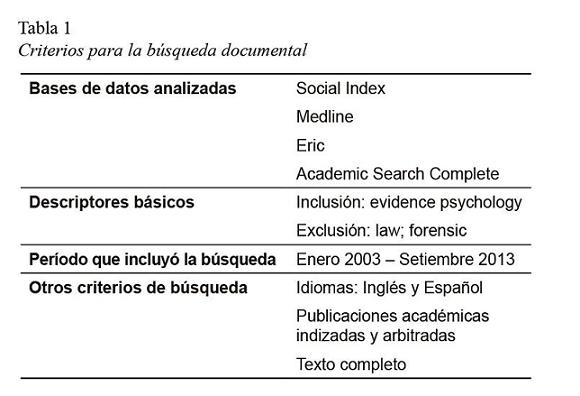
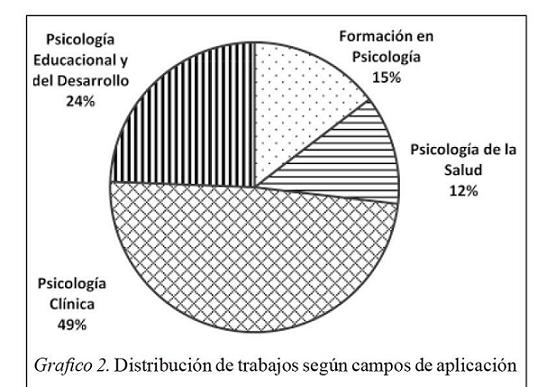
<body><![CDATA[<p style="margin: 5pt 36.95pt 0.0001pt 1cm; text-align: justify; line-height: 120%;"><span style="" lang="ES-UY"><o:p>&nbsp;</o:p></span></p>          <p style="margin: 5pt 36.95pt 0.0001pt 1cm; text-align: justify; line-height: 120%;"><span style="font-size: 11pt; line-height: 120%; font-family: &quot;Arial&quot;,&quot;sans-serif&quot;; color: red;" lang="ES-UY"></span><b><i><span style="" lang="ES-UY">Resumen:&nbsp;</span></i></b><span style="font-size: 11pt; line-height: 120%; font-family: &quot;Arial&quot;,&quot;sans-serif&quot;; color: navy;" lang="ES-UY"></span><span style="" lang="ES-UY">La comunicaci&oacute;n tiene como objetivo desarrollar el concepto de Evidencia aplicada a la praxis psicol&oacute;gica, partiendo de un breve recorrido por aspectos conceptuales y sobre procesos, actores e instituciones cient&iacute;ficas, a trav&eacute;s de los cuales se gestionan y acreditan las propuestas de intervenciones -expresadas en Gu&iacute;as y Protocolos- en salud, educaci&oacute;n, formaci&oacute;n, entre otros campos.</span></p>          <p style="margin: 5pt 36.95pt 0.0001pt 1cm; text-align: justify; line-height: 120%;"><span style="" lang="ES-UY">Se presentan, adem&aacute;s, los resultados de una revisi&oacute;n bibliogr&aacute;fica sistem&aacute;tica de art&iacute;culos presentados entre 2003-2013, en publicaciones arbitradas e indizadas, recogidas en el SocIndex, Medline, Eric, Academic Search Complete; en espa&ntilde;ol e ingl&eacute;s; con la exclusi&oacute;n de aquellos estudios que usaron la nominaci&oacute;n de Evidencia en forense, legal o cuando el t&eacute;rmino era tomado en tanto prueba, certeza y otros trabajos que comparten el uso gen&eacute;rico de la palabra y no el del concepto que aqu&iacute; se estudia.<o:p></o:p></span></p>          <p style="margin: 5pt 36.95pt 0.0001pt 1cm; text-align: justify; line-height: 120%;"><span style="" lang="ES-UY">Los hallazgos arrojaron 196 publicaciones, 41 de las cuales cumplen con los criterios se&ntilde;alados. Fueron agrupadas seg&uacute;n campo de aplicaci&oacute;n de la Psicolog&iacute;a, registrando un 49% en el &aacute;rea de Psicolog&iacute;a Cl&iacute;nica, 24% en Psicolog&iacute;a Educacional y del Desarrollo, 15% referidas a Formaci&oacute;n en Psicolog&iacute;a y 12% en Psicolog&iacute;a de la Salud. <o:p></o:p></span></p>          <p style="margin: 5pt 36.95pt 0.0001pt 1cm; text-align: justify; line-height: 120%;"><span style="" lang="ES-UY">Los resultados de este acercamiento exploratorio indican que, se ampl&iacute;a el &aacute;mbito de estudio bajo la modalidad de la PBE, no obstante se observan las dificultades y diferencias en el uso del constructo y en la consolidaci&oacute;n de las metodolog&iacute;as m&aacute;s eficaces; con un &eacute;nfasis marcado de publicaciones que contienen discusiones a nivel conceptual</span><span style="font-size: 11pt; line-height: 120%; font-family: &quot;Arial&quot;,&quot;sans-serif&quot;; color: navy;" lang="ES-UY"></span><span style="" lang="ES-UY">.<o:p></o:p></span></p>          <p style="margin: 5pt 36.95pt 0.0001pt 1cm; text-align: justify; line-height: 120%;"><span style="" lang="ES-UY"><o:p>&nbsp;</o:p></span></p>          <p style="margin: 5pt 36.95pt 0.0001pt 1cm; text-align: justify; line-height: 120%;"><span style="font-size: 11pt; line-height: 120%; font-family: &quot;Arial&quot;,&quot;sans-serif&quot;; color: navy;" lang="ES-UY"></span><b><i><span style="" lang="ES-UY">Palabras Clave: </span></i></b><i><span style="" lang="ES-UY">Psicolog&iacute;a basada en la Evidencia</span></i><i><span style="" lang="ES-UY">,&nbsp;</span></i><span style="font-size: 11pt; line-height: 120%; font-family: &quot;Arial&quot;,&quot;sans-serif&quot;; color: teal;" lang="ES-UY"></span><i><span style="" lang="ES-UY">gu&iacute;as</span></i><span style="font-size: 11pt; line-height: 120%; font-family: &quot;Arial&quot;,&quot;sans-serif&quot;; color: teal;" lang="ES-UY"></span><i><span style="" lang="ES-UY">,&nbsp;</span></i><span style="font-size: 11pt; line-height: 120%; font-family: &quot;Arial&quot;,&quot;sans-serif&quot;; color: teal;" lang="ES-UY"></span><i><span style="" lang="ES-UY">protocolos</span></i><span style="font-size: 11pt; line-height: 120%; font-family: &quot;Arial&quot;,&quot;sans-serif&quot;; color: teal;" lang="ES-UY"></span><i><span style="" lang="ES-UY">, </span></i><span style="font-size: 11pt; line-height: 120%; font-family: &quot;Arial&quot;,&quot;sans-serif&quot;; color: teal;" lang="ES-UY"></span><i><span style="" lang="ES-UY">Pr&aacute;ctica basada en la Evidencia</span></i><i><span style="" lang="ES-UY">.</span></i></p>          <p style="margin: 5pt 36.95pt 0.0001pt 1cm; text-align: justify; line-height: 120%;"><span style="" lang="ES-UY"><o:p>&nbsp;</o:p></span></p>          <p style="margin: 5pt 36.95pt 0.0001pt 1cm; text-align: justify; line-height: 120%;"><b><i><span style="" lang="EN-US">Abstract:&nbsp;</span></i></b><span style="font-size: 11pt; line-height: 120%; font-family: &quot;Arial&quot;,&quot;sans-serif&quot;; color: navy;" lang="EN-US"></span><span style="" lang="EN-US">This article aims to discuss the concept of evidence as used in the psychological practice, starting with a brief tour of basic issues. It analyzes the processes, actors and scientific institutions that manage and validate the proposed interventions in the health, education and training fields.<o:p></o:p></span></p>          <p style="margin: 5pt 36.95pt 0.0001pt 1cm; text-align: justify; line-height: 120%;"><span style="" lang="EN-US">The results of a systematic literature review of articles published both in English and Spanish, in the period 2003-2013, are presented. Only articles published in referred journals included in SocINDEX, Medline, Eric and Academic Search Complete, were considered. Articles in which the term evidence was used with a different meaning (e.g. legal or forensic evidence) were not included in the present literature review. <o:p></o:p></span></p>          ]]></body>
<body><![CDATA[<p style="margin: 5pt 36.95pt 0.0001pt 1cm; text-align: justify; line-height: 120%;"><span style="" lang="EN-US">The database search yielded 196 articles, 41 of which met the selection criteria. These publications were classified in the following categories Clinical Psychology (49%), Education and Developmental Psychology (24%), Psychology Training (15%) and Health Psychology (12%).<o:p></o:p></span></p>          <p style="margin: 5pt 36.95pt 0.0001pt 1cm; text-align: justify; line-height: 120%;"><span style="" lang="EN-US">The results of this exploratory study show an extending scope of the evidence based psychology field. We note, however, some inconsistencies and problems both in the use of this construct and in the consolidation of the most effective methods, as well as an over representation of papers discussing conceptual aspects</span><span style="font-size: 11pt; line-height: 120%; font-family: &quot;Arial&quot;,&quot;sans-serif&quot;; color: navy;" lang="EN-US"></span><span style="" lang="EN-US">.<o:p></o:p></span></p>          <p style="margin: 5pt 36.95pt 0.0001pt 1cm; text-align: justify; line-height: 120%;"><span style="" lang="EN-US"><o:p>&nbsp;</o:p></span></p>          <p class="western" style="margin: 5pt 36.95pt 5.65pt 1cm; text-align: justify; line-height: 120%;"><span style="line-height: 120%; font-family: &quot;Arial&quot;,&quot;sans-serif&quot;; color: navy;" lang="EN-US"></span><b><i><span style="font-size: 12pt; line-height: 120%; font-family: &quot;Times New Roman&quot;,&quot;serif&quot;;" lang="EN-US">Keywords: </span></i></b><i><span style="font-size: 12pt; line-height: 120%; font-family: &quot;Times New Roman&quot;,&quot;serif&quot;;" lang="EN-US">Evidence based Psychology</span></i><span style="line-height: 120%; font-family: &quot;Arial&quot;,&quot;sans-serif&quot;; color: teal;" lang="EN-US"></span><i><span style="font-size: 12pt; line-height: 120%; font-family: &quot;Times New Roman&quot;,&quot;serif&quot;;" lang="EN-US">, </span></i><span style="line-height: 120%; font-family: &quot;Arial&quot;,&quot;sans-serif&quot;; color: teal;" lang="EN-US"></span><i><span style="font-size: 12pt; line-height: 120%; font-family: &quot;Times New Roman&quot;,&quot;serif&quot;;" lang="EN-US">guidelines</span></i><i><span style="font-size: 12pt; line-height: 120%; font-family: &quot;Times New Roman&quot;,&quot;serif&quot;;" lang="EN-US">,&nbsp;</span></i><span style="line-height: 120%; font-family: &quot;Arial&quot;,&quot;sans-serif&quot;; color: teal;" lang="EN-US"></span><i><span style="font-size: 12pt; line-height: 120%; font-family: &quot;Times New Roman&quot;,&quot;serif&quot;;" lang="EN-US">protocols</span></i><span style="line-height: 120%; font-family: &quot;Arial&quot;,&quot;sans-serif&quot;; color: teal;" lang="EN-US"></span><i><span style="font-size: 12pt; line-height: 120%; font-family: &quot;Times New Roman&quot;,&quot;serif&quot;;" lang="EN-US">, </span></i><i><span style="font-size: 12pt; line-height: 120%; font-family: &quot;Times New Roman&quot;,&quot;serif&quot;;" lang="EN-US">Evidence based Practice</span></i><i><span style="font-size: 12pt; line-height: 120%; font-family: &quot;Times New Roman&quot;,&quot;serif&quot;;" lang="EN-US">.</span></i><span style="font-size: 12pt; line-height: 120%;" lang="EN-US"><o:p></o:p></span></p>          <p class="western" style="margin: 5pt 36.95pt 12pt 1cm; text-align: justify; text-indent: 19.85pt; line-height: 120%;"><span style="font-size: 12pt; line-height: 120%;" lang="EN-US"><o:p>&nbsp;</o:p></span></p>          <p style="margin: 5pt 36.95pt 0.0001pt 1cm; text-align: justify; line-height: 120%;"><i><span style="font-size: 10pt; line-height: 120%;">Correspondencia: Lilian Daset. Facultad de Psicolog&iacute;a, Universidad Cat&oacute;lica del Uruguay.</span></i><span style="font-size: 10pt; line-height: 120%;"><o:p></o:p></span></p>          <p class="western" style="margin: 5pt 36.95pt 5.65pt 1cm; text-align: justify; line-height: 120%;"><i><span style="font-size: 10pt; line-height: 120%;" lang="ES-UY">Correo Electr&oacute;nico: <a href="mailto:ldaset@ucu.edu.uy">ldaset@ucu.edu.uy</a></span></i><span style="font-size: 10pt; line-height: 120%;" lang="ES-UY"><o:p></o:p></span></p>          <p style="margin: 5pt 36.95pt 0.0001pt 1cm; text-align: justify; line-height: 120%;"><span style="font-size: 10pt; line-height: 120%;" lang="EN-US"></span></p>        <p style="margin: 5pt 36.95pt 0.0001pt 1cm; text-align: justify; line-height: 120%;"><span style="font-size: 10pt; line-height: 120%;" lang="EN-US">&nbsp;</span><span style="font-size: 11pt; line-height: 120%; font-family: &quot;Arial&quot;,&quot;sans-serif&quot;; color: navy;" lang="EN-US"></span><i><span style="font-size: 10pt; line-height: 120%; font-family: &quot;Arial&quot;,&quot;sans-serif&quot;;" lang="EN-US">Recibido:&nbsp;</span></i><span style="font-size: 11pt; line-height: 120%; font-family: &quot;Arial&quot;,&quot;sans-serif&quot;; color: teal;" lang="EN-US"></span><i><span style="font-size: 10pt; line-height: 120%; font-family: &quot;Arial&quot;,&quot;sans-serif&quot;;" lang="EN-US">03/2013</span></i><span style="font-size: 11pt; line-height: 120%; font-family: &quot;Arial&quot;,&quot;sans-serif&quot;; color: teal;" lang="EN-US"></span><span style="font-size: 10pt; line-height: 120%;" lang="EN-US"><o:p></o:p></span></p>          <p style="margin: 5pt 36.95pt 0.0001pt 1cm; text-align: justify; line-height: 120%;"><i><span style="font-size: 10pt; line-height: 120%; font-family: &quot;Arial&quot;,&quot;sans-serif&quot;;" lang="EN-US">Revisado:&nbsp;</span></i><span style="font-size: 11pt; line-height: 120%; font-family: &quot;Arial&quot;,&quot;sans-serif&quot;; color: teal;" lang="EN-US"></span><i><span style="font-size: 10pt; line-height: 120%; font-family: &quot;Arial&quot;,&quot;sans-serif&quot;;" lang="EN-US">09/2013</span></i><span style="font-size: 11pt; line-height: 120%; font-family: &quot;Arial&quot;,&quot;sans-serif&quot;; color: teal;" lang="EN-US"></span><span style="font-size: 10pt; line-height: 120%;" lang="EN-US"><o:p></o:p></span></p>          ]]></body>
<body><![CDATA[<p class="western" style="margin: 5pt 36.95pt 9.9pt 1cm; text-align: justify;"><i><span style="font-size: 10pt; line-height: 115%; font-family: &quot;Arial&quot;,&quot;sans-serif&quot;;" lang="EN-US">Aceptado:&nbsp;</span></i><span style="line-height: 115%; font-family: &quot;Arial&quot;,&quot;sans-serif&quot;; color: teal;" lang="EN-US"></span><i><span style="font-size: 10pt; line-height: 115%; font-family: &quot;Arial&quot;,&quot;sans-serif&quot;;" lang="EN-US">10/2013</span></i><span style="line-height: 115%; font-family: &quot;Arial&quot;,&quot;sans-serif&quot;; color: red;" lang="EN-US"></span><span style="font-size: 10pt; line-height: 115%;" lang="EN-US"><o:p></o:p></span></p>        <p class="western" style="margin: 5pt 36.95pt 0.0001pt 1cm; text-align: justify; line-height: 150%;"><b><span style="font-size: 12pt; line-height: 150%; font-family: &quot;Arial&quot;,&quot;sans-serif&quot;;"></span></b></p>        <p class="western" style="margin: 5pt 36.95pt 0.0001pt 1cm; text-align: justify; line-height: 150%;"><b><span style="font-size: 12pt; line-height: 150%; font-family: &quot;Arial&quot;,&quot;sans-serif&quot;;">Introducci&oacute;n</span></b><span style="font-size: 12pt; line-height: 150%;"><o:p></o:p></span></p>          <p class="western" style="margin: 5pt 36.95pt 0.0001pt 1cm; text-align: justify; line-height: 150%;"><span style="font-size: 12pt; line-height: 150%;"><o:p>&nbsp;</o:p></span></p>          <p class="western" style="margin: 5pt 36.95pt 0.0001pt 1cm; text-align: justify; text-indent: 19.85pt; line-height: 150%;"><span style="font-size: 12pt; line-height: 150%; font-family: &quot;Arial&quot;,&quot;sans-serif&quot;;">A trav&eacute;s de esta comunicaci&oacute;n se hace un exordio al tema de la Evidencia en la pr&aacute;ctica psicol&oacute;gica, a partir de: un breve recorrido por algunos hitos centrales en su desarrollo; una esquematizaci&oacute;n sobre los principales componentes a considerar en un abordaje desde este modelo; el se&ntilde;alamiento de algunas de las entidades que acopian y revisan estudios sobre Evidencia -fundamentalmente en Salud Mental- y finalmente, una Revisi&oacute;n Bibliogr&aacute;fica Sistem&aacute;tica -acotada en tiempo y publicaciones cient&iacute;ficas- con el fin materializar este acercamiento a una parcela del actual estado de la cuesti&oacute;n, seg&uacute;n los diversos campos de acci&oacute;n de la Psicolog&iacute;a.</span><span style="font-size: 12pt; line-height: 150%;"><o:p></o:p></span></p>          <p class="western" style="margin: 5pt 36.95pt 0.0001pt 1cm; text-align: justify; text-indent: 19.85pt; line-height: 150%;"><span style="font-size: 12pt; line-height: 150%;"><o:p>&nbsp;</o:p></span></p>          <p class="western" style="margin: 5pt 36.95pt 0.0001pt 1cm; text-align: justify; line-height: 150%;"><b><span style="font-size: 12pt; line-height: 150%; font-family: &quot;Arial&quot;,&quot;sans-serif&quot;;">Algunas notas hist&oacute;ricas y definici&oacute;n</span></b><span style="font-size: 12pt; line-height: 150%;"><o:p></o:p></span></p>          <p class="western" style="margin: 5pt 36.95pt 0.0001pt 1cm; text-align: justify; text-indent: 19.85pt; line-height: 150%;"><span style="font-size: 12pt; line-height: 150%;"><o:p>&nbsp;</o:p></span></p>          <p class="western" style="margin: 5pt 36.95pt 0.0001pt 1cm; text-align: justify; text-indent: 19.85pt; line-height: 150%;"><span style="font-size: 12pt; line-height: 150%; font-family: &quot;Arial&quot;,&quot;sans-serif&quot;;">El tema de la Psicolog&iacute;a basada en la Evidencia (PBE) puede ser abordado de muchas maneras, dos especialmente claras y direccionadas por los fines que persigue, pero ambas -y algunas otras contextuales relevantes- parecen contener una aspiraci&oacute;n com&uacute;n: contar con la mayor y mejor informaci&oacute;n en formato de pruebas -evidencia- que avale una forma espec&iacute;fica de intervenci&oacute;n en salud mental y en psicolog&iacute;a, para el caso (<a name="Chambless_ref2"></a><a href="#Chambless_2">Chambless</a> et al., 1996; <a name="Chambless_ref1"></a><a href="#Chambless_1">Chambless</a> &amp; Ollendick, 2000; <a name="Daset_ref"></a><a href="#Daset">Daset</a>, en prensa). Una de estas formas es la que deviene de lo que la ciencia se propone como objetivo ante los problemas que se le presentan: encontrar una respuesta con el mayor ajuste y el menor costo de recursos de todo orden, es decir, al alcance de las posibilidades de muchos y con la mayor simplicidad.</span><span style="font-size: 12pt; line-height: 150%;"><o:p></o:p></span></p>          <p class="western" style="margin: 5pt 36.95pt 0.0001pt 1cm; text-align: justify; text-indent: 19.85pt; line-height: 150%;"><span style="font-size: 12pt; line-height: 150%; font-family: &quot;Arial&quot;,&quot;sans-serif&quot;;">Una segunda v&iacute;a de acercamiento al tema de la Evidencia, es aquella que generalmente es m&aacute;s comprensible para todos los profesionales y refiere a sus directas necesidades de respuesta -no ya de la propia ciencia- en su labor cotidiana (<a name="Echeburua_ref"></a><a href="#Echeburua">Echebur&uacute;a</a>, Salaberr&iacute;a, de Corral y Polo-L&oacute;pez, 2010). Ambas parecen ser segmentos de una sola l&iacute;nea, que pone de manifiesto ese sitio justo donde la pr&aacute;ctica de la profesi&oacute;n lleva a la misma encrucijada que los desarrollos de la ciencia y entonces, una vez m&aacute;s se muestra lo indisolublemente juntas que ambas discurren, pero tambi&eacute;n se ponen de manifiesto las <i>&ldquo;sorderas&rdquo;</i> mutuas.</span><span style="font-size: 12pt; line-height: 150%;" lang="ES-UY"><o:p></o:p></span></p>          ]]></body>
<body><![CDATA[<p class="western" style="margin: 5pt 36.95pt 0.0001pt 1cm; text-align: justify; text-indent: 19.85pt; line-height: 150%;"><span style="font-size: 12pt; line-height: 150%; font-family: &quot;Arial&quot;,&quot;sans-serif&quot;;">Los dos t&oacute;picos se&ntilde;alados en los p&aacute;rrafos que anteceden, transcurren como toda &ldquo;<i>gestalt&rdquo;, </i>una figura sobre un fondo donde, entre otras variables intervinientes, comienzan a tener una fuerte incidencia los sistemas de salud y las legislaciones nacionales e internacionales y las pr&aacute;cticas que de ellas devienen, como es el caso de los seguros, de las coberturas de los servicios de atenci&oacute;n, de los sistemas de ayuda social y educativos (<a href="#Echeburua">Echebur&uacute;a</a> et al., 2010; <a name="Fernandez-Hermida_ref"></a><a href="#Fernandez-Hermida">Fern&aacute;ndez-Hermida</a>, 2012; <a name="Lopez_Soler_ref"></a><a href="#Lopez_Soler">L&oacute;pez Soler</a>, Mart&iacute;n Sancho y Garriga Puerto, 2012), los que cada vez m&aacute;s utilizan criterios de eficacia y eficiencia para medir las intervenciones.</span><span style="font-size: 12pt; line-height: 150%;" lang="ES-UY"><o:p></o:p></span></p>          <p class="western" style="margin: 5pt 36.95pt 0.0001pt 1cm; text-align: justify; text-indent: 19.85pt; line-height: 150%;"><span style="font-size: 12pt; line-height: 150%; font-family: &quot;Arial&quot;,&quot;sans-serif&quot;;">La gran mayor&iacute;a de los actuales logros de la investigaci&oacute;n en Psicolog&iacute;a llevan a pensar en tres asuntos centrales de discusi&oacute;n para la profesi&oacute;n, por un lado los insumos necesarios para dotar de consistencia y veracidad a las explicaciones que las teor&iacute;as dan a los fen&oacute;menos ps&iacute;quicos; por el otro, contar con alg&uacute;n tipo de certeza para orientar la b&uacute;squeda de formas de intervenci&oacute;n, seg&uacute;n ciertas condiciones antecedentes. Un tercer tema es la profusi&oacute;n de informaci&oacute;n sobre intervenciones, instrumentos, procedimientos profesionales, etc. de que se dispone en la actualidad (<a name="Fernandez-Alvarez_ref"></a><a href="#Fernandez-Alvarez">Fern&aacute;ndez-&Aacute;lvarez</a>, 2003; <a href="#Fernandez-Hermida">Fern&aacute;ndez-Hermida</a>, 2012), lo que crea la directa necesidad de tener alg&uacute;n tipo de criterio supraordenador que, adem&aacute;s de filtrar la informaci&oacute;n, lo haga de forma tal que los estudios que decanten sean los de mejor calidad y esto, cient&iacute;fica y socialmente, implica el que puedan ser discriminadas aquellas respuestas a problemas de personas o instituciones, m&aacute;s eficaces (<a name="Fernandez-Alvarez_ref1"></a><a href="#Fernandez-Alvarez_1">Fern&aacute;ndez-&Aacute;lvarez</a>, 2011). Las propuestas de la PBE aportan alguna luz a la discusi&oacute;n planteada. </span><span style="font-size: 12pt; line-height: 150%;"><o:p></o:p></span></p>          <p class="western" style="margin: 5pt 36.95pt 0.0001pt 1cm; text-align: justify; text-indent: 19.85pt; line-height: 150%;"><span style="font-size: 12pt; line-height: 150%; font-family: &quot;Arial&quot;,&quot;sans-serif&quot;;">El t&eacute;rmino Evidencia hace referencia a prueba, indicio y en espa&ntilde;ol tambi&eacute;n representa a la certeza que se tiene sobre alg&uacute;n asunto (<a name="Frias_Navarro_ref"></a><a href="#Frias_Navarro">Fr&iacute;as Navarro</a> y Pascual Llobell, 2003); nos encontramos entonces tambi&eacute;n con algunas dificultades de orden sem&aacute;ntico, pero sustancialmente cuando se habla de Evidencia bajo este constructo, se coincide en que la investigaci&oacute;n sistem&aacute;tica provee unas pruebas, que son las de &ldquo;mejor calidad&rdquo; que puede ofrecer el actual estado de desarrollo del &aacute;rea de ciencia, sobre un asunto espec&iacute;fico. Es dable notar que la abreviatura PBE es utilizada tambi&eacute;n para hacer referencia a la Pr&aacute;ctica Basada en la Evidencia, un concepto m&aacute;s globalizador y que es de uso en otras &aacute;reas de ciencia (Medicina, Enfermer&iacute;a, Ciencias Sociales, etc.); a los efectos de esta comunicaci&oacute;n se utilizar&aacute; para hacer referencia a la Psicolog&iacute;a Basada en Evidencia o en Pruebas, pero se entiende se incluyen mutuamente.</span><span style="font-size: 12pt; line-height: 150%;"><o:p></o:p></span></p>          <p class="western" style="margin: 5pt 36.95pt 0.0001pt 1cm; text-align: justify; text-indent: 19.85pt; line-height: 150%;"><span style="font-size: 12pt; line-height: 150%; font-family: &quot;Arial&quot;,&quot;sans-serif&quot;;">Los antecedentes conceptuales de la PBE no son ajenos a los desarrollos de la Medicina basada en la Evidencia (MBE) en la que muchos encuentran sus ra&iacute;ces y con la que transcurre la discusi&oacute;n de los modelos explicativos (<a name="Haynes_ref"></a><a href="#Haynes">Haynes</a>,&nbsp;Sackett, Gray, Cook, &amp; Guyatt, 1996; <a href="#Sackett">Sackett</a>, Rosenberg, Gray, Haynes, &amp; Richardson, 1996) y como plantean, no se trata de &ldquo;<i>un libro de cocina</i>&rdquo;, ya que por buena que sea la manualizaci&oacute;n sobre una intervenci&oacute;n (e.g. Gu&iacute;a de Pr&aacute;ctica Cl&iacute;nica), la experiencia del profesional o las preferencias del paciente pueden hacer tambalear y hasta anular el peso de las pruebas que arrojara la investigaci&oacute;n. A partir de esa mirada cr&iacute;tica, con inclusi&oacute;n de diferentes Actores -pacientes, expertos, sistemas, investigadores, etc.- es que se van construyendo los diferentes modelos, avanzando en cada uno hacia una mirada m&aacute;s inclusiva y contextual.</span><span style="font-size: 12pt; line-height: 150%;" lang="ES-UY"><o:p></o:p></span></p>          <p class="western" style="margin: 5pt 36.95pt 0.0001pt 1cm; text-align: justify; text-indent: 19.85pt; line-height: 150%;"><span style="font-size: 12pt; line-height: 150%; font-family: &quot;Arial&quot;,&quot;sans-serif&quot;;">Para la&nbsp;American Psychological Associaton (<a name="APA5"></a><a href="#American_Psychological_Association_5">APA</a>, 2005), el prop&oacute;sito de la EBPP (por sus siglas en ingl&eacute;s de Evidence Based Psychology Practice) es el desarrollo de una pr&aacute;ctica profesional en Psicolog&iacute;a efectiva; incorporando criterios sustentados emp&iacute;ricamente a todos los niveles de acci&oacute;n: evaluaci&oacute;n, intervenci&oacute;n y tambi&eacute;n en lo que refiere a la relaci&oacute;n terap&eacute;utica. Todo ello est&aacute; en concordancia con lo que se&ntilde;ala el C&oacute;digo de Etica de la propia asociaci&oacute;n (<a name="APA3"></a><a href="#American_Psychological_Association_3">APA</a>, 2002) y tiene como colof&oacute;n las Buenas Pr&aacute;cticas Profesionales, donde subyace sin duda m&aacute;s profundamente una &ldquo;&eacute;tica del conocer&rdquo; seg&uacute;n lo expresa <a name="Rovaletti_ref"></a><a href="#Rovaletti">Rovaletti</a> (2002).</span><span style="font-size: 12pt; line-height: 150%;"><o:p></o:p></span></p>          <p class="western" style="margin: 5pt 36.95pt 0.0001pt 1cm; text-align: justify; text-indent: 19.85pt; line-height: 150%;"><span style="font-size: 12pt; line-height: 150%; font-family: &quot;Arial&quot;,&quot;sans-serif&quot;;">La propuesta de la APA es fruto de varios aportes de distintos grupos de trabajo; ya en 1993 se enfatizaba la necesidad de aunar fuerzas, profesionales y de investigaci&oacute;n, para promover las mejores formas de intervenci&oacute;n por parte de la Divisi&oacute;n XII de la <a name="APA"></a><a href="#American_Psychological_Association">APA</a> (1993a) lo que se ve plasmado en las Directrices para la elaboraci&oacute;n de Gu&iacute;as, del Grupo de Trabajo sobre Gu&iacute;as de Intervenci&oacute;n (<a name="APA2"></a><a href="#American_Psychological_Association_2">APA</a>, 1993b); a&ntilde;os despu&eacute;s tales discusiones se har&iacute;an m&aacute;s espec&iacute;ficas, como es el caso del trabajo del Comit&eacute; sobre Pr&aacute;ctica profesional (<a name="APA6"></a><a href="#American_Psychological_Association_6">APA</a>, 2007)o la contribuci&oacute;n concreta del Grupo de Trabajo en Pr&aacute;ctica Basada en la Evidencia con Ni&ntilde;os y Adolescentes (<a name="APA7"></a><a href="#American_Psychological_Association_7">APA</a>, 2008). Una cronolog&iacute;a que perfila c&oacute;mo se fueron concentrando los esfuerzos y permite contar hoy con algunos productos, tanto para profesionales como para investigadores, entre los que destacan los de orden metodol&oacute;gico -las formas para obtener Evidencia- y los que tienen un car&aacute;cter m&aacute;s operativo como las Gu&iacute;as de Pr&aacute;ctica Cl&iacute;nica, Gu&iacute;as de Tratamiento y Protocolos; as&iacute; como planes y programas de formaci&oacute;n.</span><span style="font-size: 12pt; line-height: 150%;"><o:p></o:p></span></p>          <p class="western" style="margin: 5pt 36.95pt 0.0001pt 1cm; text-align: justify; text-indent: 19.85pt; line-height: 150%;"><span style="font-size: 12pt; line-height: 150%;"><o:p>&nbsp;</o:p></span></p>          <p class="western" style="margin: 5pt 36.95pt 0.0001pt 1cm; text-align: justify; line-height: 150%;"><b><span style="font-size: 12pt; line-height: 150%; font-family: &quot;Arial&quot;,&quot;sans-serif&quot;;">Modelos y actores de la PBE</span></b><span style="font-size: 12pt; line-height: 150%;"><o:p></o:p></span></p>          <p class="western" style="margin: 5pt 36.95pt 0.0001pt 1cm; text-align: justify; text-indent: 19.85pt; line-height: 150%;"><span style="font-size: 12pt; line-height: 150%;"><o:p>&nbsp;</o:p></span></p>          <p class="western" style="margin: 5pt 36.95pt 0.0001pt 1cm; text-align: justify; text-indent: 19.85pt; line-height: 150%;"><span style="font-size: 12pt; line-height: 150%; font-family: &quot;Arial&quot;,&quot;sans-serif&quot;;">En un escenario con necesidad de rigorismo y caracterizado por la subjetividad inherente a los procesos humanos y los m&uacute;ltiples problemas a dilucidar, una aproximaci&oacute;n metodol&oacute;gica desde la Evidencia se presenta -adem&aacute;s de atrayente- como una l&oacute;gica consecuencia del conocimiento acumulado en Psicolog&iacute;a. Y desde las conocidas formas de obtener evidencia como la observaci&oacute;n, hasta la construcci&oacute;n de modelos complejos para delimitar variables, se va potenciando su capacidad explicativa.</span><span style="font-size: 12pt; line-height: 150%;"><o:p></o:p></span></p>          ]]></body>
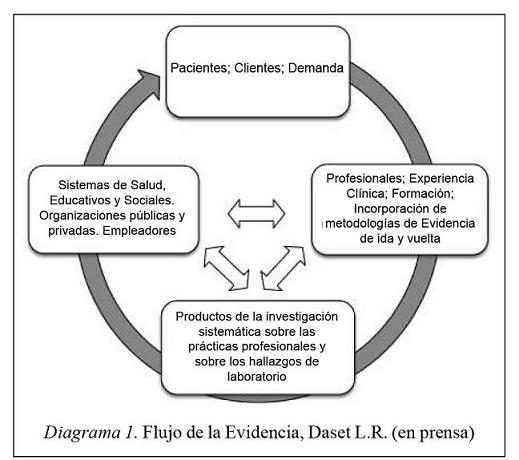
<body><![CDATA[<p class="western" style="margin: 5pt 36.95pt 0.0001pt 1cm; text-align: justify; text-indent: 19.85pt; line-height: 150%;"><span style="font-size: 12pt; line-height: 150%; font-family: &quot;Arial&quot;,&quot;sans-serif&quot;;">La Evidencia ha dejado de ser un <i>coto de caza</i> exclusivo de los investigadores, para transformarse en un espacio donde convergen &eacute;stos y los profesionales. Los expertos est&aacute;n cada vez m&aacute;s exigidos por los sistemas que integran y por la sociedad misma, por las respuestas que deben dar en una nueva t&eacute;mporo-espacialidad y en el marco de un abordaje multidisciplinar, que les insume tambi&eacute;n conocer y construir lenguajes comunes y el entramado de intervenciones que se solapan y concatenan.</span><span style="font-size: 12pt; line-height: 150%;" lang="ES-UY"><o:p></o:p></span></p>          <p class="western" style="margin: 5pt 36.95pt 0.0001pt 1cm; text-align: justify; text-indent: 19.85pt; line-height: 150%;"><span style="font-size: 12pt; line-height: 150%; font-family: &quot;Arial&quot;,&quot;sans-serif&quot;;">La Pr&aacute;ctica Basada en la Evidencia en Psicolog&iacute;a, que es definida por la Division XII como aquella que busca integrar la investigaci&oacute;n cl&iacute;nica experta de mejor calidad, con el contexto y cultura del paciente, as&iacute; como con sus preferencias (<a href="#American_Psychological_Association_5">APA</a>, 2005); promueve la recogida, interpretaci&oacute;n e integraci&oacute;n de la evidencia v&aacute;lida y m&aacute;s importante, que surge tanto de la investigaci&oacute;n como del juicio cl&iacute;nico, as&iacute; como de la opini&oacute;n del paciente. Y al decir de <a href="#Sackett">Sackett</a> et al. (1996): &ldquo;el uso consciente, expl&iacute;cito y juicioso de la mejor evidencia disponible en la toma de decisiones sobre el cuidado de los pacientes individuales" (p.72-73). Lo que se plasma en criterios como los de Eficacia y Utilidad Cl&iacute;nica, donde Eficacia implica contemplar las relaciones causales posibles entre una determinada intervenci&oacute;n y el trastorno que aborda. Cuando se hace referencia a la Utilidad, se eval&uacute;an el tipo de pruebas de que se dispone, la generalizaci&oacute;n, los niveles de aceptaci&oacute;n del paciente y la relaci&oacute;n costo-beneficio de esas intervenciones (<a href="#American_Psychological_Association_3">APA</a>, 2002).</span><span style="font-size: 12pt; line-height: 150%;"><o:p></o:p></span></p>          <p class="western" style="margin: 5pt 36.95pt 0.0001pt 1cm; text-align: justify; text-indent: 19.85pt; line-height: 150%;"><span style="font-size: 12pt; line-height: 150%; font-family: &quot;Arial&quot;,&quot;sans-serif&quot;;">El objetivo es por sobre todas las cosas poder delinear intervenciones eficaces (<a href="#American_Psychological_Association_6">APA</a>, 2007; <a href="#Sackett">Sackett</a> et al., 1996); entre ellas tienen un lugar preponderante los Tratamientos Basados Emp&iacute;ricamente o con Apoyo Emp&iacute;rico (TAE&rsquo;s en espa&ntilde;ol; EST&rsquo;s por sus siglas en ingl&eacute;s; o Tratamientos Psicol&oacute;gicos Eficaces como mayormente se los conoce en Espa&ntilde;a), una meta que dirige el sentido de las acciones que comienzan a generarse en derredor de c&oacute;mo conseguir la evidencia necesaria para planificar una intervenci&oacute;n, c&oacute;mo evaluarla, valorarla, sobre la ineludible base de una investigaci&oacute;n. Para los Sistemas la finalidad es clara, incorporar listado de tratamientos en sus programas que se caractericen por su eficacia, eficiencia y efectividad (<a name="Barlow_ref"></a><a href="#Barlow">Barlow</a>, 1996; <a name="Becona_ref"></a><a href="#Becona">Beco&ntilde;a</a> et al., 2004; <a name="Moriana_ref"></a><a href="#Moriana">Moriana</a> y Mart&iacute;nez, 2011; <a name="Seligman_ref"></a><a href="#Seligman">Seligman</a>, 1995; <a name="Shapiro_ref"></a><a href="#Shapiro">Shapiro</a>, 1996).</span><span style="font-size: 12pt; line-height: 150%;"><o:p></o:p></span></p>          <p class="western" style="margin: 5pt 36.95pt 0.0001pt 1cm; text-align: justify; text-indent: 19.85pt; line-height: 150%;"><span style="font-size: 12pt; line-height: 150%; font-family: &quot;Arial&quot;,&quot;sans-serif&quot;;">Los criterios vienen de la MBE y es as&iacute; que, se presentan los primeros grupos de tratamientos psicoterap&eacute;uticos diferenciando entre Emp&iacute;ricamente sustentados y Probablemente eficaces (<a href="#Chambless_2">Chambless</a> et al., 1996; <a name="Chambless_ref"></a><a href="#Chambless">Chambless</a>, &amp; Hollon, 1998). Una categorizaci&oacute;n esencial si se tiene en cuenta que, los emp&iacute;ricamente sustentados, son los que han cumplido con todos los requisitos que la investigaci&oacute;n y los expertos en la pr&aacute;ctica pueden proveer, generalmente producto de estudios multic&eacute;ntricos, con robustos resultados estad&iacute;sticos y verificables bajo diversas formas y en el tiempo; en tanto los que a&uacute;n no re&uacute;nen todas la condiciones se&ntilde;aladas, pero prometen y cuentan ya con estudios de buena calidad son considerados Probablemente eficaces. Una distinci&oacute;n que a la hora de tomar decisiones cl&iacute;nicas es determinante, especialmente en el campo m&eacute;dico, de donde provienen las primeras diferenciaciones.</span><span style="font-size: 12pt; line-height: 150%;"><o:p></o:p></span></p>          <p class="western" style="margin: 5pt 36.95pt 0.0001pt 1cm; text-align: justify; text-indent: 19.85pt; line-height: 150%;"><span style="font-size: 12pt; line-height: 150%; font-family: &quot;Arial&quot;,&quot;sans-serif&quot;;">El estudio de la pr&aacute;ctica basada en la evidencia, en el &aacute;mbito de la Psicolog&iacute;a, examin&oacute; los aspectos planteados por los modelos aportados por la MBE y a&ntilde;adi&oacute; algunos asuntos a la discusi&oacute;n como, las variables relacionadas con los valores y creencias de los pacientes, el contexto en que transcurren los tratamientos y de donde provienen los casos, factores socioculturales, demogr&aacute;ficos, redes sociales, motivaci&oacute;n para el cambio, capacidades funcionales, entre otros. Sin dejar de lado la limitaci&oacute;n que acompa&ntilde;a a la experiencia del cl&iacute;nico, en cuanto a persona pasible de los mismos sesgos. Adem&aacute;s del an&aacute;lisis de los elementos que propon&iacute;a el modelo de la MBE, la APA trabaja especialmente sobre las competencias que deben ser incluidas en la formaci&oacute;n de los profesionales en psicolog&iacute;a, en los procesos que implican la Toma de Decisiones en la Pr&aacute;ctica Profesional (<a name="APA4"></a><a href="#American_Psychological_Association_4">APA</a>, 2003; <a name="Satterfield_ref"></a><a href="#Satterfield">Satterfield</a> et al, 2009). </span><span style="font-size: 12pt; line-height: 150%;"><o:p></o:p></span></p>          <p class="western" style="margin: 5pt 36.95pt 0.0001pt 1cm; text-align: justify; text-indent: 19.85pt; line-height: 150%;"><span style="font-size: 12pt; line-height: 150%; font-family: &quot;Arial&quot;,&quot;sans-serif&quot;;">Desde los Modelos explicativos iniciales a la actualidad, se fueron integrando no s&oacute;lo actores sino tambi&eacute;n la consideraci&oacute;n de procesos y la jerarqu&iacute;a de algunos de los conglomerados, que en su expresi&oacute;n gr&aacute;fica denotan un enfoque cada vez m&aacute;s complejo (<a name="Goodheart_ref"></a><a href="#Goodheart">Goodheart</a>, 2006). Con la finalidad de ilustrar estas agrupaciones o conglomerados de Actores y Procesos que debe -m&iacute;nimamente- considerar cualquier Modelo que se sustente en una PBE, se presenta la propuesta en el <a href="#D1">Diagrama 1</a>. </span><span style="font-size: 12pt; line-height: 150%;"><o:p></o:p></span></p>          <p class="western" style="margin: 5pt 36.95pt 0.0001pt 1cm; text-align: justify; text-indent: 19.85pt; line-height: 150%;"><span style="font-size: 12pt; line-height: 150%;"><o:p>&nbsp;</o:p></span></p>          <p class="western" style="margin: 5pt 36.95pt 0.0001pt 1cm; text-align: justify; text-indent: 19.85pt; line-height: 150%;"><a name="D1"></a><img style="width: 519px; height: 460px;" alt="" src="/img/revistas/cp/v7n2/2a09d1.jpg"><span style=""></span><span style="font-size: 12pt; line-height: 150%;" lang="ES-UY"><o:p></o:p></span></p>          <p class="western" style="margin: 5pt 36.95pt 0.0001pt 1cm; text-align: justify; text-indent: 19.85pt; line-height: 150%;"><span style="font-size: 12pt; line-height: 150%;"><o:p>&nbsp;</o:p></span></p>          <p class="western" style="margin: 5pt 36.95pt 0.0001pt 1cm; text-align: justify; text-indent: 19.85pt; line-height: 150%;"><span style="font-size: 12pt; line-height: 150%;"><o:p>&nbsp;</o:p></span></p>          ]]></body>
<body><![CDATA[<p class="western" style="margin: 5pt 36.95pt 0.0001pt 1cm; text-align: justify; text-indent: 19.85pt; line-height: 150%;"><span style="font-size: 12pt; line-height: 150%;"><o:p>&nbsp;</o:p></span></p>          <p class="western" style="margin: 5pt 36.95pt 0.0001pt 1cm; text-align: justify; text-indent: 19.85pt; line-height: 150%;"><span style="font-size: 12pt; line-height: 150%; font-family: &quot;Arial&quot;,&quot;sans-serif&quot;;">Los Actores que se proponen a partir de los modelos m&aacute;s recientes refieren a:</span><span style="font-size: 12pt; line-height: 150%;"><o:p></o:p></span></p>          <p class="western" style="margin: 5pt 36.95pt 0.0001pt 1cm; text-align: justify; line-height: 150%;"><i><span style="font-size: 12pt; line-height: 150%; font-family: &quot;Arial&quot;,&quot;sans-serif&quot;;">- Paciente, Cliente, Demanda</span></i><span style="font-size: 12pt; line-height: 150%; font-family: &quot;Arial&quot;,&quot;sans-serif&quot;;">: que puede estar representada por un Individuo o un grupo de ellos, que est&aacute; inmerso en un contexto y que tiene un tipo particular de demanda que transcurre en un momento hist&oacute;rico -personal y global-, con unos recursos y unas condiciones antecedentes y una estructura con sus alcances y limitaciones. En este Actor tambi&eacute;n deben incluirse muchas veces otras personas o grupos, tal el caso de la Familia, los Cuidadores, los Pares, etc., sobre los que se han de generar un cierto tipo de acciones concretas, que generalmente deben estar consignadas en los estudios para obtener evidencia primero y en las Gu&iacute;as posteriormente.</span><span style="font-size: 12pt; line-height: 150%;" lang="ES-UY"><o:p></o:p></span></p>          <p class="western" style="margin: 5pt 36.95pt 0.0001pt 1cm; text-align: justify; line-height: 150%;"><i><span style="font-size: 12pt; line-height: 150%; font-family: &quot;Arial&quot;,&quot;sans-serif&quot;;">- Profesional, Experiencia Cl&iacute;nica, Formaci&oacute;n: </span></i><span style="font-size: 12pt; line-height: 150%; font-family: &quot;Arial&quot;,&quot;sans-serif&quot;;">En este grupo se incluye al profesional, la experiencia cl&iacute;nica del mismo y tambi&eacute;n a la formaci&oacute;n; en el &uacute;ltimo caso no s&oacute;lo la que se relaciona directamente con el grado de experto para llevar adelante una intervenci&oacute;n, sino sus conocimientos para incorporar el modelo de Gu&iacute;as y Protocolos sustentados en evidencia. Esto &uacute;ltimo implica que sea capaz de generar acciones de <b>&ldquo;ida y vuelta&rdquo;</b> con los investigadores, seg&uacute;n las pautas de &eacute;stos pero tambi&eacute;n con un sentido cr&iacute;tico, resultado de su capacidad de evaluar acciones y resultados.</span><span style="font-size: 12pt; line-height: 150%;" lang="ES-UY"><o:p></o:p></span></p>          <p class="western" style="margin: 5pt 36.95pt 0.0001pt 1cm; text-align: justify; line-height: 150%;"><span style="font-size: 12pt; line-height: 150%; font-family: &quot;Arial&quot;,&quot;sans-serif&quot;;">- <i>Investigadores y Productos de la Investigaci&oacute;n Sistem&aacute;tica: </i>Estos actores son los que provienen habitualmente de los &aacute;mbitos acad&eacute;micos y tienen como horizonte el validar las evidencias que surgen de los estudios emp&iacute;ricos y reevaluarlas a la luz de los dem&aacute;s actores del sistema. Son generadores de m&eacute;todos, que deben ser probados y aquilatados en la pr&aacute;ctica y est&aacute;n en constante tensi&oacute;n entre lo que los Sistemas proponen y limitan, lo que los profesionales requieren y lo que los pacientes demandan. De todos son los que deben <b>&ldquo;conocer todos los lenguajes&rdquo;</b>, por lo menos comprensivamente. Tambi&eacute;n dentro de esta categor&iacute;a se encuentran los organismos que acopian y eval&uacute;an estudios sobre evidencia, tal es el caso de las Colaboraciones Cochrane y Campbell, que se mencionan m&aacute;s adelante.</span><span style="font-size: 12pt; line-height: 150%;" lang="ES-UY"><o:p></o:p></span></p>          <p class="western" style="margin: 5pt 36.95pt 0.0001pt 1cm; text-align: justify; line-height: 150%;"><i><span style="font-size: 12pt; line-height: 150%; font-family: &quot;Arial&quot;,&quot;sans-serif&quot;;">- Sistemas de Salud, Sociales y Educativos, nacionales, regionales e internacionales. </span></i><span style="font-size: 12pt; line-height: 150%; font-family: &quot;Arial&quot;,&quot;sans-serif&quot;;">Aunque han estado entre los &uacute;ltimos en ser incorporados al Modelo, su presencia ha sido inmanente a&uacute;n en los casos en que las estructuras son muy escasas; las pol&iacute;ticas marcan l&iacute;neas sobre las que se agrupan las acciones de los profesionales. En algunos casos estos sistemas han tomado bajo su responsabilidad el desarrollo de Gu&iacute;as y Protocolos, una pr&aacute;ctica que ha sido controversial para muchos. La Psicolog&iacute;a cada vez m&aacute;s se incorpora en los Sistemas, especialmente los p&uacute;blicos, por lo que se ve impulsada a trabajar sobre el tema de las pr&aacute;cticas basadas en la evidencia, en la lucha por unos recursos siempre escasos y unas demandas que se acrecientan. Son varios los estudios que tienen como objetivo los Sistemas, en tanto Actor de esta escena a la que nos enfrenta la ciencia por estos d&iacute;as. Los Sistemas de Salud y de Salud Mental como marco de este trabajo, cada vez se hacen m&aacute;s activos y no s&oacute;lo incorporan la manualizaci&oacute;n en sus programas de prevenci&oacute;n, tratamiento y rehabilitaci&oacute;n, sino que tambi&eacute;n se han convertido en un generador de Gu&iacute;as y Protocolos o en administradores de los mismos. Esta cuesti&oacute;n tiene mucho de favorable, pero tambi&eacute;n genera pol&eacute;micas, en tanto el sistema <i>per se </i>generalmente tiene dificultades para contener a todos los actores necesarios para el desarrollo, implementaci&oacute;n, evaluaci&oacute;n, seguimiento y revisi&oacute;n de la modelizaci&oacute;n (<a href="#Satterfield">Satterfield</a> et al., 2009). En el sistema educativo en los &uacute;ltimos a&ntilde;os han aumentado los trabajos que buscan aplicar el modelo de pr&aacute;ctica basada en la evidencia, donde las conclusiones empiezan a ser tambi&eacute;n de inter&eacute;s para los profesionales no solo de la educaci&oacute;n sino especialmente de la Psicolog&iacute;a (<a name="Lyon_ref"></a><a href="#Lyon">Lyon</a>, Borntrager, Nakamura, &amp; Higa-Mc Millan, 2013).</span><span style="font-size: 12pt; line-height: 150%;" lang="ES-UY"><o:p></o:p></span></p>          <p class="western" style="margin: 5pt 36.95pt 0.0001pt 1cm; text-align: justify; line-height: 150%;"><span style="font-size: 12pt; line-height: 150%; font-family: &quot;Arial&quot;,&quot;sans-serif&quot;;">El Flujo de Evidencia que contiene los conglomerados expuestos en p&aacute;rrafos anteriores, a nivel operativo requiere cumplir con una serie de pasos, los que no solo deben ser conocidos por los investigadores sino tambi&eacute;n por los profesionales, a saber: </span><span style="font-size: 12pt; line-height: 150%;"><o:p></o:p></span></p>          <p class="western" style="margin: 5pt 36.95pt 0.0001pt 1cm; text-align: justify; line-height: 150%;"><i><span style="font-size: 12pt; line-height: 150%; font-family: &quot;Arial&quot;,&quot;sans-serif&quot;;">- </span></i><span style="font-size: 12pt; line-height: 150%; font-family: &quot;Arial&quot;,&quot;sans-serif&quot;;">formular el problema cl&iacute;nico,</span><span style="font-size: 12pt; line-height: 150%;" lang="ES-UY"><o:p></o:p></span></p>          <p class="western" style="margin: 5pt 36.95pt 0.0001pt 1cm; text-align: justify; line-height: 150%;"><i><span style="font-size: 12pt; line-height: 150%; font-family: &quot;Arial&quot;,&quot;sans-serif&quot;;">- </span></i><span style="font-size: 12pt; line-height: 150%; font-family: &quot;Arial&quot;,&quot;sans-serif&quot;;">localizar en la literatura cient&iacute;fica los estudios relevantes, </span><span style="font-size: 12pt; line-height: 150%;" lang="ES-UY"><o:p></o:p></span></p>          <p class="western" style="margin: 5pt 36.95pt 0.0001pt 1cm; text-align: justify; line-height: 150%;"><i><span style="font-size: 12pt; line-height: 150%; font-family: &quot;Arial&quot;,&quot;sans-serif&quot;;">- </span></i><span style="font-size: 12pt; line-height: 150%; font-family: &quot;Arial&quot;,&quot;sans-serif&quot;;">valorar cr&iacute;ticamente la evidencia encontrada, </span><span style="font-size: 12pt; line-height: 150%;" lang="ES-UY"><o:p></o:p></span></p>          ]]></body>
<body><![CDATA[<p class="western" style="margin: 5pt 36.95pt 0.0001pt 1cm; text-align: justify; line-height: 150%;"><i><span style="font-size: 12pt; line-height: 150%; font-family: &quot;Arial&quot;,&quot;sans-serif&quot;;">- </span></i><span style="font-size: 12pt; line-height: 150%; font-family: &quot;Arial&quot;,&quot;sans-serif&quot;;">aplicar los hallazgos a la pr&aacute;ctica cl&iacute;nica,</span><span style="font-size: 12pt; line-height: 150%;" lang="ES-UY"><o:p></o:p></span></p>          <p class="western" style="margin: 5pt 36.95pt 0.0001pt 1cm; text-align: justify; line-height: 150%;"><i><span style="font-size: 12pt; line-height: 150%; font-family: &quot;Arial&quot;,&quot;sans-serif&quot;;">- </span></i><span style="font-size: 12pt; line-height: 150%; font-family: &quot;Arial&quot;,&quot;sans-serif&quot;;">incorporar los resultados a las entidades que acreditan modelos de intervenci&oacute;n -Gu&iacute;as o Protocolos-.</span><span style="font-size: 12pt; line-height: 150%;" lang="ES-UY"><o:p></o:p></span></p>          <p class="western" style="margin: 5pt 36.95pt 0.0001pt 1cm; text-align: justify; text-indent: 19.85pt; line-height: 150%;"><span style="font-size: 12pt; line-height: 150%; font-family: &quot;Arial&quot;,&quot;sans-serif&quot;;">El <a href="#D1">Diagrama1</a> comienza y finaliza su trayectoria en la Demanda, una teleolog&iacute;a -en su concepci&oacute;n m&aacute;s contempor&aacute;nea- que subyace a Actores, escenarios y metodolog&iacute;as y contiene la complejidad -a la vez que la simplicidad- de aquellas cuestiones esenciales a un &aacute;rea de ciencia y que requieren adem&aacute;s, una mirada que las trascienda.</span><span style="font-size: 12pt; line-height: 150%;"><o:p></o:p></span></p>          <p class="western" style="margin: 5pt 36.95pt 0.0001pt 1cm; text-align: justify; line-height: 150%;"><span style="font-size: 12pt; line-height: 150%;"><o:p>&nbsp;</o:p></span></p>          <p class="western" style="margin: 5pt 36.95pt 0.0001pt 1cm; text-align: justify; line-height: 150%;"><b><span style="font-size: 12pt; line-height: 150%; font-family: &quot;Arial&quot;,&quot;sans-serif&quot;;">Administraci&oacute;n y seguimiento de pr&aacute;cticas basadas en la evidencia</span></b><span style="font-size: 12pt; line-height: 150%;"><o:p></o:p></span></p>          <p class="western" style="margin: 5pt 36.95pt 0.0001pt 1cm; text-align: justify; text-indent: 19.85pt; line-height: 150%;"><span style="font-size: 12pt; line-height: 150%;"><o:p>&nbsp;</o:p></span></p>          <p class="western" style="margin: 5pt 36.95pt 0.0001pt 1cm; text-align: justify; text-indent: 19.85pt; line-height: 150%;"><span style="font-size: 12pt; line-height: 150%; font-family: &quot;Arial&quot;,&quot;sans-serif&quot;;">Cuando se analiza el tema de la Pr&aacute;ctica Basada en la Evidencia, surge la pregunta sobre <i>Qui&eacute;n, C&oacute;mo y de Qu&eacute; manera se considera</i> la calidad de la Evidencia obtenida o <i>Qu&eacute; </i>soporta tal o cual intervenci&oacute;n, <i>Cu&aacute;l</i> es una <i>&ldquo;Buena Evidencia&rdquo;. </i>Se trata entonces de la confianza y por tanto de su fiabilidad; todo lo que preocupa al Profesional y al Investigador, tambi&eacute;n al Sistema y fundamentalmente a quien genera la demanda.</span><span style="font-size: 12pt; line-height: 150%;" lang="ES-UY"><o:p></o:p></span></p>          <p class="western" style="margin: 5pt 36.95pt 0.0001pt 1cm; text-align: justify; text-indent: 19.85pt; line-height: 150%;"><span style="font-size: 12pt; line-height: 150%; font-family: &quot;Arial&quot;,&quot;sans-serif&quot;;">Se han hecho importantes esfuerzos por ir bosquejando respuestas a las cuestiones centrales planteadas y desde &aacute;mbitos que, en s&iacute; mismos, se constituyen en resguardo de procedimientos, con una presencia menos conocida de lo esperado en los &aacute;mbitos profesionales. Son un Actor que recoge y revisa evidencia bajo criterios preestablecidos y sobre unas pautas muy ligadas a las que rigen la investigaci&oacute;n, a la vez que son fuentes de informaci&oacute;n para los expertos y para el p&uacute;blico en general, entre ellos se encuentran:</span><span style="font-size: 12pt; line-height: 150%;"><o:p></o:p></span></p>          <p class="western" style="margin: 5pt 36.95pt 0.0001pt 1cm; text-align: justify; line-height: 150%;"><span style="font-size: 12pt; line-height: 150%; font-family: &quot;Arial&quot;,&quot;sans-serif&quot;;">- </span><span style="font-size: 12pt; line-height: 150%; font-family: &quot;Arial&quot;,&quot;sans-serif&quot;;" lang="ES-UY">La Colaboraci&oacute;n Cochrane, especialmente dedicada a la medicina -aunque incluye algunos trabajos en salud mental- recoge fuentes de informaci&oacute;n sobre evidencia, bajo criterios expl&iacute;citos y es un referente a nivel mundial. Actualmente se puede acceder a esta entidad en idioma espa&ntilde;ol, adem&aacute;s del ingl&eacute;s a trav&eacute;s de las Bibliotecas Virtuales en Salud (<a name="Sackett_ref1"></a><a href="#Sackett_1">Sackett</a>, Straus, Richardson, Rosenberg, &amp; Haynes, 2000).</span><span style="font-size: 12pt; line-height: 150%;" lang="ES-UY"><o:p></o:p></span></p>          <p class="western" style="margin: 5pt 36.95pt 0.0001pt 1cm; text-align: justify; line-height: 150%;"><span style="font-size: 12pt; line-height: 150%; font-family: &quot;Arial&quot;,&quot;sans-serif&quot;;" lang="ES-UY">- Tambi&eacute;n en Salud y con &eacute;nfasis en las &aacute;reas m&eacute;dicas, pero con cada vez mayor presencia en la salud mental, se encuentra el Centro para la Salud Mental basada en la Evidencia de la Universidad de Oxford; tambi&eacute;n la Unidad de Investigaci&oacute;n sobre Salud de la Universidad de McMaster (quien fuera la pionera desde Canad&aacute; en el tema Evidencia) y los servicios de la Secretar&iacute;a de Salud de Espa&ntilde;a (<a href="#L%F3pez_Soler">L&oacute;pez Soler</a> et al., 2012).</span><span style="font-size: 12pt; line-height: 150%;" lang="ES-UY"><o:p></o:p></span></p>          ]]></body>
<body><![CDATA[<p class="western" style="margin: 5pt 36.95pt 0.0001pt 1cm; text-align: justify; line-height: 150%;"><span style="font-size: 12pt; line-height: 150%; font-family: &quot;Arial&quot;,&quot;sans-serif&quot;;" lang="ES-UY">- La Colaboraci&oacute;n Campbell, que dirige sus esfuerzos en pos de recoger estudios rigurosos con gran soporte estad&iacute;stico, como el meta-an&aacute;lisis y tambi&eacute;n de revisiones sistem&aacute;ticas; enfoc&aacute;ndose especialmente sobre efectos de tratamientos &nbsp;(<a name="Petrosino_ref"></a><a href="#Petrosino">Petrosino</a>, Boruch, Soydan, Duggan, &amp; S&aacute;nchez-Meca, 2001; <a name="Sanchez-Meca_ref1"></a><a href="#Sanchez-Meca_1">S&aacute;nchez-Meca</a>, Boruch, Petrosino y Rosa-Alc&aacute;zar, 2002).</span><span style="font-size: 12pt; line-height: 150%;" lang="ES-UY"><o:p></o:p></span></p>          <p class="western" style="margin: 5pt 36.95pt 0.0001pt 1cm; text-align: justify; line-height: 150%;"><span style="font-size: 12pt; line-height: 150%; font-family: &quot;Arial&quot;,&quot;sans-serif&quot;;" lang="ES-UY">- Otros organismos acopian y realizan seguimiento de pr&aacute;cticas basadas en la evidencia y hay publicaciones cient&iacute;ficas que dedican un importante espacio a los trabajos que contienen pruebas sobre intervenciones, donde la condici&oacute;n m&aacute;s frecuente es que cuenten con una revisi&oacute;n sistem&aacute;tica o un meta-an&aacute;lisis, con m&aacute;s de un centro de aplicaci&oacute;n de un modelo de intervenci&oacute;n y Gu&iacute;a o Protocolo, con pautas bien establecidas aprior&iacute;sticamente y cada vez m&aacute;s, con la incorporaci&oacute;n de la experiencia del cl&iacute;nico y la voz de los usuarios.</span><span style="font-size: 12pt; line-height: 150%;" lang="ES-UY"><o:p></o:p></span></p>          <p class="western" style="margin: 5pt 36.95pt 0.0001pt 1cm; text-align: justify; text-indent: 19.85pt; line-height: 150%;"><span style="font-size: 12pt; line-height: 150%; font-family: &quot;Arial&quot;,&quot;sans-serif&quot;;">En general, algunas de estas organizaciones, tras el an&aacute;lisis minucioso y con metodolog&iacute;a que rigurosamente revisa los estudios que son presentados para su consideraci&oacute;n, generan alg&uacute;n tipo de valoraci&oacute;n, por ejemplo del tipo que se&ntilde;alan <a name="Turner_ref"></a><a href="#Turner">Turner</a>, Beidel, Spaulding y Brown (1995) sobre los tratamientos, diferenci&aacute;ndolos seg&uacute;n se atengan a los criterios de eficacia en: <i>Eficaces</i>, cuando las pruebas demuestran que los resultados han sido positivos para los destinatarios; <i>Efectivos</i>, a aquellos que han demostrado una utilidad en la pr&aacute;ctica cl&iacute;nica habitual pero no cuentan a&uacute;n con evidencia emp&iacute;rica sobre ello y <i>Eficientes, </i>para los que logran mayores beneficios a un costo m&aacute;s bajo. La anterior no es la &uacute;nica evaluaci&oacute;n que se realiza, como ya se se&ntilde;alara. En todos los casos tienden a compartir un criterio com&uacute;n, el de las pruebas que se ofrecen, resultados, seguimiento de los mismos, calidad y actualizaci&oacute;n.</span><span style="font-size: 12pt; line-height: 150%;" lang="ES-UY"><o:p></o:p></span></p>          <p class="western" style="margin: 5pt 36.95pt 0.0001pt 1cm; text-align: justify; text-indent: 19.85pt; line-height: 150%;"><span style="font-size: 12pt; line-height: 150%; font-family: &quot;Arial&quot;,&quot;sans-serif&quot;;">Estas valoraciones, las entidades que las generan y la conjunci&oacute;n de esfuerzos de todos los actores han supuesto un cambio sustancial que, con diferentes ritmos, para algunos muy lentamente (<a name="Jensen_ref"></a><a href="#Jensen">Jensen</a>, 2003), se han ido instaurando como un aporte fundamental para el cambio. Todo ello implica lo que <a name="Sanchez-Meca_ref"></a><a href="#Sanchez-Meca">S&aacute;nchez-Meca</a> y Botella (2010) se&ntilde;alan como los dos grandes avances metodol&oacute;gicos de estos d&iacute;as: el enfoque de la Psicolog&iacute;a Basada en la Evidencia y el desarrollo metodol&oacute;gico de las Revisiones Sistem&aacute;ticas y el Meta-an&aacute;lisis. Parece estar aconteciendo el tan necesario acercamiento entre pr&aacute;ctica profesional e investigaci&oacute;n, entonces, se estar&iacute;a frente a una mayor comprensi&oacute;n y ajuste entre las demandas de la sociedad y grupos profesionales y la universidad (por donde discurrir&iacute;a el nuevo estado de la Psicolog&iacute;a que se&ntilde;alara <a name="Babione_ref"></a><a href="#Babione">Babione</a>, 2010).</span><span style="font-size: 12pt; line-height: 150%;"><o:p></o:p></span></p>          <p class="western" style="margin: 5pt 36.95pt 0.0001pt 1cm; text-align: justify; text-indent: 19.85pt; line-height: 150%;"><span style="font-size: 12pt; line-height: 150%; font-family: &quot;Arial&quot;,&quot;sans-serif&quot;;">A modo de ejemplo de uno de estos avances y de las diferentes aristas analizadas por este enfoque, se encuentran los instrumentos que eval&uacute;an no solo la Evidencia, sino la Actitud de los profesionales para la incorporaci&oacute;n de nuevos tratamientos surgidos de la investigaci&oacute;n. Entre esos instrumentos se encuentra la escala desarrollada por <a name="Aarons_ref"></a><a href="#Aarons">Aarons</a> (Evidence-based Practices Attitude Scale, <sup>[</sup>EBPAS<sup>]</sup>, 2004), con la que indaga las creencias que el profesional tiene respecto a la controversia sobre <i>evidencia versus experiencia cl&iacute;nica. </i>La EBPAS ofrece<i> </i>una puntuaci&oacute;n general - valoraci&oacute;n positiva o negativa del ETB&rsquo;s- y luego tres escalas espec&iacute;ficas, una que mide aspectos de orden m&aacute;s subjetivo como lo atractivo que pueda ser para el profesional un determinado tratamiento; adem&aacute;s se objetivan los requerimientos que el mismo exige y la disposici&oacute;n ante la manualizaci&oacute;n de las intervenciones. La escala permite colaborar en la evaluaci&oacute;n de aspectos referidos a los servicios de salud mental como organizaci&oacute;n y los que tienen que ver con las diferencias individuales (<a name="Aarons_ref1"></a><a href="#Aarons_1">Aarons</a>, 2005). Solo una muestra de los diferentes &aacute;ngulos de estudio que se van incluyendo en la PBE.</span><span style="font-size: 12pt; line-height: 150%;" lang="ES-UY"><o:p></o:p></span></p>          <p class="western" style="margin: 5pt 36.95pt 0.0001pt 1cm; text-align: justify; text-indent: 19.85pt; line-height: 150%;"><span style="font-size: 12pt; line-height: 150%;"><o:p>&nbsp;</o:p></span></p>          <p class="western" style="margin: 5pt 36.95pt 0.0001pt 1cm; text-align: justify; line-height: 150%;"><b><span style="font-size: 12pt; line-height: 150%; font-family: &quot;Arial&quot;,&quot;sans-serif&quot;;">Desarrollos Metodol&oacute;gicos</span></b><span style="font-size: 12pt; line-height: 150%;"><o:p></o:p></span></p>          <p class="western" style="margin: 5pt 36.95pt 0.0001pt 1cm; text-align: justify; text-indent: 19.85pt; line-height: 150%;"><span style="font-size: 12pt; line-height: 150%;"><o:p>&nbsp;</o:p></span></p>          <p class="western" style="margin: 5pt 36.95pt 0.0001pt 1cm; text-align: justify; text-indent: 19.85pt; line-height: 150%;"><span style="font-size: 12pt; line-height: 150%; font-family: &quot;Arial&quot;,&quot;sans-serif&quot;;">La PBE, como se&ntilde;alan <a href="#Sanchez-Meca">S&aacute;nchez-Meca</a> y Botella (2010), tiene como uno de los pilares fundamentales los desarrollos metodol&oacute;gicos, entre ellos destacan los estudios meta-anal&iacute;ticos y las revisiones sistem&aacute;ticas. En este trabajo, se utiliza una Revisi&oacute;n Sistem&aacute;tica con la finalidad de acercarnos a las producciones en este enfoque a partir de publicaciones cient&iacute;ficas.</span><span style="font-size: 12pt; line-height: 150%;"><o:p></o:p></span></p>          <p class="western" style="margin: 5pt 36.95pt 0.0001pt 1cm; text-align: justify; text-indent: 19.85pt; line-height: 150%;"><span style="font-size: 12pt; line-height: 150%;"><o:p>&nbsp;</o:p></span></p>          ]]></body>
<body><![CDATA[<p class="western" style="margin: 5pt 36.95pt 0.0001pt 1cm; text-align: justify; text-indent: 19.85pt; line-height: 150%;"><span style="font-size: 12pt; line-height: 150%; font-family: &quot;Arial&quot;,&quot;sans-serif&quot;;">Para circunscribir la metodolog&iacute;a utilizada y el car&aacute;cter que la misma adquiere, especialmente en los estudios de PBE, se plantea a continuaci&oacute;n una definici&oacute;n sencilla de &eacute;sta y tambi&eacute;n de lo que implica el Meta-an&aacute;lisis.</span><span style="font-size: 12pt; line-height: 150%;"><o:p></o:p></span></p>          <p class="western" style="margin: 5pt 36.95pt 0.0001pt 1cm; text-align: justify; text-indent: 19.85pt; line-height: 150%;"><span style="font-size: 12pt; line-height: 150%; font-family: &quot;Arial&quot;,&quot;sans-serif&quot;;">Siguiendo a <a href="#Frias_Navarro">Fr&iacute;as Navarro</a> y Pascual Llobell (2003), cuando se habla de Meta-an&aacute;lisis se hace referencia a un tipo de estudios estad&iacute;sticos que apunta a conocer el tama&ntilde;o del efecto medio, producido por la intervenci&oacute;n que se realiza. Para ello, los expertos en este tipo de metodolog&iacute;a re&uacute;nen trabajos de calidad, todos los que encuentran sobre un t&oacute;pico en particular -con criterios a priori para su inclusi&oacute;n o exclusi&oacute;n-, hacen un minucioso an&aacute;lisis sustentado en estad&iacute;sticos sobre los resultados obtenidos y estiman as&iacute; su efecto. Hay m&uacute;ltiples formas para trabajar con los sesgos que surgen de este tipo de procedimientos. Se podr&iacute;a resumir entonces que el Meta-an&aacute;lisis, a partir de una serie de procedimientos estad&iacute;sticos, permite trabajar con m&uacute;ltiples estudios y concluir sobre los efectos de los mismos y sus sesgos; metodolog&iacute;a que va cobrando espacio no solo en Psicolog&iacute;a sino en otras &aacute;reas, especialmente a partir de los a&ntilde;os 90.</span><span style="font-size: 12pt; line-height: 150%;"><o:p></o:p></span></p>          <p class="western" style="margin: 5pt 36.95pt 0.0001pt 1cm; text-align: justify; text-indent: 19.85pt; line-height: 150%;"><span style="font-size: 12pt; line-height: 150%; font-family: &quot;Arial&quot;,&quot;sans-serif&quot;;">Las Revisiones Sistem&aacute;ticas, son estudios de tipo secundario que procuran hacer una s&iacute;ntesis de las mejores pruebas con que se cuenta, con una metodolog&iacute;a rigurosa, expl&iacute;cita y con un alto nivel de sistematizaci&oacute;n con el objetivo de identificar, seleccionar, analizar y hacer una valoraci&oacute;n cr&iacute;tica de los estudios emp&iacute;ricos, sobre un t&oacute;pico espec&iacute;fico claramente definido y conceptuado a priori, para proveer informaci&oacute;n sobre <i>una pregunta formulada con claridad </i>-al decir de <a href="#Sanchez-Meca">S&aacute;nchez-Meca</a> y Botella (2010)-. Estas Revisiones suponen que el estudio de la literatura cient&iacute;fica debe ser hecho con igual rigorismo que en la investigaci&oacute;n aplicada (<a name="Perestelo-Perez_ref"></a><a href="#Perestelo-Perez">Perestelo-P&eacute;rez</a>, 2013; <a href="#Sanchez-Meca_ref">S&aacute;nchez-Meca</a> y Botella; 2010). </span><span style="font-size: 12pt; line-height: 150%;" lang="ES-UY"><o:p></o:p></span></p>          <p class="western" style="margin: 5pt 36.95pt 0.0001pt 1cm; text-align: justify; text-indent: 19.85pt; line-height: 150%;"><span style="font-size: 12pt; line-height: 150%; font-family: &quot;Arial&quot;,&quot;sans-serif&quot;;">Las revisiones sistem&aacute;ticas poseen relevancia en el mundo cient&iacute;fico y en particular en Latinoam&eacute;rica, por contribuir- en primer t&eacute;rmino- a la fundaci&oacute;n de conocimiento y la delimitaci&oacute;n del estado de la cuesti&oacute;n en un tema de la Psicolog&iacute;a y en segunda instancia, por posibilitar -a partir de esos estudios- la construcci&oacute;n de Evidencia en nuestra regi&oacute;n, con sus particularidades y posibilidades (<a name="Urra_Medina_ref"></a><a href="#Urra_Medina">Urra Medina</a> &amp; Barr&iacute;a Pailaquil&eacute;n, 2010).</span><span style="font-size: 12pt; line-height: 150%;"><o:p></o:p></span></p>          <p class="western" style="margin: 5pt 36.95pt 0.0001pt 1cm; text-align: justify; text-indent: 19.85pt; line-height: 150%;"><span style="font-size: 12pt; line-height: 150%; font-family: &quot;Arial&quot;,&quot;sans-serif&quot;;">A continuaci&oacute;n se plantea la Metodolog&iacute;a utilizada, as&iacute; como, las Fases que formaron parte del proceso de Revisi&oacute;n Sistem&aacute;tica, que fuera utilizado como base para la elaboraci&oacute;n de esta comunicaci&oacute;n.</span><span style="font-size: 12pt; line-height: 150%;"><o:p></o:p></span></p>          <p class="western" style="margin: 5pt 36.95pt 0.0001pt 1cm; text-align: justify; line-height: 150%;"><span style="font-size: 12pt; line-height: 150%;"><o:p>&nbsp;</o:p></span></p>          <p class="western" style="margin: 5pt 36.95pt 0.0001pt 1cm; text-align: justify; line-height: 150%;"><b><span style="font-size: 12pt; line-height: 150%; font-family: &quot;Arial&quot;,&quot;sans-serif&quot;;">Metodolog&iacute;a</span></b><span style="font-size: 12pt; line-height: 150%;"><o:p></o:p></span></p>          <p class="western" style="margin: 5pt 36.95pt 0.0001pt 1cm; text-align: justify; text-indent: 19.85pt; line-height: 150%;"><span style="font-size: 12pt; line-height: 150%;"><o:p>&nbsp;</o:p></span></p>          <p class="western" style="margin: 5pt 36.95pt 0.0001pt 1cm; text-align: justify; text-indent: 19.85pt; line-height: 150%;"><span style="font-size: 12pt; line-height: 150%; font-family: &quot;Arial&quot;,&quot;sans-serif&quot;;">Se realiz&oacute; una Revisi&oacute;n Bibliogr&aacute;fica Sistem&aacute;tica con el objetivo de lograr una aproximaci&oacute;n al estado actual de la cuesti&oacute;n de la PBE y conocer campos de aplicaci&oacute;n, &eacute;nfasis de los estudios analizados, concentraci&oacute;n en cuanto a publicaciones y a&ntilde;os.</span><span style="font-size: 12pt; line-height: 150%;"><o:p></o:p></span></p>          <p class="western" style="margin: 5pt 36.95pt 0.0001pt 1cm; text-align: justify; text-indent: 19.85pt; line-height: 150%;"><span style="font-size: 12pt; line-height: 150%;"><o:p>&nbsp;</o:p></span></p>          ]]></body>
<body><![CDATA[<p class="western" style="margin: 5pt 36.95pt 0.0001pt 1cm; text-align: justify; line-height: 150%;"><b><i><span style="font-size: 12pt; line-height: 150%; font-family: &quot;Arial&quot;,&quot;sans-serif&quot;;">Materiales</span></i></b><span style="font-size: 12pt; line-height: 150%;"><o:p></o:p></span></p>          <p class="western" style="margin: 5pt 36.95pt 0.0001pt 1cm; text-align: justify; text-indent: 19.85pt; line-height: 150%;"><span style="font-size: 12pt; line-height: 150%;"><o:p>&nbsp;</o:p></span></p>          <p class="western" style="margin: 5pt 36.95pt 0.0001pt 1cm; text-align: justify; text-indent: 19.85pt; line-height: 150%;"><span style="font-size: 12pt; line-height: 150%; font-family: &quot;Arial&quot;,&quot;sans-serif&quot;;">Se consultaron las bases de datos se&ntilde;aladas con los criterios de b&uacute;squeda que figuran en la Tabla 1. </span><span style="font-size: 12pt; line-height: 150%;"><o:p></o:p></span></p>          <p class="western" style="margin: 5pt 36.95pt 0.0001pt 1cm; text-align: justify; line-height: 150%;"><span style="font-size: 12pt; line-height: 150%;"><o:p>&nbsp;</o:p></span></p>          <p class="western" style="margin: 5pt 36.95pt 0.0001pt 1cm; text-align: justify; line-height: 150%;"><b><i><span style="font-size: 12pt; line-height: 150%; font-family: &quot;Arial&quot;,&quot;sans-serif&quot;;">Procedimiento</span></i></b><span style="font-size: 12pt; line-height: 150%;"><o:p></o:p></span></p>          <p class="western" style="margin: 5pt 36.95pt 0.0001pt 1cm; text-align: justify; line-height: 150%;"><span style="font-size: 12pt; line-height: 150%;"><o:p>&nbsp;</o:p></span></p>          <p class="western" style="margin: 5pt 36.95pt 0.0001pt 1cm; text-align: justify; text-indent: 19.85pt; line-height: 150%;"><i><span style="font-size: 12pt; line-height: 150%; font-family: &quot;Arial&quot;,&quot;sans-serif&quot;;">Fase 1</span></i><span style="font-size: 12pt; line-height: 150%;"><o:p></o:p></span></p>          <p class="western" style="margin: 5pt 36.95pt 0.0001pt 1cm; text-align: justify; text-indent: 19.85pt; line-height: 150%;"><span style="font-size: 12pt; line-height: 150%; font-family: &quot;Arial&quot;,&quot;sans-serif&quot;;">Se consultaron las bases de datos SocIndex, Medline, Eric y Academic Search Complete, con los descriptores y criterios de inclusi&oacute;n y exclusi&oacute;n mencionados en la <a href="#T1">Tabla 1.</a></span><span style="font-size: 12pt; line-height: 150%;"><o:p></o:p></span></p>          <p class="western" style="margin: 5pt 36.95pt 0.0001pt 1cm; text-align: justify; text-indent: 19.85pt; line-height: 150%;"><span style="font-size: 12pt; line-height: 150%; font-family: &quot;Arial&quot;,&quot;sans-serif&quot;;">Se extrajeron 196 trabajos.</span><span style="font-size: 12pt; line-height: 150%;"><o:p></o:p></span></p>          <p class="western" style="margin: 5pt 36.95pt 0.0001pt 1cm; text-align: justify; text-indent: 19.85pt; line-height: 150%;"><span style="font-size: 12pt; line-height: 150%;"><o:p>&nbsp;</o:p></span></p>          ]]></body>
<body><![CDATA[<p class="western" style="margin: 5pt 36.95pt 0.0001pt 1cm; text-align: justify; text-indent: 19.85pt; line-height: 150%;"><a name="T1"></a><img style="width: 580px; height: 396px;" alt="" src="/img/revistas/cp/v7n2/2a09t1.jpg"><span style=""></span><span style="font-size: 12pt; line-height: 150%;" lang="ES-UY"><o:p></o:p></span></p>          <p class="western" style="margin: 5pt 36.95pt 0.0001pt 1cm; text-align: justify; text-indent: 19.85pt; line-height: 150%;"><span style="font-size: 12pt; line-height: 150%;"><o:p>&nbsp;</o:p></span></p>          <p class="western" style="margin: 5pt 36.95pt 0.0001pt 1cm; text-align: justify; text-indent: 19.85pt; line-height: 150%;"><i><span style="font-size: 12pt; line-height: 150%; font-family: &quot;Arial&quot;,&quot;sans-serif&quot;;">Fase 2 </span></i><span style="font-size: 12pt; line-height: 150%;"><o:p></o:p></span></p>          <p class="western" style="margin: 5pt 36.95pt 0.0001pt 1cm; text-align: justify; text-indent: 19.85pt; line-height: 150%;"><span style="font-size: 12pt; line-height: 150%; font-family: &quot;Arial&quot;,&quot;sans-serif&quot;;">De las 196 referencias obtenidas se seleccionaron aquellos Res&uacute;menes que cumplieran con los siguientes criterios:</span><span style="font-size: 12pt; line-height: 150%;"><o:p></o:p></span></p>          <p class="western" style="margin: 5pt 36.95pt 0.0001pt 1cm; text-align: justify; line-height: 150%;"><span style="font-size: 12pt; line-height: 150%; font-family: &quot;Arial&quot;,&quot;sans-serif&quot;;" lang="ES-UY">- Que el uso del t&eacute;rmino <i>Evidence </i>refiriera al constructo del enfoque de la PBE</span><span style="font-size: 12pt; line-height: 150%;" lang="ES-UY"><o:p></o:p></span></p>          <p class="western" style="margin: 5pt 36.95pt 0.0001pt 1cm; text-align: justify; line-height: 150%;"><span style="font-size: 12pt; line-height: 150%; font-family: &quot;Arial&quot;,&quot;sans-serif&quot;;" lang="ES-UY">- Que no fuera utilizada como prueba o certeza desde un punto de vista coloquial </span><span style="font-size: 12pt; line-height: 150%;" lang="ES-UY"><o:p></o:p></span></p>          <p class="western" style="margin: 5pt 36.95pt 0.0001pt 1cm; text-align: justify; line-height: 150%;"><span style="font-size: 12pt; line-height: 150%; font-family: &quot;Arial&quot;,&quot;sans-serif&quot;;" lang="ES-UY">- Que no formara parte de notas editoriales o comentarios generales de actividades sobre el tema. </span><span style="font-size: 12pt; line-height: 150%;" lang="ES-UY"><o:p></o:p></span></p>          <p class="western" style="margin: 5pt 36.95pt 0.0001pt 1cm; text-align: justify; text-indent: 19.85pt; line-height: 150%;"><span style="font-size: 12pt; line-height: 150%; font-family: &quot;Arial&quot;,&quot;sans-serif&quot;;">Se extrajeron 41 trabajos.</span><span style="font-size: 12pt; line-height: 150%;"><o:p></o:p></span></p>          <p class="western" style="margin: 5pt 36.95pt 0.0001pt 1cm; text-align: justify; text-indent: 19.85pt; line-height: 150%;"><i><span style="font-size: 12pt; line-height: 150%; font-family: &quot;Arial&quot;,&quot;sans-serif&quot;;">Fase 3</span></i><span style="font-size: 12pt; line-height: 150%;"><o:p></o:p></span></p>          <p class="western" style="margin: 5pt 36.95pt 0.0001pt 1cm; text-align: justify; text-indent: 19.85pt; line-height: 150%;"><span style="font-size: 12pt; line-height: 150%; font-family: &quot;Arial&quot;,&quot;sans-serif&quot;;">Se analiz&oacute; la informaci&oacute;n obtenida de la b&uacute;squeda organiz&aacute;ndola seg&uacute;n los siguientes apartados: nombre de la publicaci&oacute;n, a&ntilde;o, tipo de trabajo y campos de aplicaci&oacute;n.</span><span style="font-size: 12pt; line-height: 150%;"><o:p></o:p></span></p>          ]]></body>
<body><![CDATA[<p class="western" style="margin: 5pt 36.95pt 0.0001pt 1cm; text-align: justify; line-height: 150%;"><span style="font-size: 12pt; line-height: 150%;"><o:p>&nbsp;</o:p></span></p>          <p class="western" style="margin: 5pt 36.95pt 0.0001pt 1cm; text-align: justify; line-height: 150%;"><b><span style="font-size: 12pt; line-height: 150%; font-family: &quot;Arial&quot;,&quot;sans-serif&quot;;">Resultados</span></b><span style="font-size: 12pt; line-height: 150%;"><o:p></o:p></span></p>          <p class="western" style="margin: 5pt 36.95pt 0.0001pt 1cm; text-align: justify; text-indent: 19.85pt; line-height: 150%;"><span style="font-size: 12pt; line-height: 150%;"><o:p>&nbsp;</o:p></span></p>          <p class="western" style="margin: 5pt 36.95pt 0.0001pt 1cm; text-align: justify; text-indent: 19.85pt; line-height: 150%;"><span style="font-size: 12pt; line-height: 150%; font-family: &quot;Arial&quot;,&quot;sans-serif&quot;;">Los resultados obtenidos, a partir de los 41 trabajos extra&iacute;dos tras las b&uacute;squedas bibliogr&aacute;ficas (ver Ap&eacute;ndice), organizados seg&uacute;n los par&aacute;metros y procedimiento expuestos anteriormente, indican un n&uacute;mero acotado de estudios espec&iacute;ficos bajo el enfoque de la PBE. A continuaci&oacute;n se discriminan los resultados seg&uacute;n los diferentes aspectos estudiados. </span><span style="font-size: 12pt; line-height: 150%;"><o:p></o:p></span></p>          <p class="western" style="margin: 5pt 36.95pt 0.0001pt 1cm; text-align: justify; text-indent: 19.85pt; line-height: 150%;"><span style="font-size: 12pt; line-height: 150%; font-family: &quot;Arial&quot;,&quot;sans-serif&quot;;">En cuanto a las publicaciones con mayor cantidad de trabajos en PBE, la concentraci&oacute;n que figura en la <a href="/img/revistas/cp/v7n2/2a09t2.jpg">Tabla 2</a>, indica la preponderancia de las de tipo peri&oacute;dico -Journals, Revistas- en el &aacute;mbito de la Psicolog&iacute;a Cl&iacute;nica, tal el caso del Journal of Clinical Psychology.</span></p>          <p class="MsoNormal"><span style="color: windowtext;"><o:p>&nbsp;</o:p></span></p>          <p class="western" style="margin: 5pt 36.95pt 0.0001pt 1cm; text-align: justify; text-indent: 19.85pt; line-height: 150%;"><span style="font-size: 12pt; line-height: 150%; font-family: &quot;Arial&quot;,&quot;sans-serif&quot;;">La b&uacute;squeda consider&oacute; el per&iacute;odo enero 2003-setiembre 2013; distribuci&oacute;n por a&ntilde;os que se presenta en la <a href="#F1">Figura 1.</a></span></p>          <p class="western" style="margin: 5pt 36.95pt 0.0001pt 1cm; text-align: justify; text-indent: 19.85pt; line-height: 150%;"><span style="font-size: 12pt; line-height: 150%;"><o:p>&nbsp;</o:p></span></p>          <p class="western" style="margin: 5pt 36.95pt 0.0001pt 1cm; text-align: justify; text-indent: 19.85pt; line-height: 150%;"><a name="F1"></a><img style="width: 562px; height: 380px;" alt="" src="/img/revistas/cp/v7n2/2a09f1.jpg"><span style=""></span><span style="font-size: 12pt; line-height: 150%;" lang="ES-UY"><o:p></o:p></span></p>          <p class="western" style="margin: 5pt 36.95pt 0.0001pt 1cm; text-align: justify; line-height: 150%;"><span style="font-size: 12pt; line-height: 150%;"><o:p>&nbsp;</o:p></span></p>          ]]></body>
<body><![CDATA[<p class="western" style="margin: 5pt 36.95pt 0.0001pt 1cm; text-align: justify; text-indent: 19.85pt; line-height: 150%;"><span style="font-size: 12pt; line-height: 150%; font-family: &quot;Arial&quot;,&quot;sans-serif&quot;;">Es en el a&ntilde;o 2007 donde se registra una mayor concentraci&oacute;n de publicaciones, con un 20% del total de los trabajos encontrados. Puede observarse una presencia sostenida de trabajos sobre PBE a partir del a&ntilde;o 2006 (en el 2013 se toman s&oacute;lo los meses de enero a mediados de setiembre, lo que, a nivel editorial es menos de un semestre). </span><span style="font-size: 12pt; line-height: 150%;"><o:p></o:p></span></p>          <p class="western" style="margin: 5pt 36.95pt 0.0001pt 1cm; text-align: justify; line-height: 150%;"><span style="font-size: 12pt; line-height: 150%;"><o:p>&nbsp;</o:p></span></p>          <p class="western" style="margin: 5pt 36.95pt 0.0001pt 1cm; text-align: justify; line-height: 150%;"><b><span style="font-size: 12pt; line-height: 150%; font-family: &quot;Arial&quot;,&quot;sans-serif&quot;;">Objetivo de la publicaci&oacute;n</span></b><span style="font-size: 12pt; line-height: 150%;"><o:p></o:p></span></p>          <p class="western" style="margin: 5pt 36.95pt 0.0001pt 1cm; text-align: justify; line-height: 150%;"><span style="font-size: 12pt; line-height: 150%;"><o:p>&nbsp;</o:p></span></p>          <p class="western" style="margin: 5pt 36.95pt 0.0001pt 1cm; text-align: justify; text-indent: 19.85pt; line-height: 150%;"><span style="font-size: 12pt; line-height: 150%; font-family: &quot;Arial&quot;,&quot;sans-serif&quot;;">Se consideraron los objetivos centrales de la publicaci&oacute;n y se diferencian tres grandes categor&iacute;as:</span><span style="font-size: 12pt; line-height: 150%;"><o:p></o:p></span></p>          <p class="western" style="margin: 5pt 36.95pt 0.0001pt 1cm; text-align: justify; line-height: 150%;"><span style="font-size: 12pt; line-height: 150%; font-family: &quot;Arial&quot;,&quot;sans-serif&quot;;" lang="ES-UY">- <i>Conceptuales</i>: donde se inscriben todos aquellos trabajos de tipo te&oacute;rico, que discuten tanto aspectos referidos al enfoque y sus componentes, como as&iacute; tambi&eacute;n a las controversias que surgen sobre algunos asuntos de orden metodol&oacute;gico y de aplicaci&oacute;n.</span><span style="font-size: 12pt; line-height: 150%;" lang="ES-UY"><o:p></o:p></span></p>          <p class="western" style="margin: 5pt 36.95pt 0.0001pt 1cm; text-align: justify; line-height: 150%;"><span style="font-size: 12pt; line-height: 150%; font-family: &quot;Arial&quot;,&quot;sans-serif&quot;;" lang="ES-UY">- <i>Revisiones Sistem&aacute;ticas y Meta-an&aacute;lisis</i>: estos trabajos tienen como objetivo la discusi&oacute;n de los resultados obtenidos -a nivel de pruebas- con alguna de estas metodolog&iacute;as medulares para la PBE o sobre las propias metolog&iacute;as.</span><span style="font-size: 12pt; line-height: 150%;" lang="ES-UY"><o:p></o:p></span></p>          <p class="western" style="margin: 5pt 36.95pt 0.0001pt 1cm; text-align: justify; line-height: 150%;"><span style="font-size: 12pt; line-height: 150%; font-family: &quot;Arial&quot;,&quot;sans-serif&quot;;" lang="ES-UY">- <i>Estudios de Campo sobre PBE</i>: en este caso el objetivo principal refiere a los efectos de Intervenciones, Evaluaciones o Encuestas a los Profesionales o Estudiantes sobre aspectos del ejercicio desde un enfoque sustentado en Evidencias, entre otros.</span><span style="font-size: 12pt; line-height: 150%;" lang="ES-UY"><o:p></o:p></span></p>          <p class="western" style="margin: 5pt 36.95pt 0.0001pt 1cm; text-align: justify; text-indent: 19.85pt; line-height: 150%;"><span style="font-size: 12pt; line-height: 150%; font-family: &quot;Arial&quot;,&quot;sans-serif&quot;;">Los resultados del<a href="#G1"> Gr&aacute;fico 1</a> muestran que el 56% de los trabajos revisados son de tipo Conceptual, el 24% se trata de Revisiones o Meta-an&aacute;lisis y el restante 20% refiere a Estudios de Campo sobre PBE.</span><span style="font-size: 12pt; line-height: 150%;"><o:p></o:p></span></p>          <p class="western" style="margin: 5pt 36.95pt 0.0001pt 1cm; text-align: justify; text-indent: 19.85pt; line-height: 150%;"><span style="font-size: 12pt; line-height: 150%;"><o:p>&nbsp;</o:p></span></p>          ]]></body>
<body><![CDATA[<p class="western" style="margin: 5pt 36.95pt 0.0001pt 1cm; text-align: justify; text-indent: 19.85pt; line-height: 150%;"><a name="G1"></a><img style="width: 547px; height: 428px;" alt="" src="/img/revistas/cp/v7n2/2a09g1.jpg"><span style=""></span><span style="font-size: 12pt; line-height: 150%;" lang="ES-UY"><o:p></o:p></span></p>          <p class="western" style="margin: 5pt 36.95pt 0.0001pt 1cm; text-align: justify; line-height: 150%;"><span style="font-size: 12pt; line-height: 150%;"><o:p>&nbsp;</o:p></span></p>          <p class="western" style="margin: 5pt 36.95pt 0.0001pt 1cm; text-align: justify; line-height: 150%;"><span style="font-size: 12pt; line-height: 150%;"><o:p>&nbsp;</o:p></span></p>          <p class="western" style="margin: 5pt 36.95pt 0.0001pt 1cm; text-align: justify; line-height: 150%;"><b><span style="font-size: 12pt; line-height: 150%; font-family: &quot;Arial&quot;,&quot;sans-serif&quot;;">Campo de Aplicaci&oacute;n</span></b><span style="font-size: 12pt; line-height: 150%;"><o:p></o:p></span></p>          <p class="western" style="margin: 5pt 36.95pt 0.0001pt 1cm; text-align: justify; text-indent: 19.85pt; line-height: 150%;"><span style="font-size: 12pt; line-height: 150%;"><o:p>&nbsp;</o:p></span></p>          <p class="western" style="margin: 5pt 36.95pt 0.0001pt 1cm; text-align: justify; text-indent: 19.85pt; line-height: 150%;"><span style="font-size: 12pt; line-height: 150%; font-family: &quot;Arial&quot;,&quot;sans-serif&quot;;">Finalmente, los trabajos fueron analizados en funci&oacute;n del campo de aplicaci&oacute;n al que refieren; los datos encontrados se presentan en el <a href="#G2">Gr&aacute;fico 2</a>.</span><span style="font-size: 12pt; line-height: 150%;"><o:p></o:p></span></p>          <p class="western" style="margin: 5pt 36.95pt 0.0001pt 1cm; text-align: justify; text-indent: 19.85pt; line-height: 150%;"><span style="font-size: 12pt; line-height: 150%;"><o:p>&nbsp;</o:p></span></p>          <p class="western" style="margin: 5pt 36.95pt 0.0001pt 1cm; text-align: justify; text-indent: 19.85pt; line-height: 150%;"><span style="font-size: 12pt; line-height: 150%;"><o:p>&nbsp;</o:p></span></p>          <p class="western" style="margin: 5pt 36.95pt 0.0001pt 1cm; text-align: justify; text-indent: 19.85pt; line-height: 150%;"><a name="G2"></a><img style="width: 547px; height: 387px;" alt="" src="/img/revistas/cp/v7n2/2a09g2.jpg"><span style=""></span><span style="font-size: 12pt; line-height: 150%;"><o:p></o:p></span></p>          <p class="western" style="margin: 5pt 36.95pt 0.0001pt 1cm; text-align: justify; text-indent: 19.85pt; line-height: 150%;"><span style="font-size: 12pt; line-height: 150%;"><o:p>&nbsp;</o:p></span></p>          ]]></body>
<body><![CDATA[<p class="western" style="margin: 5pt 36.95pt 0.0001pt 1cm; text-align: justify; text-indent: 19.85pt; line-height: 150%;"><span style="font-size: 12pt; line-height: 150%; font-family: &quot;Arial&quot;,&quot;sans-serif&quot;;">Un 15% de los estudios se concentran en la Formaci&oacute;n en Psicolog&iacute;a; un 12% en Psicolog&iacute;a de la Salud; un 24% en Psicolog&iacute;a Educacional y del Desarrollo y el mayor guarismo -49%- en Psicolog&iacute;a Cl&iacute;nica.</span><span style="font-size: 12pt; line-height: 150%;"><o:p></o:p></span></p>          <p class="western" style="margin: 5pt 36.95pt 0.0001pt 1cm; text-align: justify; text-indent: 19.85pt; line-height: 150%;"><span style="font-size: 12pt; line-height: 150%; font-family: &quot;Arial&quot;,&quot;sans-serif&quot;;">Los resultados obtenidos muestran un &eacute;nfasis en estudios en el &aacute;mbito cl&iacute;nico, lo que sigue la l&iacute;nea de imposici&oacute;n desde la demanda -por ejemplo los Sistemas y los grupos profesionales que requieren intervenciones probadas- y en consonancia con la incorporaci&oacute;n de los productos de la PBE a la pr&aacute;ctica cl&iacute;nica por parte de algunos Sistemas de Salud, en pa&iacute;ses con alta inversi&oacute;n en las metodolog&iacute;as que sustentan la PBE. Entre los trabajos analizados, destacan los relativos a Gu&iacute;as de Tratamiento de Trastornos espec&iacute;ficos, Gu&iacute;as de Intervenci&oacute;n en general -m&aacute;s ligadas a Programas, por ejemplo que refieren a Adolescencia, Adicciones, entre otros-. Tambi&eacute;n se pone de manifiesto el lento, pero sostenido ingreso del enfoque al &aacute;mbito de la Psicolog&iacute;a Educacional, con estudios tanto a nivel de Counseling, de formaci&oacute;n y de las aplicaciones de la PBE en programas de apoyo (e.g. programas de intervenci&oacute;n en ni&ntilde;os con dificultades de aprendizaje; con d&eacute;ficit de atenci&oacute;n; con capacidades diferentes). </span><span style="font-size: 12pt; line-height: 150%;"><o:p></o:p></span></p>          <p class="western" style="margin: 5pt 36.95pt 0.0001pt 1cm; text-align: justify; text-indent: 19.85pt; line-height: 150%;"><span style="font-size: 12pt; line-height: 150%; font-family: &quot;Arial&quot;,&quot;sans-serif&quot;;">En cuanto a la Psicolog&iacute;a de la Salud, los estudios denotan un alto componente de trabajo multidisciplinario, lo que tambi&eacute;n redunda en un sesgo en el muestreo de las publicaciones, porque los trabajos en este campo suelen alojarse con mayor frecuencia en portales y bancos de datos, fundamentalmente de medicina. De los trabajos a nivel de marco conceptual surge claramente el importante peso que cobra este enfoque en una Psicolog&iacute;a de la Salud basada en la Evidencia.</span><span style="font-size: 12pt; line-height: 150%;"><o:p></o:p></span></p>          <p class="western" style="margin: 5pt 36.95pt 0.0001pt 1cm; text-align: justify; text-indent: 19.85pt; line-height: 150%;"><span style="font-size: 12pt; line-height: 150%; font-family: &quot;Arial&quot;,&quot;sans-serif&quot;;">La PBE se acrecienta en trabajos m&aacute;s de orden conceptual, a nivel de discusi&oacute;n sobre la necesidad de incorporaci&oacute;n de este enfoque, transversal, donde se analizan y consideran tanto el nivel donde deben realizarse los entrenamientos en las competencias requeridas para el ejercicio profesional manualizado, como el tipo de habilidades a desarrollar.</span><span style="font-size: 12pt; line-height: 150%;"><o:p></o:p></span></p>          <p class="western" style="margin: 5pt 36.95pt 0.0001pt 1cm; text-align: justify; text-indent: 11.35pt; line-height: 150%;"><span style="font-size: 12pt; line-height: 150%;"><o:p>&nbsp;</o:p></span></p>          <p class="western" style="margin: 5pt 36.95pt 0.0001pt 1cm; text-align: justify; line-height: 150%;"><b><span style="font-size: 12pt; line-height: 150%; font-family: &quot;Arial&quot;,&quot;sans-serif&quot;;">Conclusiones</span></b><span style="font-size: 12pt; line-height: 150%;"><o:p></o:p></span></p>          <p class="western" style="margin: 5pt 36.95pt 0.0001pt 1cm; text-align: justify; text-indent: 19.85pt; line-height: 150%;"><span style="font-size: 12pt; line-height: 150%;"><o:p>&nbsp;</o:p></span></p>          <p class="western" style="margin: 5pt 36.95pt 0.0001pt 1cm; text-align: justify; text-indent: 19.85pt; line-height: 150%;"><span style="font-size: 12pt; line-height: 150%; font-family: &quot;Arial&quot;,&quot;sans-serif&quot;;">La Psicolog&iacute;a basada en la Evidencia es <i>reconocida como el estado futuro de la Psicolog&iacute;a</i> al decir de Joseph M. <a href="#Babione">Babione</a> (2010), pero ese ma&ntilde;ana requiere un acercamiento fundado y cuidadoso, a la vez que, con m&aacute;s celeridad de la que tiene por estos d&iacute;as, lo que bien dibuja <a href="#Jensen">Jensen</a> (2003) respecto a la formaci&oacute;n y competencias en Evidencia, con su planteo "<i>la pr&oacute;xima generaci&oacute;n viene con retraso</i>"<i>.</i></span><span style="font-size: 12pt; line-height: 150%;" lang="ES-UY"><o:p></o:p></span></p>          <p class="western" style="margin: 5pt 36.95pt 0.0001pt 1cm; text-align: justify; text-indent: 19.85pt; line-height: 150%;"><span style="font-size: 12pt; line-height: 150%; font-family: &quot;Arial&quot;,&quot;sans-serif&quot;;">La Revisi&oacute;n Bibliogr&aacute;fica Sistem&aacute;tica que se realiz&oacute;, s&oacute;lo como forma de atisbar el estado de la cuesti&oacute;n en PBE, en una parcela de la vasta producci&oacute;n bibliogr&aacute;fica de estos &uacute;ltimos diez a&ntilde;os en la tem&aacute;tica arroja algunos interesantes indicadores; por un lado, que el enfoque va cobrando fuerza en los diferentes &aacute;mbitos, pero lo hace de forma lenta y con concentraciones muy ligadas al &aacute;rea cl&iacute;nica. La formaci&oacute;n en Psicolog&iacute;a que aparece m&aacute;s t&iacute;midamente representada, igualmente logra un lugar destacado en casi todos los trabajos cuando se refieren las necesidades para una PBE. Es all&iacute; donde hay una de las m&aacute;s altas coincidencias, no s&oacute;lo las vinculadas a los aspectos metodol&oacute;gicos, sino que contienen -expl&iacute;cita o impl&iacute;citamente- una discusi&oacute;n sobre Actores y procesos, posibles y aplicables a realidades concretas, con Profesionales que a&uacute;n conservan algunos mitos y temores, pero que reconocen realidades de una complejidad dif&iacute;cil de abarcar.</span><span style="font-size: 12pt; line-height: 150%;"><o:p></o:p></span></p>          <p class="western" style="margin: 5pt 36.95pt 0.0001pt 1cm; text-align: justify; text-indent: 19.85pt; line-height: 150%;"><span style="font-size: 12pt; line-height: 150%; font-family: &quot;Arial&quot;,&quot;sans-serif&quot;;">La aproximaci&oacute;n realizada con esta acotada Revisi&oacute;n, pone de manifiesto que se deben ampliar las bases de b&uacute;squeda, los idiomas, los descriptores e incluyendo &aacute;reas de frontera; as&iacute; como profundizar en el an&aacute;lisis de los trabajos extra&iacute;dos, procurando elementos para una mayor diferenciaci&oacute;n entre los tipos de estudios y propuestas. Muchos de los asuntos se&ntilde;alados son, en s&iacute; mismos, una limitaci&oacute;n de este estudio y acent&uacute;an la necesidad de continuar incursionando en la tem&aacute;tica. </span><span style="font-size: 12pt; line-height: 150%;"><o:p></o:p></span></p>          ]]></body>
<body><![CDATA[<p class="western" style="margin: 5pt 36.95pt 0.0001pt 1cm; text-align: justify; text-indent: 21.25pt; line-height: 150%;"><span style="font-size: 12pt; line-height: 150%; font-family: &quot;Arial&quot;,&quot;sans-serif&quot;;">Es interesante el resultado del an&aacute;lisis referido a la categor&iacute;a de los trabajos, donde la preeminencia est&aacute; en lo conceptual; lo que parece constituir un indicador de la fase novel en que se encuentra la PBE, en tanto a&uacute;n parece ser necesario este tiempo de discusi&oacute;n, a la vez que de una discriminaci&oacute;n m&aacute;s fina de los alcances del constructo y tambi&eacute;n de las formas y procesos por los cuales se operativizan y aquilatan sus productos.</span><span style="font-size: 12pt; line-height: 150%;"><o:p></o:p></span></p>          <p class="western" style="margin: 5pt 36.95pt 0.0001pt 1cm; text-align: justify; text-indent: 19.85pt; line-height: 150%;"><span style="font-size: 12pt; line-height: 150%; font-family: &quot;Arial&quot;,&quot;sans-serif&quot;;">En Am&eacute;rica Latina comienzan a incluirse, muy lentamente, instancias de formaci&oacute;n en las metodolog&iacute;as de soporte y tambi&eacute;n en lo que refiere al enfoque de la PBE, con escasas publicaciones sobre las intervenciones o con poco rigorismo en el tema de la eficacia y la eficiencia, ausencia de organismos que revisen la evidencia, entre otras falencias; no obstante, se percibe un movimiento incipiente hacia la inclusi&oacute;n de investigaciones emp&iacute;ricas en los &aacute;mbitos de aplicaci&oacute;n de la Psicolog&iacute;a (<a href="#Daset">Daset</a>, en prensa; <a name="Vera-Villaroelref"></a><a href="#Vera-Villarroel">Vera-Villaroel</a> y Mustaca, 2006).</span><span style="font-size: 12pt; line-height: 150%;"><o:p></o:p></span></p>          <p class="western" style="margin: 5pt 36.95pt 0.0001pt 1cm; text-align: justify; text-indent: 19.85pt; line-height: 150%;"><span style="font-size: 12pt; line-height: 150%; font-family: &quot;Arial&quot;,&quot;sans-serif&quot;;">Siguiendo a <a href="#Babione">Babione</a> (2010), en la Pr&aacute;ctica de la Psicolog&iacute;a basada en la Evidencia est&aacute; el germen de la Psicolog&iacute;a por venir, se plantean cada vez m&aacute;s los temas que refieren a la formaci&oacute;n de los nuevos profesionales e investigadores, adem&aacute;s de la obligada actualizaci&oacute;n de los grupos de especialistas ya existentes y la necesidad de crear esas v&iacute;as de comunicaci&oacute;n, para que pr&aacute;ctica e investigaci&oacute;n se retroalimenten y avancen juntas. Esta escena transcurre como se dec&iacute;a al principio, en un fondo que enmarcan los Sistemas, que en algunos casos han desarrollado pol&iacute;ticas que incluyen como exigencia que, las intervenciones de elecci&oacute;n -diagn&oacute;sticas, de tratamiento y a&uacute;n preventivas-, sean aquellas que cumplen con los criterios de la Pr&aacute;ctica Basada en la Evidencia (<a href="#Moriana">Moriana</a> y Mart&iacute;nez, 2011).</span><span style="font-size: 12pt; line-height: 150%;"><o:p></o:p></span></p>          <p class="western" style="margin: 5pt 36.95pt 0.0001pt 1cm; text-align: justify; line-height: 150%;"><span style="font-size: 12pt; line-height: 150%; font-family: &quot;Arial&quot;,&quot;sans-serif&quot;;">Concomitantemente no dejan de sentirse voces en desacuerdo y que objetan los criterios con los que se eval&uacute;an esos tratamientos, enfatizando el tema de la empat&iacute;a o el v&iacute;nculo que se genera entre el paciente y el terapeuta y cuestionando el fuerte componente estad&iacute;stico que tiene la propuesta de la PBE. En cualquier caso, el advenimiento de este modelo, transversal, producto de la acumulaci&oacute;n de conocimiento y los avances que posibilitan las TIC&rsquo;s, supone un punto de inflexi&oacute;n para profesionales, acad&eacute;micos, pacientes y sistemas. As&iacute; como los modelos se fueron superando y completando y la Psicolog&iacute;a hizo relevantes aportes, en el camino por andar, entre actores y campos de ciencia, se ir&aacute;n delineando las bases para alcanzar unas Buenas Pr&aacute;cticas desde el lugar en que cada uno act&uacute;a su rol. </span><span style="line-height: 150%; font-family: &quot;Arial&quot;,&quot;sans-serif&quot;; color: green;" lang="EN-US">[/body]</span><span style="font-size: 12pt; line-height: 150%;" lang="EN-US"><o:p></o:p></span></p>          <p class="western" style="margin: 5pt 36.95pt 0.0001pt 1cm; text-align: justify; text-indent: -35.45pt; line-height: 150%;"><span style="line-height: 150%; font-family: &quot;Arial&quot;,&quot;sans-serif&quot;; color: green;" lang="EN-US"><span style="">&nbsp;&nbsp;&nbsp;&nbsp;&nbsp;&nbsp;&nbsp;&nbsp;&nbsp;&nbsp; </span></span><span style="font-size: 12pt; line-height: 150%;" lang="EN-US"><o:p></o:p></span></p>          <p class="western" style="margin: 5pt 36.95pt 0.0001pt 1cm; text-align: justify; line-height: 150%;"><span style="line-height: 150%; font-family: &quot;Arial&quot;,&quot;sans-serif&quot;; color: green;" lang="EN-US"></span><b><span style="font-size: 12pt; line-height: 150%; font-family: &quot;Arial&quot;,&quot;sans-serif&quot;;" lang="EN-US">Referencias</span></b><span style="font-size: 12pt; line-height: 150%;" lang="EN-US"><o:p></o:p></span></p>          <!-- ref --><p class="western" style="margin: 5pt 36.95pt 0.0001pt 1cm; text-align: justify; line-height: 150%;"><a name="Aarons"></a><span style="line-height: 150%; font-family: &quot;Arial&quot;,&quot;sans-serif&quot;; color: red;" lang="EN-US"></span><span style="line-height: 150%; font-family: &quot;Arial&quot;,&quot;sans-serif&quot;; color: blue;" lang="EN-US"></span><span style="font-size: 12pt; line-height: 150%; font-family: &quot;Arial&quot;,&quot;sans-serif&quot;;" lang="EN-US"><a href="#Aarons_ref">Aarons</a></span><span style="line-height: 150%; font-family: &quot;Arial&quot;,&quot;sans-serif&quot;; color: blue;" lang="EN-US"></span><span style="font-size: 12pt; line-height: 150%; font-family: &quot;Arial&quot;,&quot;sans-serif&quot;;" lang="EN-US">,G.A.</span><span style="line-height: 150%; font-family: &quot;Arial&quot;,&quot;sans-serif&quot;; color: blue;" lang="EN-US"></span><span style="font-size: 12pt; line-height: 150%; font-family: &quot;Arial&quot;,&quot;sans-serif&quot;;" lang="EN-US"> (</span><span style="font-size: 12pt; line-height: 150%; font-family: &quot;Arial&quot;,&quot;sans-serif&quot;;" lang="EN-US">2004</span><span style="line-height: 150%; font-family: &quot;Arial&quot;,&quot;sans-serif&quot;; color: gray;" lang="EN-US"></span><span style="font-size: 12pt; line-height: 150%; font-family: &quot;Arial&quot;,&quot;sans-serif&quot;;" lang="EN-US">). </span><span style="font-size: 12pt; line-height: 150%; font-family: &quot;Arial&quot;,&quot;sans-serif&quot;;" lang="EN-US">Mental health provider attitudes toward adoption of evidence-based practice</span><span style="line-height: 150%; font-family: &quot;Arial&quot;,&quot;sans-serif&quot;; color: gray;" lang="EN-US"></span><span style="font-size: 12pt; line-height: 150%; font-family: &quot;Arial&quot;,&quot;sans-serif&quot;;" lang="EN-US">:&nbsp;</span><span style="line-height: 150%; font-family: &quot;Arial&quot;,&quot;sans-serif&quot;; color: gray;" lang="EN-US"></span><span style="font-size: 12pt; line-height: 150%; font-family: &quot;Arial&quot;,&quot;sans-serif&quot;;" lang="EN-US">the<i> </i>Evidence-Based Practice Attitude Scale</span><span style="line-height: 150%; font-family: &quot;Arial&quot;,&quot;sans-serif&quot;; color: gray;" lang="EN-US"></span><i><span style="font-size: 12pt; line-height: 150%; font-family: &quot;Arial&quot;,&quot;sans-serif&quot;;" lang="EN-US">Ment Healh Serv Res</span></i><span style="line-height: 150%; font-family: &quot;Arial&quot;,&quot;sans-serif&quot;; color: gray;" lang="EN-US"></span><i><span style="font-size: 12pt; line-height: 150%; font-family: &quot;Arial&quot;,&quot;sans-serif&quot;;" lang="EN-US">;&nbsp;</span></i><span style="line-height: 150%; font-family: &quot;Arial&quot;,&quot;sans-serif&quot;; color: blue;" lang="EN-US"></span><i><span style="font-size: 12pt; line-height: 150%; font-family: &quot;Arial&quot;,&quot;sans-serif&quot;;" lang="EN-US">6</span></i><span style="line-height: 150%; font-family: &quot;Arial&quot;,&quot;sans-serif&quot;; color: blue;" lang="EN-US"></span><i><span style="font-size: 12pt; line-height: 150%; font-family: &quot;Arial&quot;,&quot;sans-serif&quot;;" lang="EN-US">,</span></i><span style="font-size: 12pt; line-height: 150%; font-family: &quot;Arial&quot;,&quot;sans-serif&quot;;" lang="EN-US">&nbsp;</span><span style="line-height: 150%; font-family: &quot;Arial&quot;,&quot;sans-serif&quot;; color: blue;" lang="EN-US"></span><span style="font-size: 12pt; line-height: 150%; font-family: &quot;Arial&quot;,&quot;sans-serif&quot;;" lang="EN-US">61-74</span><span style="font-size: 12pt;     line-height: 150%; font-family: &quot;Arial&quot;,&quot;sans-serif&quot;;" lang="EN-US">.</span><span style="font-size: 12pt; line-height: 150%;" lang="EN-US"><o:p></o:p></span></p>          <!-- ref --><p class="western" style="margin: 5pt 36.95pt 0.0001pt 1cm; text-align: justify; line-height: 150%;"><a name="Aarons_1"></a><span style="line-height: 150%; font-family: &quot;Arial&quot;,&quot;sans-serif&quot;; color: navy;" lang="EN-US"></span><span style="line-height: 150%; font-family: &quot;Arial&quot;,&quot;sans-serif&quot;; color: blue;" lang="EN-US"></span><span style="font-size: 12pt; line-height: 150%; font-family: &quot;Arial&quot;,&quot;sans-serif&quot;;" lang="EN-US"><a href="#Aarons_ref1">Aarons</a></span><span style="line-height: 150%; font-family: &quot;Arial&quot;,&quot;sans-serif&quot;; color: blue;" lang="EN-US">, </span><span style="font-size: 12pt; line-height: 150%; font-family: &quot;Arial&quot;,&quot;sans-serif&quot;;" lang="EN-US">G.A.</span><span style="line-height: 150%; font-family: &quot;Arial&quot;,&quot;sans-serif&quot;; color: blue;" lang="EN-US"></span><span style="font-size: 12pt; line-height: 150%; font-family: &quot;Arial&quot;,&quot;sans-serif&quot;;" lang="EN-US">(</span><span style="font-size: 12pt; line-height: 150%; font-family: &quot;Arial&quot;,&quot;sans-serif&quot;;" lang="EN-US">2005</span><span style="line-height: 150%; font-family: &quot;Arial&quot;,&quot;sans-serif&quot;; color: gray;" lang="EN-US"></span><span style="font-size: 12pt; line-height: 150%; font-family: &quot;Arial&quot;,&quot;sans-serif&quot;;" lang="EN-US">). </span><span style="line-height: 150%; font-family: &quot;Arial&quot;,&quot;sans-serif&quot;; color: gray;" lang="EN-US"></span><span style="font-size: 12pt; line-height: 150%; font-family: &quot;Arial&quot;,&quot;sans-serif&quot;;" lang="EN-US">Measuring Provider Attitudes toward Evidence-based Practice</span><span style="line-height: 150%; font-family: &quot;Arial&quot;,&quot;sans-serif&quot;; color: gray;" lang="EN-US"></span><span style="font-size: 12pt; line-height: 150%; font-family: &quot;Arial&quot;,&quot;sans-serif&quot;;" lang="EN-US">:&nbsp;</span><span style="line-height: 150%; font-family: &quot;Arial&quot;,&quot;sans-serif&quot;; color: gray;" lang="EN-US"></span><span style="font-size: 12pt; line-height: 150%; font-family: &quot;Arial&quot;,&quot;sans-serif&quot;;" lang="EN-US">Consideration of Organizational Context and Individual Differences</span><span style="line-height: 150%; font-family: &quot;Arial&quot;,&quot;sans-serif&quot;; color: teal;" lang="EN-US"></span><span style="font-size: 12pt; line-height: 150%; font-family: &quot;Arial&quot;,&quot;sans-serif&quot;;" lang="EN-US">.&nbsp;</span><span style="line-height: 150%; font-family: &quot;Arial&quot;,&quot;sans-serif&quot;; color: teal;" lang="EN-US"></span><span style="line-height: 150%; font-family: &quot;Arial&quot;,&quot;sans-serif&quot;; color: gray;" lang="EN-US">]</span><i><span style="font-size: 12pt; line-height: 150%; font-family: &quot;Arial&quot;,&quot;sans-serif&quot;;" lang="EN-US">Child Adolesc Psychiatr Clin N Am</span></i><span style="line-height: 150%; font-family: &quot;Arial&quot;,&quot;sans-serif&quot;; color: gray;" lang="EN-US"></span><i><span style="font-size: 12pt; line-height: 150%; font-family: &quot;Arial&quot;,&quot;sans-serif&quot;;" lang="EN-US">,&nbsp;</span></i><span style="line-height: 150%; font-family: &quot;Arial&quot;,&quot;sans-serif&quot;; color: blue;" lang="EN-US"></span><i><span style="font-size: 12pt; line-height: 150%; font-family: &quot;Arial&quot;,&quot;sans-serif&quot;;" lang="EN-US">14</span></i><span style="line-height: 150%; font-family: &quot;Arial&quot;,&quot;sans-serif&quot;; color: blue;" lang="EN-US"></span><i><span style="font-size: 12pt; line-height: 150%; font-family: &quot;Arial&quot;,&quot;sans-serif&quot;;" lang="EN-US">(</span></i><span style="line-height: 150%; font-family: &quot;Arial&quot;,&quot;sans-serif&quot;; color: blue;" lang="EN-US"></span><i><span style="font-size: 12pt; line-height: 150%; font-family: &quot;Arial&quot;,&quot;sans-serif&quot;;" lang="EN-US">2</span></i><span style="line-height: 150%;     font-family: &quot;Arial&quot;,&quot;sans-serif&quot;; color: blue;" lang="EN-US"></span><i><span style="font-size: 12pt; line-height: 150%; font-family: &quot;Arial&quot;,&quot;sans-serif&quot;;" lang="EN-US">)</span></i><span style="line-height: 150%; font-family: &quot;Arial&quot;,&quot;sans-serif&quot;; color: teal;" lang="EN-US"></span><span style="line-height: 150%; font-family: &quot;Arial&quot;,&quot;sans-serif&quot;; color: navy;" lang="EN-US"></span><i><span style="font-size: 12pt; line-height: 150%; font-family: &quot;Arial&quot;,&quot;sans-serif&quot;;" lang="EN-US">.</span></i><span style="font-size: 12pt; line-height: 150%;" lang="EN-US"><o:p></o:p></span></p>          ]]></body>
<body><![CDATA[<!-- ref --><p class="western" style="margin: 5pt 36.95pt 0.0001pt 1cm; text-align: justify; line-height: 150%;"><a name="American_Psychological_Association"></a><span style="line-height: 150%; font-family: &quot;Arial&quot;,&quot;sans-serif&quot;; color: navy;" lang="EN-US"></span><span style="font-size: 12pt; line-height: 150%; font-family: &quot;Arial&quot;,&quot;sans-serif&quot;;" lang="EN-US"><a href="#APA">American Psychological Association</a></span><span style="line-height: 150%; font-family: &quot;Arial&quot;,&quot;sans-serif&quot;; color: blue;" lang="EN-US"></span><span style="font-size: 12pt; line-height: 150%; font-family: &quot;Arial&quot;,&quot;sans-serif&quot;;" lang="EN-US"> Task Force on Promotion and dissemination of Psychological procedures</span><span style="line-height: 150%; font-family: &quot;Arial&quot;,&quot;sans-serif&quot;; color: gray;" lang="EN-US"></span><span style="font-size: 12pt; line-height: 150%; font-family: &quot;Arial&quot;,&quot;sans-serif&quot;;" lang="EN-US">. (</span><span style="line-height: 150%; font-family: &quot;Arial&quot;,&quot;sans-serif&quot;; color: gray;" lang="EN-US"></span><span style="font-size: 12pt; line-height: 150%; font-family: &quot;Arial&quot;,&quot;sans-serif&quot;;" lang="EN-US">1993</span><span style="line-height: 150%; font-family: &quot;Arial&quot;,&quot;sans-serif&quot;; color: gray;" lang="EN-US"></span><span style="font-size: 12pt; line-height: 150%; font-family: &quot;Arial&quot;,&quot;sans-serif&quot;;" lang="EN-US">a). </span><i><span style="font-size: 12pt; line-height: 150%; font-family: &quot;Arial&quot;,&quot;sans-serif&quot;;" lang="EN-US">Report adopted by the Division 12 Board</span></i><span style="line-height: 150%; font-family: &quot;Arial&quot;,&quot;sans-serif&quot;; color: blue;" lang="EN-US"></span><i><span style="font-size: 12pt; line-height: 150%; font-family: &quot;Arial&quot;,&quot;sans-serif&quot;;" lang="EN-US">.&nbsp;</span></i><span style="line-height: 150%; font-family: &quot;Arial&quot;,&quot;sans-serif&quot;; color: blue;" lang="EN-US"></span><span style="font-size: 12pt; line-height: 150%; font-family: &quot;Arial&quot;,&quot;sans-serif&quot;;" lang="EN-US">Washington, DC</span><span style="line-height: 150%; font-family: &quot;Arial&quot;,&quot;sans-serif&quot;; color: blue;" lang="EN-US"></span><span style="font-size: 12pt; line-height: 150%; font-family: &quot;Arial&quot;,&quot;sans-serif&quot;;" lang="EN-US">:&nbsp;</span><span style="line-height: 150%; font-family: &quot;Arial&quot;,&quot;sans-serif&quot;; color: blue;" lang="EN-US"></span><span style="font-size: 12pt; line-height: 150%; font-family: &quot;Arial&quot;,&quot;sans-serif&quot;;" lang="EN-US">Author</span><span style="line-height: 150%;     font-family: &quot;Arial&quot;,&quot;sans-serif&quot;; color: blue;" lang="EN-US"></span><span style="line-height: 150%; font-family: &quot;Arial&quot;,&quot;sans-serif&quot;; color: teal;" lang="EN-US"></span><span style="line-height: 150%; font-family: &quot;Arial&quot;,&quot;sans-serif&quot;; color: navy;" lang="EN-US"></span><span style="font-size: 12pt; line-height: 150%; font-family: &quot;Arial&quot;,&quot;sans-serif&quot;;" lang="EN-US">.</span><span style="font-size: 12pt; line-height: 150%;" lang="EN-US"><o:p></o:p></span></p>          <!-- ref --><p class="western" style="margin: 5pt 36.95pt 0.0001pt 1cm; text-align: justify; line-height: 150%;"><a name="American_Psychological_Association_2"></a><span style="line-height: 150%; font-family: &quot;Arial&quot;,&quot;sans-serif&quot;; color: navy;" lang="EN-US"></span><span style="font-size: 12pt; line-height: 150%; font-family: &quot;Arial&quot;,&quot;sans-serif&quot;;" lang="EN-US"><a href="#APA2">American Psychological Association</a></span><span style="line-height: 150%; font-family: &quot;Arial&quot;,&quot;sans-serif&quot;; color: blue;" lang="EN-US"></span><span style="line-height: 150%; font-family: &quot;Arial&quot;,&quot;sans-serif&quot;; color: gray;" lang="EN-US"></span><span style="font-size: 12pt; line-height: 150%; font-family: &quot;Arial&quot;,&quot;sans-serif&quot;;" lang="EN-US">, </span><span style="font-size: 12pt; line-height: 150%; font-family: &quot;Arial&quot;,&quot;sans-serif&quot;;" lang="EN-US">Task Force on Psychological Intervention Guidelines</span><span style="line-height: 150%; font-family: &quot;Arial&quot;,&quot;sans-serif&quot;; color: gray;" lang="EN-US"></span><span style="font-size: 12pt; line-height: 150%; font-family: &quot;Arial&quot;,&quot;sans-serif&quot;;" lang="EN-US">:&nbsp;</span><span style="line-height: 150%; font-family: &quot;Arial&quot;,&quot;sans-serif&quot;; color: gray;" lang="EN-US"></span><span style="font-size: 12pt; line-height: 150%; font-family: &quot;Arial&quot;,&quot;sans-serif&quot;;" lang="EN-US">Template for developing guidelines</span><span style="line-height: 150%; font-family: &quot;Arial&quot;,&quot;sans-serif&quot;; color: gray;" lang="EN-US"></span><span style="font-size: 12pt; line-height: 150%; font-family: &quot;Arial&quot;,&quot;sans-serif&quot;;" lang="EN-US">. (</span><span style="line-height: 150%; font-family: &quot;Arial&quot;,&quot;sans-serif&quot;; color: gray;" lang="EN-US"></span><span style="font-size: 12pt; line-height: 150%; font-family: &quot;Arial&quot;,&quot;sans-serif&quot;;" lang="EN-US">1993</span><span style="line-height: 150%; font-family: &quot;Arial&quot;,&quot;sans-serif&quot;; color: gray;" lang="EN-US"></span><span style="font-size: 12pt; line-height: 150%; font-family: &quot;Arial&quot;,&quot;sans-serif&quot;;" lang="EN-US">b)</span><span style="line-height: 150%; font-family: &quot;Arial&quot;,&quot;sans-serif&quot;; color: teal;" lang="EN-US"></span><span style="font-size: 12pt; line-height: 150%; font-family: &quot;Arial&quot;,&quot;sans-serif&quot;;" lang="EN-US">.<i>&nbsp;</i></span><span style="line-height: 150%; font-family: &quot;Arial&quot;,&quot;sans-serif&quot;; color: teal;" lang="EN-US"></span><span style="line-height: 150%; font-family: &quot;Arial&quot;,&quot;sans-serif&quot;; color: gray;" lang="EN-US"></span><i><span style="font-size: 12pt; line-height: 150%; font-family: &quot;Arial&quot;,&quot;sans-serif&quot;;" lang="EN-US">Interventions for mental disorders and psychological aspects of physical disorders</span></i><span style="line-height: 150%; font-family: &quot;Arial&quot;,&quot;sans-serif&quot;; color: gray;" lang="EN-US"></span><i><span style="font-size: 12pt; line-height: 150%; font-family: &quot;Arial&quot;,&quot;sans-serif&quot;;" lang="EN-US">.&nbsp;</span></i><span style="line-height: 150%; font-family: &quot;Arial&quot;,&quot;sans-serif&quot;; color: blue;" lang="EN-US"></span><span style="font-size: 12pt; line-height: 150%; font-family: &quot;Arial&quot;,&quot;sans-serif&quot;;" lang="EN-US">Washington, DC</span><span style="line-height: 150%; font-family: &quot;Arial&quot;,&quot;sans-serif&quot;; color: blue;" lang="EN-US"></span><span style="font-size: 12pt; line-height: 150%; font-family: &quot;Arial&quot;,&quot;sans-serif&quot;;" lang="EN-US">: </span><span style="line-height: 150%; font-family: &quot;Arial&quot;,&quot;sans-serif&quot;; color: blue;" lang="EN-US"></span><span style="font-size: 12pt; line-height: 150%; font-family: &quot;Arial&quot;,&quot;sans-serif&quot;;" lang="EN-US">Author</span><span style="line-height: 150%;     font-family: &quot;Arial&quot;,&quot;sans-serif&quot;; color: blue;" lang="EN-US"></span><span style="line-height: 150%; font-family: &quot;Arial&quot;,&quot;sans-serif&quot;; color: navy;" lang="EN-US"></span><span style="font-size: 12pt; line-height: 150%; font-family: &quot;Arial&quot;,&quot;sans-serif&quot;;" lang="EN-US">.</span><span style="font-size: 12pt; line-height: 150%;" lang="EN-US"><o:p></o:p></span></p>          <!-- ref --><p class="western" style="margin: 5pt 36.95pt 0.0001pt 1cm; text-align: justify; line-height: 150%;"><a name="American_Psychological_Association_3"></a><span style="line-height: 150%; font-family: &quot;Arial&quot;,&quot;sans-serif&quot;; color: navy;" lang="EN-US"></span><span style="font-size: 12pt; line-height: 150%; font-family: &quot;Arial&quot;,&quot;sans-serif&quot;;" lang="EN-US"><a href="#APA3">American Psychological Association</a></span><span style="line-height: 150%; font-family: &quot;Arial&quot;,&quot;sans-serif&quot;; color: blue;" lang="EN-US"></span><span style="line-height: 150%; font-family: &quot;Arial&quot;,&quot;sans-serif&quot;; color: gray;" lang="EN-US"></span><span style="font-size: 12pt; line-height: 150%; font-family: &quot;Arial&quot;,&quot;sans-serif&quot;;" lang="EN-US"> (</span><span style="font-size: 12pt; line-height: 150%; font-family: &quot;Arial&quot;,&quot;sans-serif&quot;;" lang="EN-US">2002</span><span style="line-height: 150%; font-family: &quot;Arial&quot;,&quot;sans-serif&quot;; color: gray;" lang="EN-US"></span><span style="font-size: 12pt; line-height: 150%; font-family: &quot;Arial&quot;,&quot;sans-serif&quot;;" lang="EN-US">).&nbsp;</span><span style="line-height: 150%; font-family: &quot;Arial&quot;,&quot;sans-serif&quot;; color: gray;" lang="EN-US"></span><span style="font-size: 12pt; line-height: 150%; font-family: &quot;Arial&quot;,&quot;sans-serif&quot;;" lang="EN-US">Criteria for evaluating treatment guidelines</span><span style="line-height: 150%; font-family: &quot;Arial&quot;,&quot;sans-serif&quot;; color: gray;" lang="EN-US"></span><i><span style="font-size: 12pt; line-height: 150%; font-family: &quot;Arial&quot;,&quot;sans-serif&quot;;" lang="EN-US">. American Psychologist</span></i><span style="line-height: 150%; font-family: &quot;Arial&quot;,&quot;sans-serif&quot;; color: gray;" lang="EN-US"></span><i><span style="font-size: 12pt; line-height: 150%; font-family: &quot;Arial&quot;,&quot;sans-serif&quot;;" lang="EN-US">, </span></i><span style="line-height: 150%; font-family: &quot;Arial&quot;,&quot;sans-serif&quot;; color: blue;" lang="EN-US"></span><span style="font-size: 12pt; line-height: 150%; font-family: &quot;Arial&quot;,&quot;sans-serif&quot;;" lang="EN-US">57</span><span style="line-height: 150%; font-family: &quot;Arial&quot;,&quot;sans-serif&quot;; color: blue;" lang="EN-US"></span><span style="font-size: 12pt; line-height: 150%; font-family: &quot;Arial&quot;,&quot;sans-serif&quot;;" lang="EN-US">, </span><span style="line-height: 150%; font-family: &quot;Arial&quot;,&quot;sans-serif&quot;; color: blue;" lang="EN-US"></span><span style="font-size: 12pt; line-height: 150%; font-family: &quot;Arial&quot;,&quot;sans-serif&quot;;" lang="EN-US">1052-1059</span><span style="line-height: 150%;     font-family: &quot;Arial&quot;,&quot;sans-serif&quot;; color: navy;" lang="EN-US"></span><span style="font-size: 12pt; line-height: 150%; font-family: &quot;Arial&quot;,&quot;sans-serif&quot;;" lang="EN-US">.</span><span style="font-size: 12pt; line-height: 150%;" lang="EN-US"><o:p></o:p></span></p>          <!-- ref --><p class="western" style="margin: 5pt 36.95pt 0.0001pt 1cm; text-align: justify; line-height: 150%;"><a name="American_Psychological_Association_4"></a><span style="line-height: 150%; font-family: &quot;Arial&quot;,&quot;sans-serif&quot;; color: navy;" lang="EN-US"></span><span style="line-height: 150%; font-family: &quot;Arial&quot;,&quot;sans-serif&quot;; color: blue;" lang="EN-US"></span><span style="font-size: 12pt; line-height: 150%; font-family: &quot;Arial&quot;,&quot;sans-serif&quot;;" lang="EN-US"><a href="#APA4">American Psychological Association</a></span><span style="line-height: 150%; font-family: &quot;Arial&quot;,&quot;sans-serif&quot;; color: blue;" lang="EN-US"></span><span style="line-height: 150%; font-family: &quot;Arial&quot;,&quot;sans-serif&quot;; color: gray;" lang="EN-US"></span><span style="font-size: 12pt; line-height: 150%; font-family: &quot;Arial&quot;,&quot;sans-serif&quot;;" lang="EN-US"> (</span><span style="line-height: 150%; font-family: &quot;Arial&quot;,&quot;sans-serif&quot;; color: gray;" lang="EN-US"></span><span style="font-size: 12pt; line-height: 150%; font-family: &quot;Arial&quot;,&quot;sans-serif&quot;;" lang="EN-US">2003</span><span style="line-height: 150%; font-family: &quot;Arial&quot;,&quot;sans-serif&quot;; color: gray;" lang="EN-US"></span><span style="font-size: 12pt; line-height: 150%; font-family: &quot;Arial&quot;,&quot;sans-serif&quot;;" lang="EN-US">). </span><span style="line-height: 150%; font-family: &quot;Arial&quot;,&quot;sans-serif&quot;; color: gray;" lang="EN-US"></span><span style="font-size: 12pt; line-height: 150%; font-family: &quot;Arial&quot;,&quot;sans-serif&quot;;" lang="EN-US">Ethical Principles of Psychologists and Code of Conduct</span><span style="line-height: 150%; font-family: &quot;Arial&quot;,&quot;sans-serif&quot;; color: gray;" lang="EN-US"></span><span style="font-size: 12pt; line-height: 150%; font-family: &quot;Arial&quot;,&quot;sans-serif&quot;;" lang="EN-US">. </span><span style="font-size: 12pt; line-height: 150%; font-family: &quot;Arial&quot;,&quot;sans-serif&quot;;" lang="EN-US">Washington, DC</span><span style="line-height: 150%; font-family: &quot;Arial&quot;,&quot;sans-serif&quot;; color: blue;" lang="EN-US"></span><span style="font-size: 12pt; line-height: 150%; font-family: &quot;Arial&quot;,&quot;sans-serif&quot;;" lang="EN-US">: </span><span style="line-height: 150%; font-family: &quot;Arial&quot;,&quot;sans-serif&quot;; color: blue;" lang="EN-US"></span><span style="font-size: 12pt; line-height: 150%; font-family: &quot;Arial&quot;,&quot;sans-serif&quot;;" lang="EN-US">Author</span><span style="line-height: 150%;     font-family: &quot;Arial&quot;,&quot;sans-serif&quot;; color: blue;" lang="EN-US"></span><span style="font-size: 12pt; line-height: 150%; font-family: &quot;Arial&quot;,&quot;sans-serif&quot;;" lang="EN-US">.</span><span style="font-size: 12pt; line-height: 150%;" lang="EN-US"><o:p></o:p></span></p>          <!-- ref --><p class="western" style="margin: 5pt 36.95pt 0.0001pt 1cm; text-align: justify; line-height: 150%;"><a name="American_Psychological_Association_5"></a><span style="line-height: 150%; font-family: &quot;Arial&quot;,&quot;sans-serif&quot;; color: navy;" lang="EN-US"></span><span style="font-size: 12pt; line-height: 150%; font-family: &quot;Arial&quot;,&quot;sans-serif&quot;;" lang="EN-US"><a href="#APA5">American Psychological Association</a></span><span style="line-height: 150%; font-family: &quot;Arial&quot;,&quot;sans-serif&quot;; color: blue;" lang="EN-US"></span><span style="line-height: 150%; font-family: &quot;Arial&quot;,&quot;sans-serif&quot;; color: gray;" lang="EN-US"></span><span style="font-size: 12pt; line-height: 150%; font-family: &quot;Arial&quot;,&quot;sans-serif&quot;;" lang="EN-US"> (</span><span style="line-height: 150%; font-family: &quot;Arial&quot;,&quot;sans-serif&quot;; color: gray;" lang="EN-US"></span><span style="font-size: 12pt; line-height: 150%; font-family: &quot;Arial&quot;,&quot;sans-serif&quot;;" lang="EN-US">2005</span><span style="font-size: 12pt; line-height: 150%; font-family: &quot;Arial&quot;,&quot;sans-serif&quot;;" lang="EN-US">). </span><i><span style="font-size: 12pt; line-height: 150%; font-family: &quot;Arial&quot;,&quot;sans-serif&quot;;" lang="EN-US">Policy Statement on Evidence-Based Practice in Psychology</span></i><span style="line-height: 150%; font-family: &quot;Arial&quot;,&quot;sans-serif&quot;; color: gray;" lang="EN-US"></span><span style="font-size: 12pt; line-height: 150%; font-family: &quot;Arial&quot;,&quot;sans-serif&quot;;" lang="EN-US">.&nbsp;</span><span style="line-height: 150%; font-family: &quot;Arial&quot;,&quot;sans-serif&quot;; color: blue;" lang="EN-US"></span><span style="font-size: 12pt; line-height: 150%; font-family: &quot;Arial&quot;,&quot;sans-serif&quot;;" lang="EN-US">Washington, DC</span><span style="line-height: 150%; font-family: &quot;Arial&quot;,&quot;sans-serif&quot;; color: blue;" lang="EN-US"></span><span style="font-size: 12pt; line-height: 150%; font-family: &quot;Arial&quot;,&quot;sans-serif&quot;;" lang="EN-US">: </span><span style="line-height: 150%; font-family: &quot;Arial&quot;,&quot;sans-serif&quot;; color: blue;" lang="EN-US"></span><span style="font-size: 12pt; line-height: 150%; font-family: &quot;Arial&quot;,&quot;sans-serif&quot;;" lang="EN-US">Author</span><span style="line-height: 150%;     font-family: &quot;Arial&quot;,&quot;sans-serif&quot;; color: blue;" lang="EN-US"></span><span style="font-size: 12pt; line-height: 150%; font-family: &quot;Arial&quot;,&quot;sans-serif&quot;;" lang="EN-US">.</span><span style="font-size: 12pt; line-height: 150%;" lang="EN-US"><o:p></o:p></span></p>          ]]></body>
<body><![CDATA[<!-- ref --><p class="western" style="margin: 5pt 36.95pt 0.0001pt 1cm; text-align: justify; line-height: 150%;"><a name="American_Psychological_Association_6"></a><span style="line-height: 150%; font-family: &quot;Arial&quot;,&quot;sans-serif&quot;; color: navy;" lang="EN-US"></span><span style="font-size: 12pt; line-height: 150%; font-family: &quot;Arial&quot;,&quot;sans-serif&quot;;" lang="EN-US"><a href="#APA6">American Psychological Association</a></span><span style="line-height: 150%; font-family: &quot;Arial&quot;,&quot;sans-serif&quot;; color: gray;" lang="EN-US"></span><span style="font-size: 12pt; line-height: 150%; font-family: &quot;Arial&quot;,&quot;sans-serif&quot;;" lang="EN-US">, Board of Professional Affairs Committee on Professional Practice and Standards</span><span style="font-size: 12pt; line-height: 150%; font-family: &quot;Arial&quot;,&quot;sans-serif&quot;;" lang="EN-US"> (</span><span style="line-height: 150%; font-family: &quot;Arial&quot;,&quot;sans-serif&quot;; color: gray;" lang="EN-US"></span><span style="font-size: 12pt; line-height: 150%; font-family: &quot;Arial&quot;,&quot;sans-serif&quot;;" lang="EN-US">2007</span><span style="line-height: 150%; font-family: &quot;Arial&quot;,&quot;sans-serif&quot;; color: gray;" lang="EN-US"></span><span style="font-size: 12pt; line-height: 150%; font-family: &quot;Arial&quot;,&quot;sans-serif&quot;;" lang="EN-US">). </span><i><span style="font-size: 12pt; line-height: 150%; font-family: &quot;Arial&quot;,&quot;sans-serif&quot;;" lang="EN-US">Record Keeping Guidelines</span></i><span style="line-height: 150%; font-family: &quot;Arial&quot;,&quot;sans-serif&quot;; color: blue;" lang="EN-US"></span><i><span style="font-size: 12pt; line-height: 150%; font-family: &quot;Arial&quot;,&quot;sans-serif&quot;;" lang="EN-US">.</span></i><span style="font-size: 12pt; line-height: 150%; font-family: &quot;Arial&quot;,&quot;sans-serif&quot;;" lang="EN-US">&nbsp;</span><span style="line-height: 150%; font-family: &quot;Arial&quot;,&quot;sans-serif&quot;; color: blue;" lang="EN-US"></span><span style="font-size: 12pt; line-height: 150%; font-family: &quot;Arial&quot;,&quot;sans-serif&quot;;" lang="EN-US">Washington, DC</span><span style="line-height: 150%; font-family: &quot;Arial&quot;,&quot;sans-serif&quot;; color: blue;" lang="EN-US"></span><span style="font-size: 12pt; line-height: 150%; font-family: &quot;Arial&quot;,&quot;sans-serif&quot;;" lang="EN-US">:&nbsp;</span><span style="line-height: 150%; font-family: &quot;Arial&quot;,&quot;sans-serif&quot;; color: blue;" lang="EN-US"></span><span style="font-size: 12pt; line-height: 150%; font-family: &quot;Arial&quot;,&quot;sans-serif&quot;;" lang="EN-US">Author</span><span style="line-height: 150%;     font-family: &quot;Arial&quot;,&quot;sans-serif&quot;; color: blue;" lang="EN-US"></span><span style="font-size: 12pt; line-height: 150%; font-family: &quot;Arial&quot;,&quot;sans-serif&quot;;" lang="EN-US">.</span><span style="font-size: 12pt; line-height: 150%;" lang="EN-US"><o:p></o:p></span></p>          <!-- ref --><p class="western" style="margin: 5pt 36.95pt 0.0001pt 1cm; text-align: justify; line-height: 150%;"><a name="American_Psychological_Association_7"></a><span style="line-height: 150%; font-family: &quot;Arial&quot;,&quot;sans-serif&quot;; color: navy;" lang="EN-US"></span><span style="font-size: 12pt; line-height: 150%; font-family: &quot;Arial&quot;,&quot;sans-serif&quot;;" lang="EN-US"><a href="#APA7">American Psychological Association</a></span><span style="line-height: 150%; font-family: &quot;Arial&quot;,&quot;sans-serif&quot;; color: blue;" lang="EN-US"></span><span style="font-size: 12pt; line-height: 150%; font-family: &quot;Arial&quot;,&quot;sans-serif&quot;;" lang="EN-US">, </span><span style="line-height: 150%; font-family: &quot;Arial&quot;,&quot;sans-serif&quot;; color: gray;" lang="EN-US"></span><span style="font-size: 12pt; line-height: 150%; font-family: &quot;Arial&quot;,&quot;sans-serif&quot;;" lang="EN-US">Task Force in Evidence-Based Practice for Children and Adolescents</span><span style="line-height: 150%; font-family: &quot;Arial&quot;,&quot;sans-serif&quot;; color: gray;" lang="EN-US"></span><span style="font-size: 12pt; line-height: 150%; font-family: &quot;Arial&quot;,&quot;sans-serif&quot;;" lang="EN-US">. (</span><span style="line-height: 150%; font-family: &quot;Arial&quot;,&quot;sans-serif&quot;; color: gray;" lang="EN-US"></span><span style="font-size: 12pt; line-height: 150%; font-family: &quot;Arial&quot;,&quot;sans-serif&quot;;" lang="EN-US">2008</span><span style="line-height: 150%; font-family: &quot;Arial&quot;,&quot;sans-serif&quot;; color: gray;" lang="EN-US"></span><span style="font-size: 12pt; line-height: 150%; font-family: &quot;Arial&quot;,&quot;sans-serif&quot;;" lang="EN-US">)</span><span style="line-height: 150%; font-family: &quot;Arial&quot;,&quot;sans-serif&quot;; color: teal;" lang="EN-US"></span><span style="font-size: 12pt; line-height: 150%; font-family: &quot;Arial&quot;,&quot;sans-serif&quot;;" lang="EN-US">. </span><i><span style="font-size: 12pt; line-height: 150%; font-family: &quot;Arial&quot;,&quot;sans-serif&quot;;" lang="EN-US">Disseminating evidence-based practice for children and adolescents</span></i><span style="line-height: 150%; font-family: &quot;Arial&quot;,&quot;sans-serif&quot;; color: gray;" lang="EN-US"></span><i><span style="font-size: 12pt; line-height: 150%; font-family: &quot;Arial&quot;,&quot;sans-serif&quot;;" lang="EN-US">:&nbsp;</span></i><span style="line-height: 150%; font-family: &quot;Arial&quot;,&quot;sans-serif&quot;; color: gray;" lang="EN-US"></span><i><span style="font-size: 12pt; line-height: 150%; font-family: &quot;Arial&quot;,&quot;sans-serif&quot;;" lang="EN-US">A systems 2008 approach to enhancing care</span></i><span style="line-height: 150%; font-family: &quot;Arial&quot;,&quot;sans-serif&quot;; color: gray;" lang="EN-US"></span><i><span style="font-size: 12pt; line-height: 150%; font-family: &quot;Arial&quot;,&quot;sans-serif&quot;;" lang="EN-US">.&nbsp;</span></i><span style="line-height: 150%; font-family: &quot;Arial&quot;,&quot;sans-serif&quot;; color: blue;" lang="EN-US"></span><span style="font-size: 12pt; line-height: 150%; font-family: &quot;Arial&quot;,&quot;sans-serif&quot;;" lang="EN-US">Washington, DC</span><span style="line-height: 150%; font-family: &quot;Arial&quot;,&quot;sans-serif&quot;; color: blue;" lang="EN-US"></span><span style="font-size: 12pt; line-height: 150%; font-family: &quot;Arial&quot;,&quot;sans-serif&quot;;" lang="EN-US"></span><span style="line-height: 150%; font-family: &quot;Arial&quot;,&quot;sans-serif&quot;; color: blue;" lang="EN-US">: </span><span style="font-size: 12pt; line-height: 150%; font-family: &quot;Arial&quot;,&quot;sans-serif&quot;;" lang="EN-US">Author</span><span style="line-height: 150%;     font-family: &quot;Arial&quot;,&quot;sans-serif&quot;; color: navy;" lang="EN-US">&nbsp;</span><span style="line-height: 150%; font-family: &quot;Arial&quot;,&quot;sans-serif&quot;; color: navy;" lang="EN-US"></span><span style="font-size: 12pt; line-height: 150%; font-family: &quot;Arial&quot;,&quot;sans-serif&quot;;" lang="EN-US">.</span><span style="font-size: 12pt; line-height: 150%;" lang="EN-US"><o:p></o:p></span></p>          <!-- ref --><p class="western" style="margin: 5pt 36.95pt 0.0001pt 1cm; text-align: justify; line-height: 150%;"><a name="Babione"></a><span style="line-height: 150%; font-family: &quot;Arial&quot;,&quot;sans-serif&quot;; color: navy;" lang="EN-US"></span><span style="line-height: 150%; font-family: &quot;Arial&quot;,&quot;sans-serif&quot;; color: blue;" lang="EN-US"></span><span style="font-size: 12pt; line-height: 150%; font-family: &quot;Arial&quot;,&quot;sans-serif&quot;;" lang="EN-US"><a href="#Babione_ref">Babione</a></span><span style="line-height: 150%; font-family: &quot;Arial&quot;,&quot;sans-serif&quot;; color: blue;" lang="EN-US"></span><span style="font-size: 12pt; line-height: 150%; font-family: &quot;Arial&quot;,&quot;sans-serif&quot;;" lang="EN-US">, J. M.,</span><span style="font-size: 12pt; line-height: 150%; font-family: &quot;Arial&quot;,&quot;sans-serif&quot;;" lang="EN-US"> (</span><span style="line-height: 150%; font-family: &quot;Arial&quot;,&quot;sans-serif&quot;; color: gray;" lang="EN-US"></span><span style="font-size: 12pt; line-height: 150%; font-family: &quot;Arial&quot;,&quot;sans-serif&quot;;" lang="EN-US">2010</span><span style="line-height: 150%; font-family: &quot;Arial&quot;,&quot;sans-serif&quot;; color: gray;" lang="EN-US"></span><span style="font-size: 12pt; line-height: 150%; font-family: &quot;Arial&quot;,&quot;sans-serif&quot;;" lang="EN-US">).&nbsp;</span><span style="line-height: 150%; font-family: &quot;Arial&quot;,&quot;sans-serif&quot;; color: gray;" lang="EN-US"></span><span style="font-size: 12pt; line-height: 150%; font-family: &quot;Arial&quot;,&quot;sans-serif&quot;;" lang="EN-US">Evidence-Based Practice in Psychology</span><span style="line-height: 150%; font-family: &quot;Arial&quot;,&quot;sans-serif&quot;; color: gray;" lang="EN-US"></span><span style="font-size: 12pt; line-height: 150%; font-family: &quot;Arial&quot;,&quot;sans-serif&quot;;" lang="EN-US">:&nbsp;</span><span style="line-height: 150%; font-family: &quot;Arial&quot;,&quot;sans-serif&quot;; color: gray;" lang="EN-US"></span><span style="font-size: 12pt; line-height: 150%; font-family: &quot;Arial&quot;,&quot;sans-serif&quot;;" lang="EN-US">An Ethical Framework for Graduate Education, Clinical Training, and Maintaining Professional Competence</span><span style="line-height: 150%; font-family: &quot;Arial&quot;,&quot;sans-serif&quot;; color: gray;" lang="EN-US"></span><span style="font-size: 12pt; line-height: 150%; font-family: &quot;Arial&quot;,&quot;sans-serif&quot;;" lang="EN-US">.&nbsp;</span><span style="line-height: 150%; font-family: &quot;Arial&quot;,&quot;sans-serif&quot;; color: teal;" lang="EN-US"></span><span style="line-height: 150%; font-family: &quot;Arial&quot;,&quot;sans-serif&quot;; color: gray;" lang="EN-US"></span><i><span style="font-size: 12pt; line-height: 150%; font-family: &quot;Arial&quot;,&quot;sans-serif&quot;;" lang="EN-US">Ethics &amp; Behavior</span></i><span style="line-height: 150%; font-family: &quot;Arial&quot;,&quot;sans-serif&quot;; color: gray;" lang="EN-US"></span><i><span style="font-size: 12pt; line-height: 150%; font-family: &quot;Arial&quot;,&quot;sans-serif&quot;;" lang="EN-US">,&nbsp;</span></i><i><span style="font-size: 12pt; line-height: 150%; font-family: &quot;Arial&quot;,&quot;sans-serif&quot;;" lang="EN-US">20</span></i><span style="line-height: 150%; font-family: &quot;Arial&quot;,&quot;sans-serif&quot;; color: blue;" lang="EN-US"><span style="font-style: italic;"> </span></span><i><span style="font-size: 12pt; line-height: 150%; font-family: &quot;Arial&quot;,&quot;sans-serif&quot;;" lang="EN-US">(</span></i><span style="line-height: 150%; font-family: &quot;Arial&quot;,&quot;sans-serif&quot;; color: blue;" lang="EN-US"></span><i><span style="font-size: 12pt; line-height: 150%; font-family: &quot;Arial&quot;,&quot;sans-serif&quot;;" lang="EN-US">6</span></i><span style="line-height: 150%; font-family: &quot;Arial&quot;,&quot;sans-serif&quot;; color: blue;" lang="EN-US"></span><i><span style="font-size: 12pt; line-height: 150%; font-family: &quot;Arial&quot;,&quot;sans-serif&quot;;" lang="EN-US">),</span></i><span style="font-size: 12pt; line-height: 150%; font-family: &quot;Arial&quot;,&quot;sans-serif&quot;;" lang="EN-US">&nbsp;</span><span style="line-height: 150%; font-family: &quot;Arial&quot;,&quot;sans-serif&quot;; color: blue;" lang="EN-US"></span><span style="font-size: 12pt; line-height: 150%; font-family: &quot;Arial&quot;,&quot;sans-serif&quot;;" lang="EN-US">443-453</span><span style="line-height: 150%;     font-family: &quot;Arial&quot;,&quot;sans-serif&quot;; color: blue;" lang="EN-US"></span><span style="line-height: 150%; font-family: &quot;Arial&quot;,&quot;sans-serif&quot;; color: teal;" lang="EN-US"></span><span style="line-height: 150%; font-family: &quot;Arial&quot;,&quot;sans-serif&quot;; color: navy;" lang="EN-US"></span><span style="font-size: 12pt; line-height: 150%; font-family: &quot;Arial&quot;,&quot;sans-serif&quot;;" lang="EN-US">.&nbsp;</span><span style="font-size: 12pt; line-height: 150%;" lang="EN-US"><o:p></o:p></span></p>          <!-- ref --><p class="western" style="margin: 5pt 36.95pt 0.0001pt 1cm; text-align: justify; line-height: 150%;"><a name="Barlow"></a><span style="line-height: 150%; font-family: &quot;Arial&quot;,&quot;sans-serif&quot;; color: navy;" lang="EN-US"></span><span style="line-height: 150%; font-family: &quot;Arial&quot;,&quot;sans-serif&quot;; color: blue;" lang="EN-US"></span><span style="font-size: 12pt; line-height: 150%; font-family: &quot;Arial&quot;,&quot;sans-serif&quot;;" lang="EN-US"><a href="#Barlow_ref">Barlow</a></span><span style="font-size: 12pt; line-height: 150%; font-family: &quot;Arial&quot;,&quot;sans-serif&quot;;" lang="EN-US">,&nbsp;</span><span style="line-height: 150%; font-family: &quot;Arial&quot;,&quot;sans-serif&quot;; color: blue;" lang="EN-US"></span><span style="font-size: 12pt; line-height: 150%; font-family: &quot;Arial&quot;,&quot;sans-serif&quot;;" lang="EN-US">D.H.</span><span style="line-height: 150%; font-family: &quot;Arial&quot;,&quot;sans-serif&quot;; color: blue;" lang="EN-US"></span><span style="line-height: 150%; font-family: &quot;Arial&quot;,&quot;sans-serif&quot;; color: gray;" lang="EN-US"></span><span style="font-size: 12pt; line-height: 150%; font-family: &quot;Arial&quot;,&quot;sans-serif&quot;;" lang="EN-US"> (</span><span style="line-height: 150%; font-family: &quot;Arial&quot;,&quot;sans-serif&quot;; color: gray;" lang="EN-US"></span><span style="font-size: 12pt; line-height: 150%; font-family: &quot;Arial&quot;,&quot;sans-serif&quot;;" lang="EN-US">1996</span><span style="line-height: 150%; font-family: &quot;Arial&quot;,&quot;sans-serif&quot;; color: gray;" lang="EN-US"></span><span style="font-size: 12pt; line-height: 150%; font-family: &quot;Arial&quot;,&quot;sans-serif&quot;;" lang="EN-US">). </span><span style="line-height: 150%; font-family: &quot;Arial&quot;,&quot;sans-serif&quot;; color: gray;" lang="EN-US"></span><span style="font-size: 12pt; line-height: 150%; font-family: &quot;Arial&quot;,&quot;sans-serif&quot;;" lang="EN-US">Health Care Policy, Psychotherapy Research, and the Future of Psychotherapy</span><span style="line-height: 150%; font-family: &quot;Arial&quot;,&quot;sans-serif&quot;; color: gray;" lang="EN-US"></span><span style="font-size: 12pt; line-height: 150%; font-family: &quot;Arial&quot;,&quot;sans-serif&quot;;" lang="EN-US">.&nbsp;</span><span style="line-height: 150%; font-family: &quot;Arial&quot;,&quot;sans-serif&quot;; color: teal;" lang="EN-US"></span><span style="line-height: 150%; font-family: &quot;Arial&quot;,&quot;sans-serif&quot;; color: gray;" lang="EN-US"></span><i><span style="font-size: 12pt; line-height: 150%; font-family: &quot;Arial&quot;,&quot;sans-serif&quot;;" lang="EN-US">American Psychologist</span></i><span style="line-height: 150%; font-family: &quot;Arial&quot;,&quot;sans-serif&quot;; color: gray;" lang="EN-US"></span><i><span style="font-size: 12pt; line-height: 150%; font-family: &quot;Arial&quot;,&quot;sans-serif&quot;;" lang="EN-US">,&nbsp;</span></i><span style="line-height: 150%; font-family: &quot;Arial&quot;,&quot;sans-serif&quot;; color: blue;" lang="EN-US"></span><i><span style="font-size: 12pt; line-height: 150%; font-family: &quot;Arial&quot;,&quot;sans-serif&quot;;" lang="EN-US">51</span></i><span style="line-height: 150%; font-family: &quot;Arial&quot;,&quot;sans-serif&quot;; color: blue;" lang="EN-US"></span><i><span style="font-size: 12pt; line-height: 150%; font-family: &quot;Arial&quot;,&quot;sans-serif&quot;;" lang="EN-US">(</span></i><span style="line-height: 150%; font-family: &quot;Arial&quot;,&quot;sans-serif&quot;; color: blue;" lang="EN-US"></span><i><span style="font-size: 12pt; line-height: 150%; font-family: &quot;Arial&quot;,&quot;sans-serif&quot;;" lang="EN-US">10</span></i><span style="line-height: 150%;     font-family: &quot;Arial&quot;,&quot;sans-serif&quot;; color: blue;" lang="EN-US"></span><i><span style="font-size: 12pt; line-height: 150%; font-family: &quot;Arial&quot;,&quot;sans-serif&quot;;" lang="EN-US">)</span></i><span style="line-height: 150%; font-family: &quot;Arial&quot;,&quot;sans-serif&quot;; color: teal;" lang="EN-US"></span><span style="line-height: 150%; font-family: &quot;Arial&quot;,&quot;sans-serif&quot;; color: navy;" lang="EN-US"></span><span style="font-size: 12pt; line-height: 150%; font-family: &quot;Arial&quot;,&quot;sans-serif&quot;;" lang="EN-US">.</span><span style="font-size: 12pt; line-height: 150%;" lang="EN-US"><o:p></o:p></span></p>          <p class="western" style="margin: 5pt 36.95pt 0.0001pt 1cm; text-align: justify; line-height: 150%;"><a name="Becona"></a><span style="line-height: 150%; font-family: &quot;Arial&quot;,&quot;sans-serif&quot;; color: navy;" lang="EN-US"></span><span style="font-size: 12pt; line-height: 150%; font-family: &quot;Arial&quot;,&quot;sans-serif&quot;;" lang="ES-UY"><a href="#Becona_ref"><span style="" lang="EN-US">Beco&ntilde;a</span></a></span><span style="line-height: 150%; font-family: &quot;Arial&quot;,&quot;sans-serif&quot;; color: blue;" lang="EN-US"></span><span style="font-size: 12pt; line-height: 150%; font-family: &quot;Arial&quot;,&quot;sans-serif&quot;;" lang="EN-US">,&nbsp;</span><span style="line-height: 150%; font-family: &quot;Arial&quot;,&quot;sans-serif&quot;; color: blue;" lang="EN-US"></span><span style="font-size: 12pt; line-height: 150%; font-family: &quot;Arial&quot;,&quot;sans-serif&quot;;" lang="EN-US">E.</span><span style="line-height: 150%; font-family: &quot;Arial&quot;,&quot;sans-serif&quot;; color: blue;" lang="EN-US"></span><span style="line-height: 150%; font-family: &quot;Arial&quot;,&quot;sans-serif&quot;; color: gray;" lang="EN-US"></span><span style="font-size: 12pt; line-height: 150%; font-family: &quot;Arial&quot;,&quot;sans-serif&quot;;" lang="EN-US">, </span><span style="line-height: 150%; font-family: &quot;Arial&quot;,&quot;sans-serif&quot;; color: gray;" lang="EN-US"></span><span style="font-size: 12pt; line-height: 150%; font-family: &quot;Arial&quot;,&quot;sans-serif&quot;;" lang="EN-US">V&aacute;zquez</span><span style="line-height: 150%; font-family: &quot;Arial&quot;,&quot;sans-serif&quot;; color: blue;" lang="EN-US"></span><span style="font-size: 12pt; line-height: 150%; font-family: &quot;Arial&quot;,&quot;sans-serif&quot;;" lang="EN-US">, </span><span style="font-size: 12pt; line-height: 150%; font-family: &quot;Arial&quot;,&quot;sans-serif&quot;;" lang="EN-US">M.J.</span><span style="line-height: 150%; font-family: &quot;Arial&quot;,&quot;sans-serif&quot;; color: gray;" lang="EN-US"></span><span style="font-size: 12pt; line-height: 150%; font-family: &quot;Arial&quot;,&quot;sans-serif&quot;;" lang="EN-US">,&nbsp;</span><span style="line-height: 150%; font-family: &quot;Arial&quot;,&quot;sans-serif&quot;; color: blue;" lang="EN-US"></span><span style="font-size: 12pt; line-height: 150%; font-family: &quot;Arial&quot;,&quot;sans-serif&quot;;" lang="EN-US">Miguel</span><span style="line-height: 150%; font-family: &quot;Arial&quot;,&quot;sans-serif&quot;; color: blue;" lang="EN-US"></span><span style="font-size: 12pt; line-height: 150%; font-family: &quot;Arial&quot;,&quot;sans-serif&quot;;" lang="EN-US">,&nbsp;</span><span style="line-height: 150%; font-family: &quot;Arial&quot;,&quot;sans-serif&quot;; color: blue;" lang="EN-US"></span><span style="font-size: 12pt; line-height: 150%; font-family: &quot;Arial&quot;,&quot;sans-serif&quot;;" lang="EN-US">C.</span><span style="line-height: 150%; font-family: &quot;Arial&quot;,&quot;sans-serif&quot;; color: blue;" lang="EN-US"></span><span style="line-height: 150%; font-family: &quot;Arial&quot;,&quot;sans-serif&quot;; color: gray;" lang="EN-US"></span><span style="font-size: 12pt; line-height: 150%; font-family: &quot;Arial&quot;,&quot;sans-serif&quot;;" lang="EN-US">, </span><span style="line-height: 150%; font-family: &quot;Arial&quot;,&quot;sans-serif&quot;; color: gray;" lang="EN-US"></span><span style="font-size: 12pt; line-height: 150%; font-family: &quot;Arial&quot;,&quot;sans-serif&quot;;" lang="EN-US">Casete </span><span style="line-height: 150%; font-family: &quot;Arial&quot;,&quot;sans-serif&quot;; color: blue;" lang="EN-US"></span><span style="font-size: 12pt; line-height: 150%; font-family: &quot;Arial&quot;,&quot;sans-serif&quot;;" lang="EN-US">L.</span><span style="line-height: 150%; font-family: &quot;Arial&quot;,&quot;sans-serif&quot;; color: blue;" lang="EN-US"></span><span style="line-height: 150%; font-family: &quot;Arial&quot;,&quot;sans-serif&quot;; color: gray;" lang="EN-US"></span><span style="font-size: 12pt; line-height: 150%; font-family: &quot;Arial&quot;,&quot;sans-serif&quot;;" lang="EN-US">, </span><span style="font-size: 12pt; line-height: 150%; font-family: &quot;Arial&quot;,&quot;sans-serif&quot;;" lang="EN-US">Lloves</span><span style="font-size: 12pt; line-height: 150%; font-family: &quot;Arial&quot;,&quot;sans-serif&quot;;" lang="EN-US">, </span><span style="line-height: 150%; font-family: &quot;Arial&quot;,&quot;sans-serif&quot;; color: blue;" lang="EN-US"></span><span style="font-size: 12pt; line-height: 150%; font-family: &quot;Arial&quot;,&quot;sans-serif&quot;;" lang="EN-US">M.</span><span style="line-height: 150%; font-family: &quot;Arial&quot;,&quot;sans-serif&quot;; color: blue;" lang="EN-US"></span><span style="font-size: 12pt; line-height: 150%; font-family: &quot;Arial&quot;,&quot;sans-serif&quot;;" lang="EN-US">, </span><span style="font-size: 12pt; line-height: 150%; font-family: &quot;Arial&quot;,&quot;sans-serif&quot;;" lang="EN-US">Nogueiras</span><span style="line-height: 150%; font-family: &quot;Arial&quot;,&quot;sans-serif&quot;; color: blue;" lang="EN-US"></span><span style="font-size: 12pt; line-height: 150%; font-family: &quot;Arial&quot;,&quot;sans-serif&quot;;" lang="EN-US">,&nbsp;</span><span style="line-height: 150%; font-family: &quot;Arial&quot;,&quot;sans-serif&quot;; color: blue;" lang="EN-US"></span><span style="font-size: 12pt; line-height: 150%; font-family: &quot;Arial&quot;,&quot;sans-serif&quot;;" lang="EN-US">L.</span><span style="line-height: 150%; font-family: &quot;Arial&quot;,&quot;sans-serif&quot;; color: blue;" lang="EN-US"></span><span style="line-height: 150%; font-family: &quot;Arial&quot;,&quot;sans-serif&quot;; color: gray;" lang="EN-US"></span><span style="font-size: 12pt; line-height: 150%; font-family: &quot;Arial&quot;,&quot;sans-serif&quot;;" lang="EN-US">,... </span><span style="font-size: 12pt; line-height: 150%; font-family: &quot;Arial&quot;,&quot;sans-serif&quot;;" lang="EN-US">Baamonde</span><span style="line-height: 150%; font-family: &quot;Arial&quot;,&quot;sans-serif&quot;; color: blue;" lang="EN-US"></span><span style="font-size: 12pt; line-height: 150%; font-family: &quot;Arial&quot;,&quot;sans-serif&quot;;" lang="EN-US">,&nbsp;</span><span style="line-height: 150%; font-family: &quot;Arial&quot;,&quot;sans-serif&quot;; color: blue;" lang="EN-US"></span><span style="font-size: 12pt; line-height: 150%; font-family: &quot;Arial&quot;,&quot;sans-serif&quot;;" lang="EN-US">M.G.</span><span style="line-height: 150%; font-family: &quot;Arial&quot;,&quot;sans-serif&quot;; color: blue;" lang="EN-US"></span><span style="font-size: 12pt; line-height: 150%; font-family: &quot;Arial&quot;,&quot;sans-serif&quot;;" lang="EN-US"> (</span><span style="line-height: 150%; font-family: &quot;Arial&quot;,&quot;sans-serif&quot;; color: gray;" lang="EN-US"></span><span style="font-size: 12pt; line-heigh    t: 150%; font-family: &quot;Arial&quot;,&quot;sans-serif&quot;;" lang="EN-US">2004</span><span style="line-height: 150%; font-family: &quot;Arial&quot;,&quot;sans-serif&quot;; color: gray;" lang="EN-US"></span><span style="font-size: 12pt; line-height: 150%; font-family: &quot;Arial&quot;,&quot;sans-serif&quot;;" lang="EN-US">). </span><span style="line-height: 150%; font-family: &quot;Arial&quot;,&quot;sans-serif&quot;; color: gray;"></span><span style="font-size: 12pt; line-height: 150%; font-family: &quot;Arial&quot;,&quot;sans-serif&quot;;">Gu&iacute;as de tratamiento y gu&iacute;as para la     ]]></body>
<body><![CDATA[pr&aacute;ctica cl&iacute;nica psicol&oacute;gica</span><span style="line-height: 150%; font-family: &quot;Arial&quot;,&quot;sans-serif&quot;; color: gray;"></span><span style="font-size: 12pt; line-height: 150%; font-family: &quot;Arial&quot;,&quot;sans-serif&quot;;">: </span><span style="line-height: 150%; font-family: &quot;Arial&quot;,&quot;sans-serif&quot;; color: gray;"></span><span style="font-size: 12pt; line-height: 150%; font-family: &quot;Arial&quot;,&quot;sans-serif&quot;;">Una visi&oacute;n desde la cl&iacute;nica</span><span style="line-height: 150%; font-family: &quot;Arial&quot;,&quot;sans-serif&quot;; color: gray;"></span><i><span style="font-size: 12pt; line-height: 150%; font-family: &quot;Arial&quot;,&quot;sans-serif&quot;;">. Papeles     <!-- ref -->del Psic&oacute;logo</span></i><span style="line-height: 150%; font-family: &quot;Arial&quot;,&quot;sans-serif&quot;; color: gray;"></span><i><span style="font-size: 12pt; line-height: 150%; font-family: &quot;Arial&quot;,&quot;sans-serif&quot;;">, </span></i><span style="line-height: 150%; font-family: &quot;Arial&quot;,&quot;sans-serif&quot;; color: blue;"></span><i><span style="font-size: 12pt; line-height: 150%; font-family: &quot;Arial&quot;,&quot;sans-serif&quot;;">87</span></i><span style="line-height: 150%;     font-family: &quot;Arial&quot;,&quot;sans-serif&quot;; color: blue;"></span><span style="line-height: 150%; font-family: &quot;Arial&quot;,&quot;sans-serif&quot;; color: navy;"></span><span style="font-size: 12pt; line-height: 150%; font-family: &quot;Arial&quot;,&quot;sans-serif&quot;;">.</span><span style="font-size: 12pt; line-height: 150%;"><o:p></o:p></span></p>          <!-- ref --><p class="western" style="margin: 5pt 36.95pt 0.0001pt 1cm; text-align: justify; line-height: 150%;"><a name="Chambless"></a><span style="font-size: 12pt; line-height: 150%; font-family: &quot;Arial&quot;,&quot;sans-serif&quot;;" lang="EN-US"><a href="#Chambless_ref">Chambless</a>, D.L. &amp; Hollon, S.D. (1998). Defining Empirically Supported Therapies. <i>Journal of Consulting and Clinical Psychology, 66(1),</i> 7-18,     </span><span style="font-size: 12pt; line-height: 150%;" lang="EN-US"><o:p></o:p></span></p>          <!-- ref --><p class="western" style="margin: 5pt 36.95pt 0.0001pt 1cm; text-align: justify; line-height: 150%;"><a name="Chambless_1"></a><span style="font-size: 12pt; line-height: 150%; font-family: &quot;Arial&quot;,&quot;sans-serif&quot;;" lang="EN-US"><a href="#Chambless_ref1">Chambless</a>, D.L., &amp; Ollendick, T.H. (2000). Empirically supported psychological interventions: Controversies and evidence. <i>Annual Review of Psychology, 52,</i> 685-716.    </span><span style="font-size: 12pt; line-height: 150%;" lang="EN-US"><o:p></o:p></span></p>          <!-- ref --><p class="western" style="margin: 5pt 36.95pt 0.0001pt 1cm; text-align: justify; line-height: 150%;"><a name="Chambless_2"></a><span style="font-size: 12pt; line-height: 150%; font-family: &quot;Arial&quot;,&quot;sans-serif&quot;;" lang="EN-US"><a href="#Chambless_ref2">Chambless</a>, D.L., Sanderson, W.C., Shoham, V., Bennett Johnson, S., Pope, K.S., Crits-Christoph, P.,... McCurry (1996). An Update on Empirically Validated Therapies. <i>The Clinical Psychologist 49(2)</i>, 5-18.    </span><span style="font-size: 12pt; line-height: 150%;" lang="EN-US"><o:p></o:p></span></p>          <!-- ref --><p class="western" style="margin: 5pt 36.95pt 0.0001pt 1cm; text-align: justify; line-height: 150%;"><a name="Daset"></a><span style="font-size: 12pt; line-height: 150%; font-family: &quot;Arial&quot;,&quot;sans-serif&quot;;"><a href="#Daset_ref">Daset</a>, L.R. (en prensa). <i>Gu&iacute;as y Protocolos: de la Evidencia a las Buenas Pr&aacute;cticas.     </i></span><span style="font-size: 12pt; line-height: 150%;" lang="ES-UY"><o:p></o:p></span></p>          <!-- ref --><p class="western" style="margin: 5pt 36.95pt 0.0001pt 1cm; text-align: justify; line-height: 150%;"><a name="Echeburua"></a><span style="font-size: 12pt; line-height: 150%; font-family: &quot;Arial&quot;,&quot;sans-serif&quot;;"><a href="#Echeburua_ref">Echebur&uacute;a</a>, E., Salaberr&iacute;a, K., de Corral, P. y Polo-L&oacute;pez, R. (2010). Terapias Psicol&oacute;gicas Basadas en la Evidencia: Limitaciones y Retos de Futuro. Revista Argentina de Cl&iacute;nica Psicol&oacute;gica, XIX(3), 247-256.    </span><span style="font-size: 12pt; line-height: 150%;"><o:p></o:p></span></p>          <!-- ref --><p class="western" style="margin: 5pt 36.95pt 0.0001pt 1cm; text-align: justify; line-height: 150%;"><a name="Fernandez-Alvarez"></a><span style="font-size: 12pt; line-height: 150%; font-family: &quot;Arial&quot;,&quot;sans-serif&quot;;"><a href="#Fernandez-Alvarez_ref">Fern&aacute;ndez-&Aacute;lvarez</a>, H. (2003). Claves para la unificaci&oacute;n en psicoterapia. <i>Revista Argentina de Cl&iacute;nica Psicol&oacute;gica, XII(3)</i>, 229-246.    </span><span style="font-size: 12pt; line-height: 150%;" lang="ES-UY"><o:p></o:p></span></p>          <!-- ref --><p class="western" style="margin: 5pt 36.95pt 0.0001pt 1cm; text-align: justify; line-height: 150%;"><a name="Fernandez-Alvarez_1"></a><span style="font-size: 12pt; line-height: 150%; font-family: &quot;Arial&quot;,&quot;sans-serif&quot;;"><a href="#Fernandez-Alvarez_ref1">Fern&aacute;ndez-&Aacute;lvarez</a>, H. (2011). El campo de la psicoterapia. En H. Fern&aacute;ndez-&Aacute;lvarez (Comp.), <i>Paisajes de la psicoterapia. Modelos, aplicaciones y procedimientos</i>, (pp. 13-43). Buenos Aires: Polemos.    </span><span style="font-size: 12pt; line-height: 150%;" lang="ES-UY"><o:p></o:p></span></p>          <!-- ref --><p class="western" style="margin: 5pt 36.95pt 0.0001pt 1cm; text-align: justify; line-height: 150%;"><a name="Fernandez-Hermida"></a><span style="font-size: 12pt; line-height: 150%; font-family: &quot;Arial&quot;,&quot;sans-serif&quot;;"><a href="#Fernandez-Hermida_ref">Fern&aacute;ndez-Hermida</a>, J. (2012). El final de la inocencia: la importancia del apoyo emp&iacute;rico a los tratamientos. En F. Labrador y M. Crespo (Coords.), <i>Psicolog&iacute;a cl&iacute;nica basada en la evidencia,</i> (pp. 21-36). </span><span style="font-size: 12pt; line-height: 150%; font-family: &quot;Arial&quot;,&quot;sans-serif&quot;;" lang="ES-UY">Madrid: Pir&aacute;mide.    </span><span style="font-size: 12pt; line-height: 150%;" lang="ES-UY"><o:p></o:p></span></p>          <!-- ref --><p class="western" style="margin: 5pt 36.95pt 0.0001pt 1cm; text-align: justify; line-height: 150%;"><a name="Frias_Navarro"></a><span style="font-size: 12pt; line-height: 150%; font-family: &quot;Arial&quot;,&quot;sans-serif&quot;;" lang="ES-UY"><a href="#Frias_Navarro_ref">Fr&iacute;as Navarro</a>, M. y Pascual Llobell, J. (2003). </span><span style="font-size: 12pt; line-height: 150%; font-family: &quot;Arial&quot;,&quot;sans-serif&quot;;">Psicolog&iacute;a cl&iacute;nica basada en pruebas: efecto del tratamiento. </span><i><span style="font-size: 12pt; line-height: 150%; font-family: &quot;Arial&quot;,&quot;sans-serif&quot;;" lang="EN-US">Papeles del Psic&oacute;logo, 85,</span></i><span style="font-size: 12pt; line-height: 150%; font-family: &quot;Arial&quot;,&quot;sans-serif&quot;;" lang="EN-US"> 11-18.    </span><span style="font-size: 12pt; line-height: 150%;" lang="EN-US"><o:p></o:p></span></p>          <!-- ref --><p class="western" style="margin: 5pt 36.95pt 0.0001pt 1cm; text-align: justify; line-height: 150%;"><a name="Goodheart"></a><span style="font-size: 12pt; line-height: 150%; font-family: &quot;Arial&quot;,&quot;sans-serif&quot;;" lang="EN-US"><a href="#Goodheart_ref">Goodheart</a>, C. (2006). Evidence, Endeavor, and Expertise in Psychology Practice. En C. Goodheart, A. Kazdin &amp; R. Sternberg (Eds.), <i>Evidence-Based Psychotherapy. Where Practice and Research Meet,</i> (pp. 37-61). Washington, DC: American Psychological Association.     </span><span style="font-size: 12pt; line-height: 150%;" lang="EN-US"><o:p></o:p></span></p>          <!-- ref --><p class="western" style="margin: 5pt 36.95pt 0.0001pt 1cm; text-align: justify; line-height: 150%;"><a name="Haynes"></a><span style="font-size: 12pt; line-height: 150%; font-family: &quot;Arial&quot;,&quot;sans-serif&quot;;" lang="EN-US"><a href="#Haynes_ref">Haynes</a>, R.B., Sackett, D.L., Gray, J.M., Cook, D.J., &amp; Guyatt, G.H. (1996). Transferring Evidence from Research into Practice: The Role of Clinical Care Research Evidence in Clinical Decisions. <i>ACP Journal Club</i>, A14-A16.    </span><span style="font-size: 12pt; line-height: 150%;" lang="EN-US"><o:p></o:p></span></p>          <!-- ref --><p class="western" style="margin: 5pt 36.95pt 0.0001pt 1cm; text-align: justify; line-height: 150%;"><a name="Jensen"></a><span style="font-size: 12pt; line-height: 150%; font-family: &quot;Arial&quot;,&quot;sans-serif&quot;;" lang="EN-US"><a href="#Jensen_ref">Jensen</a>, P. S. (2003). Commentary: the next generation is overdue. </span><i><span style="font-size: 12pt; line-height: 150%; font-family: &quot;Arial&quot;,&quot;sans-serif&quot;;" lang="ES-UY">J Am Acad Child Adolesc Psychiatry;42 (5).    </span></i><span style="font-size: 12pt; line-height: 150%;" lang="ES-UY"><o:p></o:p></span></p>          <!-- ref --><p class="western" style="margin: 5pt 36.95pt 0.0001pt 1cm; text-align: justify; line-height: 150%;"><a name="Lopez_Soler"></a><span style="font-size: 12pt; line-height: 150%; font-family: &quot;Arial&quot;,&quot;sans-serif&quot;;"><a href="#Lopez_Soler_ref">L&oacute;pez Soler</a>, C., Mart&iacute;n Sancho, J., y Garriga Puerto, A. (2012). La aplicaci&oacute;n de los tratamientos eficaces en servicios p&uacute;blicos de salud mental. En F. Labrador y M. Crespo (Coords.), <i>Psicolog&iacute;a cl&iacute;nica basada en la evidencia,</i> (pp. 185-211). </span><span style="font-size: 12pt; line-height: 150%; font-family: &quot;Arial&quot;,&quot;sans-serif&quot;;" lang="ES-UY">Madrid: Pir&aacute;mide.    </span><span style="font-size: 12pt; line-height: 150%;" lang="ES-UY"><o:p></o:p></span></p>          <!-- ref --><p class="western" style="margin: 5pt 36.95pt 0.0001pt 1cm; text-align: justify; line-height: 150%;"><a name="Lyon"></a><span style="font-size: 12pt; line-height: 150%; font-family: &quot;Arial&quot;,&quot;sans-serif&quot;;" lang="ES-UY"><a href="#Lyon_ref">Lyon</a>, A.R., Borntrager, C. , Nakamura, B., &amp; Higa-McMillan, C. (2013). </span><span style="font-size: 12pt; line-height: 150%; font-family: &quot;Arial&quot;,&quot;sans-serif&quot;;" lang="EN-US">From distal to proximal: routine educational data monitoring in school-based mental health. <i>Advances in School Mental Health Promotion. V 6,&nbsp;</i>4.    <i> </i></span><span style="font-size: 12pt; line-height: 150%;" lang="EN-US"><o:p></o:p></span></p>          <!-- ref --><p class="western" style="margin: 5pt 36.95pt 0.0001pt 1cm; text-align: justify; line-height: 150%;"><a name="Moriana"></a><span style="font-size: 12pt; line-height: 150%; font-family: &quot;Arial&quot;,&quot;sans-serif&quot;;" lang="EN-US"><a href="#Moriana_ref">Moriana</a>, J., y Mart&iacute;nez, V. (2011). </span><span style="font-size: 12pt; line-height: 150%; font-family: &quot;Arial&quot;,&quot;sans-serif&quot;;">La Psicolog&iacute;a Basada en la Evidencia y el Dise&ntilde;o y Evaluaci&oacute;n de Tratamientos Psicol&oacute;gicos Eficaces.<i> </i></span><i><span style="font-size: 12pt; line-height: 150%; font-family: &quot;Arial&quot;,&quot;sans-serif&quot;;" lang="EN-US">Revista de Psicopatolog&iacute;a y Psicolog&iacute;a Cl&iacute;nica, 16(2),</span></i><span style="font-size: 12pt; line-height: 150%; font-family: &quot;Arial&quot;,&quot;sans-serif&quot;;" lang="EN-US"> 81-100.    </span><span style="font-size: 12pt; line-height: 150%;" lang="EN-US"><o:p></o:p></span></p>          <!-- ref --><p class="western" style="margin: 5pt 36.95pt 0.0001pt 1cm; text-align: justify; line-height: 150%;"><a name="Perestelo-Perez"></a><span style="font-size: 12pt; line-height: 150%; font-family: &quot;Arial&quot;,&quot;sans-serif&quot;;" lang="EN-US"><a href="#Perestelo-Perez_ref">Perestelo-P&eacute;rez</a>, L. (2013). Standards on how to develop and report systematic reviews in Psychology and Health. <i>International Journal of Clinical and Health Psychology, 13,</i> 49-57.    </span><span style="font-size: 12pt; line-height: 150%;" lang="EN-US"><o:p></o:p></span></p>          <!-- ref --><p class="western" style="margin: 5pt 36.95pt 0.0001pt 1cm; text-align: justify; line-height: 150%;"><a name="Petrosino"></a><span style="font-size: 12pt; line-height: 150%; font-family: &quot;Arial&quot;,&quot;sans-serif&quot;;" lang="EN-US"><a href="#Petrosino_ref">Petrosino</a>, A., Boruch, R., Soydan, H., Duggan, L., &amp; S&aacute;nchez-Meca, J. (2001). Meeting the challenges of Evidence-Based Policy: The Campbell Collaboration. <i>Annals of the American Academy of Political &amp; Social Science, 578</i>, 14-34.     </span><span style="font-size: 12pt; line-height: 150%;" lang="EN-US"><o:p></o:p></span></p>          <!-- ref --><p class="western" style="margin: 5pt 36.95pt 0.0001pt 1cm; text-align: justify; line-height: 150%;"><a name="Rovaletti"></a><span style="font-size: 12pt; line-height: 150%; font-family: &quot;Arial&quot;,&quot;sans-serif&quot;;" lang="EN-US"><a href="#Rovaletti_ref">Rovaletti</a>, M.L. (2002). </span><span style="font-size: 12pt; line-height: 150%; font-family: &quot;Arial&quot;,&quot;sans-serif&quot;;">Las exigencias de una &eacute;tica del conocer. <i>Acta Bio&eacute;tica, VIII(1).    </i> </span><span style="font-size: 12pt; line-height: 150%;" lang="ES-UY"><o:p></o:p></span></p>          <p class="western" style="margin: 5pt 36.95pt 0.0001pt 1cm; text-align: justify; line-height: 150%;"><a name="Sackett"></a><span style="font-size: 12pt; line-height: 150%; font-family: &quot;Arial&quot;,&quot;sans-serif&quot;;"><a href="#Sackett_ref1">Sackett</a>, D.L., Rosenberg, W.M., Gray, J.A., Haynes, R.B., &amp; Richardson, W.S. (1996). </span><span style="font-size: 12pt; line-height: 150%; font-family: &quot;Arial&quot;,&quot;sans-serif&quot;;" lang="EN-US">Evidence-based medicine: What it is and what it isn&rsquo;t. <i>British Medical Journal, 312,</i> 71-72.</span><span style="font-size: 12pt; line-height: 150%;" lang="EN-US"><o:p></o:p></span></p>          ]]></body>
<body><![CDATA[<!-- ref --><p class="western" style="margin: 5pt 36.95pt 0.0001pt 1cm; text-align: justify; line-height: 150%;"><a name="Sackett_1"></a><span style="font-size: 12pt; line-height: 150%; font-family: &quot;Arial&quot;,&quot;sans-serif&quot;;" lang="EN-US"><a href="#Sackett_ref1">Sackett</a>, D.L., Straus, S.E., Richardson, W.S., Rosenberg, W., &amp; Haynes, R.B. (2000).<i> Evidence based medicine: How to practice and teach EBM </i>(2nd ed.). </span><span style="font-size: 12pt; line-height: 150%; font-family: &quot;Arial&quot;,&quot;sans-serif&quot;;">London:<i> </i>Churchill Livingstone.    </span><span style="font-size: 12pt; line-height: 150%;" lang="ES-UY"><o:p></o:p></span></p>          <!-- ref --><p class="western" style="margin: 5pt 36.95pt 0.0001pt 1cm; text-align: justify; line-height: 150%;"><a name="Sanchez-Meca"></a><span style="font-size: 12pt; line-height: 150%; font-family: &quot;Arial&quot;,&quot;sans-serif&quot;;"><a href="#Sanchez-Meca_ref">S&aacute;nchez-Meca</a>, J. y Botella, J. (2010). Revisiones Sistem&aacute;ticas y Metaan&aacute;lisis: herramientas para la pr&aacute;ctica profesional. <i>Papeles del Psic&oacute;logo, Vol. 31(1).    </i></span><span style="font-size: 12pt; line-height: 150%;" lang="ES-UY"><o:p></o:p></span></p>          <!-- ref --><p class="western" style="margin: 5pt 36.95pt 0.0001pt 1cm; text-align: justify; line-height: 150%;"><a name="Sanchez-Meca_1"></a><span style="font-size: 12pt; line-height: 150%; font-family: &quot;Arial&quot;,&quot;sans-serif&quot;;"><a href="#Sanchez-Meca_ref1">S&aacute;nchez-Meca</a>, J., Boruch, R.F., Petrosino, A. y Rosa-Alc&aacute;zar, A.I. (2002).&nbsp;La Colaboraci&oacute;n Campbell y la Pr&aacute;ctica basada en la Evidencia. </span><i><span style="font-size: 12pt; line-height: 150%; font-family: &quot;Arial&quot;,&quot;sans-serif&quot;;" lang="EN-US">Papeles del Psic&oacute;logo, 83.     </span></i><span style="font-size: 12pt; line-height: 150%;" lang="EN-US"><o:p></o:p></span></p>          <!-- ref --><p class="western" style="margin: 5pt 36.95pt 0.0001pt 1cm; text-align: justify; line-height: 150%;"><a name="Satterfield"></a><span style="font-size: 12pt; line-height: 150%; font-family: &quot;Arial&quot;,&quot;sans-serif&quot;;" lang="EN-US"><a href="#Satterfield_ref">Satterfield</a>, J. M., Spring, B., Brownson, R. C., Mullen E. J., Newhouse, R. P., Walker B. B., &amp; Whitlock E. P. (2009). Toward a Transdisciplinary Model of Evidence-Based Practice. <i>The Milbank Quarterly, Vol. 87 (2).    </i></span><span style="font-size: 12pt; line-height: 150%;" lang="EN-US"><o:p></o:p></span></p>          <!-- ref --><p class="western" style="margin: 5pt 36.95pt 0.0001pt 1cm; text-align: justify; line-height: 150%;"><a name="Seligman"></a><span style="font-size: 12pt; line-height: 150%; font-family: &quot;Arial&quot;,&quot;sans-serif&quot;;" lang="EN-US"><a href="#Seligman_ref">Seligman</a>, M. (1995). The effectiveness of psychotherapy.<i> </i>The Consumer Reports Study. <i>American Psychologist, 50</i>(12)<i>, </i>965-974.     </span><span style="font-size: 12pt; line-height: 150%;" lang="EN-US"><o:p></o:p></span></p>          ]]></body>
<body><![CDATA[<p class="western" style="margin: 5pt 36.95pt 0.0001pt 1cm; text-align: justify; line-height: 150%;"><a name="Shapiro"></a><span style="font-size: 12pt; line-height: 150%; font-family: &quot;Arial&quot;,&quot;sans-serif&quot;;" lang="EN-US"><a href="#Shapiro_ref">Shapiro</a>, D.A. (1996). &ldquo;Validated&rdquo; Treatments and Evidence-Based Psychological Services. <i>Clinical Psychology: Science and Practice, 3</i>(3),<i> </i>256-259.</span><span style="font-size: 12pt; line-height: 150%;" lang="EN-US"><o:p></o:p></span></p>          <!-- ref --><p class="western" style="margin: 5pt 36.95pt 0.0001pt 1cm; text-align: justify; line-height: 150%;"><a name="Turner"></a><span style="font-size: 12pt; line-height: 150%; font-family: &quot;Arial&quot;,&quot;sans-serif&quot;;" lang="EN-US"><a href="#Turner_ref">Turner</a>, S.M., Beidel, D.C., Spaulding, S.A. &amp; Brown, J.M. (1995). The practice of behavior therapy: A national<i> </i>survey of cost and methods. <i>The Behavior Therapist</i>,<i> </i>18.    </span><span style="font-size: 12pt; line-height: 150%;" lang="EN-US"><o:p></o:p></span></p>          <!-- ref --><p class="western" style="margin: 5pt 36.95pt 0.0001pt 1cm; text-align: justify; line-height: 150%;"><a name="Urra_Medina"></a><span style="font-size: 12pt; line-height: 150%; font-family: &quot;Arial&quot;,&quot;sans-serif&quot;;" lang="EN-US"><a href="#Urra_Medina_ref">Urra Medina</a>, E., &amp; Barr&iacute;a Pailaquil&eacute;n, R. (2010). Systematic Review and its Relationship with Evidecne-Based Practice in Health. </span><i><span style="font-size: 12pt; line-height: 150%; font-family: &quot;Arial&quot;,&quot;sans-serif&quot;;">Revista Latino-Americana de Enfermagem, 18(4),</span></i><span style="font-size: 12pt; line-height: 150%; font-family: &quot;Arial&quot;,&quot;sans-serif&quot;;"> 824-831.     </span><span style="font-size: 12pt; line-height: 150%;" lang="ES-UY"><o:p></o:p></span></p>          <!-- ref --><p class="western" style="margin: 5pt 36.95pt 0.0001pt 1cm; text-align: justify; line-height: 150%;"><a name="Vera-Villarroel"></a><span style="font-size: 12pt; line-height: 150%; font-family: &quot;Arial&quot;,&quot;sans-serif&quot;;"><a href="#Vera-Villaroelref">Vera-Villarroel</a>, P., y Mustaca, A. (2006). Investigaciones en psicolog&iacute;a cl&iacute;nica basadas en la evidencia en Chile y Argentina.<i> </i></span><i><span style="font-size: 12pt; line-height: 150%; font-family: &quot;Arial&quot;,&quot;sans-serif&quot;;" lang="ES-UY">Revista Latinoamericana de Psicolog&iacute;a, 38 (3),</span></i><span style="font-size: 12pt; line-height: 150%; font-family: &quot;Arial&quot;,&quot;sans-serif&quot;;" lang="ES-UY"> 551-565.     </span><span style="font-size: 12pt; line-height: 150%;" lang="ES-UY"><o:p></o:p></span></p>          <p style="margin: 5pt 36.95pt 0.0001pt 1cm; text-align: justify; line-height: 120%;"><o:p>&nbsp;</o:p></p>          <p style="margin: 5pt 36.95pt 0.0001pt 1cm; text-align: justify; line-height: 120%;"><b><span style="font-family: &quot;Arial&quot;,&quot;sans-serif&quot;;">Ap&eacute;ndice</span></b></p>          <p class="western" style="margin: 5pt 36.95pt 12pt 1cm; text-align: justify;"><span style="font-size: 12pt; line-height: 115%;" lang="ES-UY"><o:p>&nbsp;</o:p></span></p>          ]]></body>
<body><![CDATA[<!-- ref --><p class="western" style="margin: 5pt 36.95pt 0.0001pt 1cm; text-align: justify; line-height: 150%;"><span style="font-size: 12pt; line-height: 150%; font-family: &quot;Arial&quot;,&quot;sans-serif&quot;;" lang="ES-UY">Auster, E. R., Feeney-Kettler, K. A., &amp; Kratochwill, T. R. (2006). </span><span style="font-size: 12pt; line-height: 150%; font-family: &quot;Arial&quot;,&quot;sans-serif&quot;;" lang="EN-US">Conjoint Behavioral Consultation: Application to the School-Based Treatment of Anxiety Disorders.&nbsp;<i>Education &amp; Treatment Of Children, 29(2), </i>243-256.    </span><span style="font-size: 12pt; line-height: 150%;" lang="EN-US"><o:p></o:p></span></p>          <!-- ref --><p class="western" style="margin: 5pt 36.95pt 0.0001pt 1cm; text-align: justify; line-height: 150%;"><span style="font-size: 12pt; line-height: 150%; font-family: &quot;Arial&quot;,&quot;sans-serif&quot;;" lang="EN-US">Baban, A., &amp; Craciun, C. (2007). Changing Health-Risk Behaviors: A Review of Theory ande Evidence-Based Interventions in Health Psychology. <i>Journal Of Cognitive &amp; Behavioral Psychotherapies, 7(1),</i> 45-67.    </span><span style="font-size: 12pt; line-height: 150%;" lang="EN-US"><o:p></o:p></span></p>          <!-- ref --><p class="western" style="margin: 5pt 36.95pt 0.0001pt 1cm; text-align: justify; line-height: 150%;"><span style="font-size: 12pt; line-height: 150%; font-family: &quot;Arial&quot;,&quot;sans-serif&quot;;" lang="EN-US"><a href="#Babione">Babione</a>, J. M. (2010). Evidence-Based Practice in Psychology: An Ethical Framework for Graduate Education, Clinical Training, and Maintaining Professional Competence.&nbsp;<i>Ethics &amp; Behavior,&nbsp;20(6),</i> 443-453.    &nbsp;</span><span style="font-size: 12pt; line-height: 150%;" lang="EN-US"><o:p></o:p></span></p>          <!-- ref --><p class="western" style="margin: 5pt 36.95pt 0.0001pt 1cm; text-align: justify; line-height: 150%;"><span style="font-size: 12pt; line-height: 150%; font-family: &quot;Arial&quot;,&quot;sans-serif&quot;;" lang="EN-US">Baker, T. B., McFall, R. M., &amp; Shoham, V. (2008). Current Status and Future Prospects of Clinical Psychology: Toward a Scientifically Principled Approach to Mental and Behavioral Health Care.&nbsp;<i>Psychological Science In The Public Interest, &nbsp;9(2),</i> 67-103.    &nbsp;</span><span style="font-size: 12pt; line-height: 150%;" lang="EN-US"><o:p></o:p></span></p>          <!-- ref --><p class="western" style="margin: 5pt 36.95pt 0.0001pt 1cm; text-align: justify; line-height: 150%;"><span style="font-size: 12pt; line-height: 150%; font-family: &quot;Arial&quot;,&quot;sans-serif&quot;;" lang="EN-US">Bauer, R. M. (2007). Evidence-based practice in psychology: Implications for research and research training. <i>Journal Of Clinical Psychology, 63(7),</i> 685-694.    </span><span style="font-size: 12pt; line-height: 150%;" lang="EN-US"><o:p></o:p></span></p>          ]]></body>
<body><![CDATA[<!-- ref --><p class="western" style="margin: 5pt 36.95pt 0.0001pt 1cm; text-align: justify; line-height: 150%;"><span style="font-size: 12pt; line-height: 150%; font-family: &quot;Arial&quot;,&quot;sans-serif&quot;;" lang="EN-US">Becker, K. D., &amp; Domitrovich, C. E. (2011). The Conceptualization, Integration, and Support of Evidence-Based Interventions in the Schools. <i>School Psychology Review, 40(4),</i> 582-589.    </span><span style="font-size: 12pt; line-height: 150%;" lang="EN-US"><o:p></o:p></span></p>          <!-- ref --><p class="western" style="margin: 5pt 36.95pt 0.0001pt 1cm; text-align: justify; line-height: 150%;"><span style="font-size: 12pt; line-height: 150%; font-family: &quot;Arial&quot;,&quot;sans-serif&quot;;" lang="EN-US">Bolier, L., Haverman, M., Westerhof, G. J., Riper, H., Smit, F., &amp; Bohlmeijer, E. (2013). Positive psychology interventions: a meta-analysis of randomized controlled studies.&nbsp;<i>BMC Public Health,&nbsp;13(1),</i> 1-20.    &nbsp;</span><span style="font-size: 12pt; line-height: 150%;" lang="EN-US"><o:p></o:p></span></p>          <!-- ref --><p class="western" style="margin: 5pt 36.95pt 0.0001pt 1cm; text-align: justify; line-height: 150%;"><span style="font-size: 12pt; line-height: 150%; font-family: &quot;Arial&quot;,&quot;sans-serif&quot;;" lang="EN-US">Collins Jr., F. L., Leffingwell, T. R., &amp; Belar, C. D. (2007). Teaching evidence-based practice: Implications for psychology. <i>Journal Of Clinical Psychology, 63(7),</i> 657-670.     </span><span style="font-size: 12pt; line-height: 150%;" lang="EN-US"><o:p></o:p></span></p>          <!-- ref --><p class="western" style="margin: 5pt 36.95pt 0.0001pt 1cm; text-align: justify; line-height: 150%;"><span style="font-size: 12pt; line-height: 150%; font-family: &quot;Arial&quot;,&quot;sans-serif&quot;;" lang="EN-US">Cooper, S. E., Benton, S. A., Benton, S. L., &amp; Phillips, J. C. (2008). Evidence-Based Practice in Psychology among College Counseling Center Clinicians.&nbsp;<i>Journal Of College Student Psychotherapy,&nbsp;22(4),</i> 28-50.    </span><span style="font-size: 12pt; line-height: 150%;" lang="EN-US"><o:p></o:p></span></p>          <!-- ref --><p class="western" style="margin: 5pt 36.95pt 0.0001pt 1cm; text-align: justify; line-height: 150%;"><span style="font-size: 12pt; line-height: 150%; font-family: &quot;Arial&quot;,&quot;sans-serif&quot;;" lang="EN-US">Cucciare, M. A., &amp; Weingardt, K. R. (2007). Integrating information technology into the evidence-based practice of psychology. <i>Clinical Psychologist, 11(2), </i>61-70.     </span><span style="font-size: 12pt; line-height: 150%;" lang="EN-US"><o:p></o:p></span></p>          ]]></body>
<body><![CDATA[<!-- ref --><p class="western" style="margin: 5pt 36.95pt 0.0001pt 1cm; text-align: justify; line-height: 150%;"><span style="font-size: 12pt; line-height: 150%; font-family: &quot;Arial&quot;,&quot;sans-serif&quot;;" lang="EN-US">Davidson, K. W., &amp; Spring, B. (2006). Developing an evidence base in clinical psychology. </span><i><span style="font-size: 12pt; line-height: 150%; font-family: &quot;Arial&quot;,&quot;sans-serif&quot;;" lang="ES-UY">Journal Of Clinical Psychology, 62(3),</span></i><span style="font-size: 12pt; line-height: 150%; font-family: &quot;Arial&quot;,&quot;sans-serif&quot;;" lang="ES-UY"> 259-271.    </span><span style="font-size: 12pt; line-height: 150%;" lang="ES-UY"><o:p></o:p></span></p>          <!-- ref --><p class="western" style="margin: 5pt 36.95pt 0.0001pt 1cm; text-align: justify; line-height: 150%;"><span style="font-size: 12pt; line-height: 150%; font-family: &quot;Arial&quot;,&quot;sans-serif&quot;;" lang="ES-UY"><a href="#Echeburua_ref">Echebur&uacute;a</a>, E., De Corral, P. Y Salaberr&iacute;a, K. (2010). </span><span style="font-size: 12pt; line-height: 150%; font-family: &quot;Arial&quot;,&quot;sans-serif&quot;;">Efectividad de las Terapias Psicol&oacute;gicas: Un an&aacute;lisis de la realidad actual. <i>Revista de Psicopatolog&iacute;a Y Psicolog&iacute;a Clinica,&nbsp;15(2), 85-99.    </i></span><span style="font-size: 12pt; line-height: 150%;" lang="ES-UY"><o:p></o:p></span></p>          <!-- ref --><p class="western" style="margin: 5pt 36.95pt 0.0001pt 1cm; text-align: justify; line-height: 150%;"><span style="font-size: 12pt; line-height: 150%; font-family: &quot;Arial&quot;,&quot;sans-serif&quot;;">Elliott, S. N., Kratochwill, T. R., &amp; Roach, A. T. (2003). </span><span style="font-size: 12pt; line-height: 150%; font-family: &quot;Arial&quot;,&quot;sans-serif&quot;;" lang="EN-US">Commentary: Implementing Social-Emotional and Academic Innovations: Reflections, Reactions, and Research.&nbsp;<i>School Psychology Review,&nbsp;32(3),</i> 320-326.    </span><span style="font-size: 12pt; line-height: 150%;" lang="EN-US"><o:p></o:p></span></p>          <!-- ref --><p class="western" style="margin: 5pt 36.95pt 0.0001pt 1cm; text-align: justify; line-height: 150%;"><span style="font-size: 12pt; line-height: 150%; font-family: &quot;Arial&quot;,&quot;sans-serif&quot;;" lang="EN-US">Freddi, J. (2008). Dodo birds, doctors and the evidence of evidence.&nbsp;<i>International Journal Of Applied Psychoanalytic Studies,&nbsp;5(4), </i>238-256.    </span><span style="font-size: 12pt; line-height: 150%;" lang="EN-US"><o:p></o:p></span></p>          <!-- ref --><p class="western" style="margin: 5pt 36.95pt 0.0001pt 1cm; text-align: justify; line-height: 150%;"><span style="font-size: 12pt; line-height: 150%; font-family: &quot;Arial&quot;,&quot;sans-serif&quot;;" lang="EN-US">Garc&iacute;a-Vera, M. y Romero, L. (2004). </span><span style="font-size: 12pt; line-height: 150%; font-family: &quot;Arial&quot;,&quot;sans-serif&quot;;">Tratamiento psicol&oacute;gico de los trastornos por estr&eacute;s derivados de los atentados del 11-M: De la psicolog&iacute;a cl&iacute;nica basada en la evidencia a la pr&aacute;ctica profesional. </span><i><span style="font-size: 12pt; line-height: 150%; font-family: &quot;Arial&quot;,&quot;sans-serif&quot;;" lang="EN-US">Cl&iacute;nica y Salud,&nbsp;15(3),</span></i><span style="font-size: 12pt; line-height: 150%; font-family: &quot;Arial&quot;,&quot;sans-serif&quot;;" lang="EN-US"> 355-385.    </span><span style="font-size: 12pt; line-height: 150%;" lang="EN-US"><o:p></o:p></span></p>          ]]></body>
<body><![CDATA[<!-- ref --><p class="western" style="margin: 5pt 36.95pt 0.0001pt 1cm; text-align: justify; line-height: 150%;"><span style="font-size: 12pt; line-height: 150%; font-family: &quot;Arial&quot;,&quot;sans-serif&quot;;" lang="EN-US">Gundy, J. M., Woidneck, M. R., Pratt, K. M., Christian, A. W., &amp; Twohig, M. P. (2011). Acceptance and Commitment Therapy: State of Evidence in the Field of Health Psychology. <i>Scientific Review Of Mental Health Practice, 8(2),</i> 23-35.    </span><span style="font-size: 12pt; line-height: 150%;" lang="EN-US"><o:p></o:p></span></p>          <!-- ref --><p class="western" style="margin: 5pt 36.95pt 0.0001pt 1cm; text-align: justify; line-height: 150%;"><span style="font-size: 12pt; line-height: 150%; font-family: &quot;Arial&quot;,&quot;sans-serif&quot;;" lang="EN-US">Henton, I. (2012). Practice-based research and counselling psychology: A critical review and proposal.&nbsp;Counselling Psychology Review,&nbsp;27(3), 11-28.    </span><span style="font-size: 12pt; line-height: 150%;" lang="EN-US"><o:p></o:p></span></p>          <!-- ref --><p class="western" style="margin: 5pt 36.95pt 0.0001pt 1cm; text-align: justify; line-height: 150%;"><span style="font-size: 12pt; line-height: 150%; font-family: &quot;Arial&quot;,&quot;sans-serif&quot;;" lang="EN-US">Hiebert, B., Domene, J. F., &amp; Buchanan, M. (2011). The Power of Multiple Methods and Evidence Sources: Raising the Profile of Canadian Counselling Psychology Research.&nbsp;<i>Canadian Psychology,&nbsp;52(4),</i> 265-275.    &nbsp;</span><span style="font-size: 12pt; line-height: 150%;" lang="EN-US"><o:p></o:p></span></p>          <!-- ref --><p class="western" style="margin: 5pt 36.95pt 0.0001pt 1cm; text-align: justify; line-height: 150%;"><span style="font-size: 12pt; line-height: 150%; font-family: &quot;Arial&quot;,&quot;sans-serif&quot;;" lang="EN-US">Hunsley, J. (2009). Advancing the Role of Assessment in Evidence-Based Psychological Practice. <i>Clinical Psychology: Science &amp; Practice, 16(2),</i> 202-205.    </span><span style="font-size: 12pt; line-height: 150%;" lang="EN-US"><o:p></o:p></span></p>          <!-- ref --><p class="western" style="margin: 5pt 36.95pt 0.0001pt 1cm; text-align: justify; line-height: 150%;"><span style="font-size: 12pt; line-height: 150%; font-family: &quot;Arial&quot;,&quot;sans-serif&quot;;" lang="EN-US">Kagee, A. (2006). The complexity of evidence notwithstanding: A reply to Swartz. <i>South African Journal Of Psychology, 36(2),</i> 255-258.    </span><span style="font-size: 12pt; line-height: 150%;" lang="EN-US"><o:p></o:p></span></p>          ]]></body>
<body><![CDATA[<!-- ref --><p class="western" style="margin: 5pt 36.95pt 0.0001pt 1cm; text-align: justify; line-height: 150%;"><span style="font-size: 12pt; line-height: 150%; font-family: &quot;Arial&quot;,&quot;sans-serif&quot;;" lang="EN-US">Kagee, A. (2006). Where is the evidence in South African clinical psychology?. <i>South African Journal Of Psychology, 36(2),</i> 233-248.    </span><span style="font-size: 12pt; line-height: 150%;" lang="EN-US"><o:p></o:p></span></p>          <p class="western" style="margin: 5pt 36.95pt 0.0001pt 1cm; text-align: justify; line-height: 150%;"><span style="font-size: 12pt; line-height: 150%; font-family: &quot;Arial&quot;,&quot;sans-serif&quot;;" lang="EN-US">Kagee, A., &amp; Lund, C. (2012). Psychology training directors&rsquo; reflections on evidence-based practice in South Africa. <i>South African Journal Of Psychology, 42(1),</i> 103-113.</span><span style="font-size: 12pt; line-height: 150%;" lang="EN-US"><o:p></o:p></span></p>          <!-- ref --><p class="western" style="margin: 5pt 36.95pt 0.0001pt 1cm; text-align: justify; line-height: 150%;"><span style="font-size: 12pt; line-height: 150%; font-family: &quot;Arial&quot;,&quot;sans-serif&quot;;" lang="EN-US">Kastner, M., Estey, E., Perrier, L., Graham, I. D., Grimshaw, J., Straus, S., &amp; ... Bhattacharyya, O. (2011). Understanding the relationship between the perceived characteristics of clinical practice guidelines and their uptake: protocol for a realist review.&nbsp;<i>Implementation Science,&nbsp;6(1),</i> 69-77.    </span><span style="font-size: 12pt; line-height: 150%;" lang="EN-US"><o:p></o:p></span></p>          <!-- ref --><p class="western" style="margin: 5pt 36.95pt 0.0001pt 1cm; text-align: justify; line-height: 150%;"><span style="font-size: 12pt; line-height: 150%; font-family: &quot;Arial&quot;,&quot;sans-serif&quot;;" lang="EN-US">Kratochwill, T. R., &amp; Shernoff, E. (2004). Evidence-Based Practice: Promoting Evidence-Based Interventions in School Psychology.&nbsp;<i>School Psychology Review,&nbsp;33(1),</i> 34-48.    </span><span style="font-size: 12pt; line-height: 150%;" lang="EN-US"><o:p></o:p></span></p>          <!-- ref --><p class="western" style="margin: 5pt 36.95pt 0.0001pt 1cm; text-align: justify; line-height: 150%;"><span style="font-size: 12pt; line-height: 150%; font-family: &quot;Arial&quot;,&quot;sans-serif&quot;;" lang="EN-US">Leventhal, H., Musumeci, T. J., &amp; Contrada, R. J. (2007). Current issues and new directions in Psychology and Health: Theory, translation, and evidence-based practice.&nbsp;<i>Psychology &amp; Health,&nbsp;22(4), </i>381-386.    &nbsp;</span><span style="font-size: 12pt; line-height: 150%;" lang="EN-US"><o:p></o:p></span></p>          <!-- ref --><p class="western" style="margin: 5pt 36.95pt 0.0001pt 1cm; text-align: justify; line-height: 150%;"><span style="font-size: 12pt; line-height: 150%; font-family: &quot;Arial&quot;,&quot;sans-serif&quot;;" lang="EN-US">Luebbe, A. M., Radcliffe, A. M., Callands, T. A., Green, D., &amp; Thorn, B. E. (2007). Evidence-based practice in psychology: Perceptions of graduate students in scientist-practitioner programs. <i>Journal Of Clinical Psychology, 63(7),</i> 643-655.    </span><span style="font-size: 12pt; line-height: 150%;" lang="EN-US"><o:p></o:p></span></p>          <!-- ref --><p class="western" style="margin: 5pt 36.95pt 0.0001pt 1cm; text-align: justify; line-height: 150%;"><span style="font-size: 12pt; line-height: 150%; font-family: &quot;Arial&quot;,&quot;sans-serif&quot;;" lang="EN-US">Miller, D. N., Eckert, T. L., &amp; Mazza, J. J. (2009). Suicide Prevention Programs in the Schools: A Review and Public Health Perspective.&nbsp;</span><i><span style="font-size: 12pt; line-height: 150%; font-family: &quot;Arial&quot;,&quot;sans-serif&quot;;">School Psychology Review,&nbsp;38(2), </span></i><span style="font-size: 12pt; line-height: 150%; font-family: &quot;Arial&quot;,&quot;sans-serif&quot;;">168-188.    </span><span style="font-size: 12pt; line-height: 150%;" lang="ES-UY"><o:p></o:p></span></p>          <!-- ref --><p class="western" style="margin: 5pt 36.95pt 0.0001pt 1cm; text-align: justify; line-height: 150%;"><span style="font-size: 12pt; line-height: 150%; font-family: &quot;Arial&quot;,&quot;sans-serif&quot;;">Moriana, J., y Mart&iacute;nez, V. (2011). La Psicolog&iacute;a Basada en la Evidencia y el Dise&ntilde;o y Evaluaci&oacute;n de Tratamientos Psicol&oacute;gicos Eficaces.<i> Revista de Psicopatolog&iacute;a y Psicolog&iacute;a Cl&iacute;nica, 16(2),</i> 81-100.    </span><span style="font-size: 12pt; line-height: 150%;" lang="ES-UY"><o:p></o:p></span></p>          <!-- ref --><p class="western" style="margin: 5pt 36.95pt 0.0001pt 1cm; text-align: justify; line-height: 150%;"><span style="font-size: 12pt; line-height: 150%; font-family: &quot;Arial&quot;,&quot;sans-serif&quot;;">Norcross, J. C., &amp; Wampold, B. E. (2011). </span><span style="font-size: 12pt; line-height: 150%; font-family: &quot;Arial&quot;,&quot;sans-serif&quot;;" lang="EN-US">What works for whom: Tailoring psychotherapy to the person.&nbsp;<i>Journal Of Clinical Psychology,67(2),</i> 127-132.    </span><span style="font-size: 12pt; line-height: 150%;" lang="EN-US"><o:p></o:p></span></p>          <!-- ref --><p class="western" style="margin: 5pt 36.95pt 0.0001pt 1cm; text-align: justify; line-height: 150%;"><span style="font-size: 12pt; line-height: 150%; font-family: &quot;Arial&quot;,&quot;sans-serif&quot;;" lang="EN-US">O&rsquo;Donohue, W., &amp; Ferguson, K. E. (2006). Evidence-Based Practice in Psychology and Behavior Analysis. <i>Behavior Analyst Today, 7(3),</i> 335-350.    </span><span style="font-size: 12pt; line-height: 150%;" lang="EN-US"><o:p></o:p></span></p>          <!-- ref --><p class="western" style="margin: 5pt 36.95pt 0.0001pt 1cm; text-align: justify; line-height: 150%;"><span style="font-size: 12pt; line-height: 150%; font-family: &quot;Arial&quot;,&quot;sans-serif&quot;;" lang="EN-US">Pugh, J. (2010). Cognitive behaviour therapy in schools: the role of educational psychology in the dissemination of empirically supported interventions. <i>Educational Psychology In Practice, 26(4), </i>391-399.    </span><span style="font-size: 12pt; line-height: 150%;" lang="EN-US"><o:p></o:p></span></p>          <!-- ref --><p class="western" style="margin: 5pt 36.95pt 0.0001pt 1cm; text-align: justify; line-height: 150%;"><span style="font-size: 12pt; line-height: 150%; font-family: &quot;Arial&quot;,&quot;sans-serif&quot;;" lang="EN-US">Reinke, W. M., Herman, K. C., Stormont, M., Brooks, C., &amp; Darney, D. (2010). Training the next generation of school professionals to be prevention scientists: The Missouri Prevention Center model.&nbsp;<i>Psychology In The Schools,&nbsp;47(1),</i> 101-110.    </span><span style="font-size: 12pt; line-height: 150%;" lang="EN-US"><o:p></o:p></span></p>          <p class="western" style="margin: 5pt 36.95pt 0.0001pt 1cm; text-align: justify; line-height: 150%;"><span style="font-size: 12pt; line-height: 150%; font-family: &quot;Arial&quot;,&quot;sans-serif&quot;;" lang="EN-US">Schmidt, F. (2012). The Critical Role for Psychology in the Children&rsquo;s Mental Health System: Being a Catalyst to Implement and Build Better Interventions. <i>Canadian Psychology, 53(1),</i> 53-62.</span><span style="font-size: 12pt; line-height: 150%;" lang="EN-US"><o:p></o:p></span></p>          <!-- ref --><p class="western" style="margin: 5pt 36.95pt 0.0001pt 1cm; text-align: justify; line-height: 150%;"><span style="font-size: 12pt; line-height: 150%; font-family: &quot;Arial&quot;,&quot;sans-serif&quot;;" lang="EN-US">Schneider, K., &amp; Rees, C. (2012). Evaluation of a Combined Cognitive Behavioural Therapy and Interpersonal Process Group in the Psychotherapy Training of Clinical Psychologists.&nbsp;<i>Australian Psychologist,&nbsp;47(3),</i> 137-146.    </span><span style="font-size: 12pt; line-height: 150%;" lang="EN-US"><o:p></o:p></span></p>          <!-- ref --><p class="western" style="margin: 5pt 36.95pt 0.0001pt 1cm; text-align: justify; line-height: 150%;"><span style="font-size: 12pt; line-height: 150%; font-family: &quot;Arial&quot;,&quot;sans-serif&quot;;" lang="EN-US">Spiel, C. (2009). Evidence-based practice: A challenge for European developmental psychology.&nbsp;<i>European Journal Of Developmental Psychology,&nbsp;6(1),</i> 11-33.    </span><span style="font-size: 12pt; line-height: 150%;" lang="EN-US"><o:p></o:p></span></p>          <!-- ref --><p class="western" style="margin: 5pt 36.95pt 0.0001pt 1cm; text-align: justify; line-height: 150%;"><span style="font-size: 12pt; line-height: 150%; font-family: &quot;Arial&quot;,&quot;sans-serif&quot;;" lang="EN-US">Spring, B. (2007). Evidence-based practice in clinical psychology: What it is, why it matters; what you need to know. <i>Journal Of Clinical Psychology, 63(7),</i> 611-631.    </span><span style="font-size: 12pt; line-height: 150%;" lang="EN-US"><o:p></o:p></span></p>          ]]></body>
<body><![CDATA[<p class="western" style="margin: 5pt 36.95pt 0.0001pt 1cm; text-align: justify; line-height: 150%;"><span style="font-size: 12pt; line-height: 150%; font-family: &quot;Arial&quot;,&quot;sans-serif&quot;;" lang="EN-US">Stewart, R. E., Chambless, D. L., &amp; Baron, J. (2012). Theoretical and practical barriers to practitioners&rsquo; willingness to seek training in empirically supported treatments. <i>Journal Of Clinical Psychology, 68(1),</i> 8-23. </span><span style="font-size: 12pt; line-height: 150%;" lang="EN-US"><o:p></o:p></span></p>          <!-- ref --><p class="western" style="margin: 5pt 36.95pt 0.0001pt 1cm; text-align: justify; line-height: 150%;"><span style="font-size: 12pt; line-height: 150%; font-family: &quot;Arial&quot;,&quot;sans-serif&quot;;" lang="EN-US">Swift, J. K., &amp; Callahan, J. L. (2010). A comparison of client preferences for intervention empirical support versus common therapy variables. <i>Journal Of Clinical Psychology, 66(12), </i>1217-1231.     </span><span style="font-size: 12pt; line-height: 150%;" lang="EN-US"><o:p></o:p></span></p>          <!-- ref --><p class="western" style="margin: 5pt 36.95pt 0.0001pt 1cm; text-align: justify; line-height: 150%;"><span style="font-size: 12pt; line-height: 150%;" lang="EN-US">Walker, B. B., &amp; London, S. (2007). Novel tools and resources for evidence-based practice in psychology. <i>Journal Of Clinical Psychology,&nbsp;63(7),</i> 633-642.    <o:p></o:p></span></p>          <!-- ref --><p class="western" style="margin: 5pt 36.95pt 0.0001pt 1cm; text-align: justify; line-height: 150%;"><span style="font-size: 12pt; line-height: 150%;" lang="EN-US">Westen, D., &amp; Bradley, R. (2005). Empirically Supported Complexity.&nbsp;<i>Current Directions In Psychological Science (Wiley-Blackwell),&nbsp;14(5), </i>266-271.    <o:p></o:p></span></p>          <!-- ref --><p class="western" style="margin: 5pt 36.95pt 0.0001pt 1cm; text-align: justify; line-height: 150%;"><span style="font-size: 12pt; line-height: 150%;" lang="EN-US">Wilkinson, L. A. (2005). Bridging the Research-to-Practice Gap in School-Based Consultation: An Example Using Case Studies. </span><i><span style="font-size: 12pt; line-height: 150%;" lang="ES-UY">Journal Of Educational &amp; Psychological Consultation,&nbsp;16(3),</span></i><span style="font-size: 12pt; line-height: 150%;" lang="ES-UY"> 175-200</span><span style="line-height: 150%;     font-family: &quot;Arial&quot;,&quot;sans-serif&quot;; color: red;" lang="ES-UY">[/other]</span><span style="font-size: 12pt; line-height: 150%;" lang="ES-UY">.&nbsp;<o:p></o:p></span></p>          <p class="western" style="margin: 5pt 36.95pt 12pt 1cm; text-align: justify;"><span style="font-size: 12pt; line-height: 115%;" lang="ES-UY"><o:p>&nbsp;</o:p></span></p>          ]]></body>
<body><![CDATA[<p class="western" style="margin: 5pt 36.95pt 12pt 1cm; text-align: justify;"><span style="font-size: 12pt; line-height: 115%;" lang="ES-UY"><o:p>&nbsp;</o:p></span></p>          <p style="margin: 5pt 36.95pt 0.0001pt 1cm; text-align: justify; line-height: 120%;"><span style="font-family: &quot;Arial&quot;,&quot;sans-serif&quot;;">Para citar este art&iacute;culo: </span></p>          <p style="margin: 5pt 36.95pt 0.0001pt 1cm; text-align: justify; line-height: 120%;"><span style="font-family: &quot;Arial&quot;,&quot;sans-serif&quot;;">Daset, L. R. y Cracco, C. (2013). Psicolog&iacute;a basada en la Evidencia: algunas cuestiones b&aacute;sicas y una aproximaci&oacute;n a trav&eacute;s de una revisi&oacute;n bibliogr&aacute;fica sistem&aacute;tica. <i>Ciencias Psicol&oacute;gicas VII </i>(2):<i> </i>209 - 220.</span><span style="font-size: 11pt; line-height: 120%; font-family: &quot;Arial&quot;,&quot;sans-serif&quot;; color: green;">[/back]</span></p>          <p class="western" style="margin: 5pt 36.95pt 12pt 1cm; text-align: justify;"><span style="font-size: 12pt; line-height: 115%;" lang="ES-UY"><o:p>&nbsp;</o:p></span></p>          <p class="western" style="margin: 5pt 36.95pt 12pt 1cm; text-align: justify;"><span style="font-size: 12pt; line-height: 115%;" lang="ES-UY"><o:p>&nbsp;</o:p></span></p>          <p class="western" style="margin: 5pt 36.95pt 12pt 1cm; text-align: justify;"><span style="line-height: 115%; font-family: &quot;Arial&quot;,&quot;sans-serif&quot;; color: maroon;" lang="ES-UY">[/article]</span><span style="font-size: 12pt; line-height: 115%;" lang="ES-UY"><o:p></o:p></span></p>      </div>           ]]></body><back>
<ref-list>
<ref id="B1">
<nlm-citation citation-type="journal">
<person-group person-group-type="author">
<name>
<surname><![CDATA[Aarons]]></surname>
<given-names><![CDATA[G.A.]]></given-names>
</name>
</person-group>
<article-title xml:lang="en"><![CDATA[Mental health provider attitudes toward adoption of evidence-based practice: the Evidence-Based Practice Attitude Scale]]></article-title>
<source><![CDATA[Ment Healh Serv Res]]></source>
<year>2004</year>
<volume>6</volume>
<page-range>61-74</page-range></nlm-citation>
</ref>
<ref id="B2">
<nlm-citation citation-type="journal">
<person-group person-group-type="author">
<name>
<surname><![CDATA[Aarons]]></surname>
<given-names><![CDATA[G.A.]]></given-names>
</name>
</person-group>
<article-title xml:lang="en"><![CDATA[Measuring Provider Attitudes toward Evidence-based Practice: Consideration of Organizational Context and Individual Differences]]></article-title>
<source><![CDATA[Child Adolesc Psychiatr Clin N Am]]></source>
<year>2005</year>
<volume>14</volume>
<numero>2</numero>
<issue>2</issue>
</nlm-citation>
</ref>
<ref id="B3">
<nlm-citation citation-type="book">
<collab>American Psychological Association</collab>
<source><![CDATA[Task Force on Promotion and dissemination of Psychological procedures]]></source>
<year>1993</year>
<publisher-loc><![CDATA[Washington, DC ]]></publisher-loc>
<publisher-name><![CDATA[Author]]></publisher-name>
</nlm-citation>
</ref>
<ref id="B4">
<nlm-citation citation-type="book">
<collab>American Psychological Association</collab>
<source><![CDATA[Task Force on Psychological Intervention Guidelines: Template for developing guidelines]]></source>
<year>1993</year>
<publisher-loc><![CDATA[Washington, DC ]]></publisher-loc>
<publisher-name><![CDATA[Author]]></publisher-name>
</nlm-citation>
</ref>
<ref id="B5">
<nlm-citation citation-type="journal">
<collab>American Psychological Association</collab>
<article-title xml:lang="en"><![CDATA[Criteria for evaluating treatment guidelines]]></article-title>
<source><![CDATA[American Psychologist]]></source>
<year>2002</year>
<volume>57</volume>
<page-range>1052-1059</page-range></nlm-citation>
</ref>
<ref id="B6">
<nlm-citation citation-type="book">
<collab>American Psychological Association</collab>
<source><![CDATA[Ethical Principles of Psychologists and Code of Conduct]]></source>
<year>2003</year>
<publisher-loc><![CDATA[Washington, DC ]]></publisher-loc>
<publisher-name><![CDATA[Author]]></publisher-name>
</nlm-citation>
</ref>
<ref id="B7">
<nlm-citation citation-type="book">
<collab>American Psychological Association</collab>
<source><![CDATA[Policy Statement on Evidence-Based Practice in Psychology]]></source>
<year>2005</year>
<publisher-loc><![CDATA[Washington, DC ]]></publisher-loc>
<publisher-name><![CDATA[Author]]></publisher-name>
</nlm-citation>
</ref>
<ref id="B8">
<nlm-citation citation-type="book">
<collab>American Psychological Association</collab>
<source><![CDATA[Board of Professional Affairs Committee on Professional Practice and Standards]]></source>
<year>2007</year>
<publisher-loc><![CDATA[Washington, DC ]]></publisher-loc>
<publisher-name><![CDATA[Author]]></publisher-name>
</nlm-citation>
</ref>
<ref id="B9">
<nlm-citation citation-type="book">
<collab>American Psychological Association</collab>
<article-title xml:lang="en"><![CDATA[ask Force in Evidence-Based Practice for Children and Adolescents]]></article-title>
<source><![CDATA[Disseminating evidence-based practice for children and adolescents: A systems 2008 approach to enhancing care]]></source>
<year>2008</year>
<publisher-loc><![CDATA[Washington, DC ]]></publisher-loc>
<publisher-name><![CDATA[Author]]></publisher-name>
</nlm-citation>
</ref>
<ref id="B10">
<nlm-citation citation-type="journal">
<person-group person-group-type="author">
<name>
<surname><![CDATA[Babione]]></surname>
<given-names><![CDATA[J. M.]]></given-names>
</name>
</person-group>
<article-title xml:lang="en"><![CDATA[Evidence-Based Practice in Psychology: An Ethical Framework for Graduate Education, Clinical Training, and Maintaining Professional Competence]]></article-title>
<source><![CDATA[Ethics & Behavior]]></source>
<year>2010</year>
<volume>20</volume>
<numero>6</numero>
<issue>6</issue>
<page-range>443-453</page-range></nlm-citation>
</ref>
<ref id="B11">
<nlm-citation citation-type="journal">
<person-group person-group-type="author">
<name>
<surname><![CDATA[Barlow]]></surname>
<given-names><![CDATA[D.H.]]></given-names>
</name>
</person-group>
<article-title xml:lang="en"><![CDATA[Health Care Policy, Psychotherapy Research, and the Future of Psychotherapy]]></article-title>
<source><![CDATA[American Psychologist]]></source>
<year>1996</year>
<volume>51</volume>
<numero>10</numero>
<issue>10</issue>
</nlm-citation>
</ref>
<ref id="B12">
<nlm-citation citation-type="journal">
<person-group person-group-type="author">
<name>
<surname><![CDATA[Becoña]]></surname>
<given-names><![CDATA[E.]]></given-names>
</name>
<name>
<surname><![CDATA[Vázquez]]></surname>
<given-names><![CDATA[M.J.]]></given-names>
</name>
<name>
<surname><![CDATA[Miguel]]></surname>
<given-names><![CDATA[C.]]></given-names>
</name>
<name>
<surname><![CDATA[Casete]]></surname>
<given-names><![CDATA[L.]]></given-names>
</name>
<name>
<surname><![CDATA[Lloves]]></surname>
<given-names><![CDATA[M.]]></given-names>
</name>
<name>
<surname><![CDATA[Nogueiras]]></surname>
<given-names><![CDATA[L.]]></given-names>
</name>
<name>
<surname><![CDATA[Baamonde]]></surname>
<given-names><![CDATA[M.G.]]></given-names>
</name>
</person-group>
<article-title xml:lang="es"><![CDATA[Guías de tratamiento y guías para la práctica clínica psicológica: Una visión desde la clínica]]></article-title>
<source><![CDATA[Papeles del Psicólogo]]></source>
<year>2004</year>
<volume>87</volume>
</nlm-citation>
</ref>
<ref id="B13">
<nlm-citation citation-type="journal">
<person-group person-group-type="author">
<name>
<surname><![CDATA[Chambless]]></surname>
<given-names><![CDATA[D.L.]]></given-names>
</name>
<name>
<surname><![CDATA[Hollon]]></surname>
<given-names><![CDATA[S.D.]]></given-names>
</name>
</person-group>
<article-title xml:lang="en"><![CDATA[Defining Empirically Supported Therapies]]></article-title>
<source><![CDATA[Journal of Consulting and Clinical Psychology]]></source>
<year>1998</year>
<volume>66</volume>
<numero>1</numero>
<issue>1</issue>
<page-range>7-18</page-range></nlm-citation>
</ref>
<ref id="B14">
<nlm-citation citation-type="journal">
<person-group person-group-type="author">
<name>
<surname><![CDATA[Chambless]]></surname>
<given-names><![CDATA[D.L.]]></given-names>
</name>
<name>
<surname><![CDATA[Ollendick]]></surname>
<given-names><![CDATA[T.H.]]></given-names>
</name>
</person-group>
<article-title xml:lang="en"><![CDATA[Empirically supported psychological interventions: Controversies and evidence]]></article-title>
<source><![CDATA[Annual Review of Psychology]]></source>
<year>2000</year>
<volume>52</volume>
<page-range>685-716</page-range></nlm-citation>
</ref>
<ref id="B15">
<nlm-citation citation-type="journal">
<person-group person-group-type="author">
<name>
<surname><![CDATA[Chambless]]></surname>
<given-names><![CDATA[D.L.]]></given-names>
</name>
<name>
<surname><![CDATA[Sanderson]]></surname>
<given-names><![CDATA[W.C.]]></given-names>
</name>
<name>
<surname><![CDATA[Shoham]]></surname>
<given-names><![CDATA[V.]]></given-names>
</name>
<name>
<surname><![CDATA[Bennett Johnson]]></surname>
<given-names><![CDATA[S.]]></given-names>
</name>
<name>
<surname><![CDATA[Pope]]></surname>
<given-names><![CDATA[K.S.]]></given-names>
</name>
<name>
<surname><![CDATA[McCurry]]></surname>
<given-names><![CDATA[Crits-Christoph, P.]]></given-names>
</name>
</person-group>
<article-title xml:lang="en"><![CDATA[An Update on Empirically Validated Therapies]]></article-title>
<source><![CDATA[The Clinical Psychologist]]></source>
<year>1996</year>
<volume>49</volume>
<numero>2</numero>
<issue>2</issue>
<page-range>5-18</page-range></nlm-citation>
</ref>
<ref id="B16">
<nlm-citation citation-type="">
<person-group person-group-type="author">
<name>
<surname><![CDATA[Daset]]></surname>
<given-names><![CDATA[L.R.]]></given-names>
</name>
</person-group>
<source><![CDATA[Guías y Protocolos: de la Evidencia a las Buenas Prácticas]]></source>
<year></year>
</nlm-citation>
</ref>
<ref id="B17">
<nlm-citation citation-type="journal">
<person-group person-group-type="author">
<name>
<surname><![CDATA[Echeburúa]]></surname>
<given-names><![CDATA[E.]]></given-names>
</name>
<name>
<surname><![CDATA[Salaberría]]></surname>
<given-names><![CDATA[K.]]></given-names>
</name>
<name>
<surname><![CDATA[de Corral]]></surname>
<given-names><![CDATA[P.]]></given-names>
</name>
<name>
<surname><![CDATA[Polo-López]]></surname>
<given-names><![CDATA[R.]]></given-names>
</name>
</person-group>
<article-title xml:lang="es"><![CDATA[Terapias Psicológicas Basadas en la Evidencia: Limitaciones y Retos de Futuro]]></article-title>
<source><![CDATA[Revista Argentina de Clínica Psicológica]]></source>
<year>2010</year>
<volume>XIX</volume>
<numero>3</numero>
<issue>3</issue>
<page-range>247-256</page-range></nlm-citation>
</ref>
<ref id="B18">
<nlm-citation citation-type="journal">
<person-group person-group-type="author">
<name>
<surname><![CDATA[Fernández-Álvarez]]></surname>
<given-names><![CDATA[H.]]></given-names>
</name>
</person-group>
<article-title xml:lang="es"><![CDATA[Claves para la unificación en psicoterapia]]></article-title>
<source><![CDATA[Revista Argentina de Clínica Psicológica]]></source>
<year>2003</year>
<volume>XII</volume>
<numero>3</numero>
<issue>3</issue>
<page-range>229-246</page-range></nlm-citation>
</ref>
<ref id="B19">
<nlm-citation citation-type="book">
<person-group person-group-type="author">
<name>
<surname><![CDATA[Fernández-Álvarez]]></surname>
<given-names><![CDATA[H.]]></given-names>
</name>
</person-group>
<article-title xml:lang="es"><![CDATA[El campo de la psicoterapia]]></article-title>
<person-group person-group-type="editor">
<name>
<surname><![CDATA[Fernández-Álvarez]]></surname>
<given-names><![CDATA[H.]]></given-names>
</name>
</person-group>
<source><![CDATA[Paisajes de la psicoterapia: Modelos, aplicaciones y procedimientos]]></source>
<year>2011</year>
<page-range>13-43</page-range><publisher-loc><![CDATA[Buenos Aires ]]></publisher-loc>
<publisher-name><![CDATA[Polemos]]></publisher-name>
</nlm-citation>
</ref>
<ref id="B20">
<nlm-citation citation-type="book">
<person-group person-group-type="author">
<name>
<surname><![CDATA[Fernández-Hermida]]></surname>
<given-names><![CDATA[J.]]></given-names>
</name>
</person-group>
<article-title xml:lang="es"><![CDATA[El final de la inocencia: la importancia del apoyo empírico a los tratamientos]]></article-title>
<person-group person-group-type="editor">
<name>
<surname><![CDATA[Labrador]]></surname>
<given-names><![CDATA[F.]]></given-names>
</name>
<name>
<surname><![CDATA[Crespo]]></surname>
<given-names><![CDATA[M.]]></given-names>
</name>
</person-group>
<source><![CDATA[Psicología clínica basada en la evidencia]]></source>
<year>2012</year>
<page-range>21-36</page-range><publisher-loc><![CDATA[Madrid ]]></publisher-loc>
<publisher-name><![CDATA[Pirámide]]></publisher-name>
</nlm-citation>
</ref>
<ref id="B21">
<nlm-citation citation-type="journal">
<person-group person-group-type="author">
<name>
<surname><![CDATA[Frías Navarro]]></surname>
<given-names><![CDATA[M.]]></given-names>
</name>
<name>
<surname><![CDATA[Pascual Llobell]]></surname>
<given-names><![CDATA[J.]]></given-names>
</name>
</person-group>
<article-title xml:lang="es"><![CDATA[Psicología clínica basada en pruebas: efecto del tratamiento]]></article-title>
<source><![CDATA[Papeles del Psicólogo]]></source>
<year>2003</year>
<volume>85</volume>
<page-range>11-18</page-range></nlm-citation>
</ref>
<ref id="B22">
<nlm-citation citation-type="book">
<person-group person-group-type="author">
<name>
<surname><![CDATA[Goodheart]]></surname>
<given-names><![CDATA[C.]]></given-names>
</name>
</person-group>
<article-title xml:lang="en"><![CDATA[Evidence, Endeavor, and Expertise in Psychology Practice]]></article-title>
<person-group person-group-type="editor">
<name>
<surname><![CDATA[Goodheart]]></surname>
<given-names><![CDATA[C.]]></given-names>
</name>
<name>
<surname><![CDATA[Kazdin]]></surname>
<given-names><![CDATA[A.]]></given-names>
</name>
<name>
<surname><![CDATA[Sternberg]]></surname>
<given-names><![CDATA[R.]]></given-names>
</name>
</person-group>
<source><![CDATA[Evidence-Based Psychotherapy: Where Practice and Research Meet]]></source>
<year>2006</year>
<page-range>37-61</page-range><publisher-loc><![CDATA[Washington, DC ]]></publisher-loc>
<publisher-name><![CDATA[American Psychological Association]]></publisher-name>
</nlm-citation>
</ref>
<ref id="B23">
<nlm-citation citation-type="journal">
<person-group person-group-type="author">
<name>
<surname><![CDATA[Haynes]]></surname>
<given-names><![CDATA[R.B.]]></given-names>
</name>
<name>
<surname><![CDATA[Sackett]]></surname>
<given-names><![CDATA[D.L.]]></given-names>
</name>
<name>
<surname><![CDATA[Gray]]></surname>
<given-names><![CDATA[J.M.]]></given-names>
</name>
<name>
<surname><![CDATA[Cook]]></surname>
<given-names><![CDATA[D.J.]]></given-names>
</name>
<name>
<surname><![CDATA[Guyatt]]></surname>
<given-names><![CDATA[G.H.]]></given-names>
</name>
</person-group>
<article-title xml:lang="en"><![CDATA[Transferring Evidence from Research into Practice: The Role of Clinical Care Research Evidence in Clinical Decisions]]></article-title>
<source><![CDATA[ACP Journal Club]]></source>
<year>1996</year>
<page-range>A14-A16</page-range></nlm-citation>
</ref>
<ref id="B24">
<nlm-citation citation-type="journal">
<person-group person-group-type="author">
<name>
<surname><![CDATA[Jensen]]></surname>
<given-names><![CDATA[P. S.]]></given-names>
</name>
</person-group>
<article-title xml:lang="en"><![CDATA[Commentary: the next generation is overdue]]></article-title>
<source><![CDATA[J Am Acad Child Adolesc Psychiatry]]></source>
<year>2003</year>
<volume>42</volume>
<numero>5</numero>
<issue>5</issue>
</nlm-citation>
</ref>
<ref id="B25">
<nlm-citation citation-type="book">
<person-group person-group-type="author">
<name>
<surname><![CDATA[López Soler]]></surname>
<given-names><![CDATA[C.]]></given-names>
</name>
<name>
<surname><![CDATA[Martín Sancho]]></surname>
<given-names><![CDATA[J.]]></given-names>
</name>
<name>
<surname><![CDATA[Garriga Puerto]]></surname>
<given-names><![CDATA[A.]]></given-names>
</name>
</person-group>
<article-title xml:lang="es"><![CDATA[La aplicación de los tratamientos eficaces en servicios públicos de salud mental]]></article-title>
<person-group person-group-type="editor">
<name>
<surname><![CDATA[Labrador]]></surname>
<given-names><![CDATA[F.]]></given-names>
</name>
<name>
<surname><![CDATA[Crespo]]></surname>
<given-names><![CDATA[M.]]></given-names>
</name>
</person-group>
<source><![CDATA[Psicología clínica basada en la evidencia]]></source>
<year>2012</year>
<page-range>185-211</page-range><publisher-loc><![CDATA[Madrid ]]></publisher-loc>
<publisher-name><![CDATA[Pirámide]]></publisher-name>
</nlm-citation>
</ref>
<ref id="B26">
<nlm-citation citation-type="journal">
<person-group person-group-type="author">
<name>
<surname><![CDATA[Lyon]]></surname>
<given-names><![CDATA[A.R.]]></given-names>
</name>
<name>
<surname><![CDATA[Borntrager]]></surname>
<given-names><![CDATA[C.]]></given-names>
</name>
<name>
<surname><![CDATA[Nakamura]]></surname>
<given-names><![CDATA[B.]]></given-names>
</name>
<name>
<surname><![CDATA[Higa-McMillan]]></surname>
<given-names><![CDATA[C.]]></given-names>
</name>
</person-group>
<article-title xml:lang="en"><![CDATA[From distal to proximal: routine educational data monitoring in school-based mental health]]></article-title>
<source><![CDATA[Advances in School Mental Health Promotion]]></source>
<year>2013</year>
<volume>6</volume>
<numero>4</numero>
<issue>4</issue>
</nlm-citation>
</ref>
<ref id="B27">
<nlm-citation citation-type="journal">
<person-group person-group-type="author">
<name>
<surname><![CDATA[Moriana]]></surname>
<given-names><![CDATA[J.]]></given-names>
</name>
<name>
<surname><![CDATA[Martínez]]></surname>
<given-names><![CDATA[V.]]></given-names>
</name>
</person-group>
<article-title xml:lang="es"><![CDATA[La Psicología Basada en la Evidencia y el Diseño y Evaluación de Tratamientos Psicológicos Eficaces]]></article-title>
<source><![CDATA[Revista de Psicopatología y Psicología Clínica]]></source>
<year>2011</year>
<volume>16</volume>
<numero>2</numero>
<issue>2</issue>
<page-range>81-100</page-range></nlm-citation>
</ref>
<ref id="B28">
<nlm-citation citation-type="journal">
<person-group person-group-type="author">
<name>
<surname><![CDATA[Perestelo-Pérez]]></surname>
<given-names><![CDATA[L.]]></given-names>
</name>
</person-group>
<article-title xml:lang="en"><![CDATA[Standards on how to develop and report systematic reviews in Psychology and Health]]></article-title>
<source><![CDATA[International Journal of Clinical and Health Psychology]]></source>
<year>2013</year>
<volume>13</volume>
<page-range>49-57</page-range></nlm-citation>
</ref>
<ref id="B29">
<nlm-citation citation-type="journal">
<person-group person-group-type="author">
<name>
<surname><![CDATA[Petrosino]]></surname>
<given-names><![CDATA[A.]]></given-names>
</name>
<name>
<surname><![CDATA[Boruch]]></surname>
<given-names><![CDATA[R.]]></given-names>
</name>
<name>
<surname><![CDATA[Soydan]]></surname>
<given-names><![CDATA[H.]]></given-names>
</name>
<name>
<surname><![CDATA[Duggan]]></surname>
<given-names><![CDATA[L.]]></given-names>
</name>
<name>
<surname><![CDATA[Sánchez-Meca]]></surname>
<given-names><![CDATA[J.]]></given-names>
</name>
</person-group>
<article-title xml:lang="en"><![CDATA[Meeting the challenges of Evidence-Based Policy: The Campbell Collaboration]]></article-title>
<source><![CDATA[Annals of the American Academy of Political & Social Science]]></source>
<year>2001</year>
<volume>578</volume>
<page-range>14-34</page-range></nlm-citation>
</ref>
<ref id="B30">
<nlm-citation citation-type="journal">
<person-group person-group-type="author">
<name>
<surname><![CDATA[Rovaletti]]></surname>
<given-names><![CDATA[M.L.]]></given-names>
</name>
</person-group>
<article-title xml:lang="es"><![CDATA[Las exigencias de una ética del conocer]]></article-title>
<source><![CDATA[Acta Bioética]]></source>
<year>2002</year>
<volume>VIII</volume>
<numero>1</numero>
<issue>1</issue>
</nlm-citation>
</ref>
<ref id="B31">
<nlm-citation citation-type="journal">
<person-group person-group-type="author">
<name>
<surname><![CDATA[Sackett]]></surname>
<given-names><![CDATA[D.L.]]></given-names>
</name>
<name>
<surname><![CDATA[Rosenberg]]></surname>
<given-names><![CDATA[W.M.]]></given-names>
</name>
<name>
<surname><![CDATA[Gray]]></surname>
<given-names><![CDATA[J.A.]]></given-names>
</name>
<name>
<surname><![CDATA[Haynes]]></surname>
<given-names><![CDATA[R.B.]]></given-names>
</name>
<name>
<surname><![CDATA[Richardson]]></surname>
<given-names><![CDATA[W.S.]]></given-names>
</name>
</person-group>
<article-title xml:lang="en"><![CDATA[Evidence-based medicine: What it is and what it isn&rsquo;t]]></article-title>
<source><![CDATA[British Medical Journal]]></source>
<year>1996</year>
<volume>312</volume>
<page-range>71-72</page-range></nlm-citation>
</ref>
<ref id="B32">
<nlm-citation citation-type="book">
<person-group person-group-type="author">
<name>
<surname><![CDATA[Sackett]]></surname>
<given-names><![CDATA[D.L.]]></given-names>
</name>
<name>
<surname><![CDATA[Straus]]></surname>
<given-names><![CDATA[S.E.]]></given-names>
</name>
<name>
<surname><![CDATA[Richardson]]></surname>
<given-names><![CDATA[W.S.]]></given-names>
</name>
<name>
<surname><![CDATA[Rosenberg]]></surname>
<given-names><![CDATA[W.]]></given-names>
</name>
<name>
<surname><![CDATA[Haynes]]></surname>
<given-names><![CDATA[R.B.]]></given-names>
</name>
</person-group>
<source><![CDATA[Evidence based medicine: How to practice and teach EBM]]></source>
<year>2000</year>
<edition>2nd ed.</edition>
<publisher-loc><![CDATA[London ]]></publisher-loc>
<publisher-name><![CDATA[Churchill Livingstone]]></publisher-name>
</nlm-citation>
</ref>
<ref id="B33">
<nlm-citation citation-type="journal">
<person-group person-group-type="author">
<name>
<surname><![CDATA[Sánchez-Meca]]></surname>
<given-names><![CDATA[J.]]></given-names>
</name>
<name>
<surname><![CDATA[Botella]]></surname>
<given-names><![CDATA[J.]]></given-names>
</name>
</person-group>
<article-title xml:lang="es"><![CDATA[Revisiones Sistemáticas y Metaanálisis: herramientas para la práctica profesional]]></article-title>
<source><![CDATA[Papeles del Psicólogo]]></source>
<year>2010</year>
<volume>31</volume>
<numero>1</numero>
<issue>1</issue>
</nlm-citation>
</ref>
<ref id="B34">
<nlm-citation citation-type="journal">
<person-group person-group-type="author">
<name>
<surname><![CDATA[Sánchez-Meca]]></surname>
<given-names><![CDATA[J.]]></given-names>
</name>
<name>
<surname><![CDATA[Boruch]]></surname>
<given-names><![CDATA[R.F.]]></given-names>
</name>
<name>
<surname><![CDATA[Petrosino]]></surname>
<given-names><![CDATA[A.]]></given-names>
</name>
<name>
<surname><![CDATA[Rosa-Alcázar]]></surname>
<given-names><![CDATA[A.I.]]></given-names>
</name>
</person-group>
<article-title xml:lang="es"><![CDATA[La Colaboración Campbell y la Práctica basada en la Evidencia]]></article-title>
<source><![CDATA[Papeles del Psicólogo]]></source>
<year>2002</year>
<volume>83</volume>
</nlm-citation>
</ref>
<ref id="B35">
<nlm-citation citation-type="journal">
<person-group person-group-type="author">
<name>
<surname><![CDATA[Satterfield]]></surname>
<given-names><![CDATA[J. M.]]></given-names>
</name>
<name>
<surname><![CDATA[Spring]]></surname>
<given-names><![CDATA[B.]]></given-names>
</name>
<name>
<surname><![CDATA[Brownson]]></surname>
<given-names><![CDATA[R. C.]]></given-names>
</name>
<name>
<surname><![CDATA[Mullen]]></surname>
<given-names><![CDATA[E. J.]]></given-names>
</name>
<name>
<surname><![CDATA[Newhouse]]></surname>
<given-names><![CDATA[R. P.]]></given-names>
</name>
<name>
<surname><![CDATA[Walker]]></surname>
<given-names><![CDATA[B. B.]]></given-names>
</name>
<name>
<surname><![CDATA[Whitlock]]></surname>
<given-names><![CDATA[E. P.]]></given-names>
</name>
</person-group>
<article-title xml:lang="en"><![CDATA[Toward a Transdisciplinary Model of Evidence-Based Practice]]></article-title>
<source><![CDATA[The Milbank Quarterly]]></source>
<year>2009</year>
<volume>87</volume>
<numero>2</numero>
<issue>2</issue>
</nlm-citation>
</ref>
<ref id="B36">
<nlm-citation citation-type="journal">
<person-group person-group-type="author">
<name>
<surname><![CDATA[Seligman]]></surname>
<given-names><![CDATA[M.]]></given-names>
</name>
</person-group>
<article-title xml:lang="en"><![CDATA[The effectiveness of psychotherapy: The Consumer Reports Study]]></article-title>
<source><![CDATA[American Psychologist]]></source>
<year>1995</year>
<volume>50</volume>
<numero>12</numero>
<issue>12</issue>
<page-range>965-974</page-range></nlm-citation>
</ref>
<ref id="B37">
<nlm-citation citation-type="journal">
<person-group person-group-type="author">
<name>
<surname><![CDATA[Shapiro]]></surname>
<given-names><![CDATA[D.A.]]></given-names>
</name>
</person-group>
<article-title xml:lang="en"><![CDATA[&ldquo;Validated&rdquo; Treatments and Evidence-Based Psychological Services]]></article-title>
<source><![CDATA[Clinical Psychology: Science and Practice]]></source>
<year>1996</year>
<volume>3</volume>
<numero>3</numero>
<issue>3</issue>
<page-range>256-259</page-range></nlm-citation>
</ref>
<ref id="B38">
<nlm-citation citation-type="journal">
<person-group person-group-type="author">
<name>
<surname><![CDATA[Turner]]></surname>
<given-names><![CDATA[S.M.]]></given-names>
</name>
<name>
<surname><![CDATA[Beidel]]></surname>
<given-names><![CDATA[D.C.]]></given-names>
</name>
<name>
<surname><![CDATA[Spaulding]]></surname>
<given-names><![CDATA[S.A.]]></given-names>
</name>
<name>
<surname><![CDATA[Brown]]></surname>
<given-names><![CDATA[J.M.]]></given-names>
</name>
</person-group>
<article-title xml:lang="en"><![CDATA[The practice of behavior therapy: A national survey of cost and methods]]></article-title>
<source><![CDATA[The Behavior Therapist]]></source>
<year>1995</year>
<volume>18</volume>
</nlm-citation>
</ref>
<ref id="B39">
<nlm-citation citation-type="journal">
<person-group person-group-type="author">
<name>
<surname><![CDATA[Urra Medina]]></surname>
<given-names><![CDATA[E.]]></given-names>
</name>
<name>
<surname><![CDATA[Barría Pailaquilén]]></surname>
<given-names><![CDATA[R.]]></given-names>
</name>
</person-group>
<article-title xml:lang="en"><![CDATA[Systematic Review and its Relationship with Evidecne-Based Practice in Health]]></article-title>
<source><![CDATA[Revista Latino-Americana de Enfermagem]]></source>
<year>2010</year>
<volume>18</volume>
<numero>4</numero>
<issue>4</issue>
<page-range>824-831</page-range></nlm-citation>
</ref>
<ref id="B40">
<nlm-citation citation-type="journal">
<person-group person-group-type="author">
<name>
<surname><![CDATA[Vera-Villarroel]]></surname>
<given-names><![CDATA[P.]]></given-names>
</name>
<name>
<surname><![CDATA[Mustaca]]></surname>
<given-names><![CDATA[A.]]></given-names>
</name>
</person-group>
<article-title xml:lang="es"><![CDATA[Investigaciones en psicología clínica basadas en la evidencia en Chile y Argentina]]></article-title>
<source><![CDATA[Revista Latinoamericana de Psicología]]></source>
<year>2006</year>
<volume>38</volume>
<numero>3</numero>
<issue>3</issue>
<page-range>551-565</page-range></nlm-citation>
</ref>
<ref id="B41">
<nlm-citation citation-type="journal">
<person-group person-group-type="author">
<name>
<surname><![CDATA[Auster]]></surname>
<given-names><![CDATA[E. R.]]></given-names>
</name>
<name>
<surname><![CDATA[Feeney-Kettler]]></surname>
<given-names><![CDATA[K. A.]]></given-names>
</name>
<name>
<surname><![CDATA[Kratochwill]]></surname>
<given-names><![CDATA[T. R.]]></given-names>
</name>
</person-group>
<article-title xml:lang="en"><![CDATA[Conjoint Behavioral Consultation: Application to the School-Based Treatment of Anxiety Disorders]]></article-title>
<source><![CDATA[Education & Treatment Of Children]]></source>
<year>2006</year>
<volume>29</volume>
<numero>2</numero>
<issue>2</issue>
<page-range>243-256</page-range></nlm-citation>
</ref>
<ref id="B42">
<nlm-citation citation-type="journal">
<person-group person-group-type="author">
<name>
<surname><![CDATA[Baban]]></surname>
<given-names><![CDATA[A.]]></given-names>
</name>
<name>
<surname><![CDATA[Craciun]]></surname>
<given-names><![CDATA[C.]]></given-names>
</name>
</person-group>
<article-title xml:lang="en"><![CDATA[Changing Health-Risk Behaviors: A Review of Theory ande Evidence-Based Interventions in Health Psychology]]></article-title>
<source><![CDATA[Journal Of Cognitive & Behavioral Psychotherapies]]></source>
<year>2007</year>
<volume>7</volume>
<numero>1</numero>
<issue>1</issue>
<page-range>45-67</page-range></nlm-citation>
</ref>
<ref id="B43">
<nlm-citation citation-type="journal">
<person-group person-group-type="author">
<name>
<surname><![CDATA[Babione]]></surname>
<given-names><![CDATA[J. M.]]></given-names>
</name>
</person-group>
<article-title xml:lang="en"><![CDATA[Evidence-Based Practice in Psychology: An Ethical Framework for Graduate Education, Clinical Training, and Maintaining Professional Competence]]></article-title>
<source><![CDATA[Ethics & Behavior]]></source>
<year>2010</year>
<volume>20</volume>
<numero>6</numero>
<issue>6</issue>
<page-range>443-453</page-range></nlm-citation>
</ref>
<ref id="B44">
<nlm-citation citation-type="journal">
<person-group person-group-type="author">
<name>
<surname><![CDATA[Baker]]></surname>
<given-names><![CDATA[T. B.]]></given-names>
</name>
<name>
<surname><![CDATA[McFall]]></surname>
<given-names><![CDATA[R. M.]]></given-names>
</name>
<name>
<surname><![CDATA[Shoham]]></surname>
<given-names><![CDATA[V.]]></given-names>
</name>
</person-group>
<article-title xml:lang="en"><![CDATA[Current Status and Future Prospects of Clinical Psychology: Toward a Scientifically Principled Approach to Mental and Behavioral Health Care]]></article-title>
<source><![CDATA[Psychological Science In The Public Interest]]></source>
<year>2008</year>
<volume>9</volume>
<numero>2</numero>
<issue>2</issue>
<page-range>67-103</page-range></nlm-citation>
</ref>
<ref id="B45">
<nlm-citation citation-type="journal">
<person-group person-group-type="author">
<name>
<surname><![CDATA[Bauer]]></surname>
<given-names><![CDATA[R. M.]]></given-names>
</name>
</person-group>
<article-title xml:lang="en"><![CDATA[Evidence-based practice in psychology: Implications for research and research training]]></article-title>
<source><![CDATA[Journal Of Clinical Psychology]]></source>
<year>2007</year>
<volume>63</volume>
<numero>7</numero>
<issue>7</issue>
<page-range>685-694</page-range></nlm-citation>
</ref>
<ref id="B46">
<nlm-citation citation-type="journal">
<person-group person-group-type="author">
<name>
<surname><![CDATA[Becker]]></surname>
<given-names><![CDATA[K. D.]]></given-names>
</name>
<name>
<surname><![CDATA[Domitrovich]]></surname>
<given-names><![CDATA[C. E.]]></given-names>
</name>
</person-group>
<article-title xml:lang="en"><![CDATA[The Conceptualization, Integration, and Support of Evidence-Based Interventions in the Schools]]></article-title>
<source><![CDATA[School Psychology Review]]></source>
<year>2011</year>
<volume>40</volume>
<numero>4</numero>
<issue>4</issue>
<page-range>582-589</page-range></nlm-citation>
</ref>
<ref id="B47">
<nlm-citation citation-type="journal">
<person-group person-group-type="author">
<name>
<surname><![CDATA[Bolier]]></surname>
<given-names><![CDATA[L.]]></given-names>
</name>
<name>
<surname><![CDATA[Haverman]]></surname>
<given-names><![CDATA[M.]]></given-names>
</name>
<name>
<surname><![CDATA[Westerhof]]></surname>
<given-names><![CDATA[G. J.]]></given-names>
</name>
<name>
<surname><![CDATA[Riper]]></surname>
<given-names><![CDATA[H.]]></given-names>
</name>
<name>
<surname><![CDATA[Smit]]></surname>
<given-names><![CDATA[F.]]></given-names>
</name>
<name>
<surname><![CDATA[Bohlmeijer]]></surname>
<given-names><![CDATA[E.]]></given-names>
</name>
</person-group>
<article-title xml:lang="en"><![CDATA[Positive psychology interventions: a meta-analysis of randomized controlled studies]]></article-title>
<source><![CDATA[BMC Public Health]]></source>
<year>2013</year>
<volume>13</volume>
<numero>1</numero>
<issue>1</issue>
<page-range>1-20</page-range></nlm-citation>
</ref>
<ref id="B48">
<nlm-citation citation-type="journal">
<person-group person-group-type="author">
<name>
<surname><![CDATA[Collins]]></surname>
<given-names><![CDATA[Jr., F. L.]]></given-names>
</name>
<name>
<surname><![CDATA[Leffingwell]]></surname>
<given-names><![CDATA[T. R.]]></given-names>
</name>
<name>
<surname><![CDATA[Belar]]></surname>
<given-names><![CDATA[C. D.]]></given-names>
</name>
</person-group>
<article-title xml:lang="en"><![CDATA[Teaching evidence-based practice: Implications for psychology]]></article-title>
<source><![CDATA[Journal Of Clinical Psychology]]></source>
<year>2007</year>
<volume>63</volume>
<numero>7</numero>
<issue>7</issue>
<page-range>657-670</page-range></nlm-citation>
</ref>
<ref id="B49">
<nlm-citation citation-type="journal">
<person-group person-group-type="author">
<name>
<surname><![CDATA[Cooper]]></surname>
<given-names><![CDATA[S. E.]]></given-names>
</name>
<name>
<surname><![CDATA[Benton]]></surname>
<given-names><![CDATA[S. A.]]></given-names>
</name>
<name>
<surname><![CDATA[Benton]]></surname>
<given-names><![CDATA[S. L.]]></given-names>
</name>
<name>
<surname><![CDATA[Phillips]]></surname>
<given-names><![CDATA[J. C.]]></given-names>
</name>
</person-group>
<article-title xml:lang="en"><![CDATA[Evidence-Based Practice in Psychology among College Counseling Center Clinicians]]></article-title>
<source><![CDATA[Journal Of College Student Psychotherapy]]></source>
<year>2008</year>
<volume>22</volume>
<numero>4</numero>
<issue>4</issue>
<page-range>28-50</page-range></nlm-citation>
</ref>
<ref id="B50">
<nlm-citation citation-type="journal">
<person-group person-group-type="author">
<name>
<surname><![CDATA[Cucciare]]></surname>
<given-names><![CDATA[M. A.]]></given-names>
</name>
<name>
<surname><![CDATA[Weingardt]]></surname>
<given-names><![CDATA[K. R.]]></given-names>
</name>
</person-group>
<article-title xml:lang="en"><![CDATA[Integrating information technology into the evidence-based practice of psychology]]></article-title>
<source><![CDATA[Clinical Psychologist]]></source>
<year>2007</year>
<volume>11</volume>
<numero>2</numero>
<issue>2</issue>
<page-range>61-70</page-range></nlm-citation>
</ref>
<ref id="B51">
<nlm-citation citation-type="journal">
<person-group person-group-type="author">
<name>
<surname><![CDATA[Davidson]]></surname>
<given-names><![CDATA[K. W.]]></given-names>
</name>
<name>
<surname><![CDATA[Spring]]></surname>
<given-names><![CDATA[B.]]></given-names>
</name>
</person-group>
<article-title xml:lang="en"><![CDATA[Developing an evidence base in clinical psychology]]></article-title>
<source><![CDATA[Journal Of Clinical Psychology]]></source>
<year>2006</year>
<volume>62</volume>
<numero>3</numero>
<issue>3</issue>
<page-range>259-271</page-range></nlm-citation>
</ref>
<ref id="B52">
<nlm-citation citation-type="journal">
<person-group person-group-type="author">
<name>
<surname><![CDATA[Echeburúa]]></surname>
<given-names><![CDATA[E.]]></given-names>
</name>
<name>
<surname><![CDATA[De Corral]]></surname>
<given-names><![CDATA[P.]]></given-names>
</name>
<name>
<surname><![CDATA[Salaberría]]></surname>
<given-names><![CDATA[K.]]></given-names>
</name>
</person-group>
<article-title xml:lang="es"><![CDATA[Efectividad de las Terapias Psicológicas: Un análisis de la realidad actual]]></article-title>
<source><![CDATA[Revista de Psicopatología Y Psicología Clinica]]></source>
<year>2010</year>
<volume>15</volume>
<numero>2</numero>
<issue>2</issue>
<page-range>85-99</page-range></nlm-citation>
</ref>
<ref id="B53">
<nlm-citation citation-type="journal">
<person-group person-group-type="author">
<name>
<surname><![CDATA[Elliott]]></surname>
<given-names><![CDATA[S. N.]]></given-names>
</name>
<name>
<surname><![CDATA[Kratochwill]]></surname>
<given-names><![CDATA[T. R.]]></given-names>
</name>
<name>
<surname><![CDATA[Roach]]></surname>
<given-names><![CDATA[A. T.]]></given-names>
</name>
</person-group>
<article-title xml:lang="en"><![CDATA[Commentary: Implementing Social-Emotional and Academic Innovations: Reflections, Reactions, and Research]]></article-title>
<source><![CDATA[School Psychology Review]]></source>
<year>2003</year>
<volume>32</volume>
<numero>3</numero>
<issue>3</issue>
<page-range>320-326</page-range></nlm-citation>
</ref>
<ref id="B54">
<nlm-citation citation-type="journal">
<person-group person-group-type="author">
<name>
<surname><![CDATA[Freddi]]></surname>
<given-names><![CDATA[J.]]></given-names>
</name>
</person-group>
<article-title xml:lang="en"><![CDATA[Dodo birds, doctors and the evidence of evidence]]></article-title>
<source><![CDATA[International Journal Of Applied Psychoanalytic Studies]]></source>
<year>2008</year>
<volume>5</volume>
<numero>4</numero>
<issue>4</issue>
<page-range>238-256</page-range></nlm-citation>
</ref>
<ref id="B55">
<nlm-citation citation-type="journal">
<person-group person-group-type="author">
<name>
<surname><![CDATA[García-Vera]]></surname>
<given-names><![CDATA[M.]]></given-names>
</name>
<name>
<surname><![CDATA[Romero]]></surname>
<given-names><![CDATA[L.]]></given-names>
</name>
</person-group>
<article-title xml:lang="es"><![CDATA[Tratamiento psicológico de los trastornos por estrés derivados de los atentados del 11-M: De la psicología clínica basada en la evidencia a la práctica profesional]]></article-title>
<source><![CDATA[Clínica y Salud]]></source>
<year>2004</year>
<volume>15</volume>
<numero>3</numero>
<issue>3</issue>
<page-range>355-385</page-range></nlm-citation>
</ref>
<ref id="B56">
<nlm-citation citation-type="journal">
<person-group person-group-type="author">
<name>
<surname><![CDATA[Gundy]]></surname>
<given-names><![CDATA[J. M.]]></given-names>
</name>
<name>
<surname><![CDATA[Woidneck]]></surname>
<given-names><![CDATA[M. R.]]></given-names>
</name>
<name>
<surname><![CDATA[Pratt]]></surname>
<given-names><![CDATA[K. M.]]></given-names>
</name>
<name>
<surname><![CDATA[Christian]]></surname>
<given-names><![CDATA[A. W.]]></given-names>
</name>
<name>
<surname><![CDATA[Twohig]]></surname>
<given-names><![CDATA[M. P.]]></given-names>
</name>
</person-group>
<article-title xml:lang="en"><![CDATA[Acceptance and Commitment Therapy: State of Evidence in the Field of Health Psychology]]></article-title>
<source><![CDATA[Scientific Review Of Mental Health Practice]]></source>
<year>2011</year>
<volume>8</volume>
<numero>2</numero>
<issue>2</issue>
<page-range>23-35</page-range></nlm-citation>
</ref>
<ref id="B57">
<nlm-citation citation-type="journal">
<person-group person-group-type="author">
<name>
<surname><![CDATA[Henton]]></surname>
<given-names><![CDATA[I.]]></given-names>
</name>
</person-group>
<article-title xml:lang="en"><![CDATA[Practice-based research and counselling psychology: A critical review and proposal]]></article-title>
<source><![CDATA[Counselling Psychology Review]]></source>
<year>2012</year>
<volume>27</volume>
<numero>3</numero>
<issue>3</issue>
<page-range>11-28</page-range></nlm-citation>
</ref>
<ref id="B58">
<nlm-citation citation-type="journal">
<person-group person-group-type="author">
<name>
<surname><![CDATA[Hiebert]]></surname>
<given-names><![CDATA[B.]]></given-names>
</name>
<name>
<surname><![CDATA[Domene]]></surname>
<given-names><![CDATA[J. F.]]></given-names>
</name>
<name>
<surname><![CDATA[Buchanan]]></surname>
<given-names><![CDATA[M.]]></given-names>
</name>
</person-group>
<article-title xml:lang="en"><![CDATA[The Power of Multiple Methods and Evidence Sources: Raising the Profile of Canadian Counselling Psychology Research]]></article-title>
<source><![CDATA[Canadian Psychology]]></source>
<year>2011</year>
<volume>52</volume>
<numero>4</numero>
<issue>4</issue>
<page-range>265-275</page-range></nlm-citation>
</ref>
<ref id="B59">
<nlm-citation citation-type="journal">
<person-group person-group-type="author">
<name>
<surname><![CDATA[Hunsley]]></surname>
<given-names><![CDATA[J.]]></given-names>
</name>
</person-group>
<article-title xml:lang="en"><![CDATA[Advancing the Role of Assessment in Evidence-Based Psychological Practice]]></article-title>
<source><![CDATA[Clinical Psychology: Science & Practice]]></source>
<year>2009</year>
<volume>16</volume>
<numero>2</numero>
<issue>2</issue>
<page-range>202-205</page-range></nlm-citation>
</ref>
<ref id="B60">
<nlm-citation citation-type="journal">
<person-group person-group-type="author">
<name>
<surname><![CDATA[Kagee]]></surname>
<given-names><![CDATA[A.]]></given-names>
</name>
</person-group>
<article-title xml:lang="en"><![CDATA[The complexity of evidence notwithstanding: A reply to Swartz]]></article-title>
<source><![CDATA[South African Journal Of Psychology]]></source>
<year>2006</year>
<volume>36</volume>
<numero>^s2</numero>
<issue>^s2</issue>
<supplement>2</supplement>
<page-range>255-258</page-range></nlm-citation>
</ref>
<ref id="B61">
<nlm-citation citation-type="journal">
<person-group person-group-type="author">
<name>
<surname><![CDATA[Kagee]]></surname>
<given-names><![CDATA[A.]]></given-names>
</name>
</person-group>
<article-title xml:lang="en"><![CDATA[Where is the evidence in South African clinical psychology?]]></article-title>
<source><![CDATA[South African Journal Of Psychology]]></source>
<year>2006</year>
<volume>36</volume>
<numero>2</numero>
<issue>2</issue>
<page-range>233-248</page-range></nlm-citation>
</ref>
<ref id="B62">
<nlm-citation citation-type="journal">
<person-group person-group-type="author">
<name>
<surname><![CDATA[Kagee]]></surname>
<given-names><![CDATA[A.]]></given-names>
</name>
<name>
<surname><![CDATA[Lund]]></surname>
<given-names><![CDATA[C.]]></given-names>
</name>
</person-group>
<article-title xml:lang="en"><![CDATA[Psychology training directors&rsquo; reflections on evidence-based practice in South Africa]]></article-title>
<source><![CDATA[South African Journal Of Psychology]]></source>
<year>2012</year>
<volume>42</volume>
<numero>1</numero>
<issue>1</issue>
<page-range>103-113</page-range></nlm-citation>
</ref>
<ref id="B63">
<nlm-citation citation-type="journal">
<person-group person-group-type="author">
<name>
<surname><![CDATA[Kastner]]></surname>
<given-names><![CDATA[M.]]></given-names>
</name>
<name>
<surname><![CDATA[Estey]]></surname>
<given-names><![CDATA[E.]]></given-names>
</name>
<name>
<surname><![CDATA[Perrier]]></surname>
<given-names><![CDATA[L.]]></given-names>
</name>
<name>
<surname><![CDATA[Graham]]></surname>
<given-names><![CDATA[I. D.]]></given-names>
</name>
<name>
<surname><![CDATA[Grimshaw]]></surname>
<given-names><![CDATA[J.]]></given-names>
</name>
<name>
<surname><![CDATA[Straus]]></surname>
<given-names><![CDATA[S.]]></given-names>
</name>
<name>
<surname><![CDATA[Bhattacharyya]]></surname>
<given-names><![CDATA[O.]]></given-names>
</name>
</person-group>
<article-title xml:lang="en"><![CDATA[Understanding the relationship between the perceived characteristics of clinical practice guidelines and their uptake: protocol for a realist review]]></article-title>
<source><![CDATA[Implementation Science]]></source>
<year>2011</year>
<volume>6</volume>
<numero>1</numero>
<issue>1</issue>
<page-range>69-77</page-range></nlm-citation>
</ref>
<ref id="B64">
<nlm-citation citation-type="journal">
<person-group person-group-type="author">
<name>
<surname><![CDATA[Kratochwill]]></surname>
<given-names><![CDATA[T. R.]]></given-names>
</name>
<name>
<surname><![CDATA[Shernoff]]></surname>
<given-names><![CDATA[E.]]></given-names>
</name>
</person-group>
<article-title xml:lang="en"><![CDATA[Evidence-Based Practice: Promoting Evidence-Based Interventions in School Psychology]]></article-title>
<source><![CDATA[School Psychology Review]]></source>
<year>2004</year>
<volume>33</volume>
<numero>1</numero>
<issue>1</issue>
<page-range>34-48</page-range></nlm-citation>
</ref>
<ref id="B65">
<nlm-citation citation-type="journal">
<person-group person-group-type="author">
<name>
<surname><![CDATA[Leventhal]]></surname>
<given-names><![CDATA[H.]]></given-names>
</name>
<name>
<surname><![CDATA[Musumeci]]></surname>
<given-names><![CDATA[T. J.]]></given-names>
</name>
<name>
<surname><![CDATA[Contrada]]></surname>
<given-names><![CDATA[R. J.]]></given-names>
</name>
</person-group>
<article-title xml:lang="en"><![CDATA[Current issues and new directions in Psychology and Health: Theory, translation, and evidence-based practice]]></article-title>
<source><![CDATA[Psychology & Health]]></source>
<year>2007</year>
<volume>22</volume>
<numero>4</numero>
<issue>4</issue>
<page-range>381-386</page-range></nlm-citation>
</ref>
<ref id="B66">
<nlm-citation citation-type="journal">
<person-group person-group-type="author">
<name>
<surname><![CDATA[Luebbe]]></surname>
<given-names><![CDATA[A. M.]]></given-names>
</name>
<name>
<surname><![CDATA[Radcliffe]]></surname>
<given-names><![CDATA[A. M.]]></given-names>
</name>
<name>
<surname><![CDATA[Callands]]></surname>
<given-names><![CDATA[T. A.]]></given-names>
</name>
<name>
<surname><![CDATA[Green]]></surname>
<given-names><![CDATA[D.]]></given-names>
</name>
<name>
<surname><![CDATA[Thorn]]></surname>
<given-names><![CDATA[B. E.]]></given-names>
</name>
</person-group>
<article-title xml:lang="en"><![CDATA[Evidence-based practice in psychology: Perceptions of graduate students in scientist-practitioner programs]]></article-title>
<source><![CDATA[Journal Of Clinical Psychology]]></source>
<year>2007</year>
<volume>63</volume>
<numero>7</numero>
<issue>7</issue>
<page-range>643-655</page-range></nlm-citation>
</ref>
<ref id="B67">
<nlm-citation citation-type="journal">
<person-group person-group-type="author">
<name>
<surname><![CDATA[Miller]]></surname>
<given-names><![CDATA[D. N.]]></given-names>
</name>
<name>
<surname><![CDATA[Eckert]]></surname>
<given-names><![CDATA[T. L.]]></given-names>
</name>
<name>
<surname><![CDATA[Mazza]]></surname>
<given-names><![CDATA[J. J.]]></given-names>
</name>
</person-group>
<article-title xml:lang="en"><![CDATA[Suicide Prevention Programs in the Schools: A Review and Public Health Perspective]]></article-title>
<source><![CDATA[School Psychology Review]]></source>
<year>2009</year>
<volume>38</volume>
<numero>2</numero>
<issue>2</issue>
<page-range>168-188</page-range></nlm-citation>
</ref>
<ref id="B68">
<nlm-citation citation-type="journal">
<person-group person-group-type="author">
<name>
<surname><![CDATA[Moriana]]></surname>
<given-names><![CDATA[J.]]></given-names>
</name>
<name>
<surname><![CDATA[Martínez]]></surname>
<given-names><![CDATA[V.]]></given-names>
</name>
</person-group>
<article-title xml:lang="es"><![CDATA[La Psicología Basada en la Evidencia y el Diseño y Evaluación de Tratamientos Psicológicos Eficaces]]></article-title>
<source><![CDATA[Revista de Psicopatología y Psicología Clínica]]></source>
<year>2011</year>
<volume>16</volume>
<numero>2</numero>
<issue>2</issue>
<page-range>81-100</page-range></nlm-citation>
</ref>
<ref id="B69">
<nlm-citation citation-type="journal">
<person-group person-group-type="author">
<name>
<surname><![CDATA[Norcross]]></surname>
<given-names><![CDATA[J. C.]]></given-names>
</name>
<name>
<surname><![CDATA[Wampold]]></surname>
<given-names><![CDATA[B. E.]]></given-names>
</name>
</person-group>
<article-title xml:lang="es"><![CDATA[What works for whom: Tailoring psychotherapy to the person]]></article-title>
<source><![CDATA[Journal Of Clinical Psychology]]></source>
<year>2011</year>
<volume>67</volume>
<numero>2</numero>
<issue>2</issue>
<page-range>127-132</page-range></nlm-citation>
</ref>
<ref id="B70">
<nlm-citation citation-type="journal">
<person-group person-group-type="author">
<name>
<surname><![CDATA[O&rsquo;Donohue]]></surname>
<given-names><![CDATA[W.]]></given-names>
</name>
<name>
<surname><![CDATA[Ferguson]]></surname>
<given-names><![CDATA[. E.]]></given-names>
</name>
</person-group>
<article-title xml:lang="en"><![CDATA[Evidence-Based Practice in Psychology and Behavior Analysis]]></article-title>
<source><![CDATA[Behavior Analyst Today]]></source>
<year>2006</year>
<volume>7</volume>
<numero>3</numero>
<issue>3</issue>
<page-range>335-350</page-range></nlm-citation>
</ref>
<ref id="B71">
<nlm-citation citation-type="journal">
<person-group person-group-type="author">
<name>
<surname><![CDATA[Pugh]]></surname>
<given-names><![CDATA[J.]]></given-names>
</name>
</person-group>
<article-title xml:lang="en"><![CDATA[Cognitive behaviour therapy in schools: the role of educational psychology in the dissemination of empirically supported interventions]]></article-title>
<source><![CDATA[Educational Psychology In Practice]]></source>
<year>2010</year>
<volume>26</volume>
<numero>4</numero>
<issue>4</issue>
<page-range>391-399</page-range></nlm-citation>
</ref>
<ref id="B72">
<nlm-citation citation-type="journal">
<person-group person-group-type="author">
<name>
<surname><![CDATA[Reinke]]></surname>
<given-names><![CDATA[W. M.]]></given-names>
</name>
<name>
<surname><![CDATA[Herman]]></surname>
<given-names><![CDATA[K. C.]]></given-names>
</name>
<name>
<surname><![CDATA[Stormont]]></surname>
<given-names><![CDATA[M.]]></given-names>
</name>
<name>
<surname><![CDATA[Brooks]]></surname>
<given-names><![CDATA[C.]]></given-names>
</name>
<name>
<surname><![CDATA[Darney]]></surname>
<given-names><![CDATA[D.]]></given-names>
</name>
</person-group>
<article-title xml:lang="en"><![CDATA[Training the next generation of school professionals to be prevention scientists: The Missouri Prevention Center model]]></article-title>
<source><![CDATA[Psychology In The Schools]]></source>
<year>2010</year>
<volume>47</volume>
<numero>1</numero>
<issue>1</issue>
<page-range>101-110</page-range></nlm-citation>
</ref>
<ref id="B73">
<nlm-citation citation-type="journal">
<person-group person-group-type="author">
<name>
<surname><![CDATA[Schmidt]]></surname>
<given-names><![CDATA[F.]]></given-names>
</name>
</person-group>
<article-title xml:lang="en"><![CDATA[The Critical Role for Psychology in the Children&rsquo;s Mental Health System: Being a Catalyst to Implement and Build Better Interventions]]></article-title>
<source><![CDATA[Canadian Psychology]]></source>
<year>2012</year>
<volume>53</volume>
<numero>1</numero>
<issue>1</issue>
<page-range>53-62</page-range></nlm-citation>
</ref>
<ref id="B74">
<nlm-citation citation-type="journal">
<person-group person-group-type="author">
<name>
<surname><![CDATA[Schneider]]></surname>
<given-names><![CDATA[K.]]></given-names>
</name>
<name>
<surname><![CDATA[Rees]]></surname>
<given-names><![CDATA[C.]]></given-names>
</name>
</person-group>
<article-title xml:lang="en"><![CDATA[Evaluation of a Combined Cognitive Behavioural Therapy and Interpersonal Process Group in the Psychotherapy Training of Clinical Psychologists]]></article-title>
<source><![CDATA[Australian Psychologist]]></source>
<year>2012</year>
<volume>47</volume>
<numero>3</numero>
<issue>3</issue>
<page-range>137-146</page-range></nlm-citation>
</ref>
<ref id="B75">
<nlm-citation citation-type="journal">
<person-group person-group-type="author">
<name>
<surname><![CDATA[Spiel]]></surname>
<given-names><![CDATA[C.]]></given-names>
</name>
</person-group>
<article-title xml:lang="en"><![CDATA[Evidence-based practice: A challenge for European developmental psychology]]></article-title>
<source><![CDATA[European Journal Of Developmental Psychology]]></source>
<year>2009</year>
<volume>6</volume>
<numero>1</numero>
<issue>1</issue>
<page-range>11-33</page-range></nlm-citation>
</ref>
<ref id="B76">
<nlm-citation citation-type="journal">
<person-group person-group-type="author">
<name>
<surname><![CDATA[Spring]]></surname>
<given-names><![CDATA[B.]]></given-names>
</name>
</person-group>
<article-title xml:lang="en"><![CDATA[Evidence-based practice in clinical psychology: What it is, why it matters; what you need to know]]></article-title>
<source><![CDATA[Journal Of Clinical Psychology]]></source>
<year>2007</year>
<volume>63</volume>
<numero>7</numero>
<issue>7</issue>
<page-range>611-631</page-range></nlm-citation>
</ref>
<ref id="B77">
<nlm-citation citation-type="journal">
<person-group person-group-type="author">
<name>
<surname><![CDATA[Stewart]]></surname>
<given-names><![CDATA[R. E.]]></given-names>
</name>
<name>
<surname><![CDATA[Chambless]]></surname>
<given-names><![CDATA[D. L.]]></given-names>
</name>
<name>
<surname><![CDATA[Baron]]></surname>
<given-names><![CDATA[J.]]></given-names>
</name>
</person-group>
<article-title xml:lang="en"><![CDATA[Theoretical and practical barriers to practitioners&rsquo; willingness to seek training in empirically supported treatments]]></article-title>
<source><![CDATA[Journal Of Clinical Psychology]]></source>
<year>2012</year>
<volume>68</volume>
<numero>1</numero>
<issue>1</issue>
<page-range>8-23</page-range></nlm-citation>
</ref>
<ref id="B78">
<nlm-citation citation-type="journal">
<person-group person-group-type="author">
<name>
<surname><![CDATA[Swift]]></surname>
<given-names><![CDATA[J. K.]]></given-names>
</name>
<name>
<surname><![CDATA[Callahan]]></surname>
<given-names><![CDATA[J. L.]]></given-names>
</name>
</person-group>
<article-title xml:lang="en"><![CDATA[A comparison of client preferences for intervention empirical support versus common therapy variables]]></article-title>
<source><![CDATA[Journal Of Clinical Psychology]]></source>
<year>2010</year>
<volume>66</volume>
<numero>12</numero>
<issue>12</issue>
<page-range>1217-1231</page-range></nlm-citation>
</ref>
<ref id="B79">
<nlm-citation citation-type="journal">
<person-group person-group-type="author">
<name>
<surname><![CDATA[Walker]]></surname>
<given-names><![CDATA[B. B.]]></given-names>
</name>
<name>
<surname><![CDATA[London]]></surname>
<given-names><![CDATA[S.]]></given-names>
</name>
</person-group>
<article-title xml:lang="en"><![CDATA[Novel tools and resources for evidence-based practice in psychology]]></article-title>
<source><![CDATA[Journal Of Clinical Psychology]]></source>
<year>2007</year>
<volume>63</volume>
<numero>7</numero>
<issue>7</issue>
<page-range>633-642</page-range></nlm-citation>
</ref>
<ref id="B80">
<nlm-citation citation-type="journal">
<person-group person-group-type="author">
<name>
<surname><![CDATA[Westen]]></surname>
<given-names><![CDATA[D.]]></given-names>
</name>
<name>
<surname><![CDATA[Bradley]]></surname>
<given-names><![CDATA[R.]]></given-names>
</name>
</person-group>
<article-title xml:lang="en"><![CDATA[Empirically Supported Complexity]]></article-title>
<source><![CDATA[Current Directions In Psychological Science (Wiley-Blackwell)]]></source>
<year>2005</year>
<volume>14</volume>
<numero>5</numero>
<issue>5</issue>
<page-range>266-271</page-range></nlm-citation>
</ref>
<ref id="B81">
<nlm-citation citation-type="journal">
<person-group person-group-type="author">
<name>
<surname><![CDATA[Wilkinson]]></surname>
<given-names><![CDATA[L. A.]]></given-names>
</name>
</person-group>
<article-title xml:lang="en"><![CDATA[Bridging the Research-to-Practice Gap in School-Based Consultation: An Example Using Case Studies]]></article-title>
<source><![CDATA[Journal Of Educational & Psychological Consultation]]></source>
<year>2005</year>
<volume>16</volume>
<numero>3</numero>
<issue>3</issue>
<page-range>175-200</page-range></nlm-citation>
</ref>
</ref-list>
</back>
</article>