<?xml version="1.0" encoding="ISO-8859-1"?><article xmlns:mml="http://www.w3.org/1998/Math/MathML" xmlns:xlink="http://www.w3.org/1999/xlink" xmlns:xsi="http://www.w3.org/2001/XMLSchema-instance">
<front>
<journal-meta>
<journal-id>1688-4221</journal-id>
<journal-title><![CDATA[Ciencias Psicológicas]]></journal-title>
<abbrev-journal-title><![CDATA[Cienc. Psicol.]]></abbrev-journal-title>
<issn>1688-4221</issn>
<publisher>
<publisher-name><![CDATA[Universidad Católica del Uruguay.]]></publisher-name>
</publisher>
</journal-meta>
<article-meta>
<article-id>S1688-42212013000200006</article-id>
<title-group>
<article-title xml:lang="es"><![CDATA[ESTRATEGIAS DE AFRONTAMIENTO Y MIEDO A HABLAR EN PÚBLICO EN ESTUDIANTES UNIVERSITARIOS A NIVEL DE GRADO]]></article-title>
<article-title xml:lang="en"><![CDATA[COPING STRATEGIES AND PUBLIC SPEAKING FEAR AMONG UNDERGRADUATE STUDENTS]]></article-title>
</title-group>
<contrib-group>
<contrib contrib-type="author">
<name>
<surname><![CDATA[Maldonado]]></surname>
<given-names><![CDATA[Iván]]></given-names>
</name>
<xref ref-type="aff" rid="A01"/>
</contrib>
<contrib contrib-type="author">
<name>
<surname><![CDATA[Reich]]></surname>
<given-names><![CDATA[Micaela]]></given-names>
</name>
<xref ref-type="aff" rid="A02"/>
</contrib>
</contrib-group>
<aff id="A01">
<institution><![CDATA[,Universidad Católica del Uruguay  ]]></institution>
<addr-line><![CDATA[ ]]></addr-line>
</aff>
<aff id="A02">
<institution><![CDATA[,Universidad Católica del Uruguay  ]]></institution>
<addr-line><![CDATA[ ]]></addr-line>
</aff>
<pub-date pub-type="pub">
<day>00</day>
<month>11</month>
<year>2013</year>
</pub-date>
<pub-date pub-type="epub">
<day>00</day>
<month>11</month>
<year>2013</year>
</pub-date>
<volume>7</volume>
<numero>2</numero>
<fpage>165</fpage>
<lpage>182</lpage>
<copyright-statement/>
<copyright-year/>
<self-uri xlink:href="http://www.scielo.edu.uy/scielo.php?script=sci_arttext&amp;pid=S1688-42212013000200006&amp;lng=en&amp;nrm=iso"></self-uri><self-uri xlink:href="http://www.scielo.edu.uy/scielo.php?script=sci_abstract&amp;pid=S1688-42212013000200006&amp;lng=en&amp;nrm=iso"></self-uri><self-uri xlink:href="http://www.scielo.edu.uy/scielo.php?script=sci_pdf&amp;pid=S1688-42212013000200006&amp;lng=en&amp;nrm=iso"></self-uri><abstract abstract-type="short" xml:lang="es"><p><![CDATA[En Uruguay son escasas las investigaciones científicas que estudian la relación entre Miedo a Hablar en Público y Afrontamiento, y menos las que estudian el papel de variables socio-demográficas. Este estudio tuvo como objetivo describir y comparar los niveles de Miedo o Ansiedad de Hablar en Púbico (CASO-A30) y las Estrategias de Afrontamiento (Brief COPE) de los estudiantes de 2do. y 4to. año a nivel de grado y la incidencia de variables socio-demográficas (Encuesta elaborada ad hoc para este estudio). La muestra analizada (n= 76), 34 alumnos de 2do. año y 42 alumnos de 4to., se compuso mayoritariamente por mujeres (88,2%) de entre 21 y 25 años (57,9%) sin actividad laboral (61,8%); aportó información por medio de cuestionarios de auto-informe, hallándose correlaciones negativas y positivas estadísticamente significativas entre las variables dependientes y algunas socio-demográficas. Se concluyó que las mujeres de entre 21 y 25 años, cursando 2do. año y sin actividad laboral evidenciaron ser la población de mayor vulnerabilidad]]></p></abstract>
<abstract abstract-type="short" xml:lang="en"><p><![CDATA[Abstract: A growing, yet limited body of scientific literature addresses the relationship between Public Speaking Fear, Coping Strategies, and demographic variables in Uruguay. The aim of this study was to examine the association between Public Speaking Fear/Anxiety (CASO-A30), Coping Strategies (Brief COPE), and demographic factors. Participants included a total of 76 undergraduate students in 2nd (n=34) and 4th year (n=42), respectively. The sample was composed by a majority of female participants (88,2 %), aged 21-25 years (57,9 %), and unemployed (61,8 %) at the time of data collection. Data were assessed utilizing self-report questionnaires. The results yielded several statistically significant associations between demographic and psychological factors. Results suggest that higher vulnerability was indicated by being female, in 2nd year, unemployed and aged 21-25 years]]></p></abstract>
<kwd-group>
<kwd lng="es"><![CDATA[Miedo de hablar en público]]></kwd>
<kwd lng="es"><![CDATA[afrontamiento]]></kwd>
<kwd lng="es"><![CDATA[estrés]]></kwd>
<kwd lng="es"><![CDATA[estudiantes universitarios]]></kwd>
<kwd lng="es"><![CDATA[fobia social]]></kwd>
<kwd lng="en"><![CDATA[Public speaking fear]]></kwd>
<kwd lng="en"><![CDATA[coping]]></kwd>
<kwd lng="en"><![CDATA[stress]]></kwd>
<kwd lng="en"><![CDATA[undergraduate students]]></kwd>
<kwd lng="en"><![CDATA[social phobia]]></kwd>
</kwd-group>
</article-meta>
</front><body><![CDATA[ <div class="Section1">      <p class="western" style="margin: 5pt 51.15pt 0.0001pt 1cm; text-align: justify; line-height: 120%;"><b><span style="font-size: 12pt; line-height: 120%; font-family: &quot;Arial&quot;,&quot;sans-serif&quot;;">Estrategias de afrontamiento y miedo a hablar en p&uacute;blico en estudiantes universitarios a nivel de grado<o:p></o:p></span></b></p>        <p class="western" style="margin: 5pt 51.15pt 0.0001pt 1cm; text-align: justify; line-height: 120%;"><span style="font-size: 12pt; line-height: 120%;"><o:p>&nbsp;</o:p></span></p>        <p class="western" style="margin: 5pt 51.15pt 12pt 1cm; text-align: justify; line-height: 120%;"><b><span style="font-size: 12pt; line-height: 120%; font-family: &quot;Arial&quot;,&quot;sans-serif&quot;;" lang="EN-US">COPING STRATEGIES AND PUBLIC SPEAKING FEAR AMONG UNDERGRADUATE STUDENTS</span></b><span style="font-size: 12pt; line-height: 120%;" lang="EN-US"><o:p></o:p></span></p>        <p class="western" style="margin: 5pt 51.15pt 0.0001pt 1cm; text-align: justify; line-height: 120%;"><b><i><span style="font-size: 12pt; line-height: 120%; font-family: &quot;Arial&quot;,&quot;sans-serif&quot;;"><o:p>&nbsp;</o:p></span></i></b></p>        <p class="western" style="margin: 5pt 51.15pt 0.0001pt 1cm; text-align: justify; line-height: 120%;"><b><i><span style="font-size: 12pt; line-height: 120%; font-family: &quot;Arial&quot;,&quot;sans-serif&quot;;">Iv&aacute;n Maldonado</span></i></b><span style="font-size: 12pt; line-height: 120%;"><o:p></o:p></span></p>        <p class="western" style="margin: 5pt 51.15pt 5.65pt 1cm; text-align: justify; line-height: 120%;"><i><span style="font-size: 12pt; line-height: 120%; font-family: &quot;Arial&quot;,&quot;sans-serif&quot;;">Universidad Cat&oacute;lica del Uruguay</span></i><span style="font-size: 12pt; line-height: 120%;"><o:p></o:p></span></p>        <p class="western" style="margin: 5pt 51.15pt 0.0001pt 1cm; text-align: justify; line-height: 120%;"><b><i><span style="font-size: 12pt; line-height: 120%; font-family: &quot;Arial&quot;,&quot;sans-serif&quot;;">Micaela Reich</span></i></b><span style="font-size: 12pt; line-height: 120%;"><o:p></o:p></span></p>        <p class="western" style="margin: 5pt 51.15pt 5.65pt 1cm; text-align: justify; line-height: 120%;"><i><span style="font-size: 12pt; line-height: 120%; font-family: &quot;Arial&quot;,&quot;sans-serif&quot;;">Universidad Cat&oacute;lica del Uruguay</span></i><span style="font-size: 12pt; line-height: 120%;"><o:p></o:p></span></p>        <p class="western" style="margin: 5pt 51.15pt 12pt 1cm; text-align: justify; line-height: 120%;"><span style="font-size: 12pt; line-height: 120%;"><o:p>&nbsp;</o:p></span></p>        ]]></body>
<body><![CDATA[<p style="margin: 5pt 51.15pt 0.0001pt 1cm; text-align: justify; line-height: 120%;"><b><i><span style="" lang="ES-UY">Resumen: </span></i></b>En Uruguay son escasas las investigaciones cient&iacute;ficas que estudian la relaci&oacute;n entre Miedo a Hablar en P&uacute;blico y Afrontamiento, y menos las que estudian el papel de variables socio-demogr&aacute;ficas. Este estudio tuvo como objetivo describir y comparar los niveles de Miedo o Ansiedad de Hablar en P&uacute;bico (CASO-A30) y las Estrategias de Afrontamiento <i>(</i>Brief COPE) de los estudiantes de 2do. y 4to. a&ntilde;o a nivel de grado y la incidencia de variables socio-demogr&aacute;ficas (Encuesta elaborada ad hoc para este estudio). La muestra analizada (n= 76), 34 alumnos de 2do. a&ntilde;o y 42 alumnos de 4to., se compuso mayoritariamente por mujeres (88,2%) de entre 21 y 25 a&ntilde;os (57,9%) sin actividad laboral (61,8%); aport&oacute; informaci&oacute;n por medio de cuestionarios de auto-informe, hall&aacute;ndose correlaciones negativas y positivas estad&iacute;sticamente significativas entre las variables dependientes y algunas socio-demogr&aacute;ficas. Se concluy&oacute; que las mujeres de entre 21 y 25 a&ntilde;os, cursando 2do. a&ntilde;o y sin actividad laboral evidenciaron ser la poblaci&oacute;n de mayor vulnerabilidad.</p>        <p style="margin: 5pt 51.15pt 0.0001pt 1cm; text-align: justify; line-height: 120%;"><span style="" lang="ES-UY"><o:p>&nbsp;</o:p></span></p>        <p style="margin: 5pt 51.15pt 0.0001pt 1cm; text-align: justify; line-height: 120%;"><b><i><span style="" lang="ES-UY">Palabras Clave: </span></i></b><i><span style="" lang="ES-UY">Miedo de hablar en p&uacute;blico, afrontamiento, estr&eacute;s, estudiantes universitarios, fobia social.</span></i></p>        <p style="margin: 5pt 51.15pt 0.0001pt 1cm; text-align: justify; line-height: 120%;"><span style="" lang="ES-UY"><o:p>&nbsp;</o:p></span></p>        <p style="margin: 5pt 51.15pt 0.0001pt 1cm; text-align: justify; line-height: 120%;"><b><i><span style="" lang="EN-US">Abstract: </span></i></b><span style="" lang="EN-US">A growing, yet limited body of scientific literature addresses the relationship between Public Speaking Fear, Coping Strategies, and demographic variables in Uruguay. The aim of this study was to examine the association between Public Speaking Fear/Anxiety (CASO-A30), Coping Strategies (Brief COPE), and demographic factors. Participants included a total of 76 undergraduate students in 2nd (n=34) and 4th year (n=42), respectively. The sample was composed by a majority of female participants (88,2 %), aged 21-25 years (57,9 %), and unemployed (61,8 %) at the time of data collection. Data were assessed utilizing self-report questionnaires. The results yielded several statistically significant associations between demographic and psychological factors. Results suggest that higher vulnerability was indicated by being female, in 2nd year, unemployed and aged 21-25 years.<o:p></o:p></span></p>        <p style="margin: 5pt 51.15pt 0.0001pt 1cm; text-align: justify; line-height: 120%;"><span style="" lang="EN-US"><o:p>&nbsp;</o:p></span></p>        <p class="western" style="margin: 5pt 51.15pt 9.9pt 1cm; text-align: justify;"><b><i><span style="font-size: 12pt; line-height: 115%; font-family: &quot;Times New Roman&quot;,&quot;serif&quot;;" lang="EN-US">Keywords: </span></i></b><i><span style="font-size: 12pt; line-height: 115%; font-family: &quot;Times New Roman&quot;,&quot;serif&quot;;" lang="EN-US">Public speaking fear, coping, stress, undergraduate students, social phobia.</span></i><span style="font-size: 12pt; line-height: 115%;" lang="EN-US"><o:p></o:p></span></p>        <p class="western" style="margin: 5pt 51.15pt 12pt 1cm; text-align: justify;"><span style="font-size: 12pt; line-height: 115%;" lang="EN-US"><o:p>&nbsp;</o:p></span></p>        <p style="margin: 5pt 51.15pt 0.0001pt 1cm; text-align: justify; line-height: 120%;"><i><span style="font-size: 10pt; line-height: 120%;">Correspondencia:</span></i><i><span style="font-size: 10pt; line-height: 120%; color: rgb(216, 0, 0);"> </span></i><i><span style="font-size: 10pt; line-height: 120%;">Micaela Reich. Facultad de Psicolog&iacute;a, Universidad Cat&oacute;lica del Uruguay. </span></i><span style="font-size: 10pt; line-height: 120%;"><o:p></o:p></span></p>        <p class="western" style="margin: 5pt 51.15pt 9.9pt 1cm; text-align: justify;"><i><span style="font-size: 10pt; line-height: 115%;" lang="ES-UY">Correo Electr&oacute;nico: </span></i><u><span style="font-size: 10pt; line-height: 115%; color: blue;" lang="ES-UY"><a href="mailto:mreich@ucu.edu.uy"><i>mreich@ucu.edu.uy</i></a></span></u><i><span style="font-size: 10pt; line-height: 115%;" lang="ES-UY">.</span></i><span style="font-size: 10pt; line-height: 115%;" lang="ES-UY"><o:p></o:p></span></p>        ]]></body>
<body><![CDATA[<p style="margin: 5pt 51.15pt 0.0001pt 1cm; text-align: justify; line-height: 120%;"><i><span style="font-size: 10pt; line-height: 120%; font-family: &quot;Arial&quot;,&quot;sans-serif&quot;;">Recibido: 03/2013</span></i><span style="font-size: 10pt; line-height: 120%;"><o:p></o:p></span></p>        <p style="margin: 5pt 51.15pt 0.0001pt 1cm; text-align: justify; line-height: 120%;"><i><span style="font-size: 10pt; line-height: 120%; font-family: &quot;Arial&quot;,&quot;sans-serif&quot;;">Revisado: 06/2013</span></i><span style="font-size: 10pt; line-height: 120%;"><o:p></o:p></span></p>        <p class="western" style="margin: 5pt 51.15pt 12pt 1cm; text-align: justify;"><i><span style="font-size: 10pt; line-height: 115%; font-family: &quot;Arial&quot;,&quot;sans-serif&quot;;" lang="ES-UY">Aceptado: 08/2013</span></i><span style="font-size: 10pt; line-height: 115%;" lang="ES-UY"><o:p></o:p></span></p>        <p class="western" style="margin: 5pt 51.15pt 0.0001pt 1cm; text-align: justify; line-height: 150%;"><b><span style="font-size: 12pt; line-height: 150%; font-family: &quot;Arial&quot;,&quot;sans-serif&quot;;"><o:p>&nbsp;</o:p></span></b></p>        <p class="western" style="margin: 5pt 51.15pt 0.0001pt 1cm; text-align: justify; line-height: 150%;"><b><span style="font-size: 12pt; line-height: 150%; font-family: &quot;Arial&quot;,&quot;sans-serif&quot;;">Introducci&oacute;n</span></b><span style="font-size: 12pt; line-height: 150%;"><o:p></o:p></span></p>        <p class="western" style="margin: 5pt 51.15pt 0.0001pt 1cm; text-align: justify; line-height: 150%;"><span style="font-size: 12pt; line-height: 150%;"><o:p>&nbsp;</o:p></span></p>        <p class="western" style="margin: 5pt 51.15pt 0.0001pt 1cm; text-align: justify; text-indent: 19.85pt; line-height: 150%;"><span style="font-size: 12pt; line-height: 150%; font-family: &quot;Arial&quot;,&quot;sans-serif&quot;;">Actualmente, en nuestro pa&iacute;s existe un escaso n&uacute;mero de estudios realizados sobre la relaci&oacute;n existente entre Miedo a Hablar en P&uacute;blico (en adelante MHP) y Estrategias de Afrontamiento en poblaci&oacute;n universitaria. Menor a&uacute;n es el n&uacute;mero de trabajos que vinculan estas variables a factores socio-demogr&aacute;ficos. Sin embargo, las publicaciones realizadas en otros pa&iacute;ses informan acerca de una alta incidencia de MHP en la poblaci&oacute;n universitaria (<a name="Henderson_ref"></a><a href="#Henderson">Henderson</a> &amp; Pollard, 1988; <a name="Kozak_ref"></a><a href="#Kozak">Kozak</a>, Lang, Levin, &amp; MIiller 1983, <a name="Borkovec_ref"></a><a href="#Borkovec">Borkovec</a> &amp; Lane, 1984;&nbsp;Fisher, <a name="Fisher1984"></a><a href="#Fisher">1984</a>, <a name="Fisher1994"></a><a href="#Fisher_1">1994</a>; <a name="Bados_ref1"></a><a href="#Bados_1">Bados</a>, 1992; <a name="Hernandez_ref"></a><a href="#Hernandez">Hern&aacute;ndez</a>, Polo y Pozo, 1996; <a name="Gutierrez_ref"></a><a href="#Gutierrez">Guti&eacute;rrez</a>, 1996; <a name="Betson_ref"></a><a href="#Betson">Betson</a>, Lam, Stewart, Wong, &amp; Wong, 1999; <a name="Alvarado_ref"></a><a href="#Alvarado">Alvarado</a>, Garc&iacute;a y Jim&eacute;nez, 2000; <a name="DEl_Rey_ref"></a><a href="#DEl_Rey">D&acute;El Rey</a> y Pacini, 2005); pudiendo esto conllevar a una repercusi&oacute;n negativa en la vida profesional y acad&eacute;mica <a href="#Bados_1">Bados</a> (1992), <a href="#Alvarado">Alvarado</a> et al. (2000); as&iacute; como en la poblaci&oacute;n general, <a href="#Bados_1">Bados</a> (1992); <a name="Fernandez-Turrado_ref"></a><a href="#Fernandez-Turrado">Fern&aacute;ndez-Turrado</a>, Herrero, Orejudo, Nu&ntilde;o y Ramos (2005). Considerando estos antecedentes entendemos es relevante caracterizar y describir MHP y su relaci&oacute;n con Estrategias de Afrontamiento en esta muestra de estudiantes universitarios uruguayos.</span><span style="font-size: 12pt; line-height: 150%;"><o:p></o:p></span></p>        <p class="western" style="margin: 5pt 51.15pt 0.0001pt 1cm; text-align: justify; text-indent: 19.85pt; line-height: 150%;"><span style="font-size: 12pt; line-height: 150%;"><o:p>&nbsp;</o:p></span></p>        <p class="western" style="margin: 5pt 51.15pt 0.0001pt 1cm; text-align: justify; text-indent: 19.85pt; line-height: 150%;"><a name="Lazarus_ref"></a><span style="font-size: 12pt; line-height: 150%; font-family: &quot;Arial&quot;,&quot;sans-serif&quot;;"><a href="#Lazarus">Lazarus</a> (2000) define el Afrontamiento como los esfuerzos cognitivos y conductuales en constante cambio para la resoluci&oacute;n de las demandas internas y/o externas espec&iacute;ficas que son valoradas como impositivas o excesivas para los recursos de las personas. Por su parte, <a name="Fernandez-Abascal_ref"></a><a href="#Fernandez-Abascal">Fern&aacute;ndez-Abascal</a> (1997) define los Estilos de Afrontamiento como las predisposiciones personales para hacer frente a situaciones, siendo los responsables de las preferencias individuales por el uso de uno u otro tipo de Estrategia de Afrontamiento, as&iacute; como de la estabilidad temporal y situacional de las mismas, mientras que las Estrategias son definidas por este autor como los procesos concretos y cambiantes que se utilizan en cada contexto dependiendo del desencadenante. </span><span style="font-size: 12pt; line-height: 150%;"><o:p></o:p></span></p>        <p class="western" style="margin: 5pt 51.15pt 0.0001pt 1cm; text-align: justify; text-indent: 19.85pt; line-height: 150%;"><span style="font-size: 12pt; line-height: 150%; font-family: &quot;Arial&quot;,&quot;sans-serif&quot;;">Partimos de la base de que Hablar en P&uacute;blico, es considerado tanto por adultos como por adolescentes, una de las situaciones sociales m&aacute;s dif&iacute;ciles (<a name="Argyle_ref"></a><a href="#Argyle">Argyle</a>, 1981; <a name="Brown_ref"></a><a href="#Brown">Brown</a> &amp; Harris, 1982). Estas situaciones percibidas cursan con niveles elevados de Ansiedad, y adquieren una significaci&oacute;n cl&iacute;nica cuando aumentan hasta tal punto en que repercuten negativamente en el &aacute;mbito personal, laboral, acad&eacute;mico, familiar y social de la vida cotidiana de la persona (<a name="Echeburua_ref"></a><a href="#Echeburua">Echebur&uacute;a</a>, 1993). Cuando las demandas externas se tornan excesivas y las herramientas internas se perciben como escasas e ineficientes, las respuestas de Ansiedad adquieren una mayor magnitud y se vuelven exageradas, lo que podr&iacute;a provocar un malestar significativo para la persona.</span><span style="font-size: 12pt; line-height: 150%;"><o:p></o:p></span></p>        ]]></body>
<body><![CDATA[<p class="western" style="margin: 5pt 51.15pt 0.0001pt 1cm; text-align: justify; text-indent: 19.85pt; line-height: 150%;"><span style="font-size: 12pt; line-height: 150%; font-family: &quot;Arial&quot;,&quot;sans-serif&quot;;">Algunos autores cl&aacute;sicos como <a name="Beck_ref"></a><a href="#Beck">Beck</a> (1976), conceptualizan el MHP como un conjunto de creencias disfuncionales, sesgos cognitivos y pensamientos irracionales (<u>f</u> &amp; Wells, 1995), que afectan la atenci&oacute;n de la persona, sesgando la informaci&oacute;n acerca de s&iacute; mismo y de su entorno. El MHP se trata de una respuesta de Ansiedad frente a determinados est&iacute;mulos. En esta respuesta intervienen tanto componentes biol&oacute;gicos y gen&eacute;ticos (<a name="Beatty_ref"></a><a href="#Beatty">Beatty</a> &amp; Valencic, 2000; <a name="Keaten_ref"></a><a href="#Keaten">Keaten</a>, &amp; Kelly, 2000), como procesos de modelado y refuerzo provenientes del entorno escolar y familiar (<a name="Duarte_ref"></a><a href="#Duarte">Duarte</a> et al., 2002). Sin embargo, otros autores (<a href="#Beatty">Beatty</a> &amp; Valencic, 2000) insisten en un d&eacute;ficit de habilidades sociales como una de las causas principales del temor o la Ansiedad experimentados por las personas frente a situaciones en las que deben Hablar en P&uacute;blico. <a name="Bados_ref2"></a><a href="#Bados_2">Bados</a> (2001), remarca que el MHP implica tres sistemas de respuesta (cognitivo, motor y aut&oacute;nomo), los cu&aacute;les interact&uacute;an entre s&iacute; y la aparici&oacute;n de estos componentes est&aacute; sujeta a est&iacute;mulos externos (socio-ambientales) e internos (cognitivos y fisiol&oacute;gicos). </span><span style="font-size: 12pt; line-height: 150%;"><o:p></o:p></span></p>        <p class="western" style="margin: 5pt 51.15pt 0.0001pt 1cm; text-align: justify; text-indent: 19.85pt; line-height: 150%;"><span style="font-size: 12pt; line-height: 150%; font-family: &quot;Arial&quot;,&quot;sans-serif&quot;;">El Modelo Transaccional del Estr&eacute;s y Afrontamiento propuesto por <a name="Folkman_ref"></a><a href="#Folkman">Folkman</a> y <a href="#Lazarus">Lazarus</a> (1984), es el m&aacute;s utilizado por la literatura en el estudio del MHP. Este Modelo propone que Afrontar el MHP es un proceso que se ver&aacute; influido tanto por factores internos y por variables motivacionales de la persona (<a name="Martin_ref"></a><a href="#Martin">Martin</a>, Mottet, &amp; Myers, 2004); por factores de orden biol&oacute;gico y gen&eacute;tico (<a href="#Beatty">Beatty</a> &amp; Valencic, 2000; <a href="#Keaten">Keaten</a> &amp; Kelly, 2000); por las experiencias de modelado obtenidas desde el entorno escolar y familiar (<a href="#Duarte">Duarte</a> et al.<i>, </i>2002); por el d&eacute;ficit de habilidades sociales al momento de enfrentarse a situaciones de exposici&oacute;n p&uacute;blica (<a name="Bados_ref3"></a><a href="#Bados_3">Bados</a>, 2008; <a href="#Beatty">Beatty</a> &amp; Valencic, 2000); las reacciones de la audiencia (<a name="McAnintrye_ref"></a><a href="#McAnintrye">McAnintrye </a>&amp; McDonald, 1998); la presencia de comunicadores compulsivos como interferencia (<a name="Fortney_ref"></a><a href="#Fortney">Fortney</a>, Jonson, &amp; Long, 2001); los procesos de <i>feedback</i> o devoluciones realizadas por profesores o iguales (<a name="King_ref"></a><a href="#King">King</a> &amp; Smith, 2004); y el estilo comunicativo (<a href="#Martin">Martin</a> et al., 2004). El rol de los educadores tambi&eacute;n parece desempe&ntilde;ar un papel importante, en especial, el grado de cercan&iacute;a expresado hacia los alumnos (<a name="Ellis_ref"></a><a href="#Ellis">Ellis</a>, 1995). El grado de conocimiento de los pares, as&iacute; como el tama&ntilde;o de la audiencia o el lugar desde donde se realiza la exposici&oacute;n tambi&eacute;n son determinantes que influyen en la manera en c&oacute;mo se vivencia la experiencia de Hablar en P&uacute;blico (<a name="Booth-Butterfierld_ref"></a><a href="#Booth-Butterfierld">Booth-Butterfierld</a>, 1988).</span><span style="font-size: 12pt; line-height: 150%;" lang="ES-UY"><o:p></o:p></span></p>        <p class="western" style="margin: 5pt 51.15pt 0.0001pt 1cm; text-align: justify; line-height: 150%;"><span style="font-size: 12pt; line-height: 150%;"><o:p>&nbsp;</o:p></span></p>        <p class="western" style="margin: 5pt 51.15pt 0.0001pt 1cm; text-align: justify; line-height: 150%;"><b><span style="font-size: 12pt; line-height: 150%; font-family: &quot;Arial&quot;,&quot;sans-serif&quot;;">Variables socio-demogr&aacute;ficas</span></b><span style="font-size: 12pt; line-height: 150%;"><o:p></o:p></span></p>        <p class="western" style="margin: 5pt 51.15pt 0.0001pt 1cm; text-align: justify; text-indent: 19.85pt; line-height: 150%;"><span style="font-size: 12pt; line-height: 150%;"><o:p>&nbsp;</o:p></span></p>        <p class="western" style="margin: 5pt 51.15pt 0.0001pt 1cm; text-align: justify; text-indent: 19.85pt; line-height: 150%;"><i><span style="font-size: 12pt; line-height: 150%; font-family: &quot;Arial&quot;,&quot;sans-serif&quot;;">- Nivel educativo. </span></i><span style="font-size: 12pt; line-height: 150%; font-family: &quot;Arial&quot;,&quot;sans-serif&quot;;">En relaci&oacute;n a las variables socio-demogr&aacute;ficas, se han encontrado trabajos cient&iacute;ficos que indican una correlaci&oacute;n negativa entre el nivel educativo de las personas y la Ansiedad que presentan (<a name="Casullo_ref"></a><a href="#Casullo">Casullo</a> y Fern&aacute;ndez, 2001). En estudiantes universitarios (<a name="Heinrich_ref"></a><a href="#Heinrich">Heinrich</a> &amp; Spielberg, 1982), entre quienes las diferencias en aptitud intelectual son habitualmente menores, la mayor&iacute;a de los estudios muestran una ausencia de relaci&oacute;n. Teniendo en cuenta los trabajos realizados con personas que ten&iacute;an un bajo nivel de estudios alcanzado y comparando los resultados con los hallados en poblaciones universitarias, podr&iacute;a interpretarse que la Ansiedad perjudica menos a medida que aumenta el nivel intelectual (<a href="#Heinrich">Heinrich</a> &amp; Spielberg, 1982).</span><span style="font-size: 12pt; line-height: 150%;" lang="ES-UY"><o:p></o:p></span></p>        <p class="western" style="margin: 5pt 51.15pt 0.0001pt 1cm; text-align: justify; line-height: 150%;"><span style="font-size: 12pt; line-height: 150%;"><o:p>&nbsp;</o:p></span></p>        <p class="western" style="margin: 5pt 51.15pt 0.0001pt 1cm; text-align: justify; text-indent: 19.85pt; line-height: 150%;"><i><span style="font-size: 12pt; line-height: 150%; font-family: &quot;Arial&quot;,&quot;sans-serif&quot;;">- G&eacute;nero. </span></i><span style="font-size: 12pt; line-height: 150%; font-family: &quot;Arial&quot;,&quot;sans-serif&quot;;">El g&eacute;nero es otra de las variables socio-demogr&aacute;ficas en base a la cual la literatura se&ntilde;ala diferencias significativas respecto al MHP (e. g., <a href="#Bados_1">Bados</a>,1992; <a name="Forde_ref"></a><a href="#Forde">Forde</a>, Stein, &amp; Walker, 1996; <a href="#Fernandez-Turrado">Fern&aacute;ndez-Turrado</a> et al., 2005; <a name="Caballo_ref"></a><a href="#Caballo">Caballo</a>, Arias, Equipo de Investigacion CISO-A, Irurtia y Salazar, 2010) quienes describen mayores niveles de Ansiedad entre las mujeres. Se encontr&oacute; un consistente cuerpo de literatura cient&iacute;fica que se&ntilde;ala a la adolescencia como etapa en la que suele desarrollarse el MHP con mayor frecuencia (<a href="#Argyle">Argyle</a>, 1981; <a href="#Brown">Brown</a> &amp; Harris, 1982; <a name="Bird_ref1"></a><a href="#Bird_1">Bird</a> et al.,1987; <a name="Bland_ref"></a><a href="#Bland">Bland</a>, Newman, &amp; Orn,1988; <a name="Fyer_ref"></a><a href="#Fyer">Fyer</a>, Gorman, Martin, Liebowitz, &amp; Schneier,1992; <a name="Angst_ref"></a><a href="#Angst">Angst</a> &amp; Degonda, 1993; <a name="Davidson_ref"></a><a href="#Davidson">Davidson</a> et al.,1993; <a href="#Echeburua">Echebur&uacute;a</a> 1993; <a name="Ehlers_ref"></a><a href="#Ehlers">Ehlers</a>, Hofmann, &amp; Roth,1995; <a name="Bersabe_ref"></a><a href="#Bersabe">Bersab&eacute;</a>, Bragado, Carrasco y S&aacute;nchez, 1996; <a href="#Forde">Forde</a> et al.,1996; <a name="Bascaran_ref"></a><a href="#Bascaran">Bascar&aacute;n</a>, Iglesias, Jim&eacute;nez y S&aacute;iz, 1999; <a name="Alfano_ref"></a><a href="#Alfano">Alfano</a>, Beidel, Ferrell, &amp; Yeganeh,2001; <a name="Hidalgo_ref"></a><a href="#Hidalgo">Hidalgo</a>, Ingl&eacute;s y M&eacute;ndez, 2002; <a name="Caballo_ref1"></a><a href="#Caballo_1">Caballo</a>, Garc&iacute;a-L&oacute;pez, L&oacute;pez-Gollonet, Olivares y Rosa 2003; <a href="#Fernandez-Turrado">Fern&aacute;ndez-Turrado</a> et al., 2005). Por su parte, los resultados encontrados por <a name="Caraveo_ref"></a><a href="#Caraveo">Caraveo</a> y Colmenares (2000), indicar&iacute;an un comienzo de los s&iacute;ntomas entorno a los 24 a&ntilde;os para las mujeres. Se deduce de esta bibliograf&iacute;a que si bien el g&eacute;nero femenino evidenciar&iacute;a mayores niveles de Ansiedad registrada en comparaci&oacute;n al g&eacute;nero masculino, las mujeres desarrollar&iacute;an mayores niveles de Ansiedad hacia la adolescencia tard&iacute;a o juventud a diferencia de los hombres quienes indicar&iacute;an mayores niveles de Ansiedad antes de los 20 a&ntilde;os.</span><span style="font-size: 12pt; line-height: 150%;" lang="ES-UY"><o:p></o:p></span></p>        <p class="western" style="margin: 5pt 51.15pt 0.0001pt 1cm; text-align: justify; text-indent: 19.85pt; line-height: 150%;"><span style="font-size: 12pt; line-height: 150%;"><o:p>&nbsp;</o:p></span></p>        <p class="western" style="margin: 5pt 51.15pt 0.0001pt 1cm; text-align: justify; text-indent: 19.85pt; line-height: 150%;"><i><span style="font-size: 12pt; line-height: 150%; font-family: &quot;Arial&quot;,&quot;sans-serif&quot;;">- Actividad laboral</span></i><span style="font-size: 12pt; line-height: 150%; font-family: &quot;Arial&quot;,&quot;sans-serif&quot;;">. <a name="Bermudez_ref"></a><a href="#Bermudez">Berm&uacute;dez</a>, Ciccottelli, Garc&iacute;a, Gasc&oacute;n y Olmedo (2003), realizaron un trabajo cient&iacute;fico en el que comparaban personas laboralmente activas y personas desocupadas. Este estudio se&ntilde;ala que quienes se encontraban desocupados informaban mayores niveles de quejas som&aacute;ticas, menor calidad de vida, menores niveles de satisfacci&oacute;n general y mayores niveles de Estr&eacute;s diario que las personas que se encontraban laboralmente activas.</span><span style="font-size: 12pt; line-height: 150%;" lang="ES-UY"><o:p></o:p></span></p>        ]]></body>
<body><![CDATA[<p class="western" style="margin: 5pt 51.15pt 0.0001pt 1cm; text-align: justify; text-indent: 19.85pt; line-height: 150%;"><span style="font-size: 12pt; line-height: 150%;"><o:p>&nbsp;</o:p></span></p>        <p class="western" style="margin: 5pt 51.15pt 0.0001pt 1cm; text-align: justify; line-height: 150%;"><b><span style="font-size: 12pt; line-height: 150%; font-family: &quot;Arial&quot;,&quot;sans-serif&quot;;">Estrategias, Estilos de Afrontamiento y variables socio-demogr&aacute;ficas</span></b><span style="font-size: 12pt; line-height: 150%;"><o:p></o:p></span></p>        <p class="western" style="margin: 5pt 51.15pt 0.0001pt 1cm; text-align: justify; text-indent: 19.85pt; line-height: 150%;"><span style="font-size: 12pt; line-height: 150%;"><o:p>&nbsp;</o:p></span></p>        <p class="western" style="margin: 5pt 51.15pt 0.0001pt 1cm; text-align: justify; text-indent: 19.85pt; line-height: 150%;"><i><span style="font-size: 12pt; line-height: 150%; font-family: &quot;Arial&quot;,&quot;sans-serif&quot;;">- Estrategias de Afrontamiento, nivel educativo y edad.</span></i><span style="font-size: 12pt; line-height: 150%; font-family: &quot;Arial&quot;,&quot;sans-serif&quot;;"> Seg&uacute;n <a name="Contini_ref"></a><a href="#Contini">Contini</a>, Fern&aacute;ndez, De la Iglesia, Organato y Savedra (2009), a medida que aumenta la escolarizaci&oacute;n de las personas aparece una mayor tendencia a elegir un Afrontamiento m&aacute;s centrado en resolver el problema. En este sentido, <a href="#Casullo">Casullo</a> y Fern&aacute;ndez (2001) hallaron que conforme aumentaba la edad se observaba la utilizaci&oacute;n de Estrategias de Afrontamiento menos evitativas y m&aacute;s dirigidas a resolver el problema. </span><span style="font-size: 12pt; line-height: 150%;" lang="ES-UY"><o:p></o:p></span></p>        <p class="western" style="margin: 5pt 51.15pt 0.0001pt 1cm; text-align: justify; text-indent: 19.85pt; line-height: 150%;"><span style="font-size: 12pt; line-height: 150%;"><o:p>&nbsp;</o:p></span></p>        <p class="western" style="margin: 5pt 51.15pt 0.0001pt 1cm; text-align: justify; text-indent: 19.85pt; line-height: 150%;"><i><span style="font-size: 12pt; line-height: 150%; font-family: &quot;Arial&quot;,&quot;sans-serif&quot;;">- Estrategias de Afrontamiento y g&eacute;nero: </span></i><span style="font-size: 12pt; line-height: 150%; font-family: &quot;Arial&quot;,&quot;sans-serif&quot;;">Los trabajos realizados por <a name="Guevremont_ref"></a><a href="#Guevremont">Guevremont</a>, Spirino, Stark y Williams (1989); <a name="Bird_ref"></a><a href="#Bird">Bird</a> y Harris (1990); <a name="Frydenberg_ref"></a>Frydenberg y Lewis (<a name="Frydenberg1991"></a><a href="#Frydenberg">1991</a>, <a name="Frydenberg1993"></a><a href="#Frydenberg_1">1993</a>, <a name="Frydenberg1999"></a><a href="#Frydenberg_2">1999</a>); <a name="Bolognini_ref"></a><a href="#Bolognini">Bolognini</a> y Plancherel (1995); <a name="Copeland_ref"></a><a href="#Copeland">Copeland</a> y Hess, (1995); <a name="Zeidner_ref"></a><a href="#Zeidner">Zeidner</a> (1995); <a name="Bolognini_ref1"></a><a href="#Bolognini_1">Bolognini</a>, Halfon y Plancherel (1998); <a name="Frydenberg1996"></a><a href="#Frydenberg_3">Frydenberg</a>, Parsons y Poole (1996); <a name="Noam_ref"></a><a href="#Noam">Noam</a> y Recklitis (1999); <a name="Washburn_ref"></a><a href="#Washburn">Washburn</a> (2000) y <a name="Maslach_ref"></a><a href="#Maslach">Maslach</a> y Reevy (2001), evidenciaron una tendencia de las mujeres a utilizar Estrategias de Afrontamiento Emocionales en mayor medida que los hombres, mientras que &eacute;stos &uacute;ltimos reportaron una mayor utilizaci&oacute;n de Estrategias dirigidas a resolver el problema (<a name="Nolen-Hoeksema_ref"></a><a href="#Nolen-Hoeksema">Nolen-Hoeksema</a>,1994). Este autor encontr&oacute; que las mujeres ser&iacute;an m&aacute;s proclives a rumiar frente a los problemas, y los hombres tender&iacute;an a actuar ante una dificultad que se les presenta.</span><span style="font-size: 12pt; line-height: 150%;" lang="ES-UY"><o:p></o:p></span></p>        <p class="western" style="margin: 5pt 51.15pt 0.0001pt 1cm; text-align: justify; text-indent: 19.85pt; line-height: 150%;"><span style="font-size: 12pt; line-height: 150%;"><o:p>&nbsp;</o:p></span></p>        <p class="western" style="margin: 5pt 51.15pt 0.0001pt 1cm; text-align: justify; text-indent: 19.85pt; line-height: 150%;"><i><span style="font-size: 12pt; line-height: 150%; font-family: &quot;Arial&quot;,&quot;sans-serif&quot;;">- Estrategias de Afrontamiento y actividad laboral</span></i><span style="font-size: 12pt; line-height: 150%; font-family: &quot;Arial&quot;,&quot;sans-serif&quot;;">: Seg&uacute;n lo planteado por <a href="#Bermudez">Berm&uacute;dez</a> et al. (2003), las personas que se encuentran laboralmente activas perciben un mayor grado de control sobre las situaciones estresantes que quienes no trabajan, estando ello asociado a dirigir sus Estrategias de Afrontamiento en mayor medida hacia tomar una postura activa ante las situaciones estresantes, y menos hacia la evitaci&oacute;n del problema. Cabe mencionar que dentro de las relaciones estad&iacute;sticamente significativas encontradas por <a href="#Bermudez">Berm&uacute;dez</a> et al. (2003), las Estrategias de Afrontamiento destinadas a evitar el estresor se hallaron asociadas con mayores niveles de s&iacute;ntomas som&aacute;ticos entre las personas laboralmente desocupadas. </span><span style="font-size: 12pt; line-height: 150%;" lang="ES-UY"><o:p></o:p></span></p>        <p class="western" style="margin: 5pt 51.15pt 0.0001pt 1cm; text-align: justify; text-indent: 19.85pt; line-height: 150%;"><span style="font-size: 12pt; line-height: 150%; font-family: &quot;Arial&quot;,&quot;sans-serif&quot;;" lang="ES-UY">Asimismo, tanto el Afrontamiento Evitativo como el Emocional correlacionaron positivamente con un mayor deterioro del sistema inmune seg&uacute;n estos autores. </span><span style="font-size: 12pt; line-height: 150%;" lang="ES-UY"><o:p></o:p></span></p>        <p class="western" style="margin: 5pt 51.15pt 0.0001pt 1cm; text-align: justify; text-indent: 19.85pt; line-height: 150%;"><span style="font-size: 12pt; line-height: 150%; font-family: &quot;Arial&quot;,&quot;sans-serif&quot;;"><a href="#Bermudez">Berm&uacute;dez</a> et al. (2003), encontraron que el Afrontamiento basado en el apoyo social present&oacute; una correlaci&oacute;n negativa con los s&iacute;ntomas som&aacute;ticos, con el Afrontamiento Evitativo, y positiva con la calidad de vida.</span><span style="font-size: 12pt; line-height: 150%;"><o:p></o:p></span></p>        ]]></body>
<body><![CDATA[<p class="western" style="margin: 5pt 51.15pt 0.0001pt 1cm; text-align: justify; text-indent: 19.85pt; line-height: 150%;"><span style="font-size: 12pt; line-height: 150%; font-family: &quot;Arial&quot;,&quot;sans-serif&quot;;">Partiendo de los datos encontrados en la literatura cient&iacute;fica que plantean relaciones entre las variables socio-demogr&aacute;ficas y los niveles de MHP, as&iacute; como en relaci&oacute;n a los Estilos y Estrategias de Afrontamiento, surgen las siguientes hip&oacute;tesis:</span><span style="font-size: 12pt; line-height: 150%;"><o:p></o:p></span></p>        <p class="western" style="margin: 5pt 51.15pt 0.0001pt 1cm; text-align: justify; text-indent: 19.85pt; line-height: 150%;"><i><span style="font-size: 12pt; line-height: 150%; font-family: &quot;Arial&quot;,&quot;sans-serif&quot;;">Hip&oacute;tesis 1:</span></i><span style="font-size: 12pt; line-height: 150%; font-family: &quot;Arial&quot;,&quot;sans-serif&quot;;"> Considerando los trabajos de <a href="#Heinrich">Heinrich</a> y Spielberg (1982); <a href="#Casullo">Casullo</a> y Fern&aacute;ndez (2001), se observar&aacute; una relaci&oacute;n significativa entre el nivel de estudios alcanzado por los estudiantes y el grado de MHP detectado, as&iacute; como las Estrategias de Afrontamiento que utilicen. </span><span style="font-size: 12pt; line-height: 150%;" lang="ES-UY"><o:p></o:p></span></p>        <p class="western" style="margin: 5pt 51.15pt 0.0001pt 1cm; text-align: justify; text-indent: 19.85pt; line-height: 150%;"><i><span style="font-size: 12pt; line-height: 150%; font-family: &quot;Arial&quot;,&quot;sans-serif&quot;;">Hip&oacute;tesis 2: </span></i><span style="font-size: 12pt; line-height: 150%; font-family: &quot;Arial&quot;,&quot;sans-serif&quot;;">En base a los resultados obtenidos por <a href="#Contini">Contini</a> et al. (2009), conforme sea mayor el nivel de estudios, se observar&aacute; una tendencia hacia la elecci&oacute;n de Estrategias de Afrontamiento preferentemente centradas en resolver el problema. </span><span style="font-size: 12pt; line-height: 150%;" lang="ES-UY"><o:p></o:p></span></p>        <p class="western" style="margin: 5pt 51.15pt 0.0001pt 1cm; text-align: justify; text-indent: 19.85pt; line-height: 150%;"><i><span style="font-size: 12pt; line-height: 150%; font-family: &quot;Arial&quot;,&quot;sans-serif&quot;;">Hip&oacute;tesis 3: </span></i><span style="font-size: 12pt; line-height: 150%; font-family: &quot;Arial&quot;,&quot;sans-serif&quot;;">A partir de los estudios realizados por <a href="#Casullo">Casullo</a> y Fern&aacute;ndez (2001), conforme aumente la edad se observar&aacute;n Estilos de Afrontamiento menos evitativos y m&aacute;s dirigidos a resolver el problema. </span><span style="font-size: 12pt; line-height: 150%;" lang="ES-UY"><o:p></o:p></span></p>        <p class="western" style="margin: 5pt 51.15pt 0.0001pt 1cm; text-align: justify; text-indent: 19.85pt; line-height: 150%;"><i><span style="font-size: 12pt; line-height: 150%; font-family: &quot;Arial&quot;,&quot;sans-serif&quot;;">Hip&oacute;tesis 4:</span></i><span style="font-size: 12pt; line-height: 150%; font-family: &quot;Arial&quot;,&quot;sans-serif&quot;;"> Siguiendo como referencia los trabajos de varios cient&iacute;ficos ( <a href="#Argyle">Argyle</a>, 1981; <a href="#Brown">Brown</a> &amp; Harris,1982; <a href="#Bird_1">Bird</a> et al.,1987; <a href="#Bland">Bland</a> et al.,1988; <a href="#Fyer">Fyer</a> et al.,1992; <a href="#Angst">Angst</a> &amp; Degonda, 1993; <a href="#Davidson">Davidson</a> et al., 1993; <a href="#Echeburua">Echebur&uacute;a</a>, 1993; Elhers et al.,1995; <a href="#Bersabe">Bersab&eacute;</a> et al., 1996; <a href="#Forde">Forde</a> et al.,1996; <a href="#Bascaran">Bascar&aacute;n</a> et al., 1999; <a href="#Alfano">Alfano</a> et al., 2001; <a href="#Hidalgo">Hidalgo</a> et al., 2002; <a href="#Caballo_1">Caballo</a> et al., 2003; <a href="#Fernandez-Turrado">Fern&aacute;ndez-Turrado</a> et al., 2005), los estudiantes cuyas edades se sit&uacute;en entre los 19 y 20 a&ntilde;os presentar&aacute;n mayores grados de MHP en comparaci&oacute;n al resto de las franjas etarias. </span><span style="font-size: 12pt; line-height: 150%;" lang="ES-UY"><o:p></o:p></span></p>        <p class="western" style="margin: 5pt 51.15pt 0.0001pt 1cm; text-align: justify; text-indent: 19.85pt; line-height: 150%;"><i><span style="font-size: 12pt; line-height: 150%; font-family: &quot;Arial&quot;,&quot;sans-serif&quot;;">Hip&oacute;tesis 5</span></i><span style="font-size: 12pt; line-height: 150%; font-family: &quot;Arial&quot;,&quot;sans-serif&quot;;">: Partiendo de lo sugerido por <a href="#Heinrich">Heinrich</a> y Spielberg (1982) y <a href="#Casullo">Casullo</a> y Fern&aacute;ndez (2001), los niveles de MHP ser&aacute;n menores para los alumnos de 4to que para los de 2do.</span><span style="font-size: 12pt; line-height: 150%;" lang="ES-UY"><o:p></o:p></span></p>        <p class="western" style="margin: 5pt 51.15pt 0.0001pt 1cm; text-align: justify; text-indent: 19.85pt; line-height: 150%;"><i><span style="font-size: 12pt; line-height: 150%; font-family: &quot;Arial&quot;,&quot;sans-serif&quot;;">Hip&oacute;tesis 6: </span></i><span style="font-size: 12pt; line-height: 150%; font-family: &quot;Arial&quot;,&quot;sans-serif&quot;;">Seg&uacute;n los datos encontrados por <a href="#Caballo">Caballo</a> et al. (2010); <a name="Bados_ref"></a><a href="#Bados">Bados</a> (1991); <a href="#Forde">Forde</a> et al. (1996); <a href="#Fernandez-Turrado">Fern&aacute;ndez-Turrado</a> et al. (2005), se observaran diferencias en los grados de MHP seg&uacute;n el g&eacute;nero. Las mujeres obtuvieron en estos estudios puntuaciones que indicaban mayores niveles de MHP. </span><span style="font-size: 12pt; line-height: 150%;" lang="ES-UY"><o:p></o:p></span></p>        <p class="western" style="margin: 5pt 51.15pt 0.0001pt 1cm; text-align: justify; text-indent: 19.85pt; line-height: 150%;"><span style="font-size: 12pt; line-height: 150%; font-family: &quot;Arial&quot;,&quot;sans-serif&quot;;">Hip&oacute;tesis 7: A partir de los estudios realizados por <a href="#Nolen-Hoeksema">Nolen-Hoeksema</a> (1994), los hombres utilizar&aacute;n en mayor medida Estilos y Estrategias de Afrontamiento dirigidas a resolver el problema que las mujeres.</span><span style="font-size: 12pt; line-height: 150%;"><o:p></o:p></span></p>        <p class="western" style="margin: 5pt 51.15pt 0.0001pt 1cm; text-align: justify; text-indent: 19.85pt; line-height: 150%;"><span style="font-size: 12pt; line-height: 150%; font-family: &quot;Arial&quot;,&quot;sans-serif&quot;;">Hip&oacute;tesis 8: Siguiendo los trabajos realizados por <a href="#Guevremont">Guevremont</a> et al. </span><span style="font-size: 12pt; line-height: 150%; font-family: &quot;Arial&quot;,&quot;sans-serif&quot;;" lang="EN-US">(1989); <a href="#Bird">Bird</a> y Harris (1990); <a href="#Bolognini">Bolognini</a> y Plancherel (1995); <a href="#Copeland">Copeland</a> y Hess (1995); <a href="#Zeidner">Zeidner</a> (1995); <a href="#Frydenberg_3">Frydenberg</a> et al. </span><span style="font-size: 12pt; line-height: 150%; font-family: &quot;Arial&quot;,&quot;sans-serif&quot;;">(1996); <a href="#Bolognini_1">Bolognini</a> et al. (1998);&nbsp;Frydenberg y Lewis (<a href="#Frydenberg">1991</a>, <a href="#Frydenberg_1">1993</a>, <a href="#Frydenberg_2">1999</a>); <a href="#Noam">Noam</a> y Recklitis (1999); <a href="#Washburn">Washburn</a> (2000); <a href="#Maslach">Maslach</a> y Reevy (2001), har&aacute;n un mayor uso del Estilo de Afrontamiento Emocional las mujeres que los hombres. </span><span style="font-size: 12pt; line-height: 150%;" lang="ES-UY"><o:p></o:p></span></p>        <p class="western" style="margin: 5pt 51.15pt 0.0001pt 1cm; text-align: justify; text-indent: 19.85pt; line-height: 150%;"><i><span style="font-size: 12pt; line-height: 150%; font-family: &quot;Arial&quot;,&quot;sans-serif&quot;;">Hip&oacute;tesis 9</span></i><span style="font-size: 12pt; line-height: 150%; font-family: &quot;Arial&quot;,&quot;sans-serif&quot;;">. Partiendo de los resultados identificados en el estudio de <a href="#Bermudez">Berm&uacute;dez</a> et al. (2003), el Estilo de Afrontamiento Evitativo ser&aacute; en mayor medida utilizado por quienes se encuentren laboralmente inactivos en comparaci&oacute;n a quienes trabajan. </span><span style="font-size: 12pt; line-height: 150%;" lang="ES-UY"><o:p></o:p></span></p>        ]]></body>
<body><![CDATA[<p class="western" style="margin: 5pt 51.15pt 0.0001pt 1cm; text-align: justify; text-indent: 19.85pt; line-height: 150%;"><i><span style="font-size: 12pt; line-height: 150%; font-family: &quot;Arial&quot;,&quot;sans-serif&quot;;">Hip&oacute;tesis 10.</span></i><span style="font-size: 12pt; line-height: 150%; font-family: &quot;Arial&quot;,&quot;sans-serif&quot;;"> A partir de la informaci&oacute;n hallada por <a href="#Bermudez">Berm&uacute;dez</a> et al. (2003), los estudiantes laboralmente activos registrar&aacute;n menores niveles de MHP que quienes no trabajan.</span><span style="font-size: 12pt; line-height: 150%;" lang="ES-UY"><o:p></o:p></span></p>        <p class="western" style="margin: 5pt 51.15pt 0.0001pt 1cm; text-align: justify; text-indent: 19.85pt; line-height: 150%;"><span style="font-size: 12pt; line-height: 150%;"><o:p>&nbsp;</o:p></span></p>        <p class="western" style="margin: 5pt 51.15pt 0.0001pt 1cm; text-align: justify; line-height: 150%;"><b><span style="font-size: 12pt; line-height: 150%; font-family: &quot;Arial&quot;,&quot;sans-serif&quot;;">M&eacute;todo</span></b><span style="font-size: 12pt; line-height: 150%;"><o:p></o:p></span></p>        <p class="western" style="margin: 5pt 51.15pt 0.0001pt 1cm; text-align: justify; text-indent: 19.85pt; line-height: 150%;"><span style="font-size: 12pt; line-height: 150%;"><o:p>&nbsp;</o:p></span></p>        <p class="western" style="margin: 5pt 51.15pt 0.0001pt 1cm; text-align: justify; line-height: 150%;"><b><i><span style="font-size: 12pt; line-height: 150%; font-family: &quot;Arial&quot;,&quot;sans-serif&quot;;">Participantes</span></i></b><span style="font-size: 12pt; line-height: 150%;"><o:p></o:p></span></p>        <p class="western" style="margin: 5pt 51.15pt 0.0001pt 1cm; text-align: justify; line-height: 150%;"><span style="font-size: 12pt; line-height: 150%;"><o:p>&nbsp;</o:p></span></p>        <p class="western" style="margin: 5pt 51.15pt 0.0001pt 1cm; text-align: justify; text-indent: 19.85pt; line-height: 150%;"><span style="font-size: 12pt; line-height: 150%; font-family: &quot;Arial&quot;,&quot;sans-serif&quot;;">La muestra de estudiantes de este estudio estuvo compuesta por hombres y mujeres    <br>   (n = 76), siendo 34 alumnos de 2do<sup> </sup>a&ntilde;o y 42 alumnos de 4to a&ntilde;o de un programa de grado universitario, fueron reclutados mediante un muestreo no-probabil&iacute;stico, por conveniencia, es decir, las unidades fueron seleccionadas dada su conveniencia para el investigador y porque se pens&oacute; que es posible que representen m&aacute;s o menos a todo el universo (<a name="Morillo_ref"></a><a href="#Morillo">Morillo</a> y Ruiz, 2004). Se estim&oacute; para este trabajo que el riesgo potencial de los participantes no era mayor que los beneficios.</span><span style="font-size: 12pt; line-height: 150%;" lang="ES-UY"><o:p></o:p></span></p>        <p class="western" style="margin: 5pt 51.15pt 0.0001pt 1cm; text-align: justify; text-indent: 19.85pt; line-height: 150%;"><span style="font-size: 12pt; line-height: 150%; font-family: &quot;Arial&quot;,&quot;sans-serif&quot;;">Fueron considerados criterios de inclusi&oacute;n: (i) Ser estudiante a nivel universitario de grado que se encontraran cursando entre un 80% y un 100% de las materias pertenecientes a 2do o 4to a&ntilde;o, (ii) que la participaci&oacute;n fuera voluntaria y confidencial. </span><span style="font-size: 12pt; line-height: 150%;"><o:p></o:p></span></p>        <p class="western" style="margin: 5pt 51.15pt 0.0001pt 1cm; text-align: justify; text-indent: 19.85pt; line-height: 150%;"><span style="font-size: 12pt; line-height: 150%; font-family: &quot;Arial&quot;,&quot;sans-serif&quot;;">Fueron considerados criterios de exclusi&oacute;n: (i) ser estudiante de algun otro nivel, (ii) Ser estudiante de alguna otra universidad. </span><span style="font-size: 12pt; line-height: 150%;"><o:p></o:p></span></p>        ]]></body>
<body><![CDATA[<p class="western" style="margin: 5pt 51.15pt 0.0001pt 1cm; text-align: justify; text-indent: 19.85pt; line-height: 150%;"><span style="font-size: 12pt; line-height: 150%; font-family: &quot;Arial&quot;,&quot;sans-serif&quot;;">A los efectos de evaluar los criterios de inclusi&oacute;n y exclusi&oacute;n indicados, fue considerada la Encuesta de datos socio-demogr&aacute;ficos (elaborada <i>ad hoc</i> para este estudio). A trav&eacute;s de la misma la informaci&oacute;n fue filtrada para que la muestra cumpliera con los criterios mencionados.</span><span style="font-size: 12pt; line-height: 150%;" lang="ES-UY"><o:p></o:p></span></p>        <p class="western" style="margin: 5pt 51.15pt 0.0001pt 1cm; text-align: justify; text-indent: 2.85pt; line-height: 150%;"><span style="font-size: 12pt; line-height: 150%;"><o:p>&nbsp;</o:p></span></p>        <p class="western" style="margin: 5pt 51.15pt 0.0001pt 1cm; text-align: justify; line-height: 150%;"><b><i><span style="font-size: 12pt; line-height: 150%; font-family: &quot;Arial&quot;,&quot;sans-serif&quot;;">Instrumentos de Medida</span></i></b><span style="font-size: 12pt; line-height: 150%;"><o:p></o:p></span></p>        <p class="western" style="margin: 5pt 51.15pt 0.0001pt 1cm; text-align: justify; text-indent: 2.85pt; line-height: 150%;"><span style="font-size: 12pt; line-height: 150%;"><o:p>&nbsp;</o:p></span></p>        <p class="western" style="margin: 5pt 51.15pt 0.0001pt 1cm; text-align: justify; text-indent: 19.85pt; line-height: 150%;"><span style="font-size: 12pt; line-height: 150%; font-family: &quot;Arial&quot;,&quot;sans-serif&quot;;">Entre par&eacute;ntesis se indica al valor de Alpha de Cronbach global de los distintos instrumentos, as&iacute; como de las subescalas que los componen.</span><span style="font-size: 12pt; line-height: 150%;"><o:p></o:p></span></p>        <p class="western" style="margin: 5pt 51.15pt 0.0001pt 1cm; text-align: justify; text-indent: 19.85pt; line-height: 150%;"><span style="font-size: 12pt; line-height: 150%; font-family: &quot;Arial&quot;,&quot;sans-serif&quot;;">- <i>Brief COPE, versi&oacute;n en espa&ntilde;ol </i>(<a name="Perczek_ref"></a><i><a href="#Perczek">Perczek</a>, Carver, Pozo-Kaderman, &amp; Price, 2000</i>)<i> (&alpha; de Cronbach global =.78):</i> Las Estrategias de Afrontamiento empleadas por los estudiantes fueron evaluadas utilizando el Inventario Brief COPE (<a name="Carveref"></a><a href="#Carver">Carver</a>, 1997). Esta versi&oacute;n abreviada del instrumento original tambi&eacute;n es de autoinforme, consta de 24 &iacute;tems con un formato de respuesta tipo Likert de 4 puntos que van desde 1 &ldquo;no hice esto en lo absoluto&rdquo; a 4 &ldquo;hice esto con mucha frecuencia&rdquo;. El motivo por el que los autores decidieron realizar una versi&oacute;n abreviada surgi&oacute; a partir de la elevada frecuencia con que observaban respuestas de impaciencia desde sus pacientes, al completar el instrumento original completo de 60 &iacute;tems. Su &iacute;ndice de consistencia interna (Alpha de Cronbach) global es de .78. El instrumento se encuentra disponible en castellano, es de libre acceso y est&aacute; autorizado para su uso seg&uacute;n su autor, a trav&eacute;s del sitio Web de University of Miami. </span><span style="font-size: 12pt; line-height: 150%;" lang="ES-UY"><o:p></o:p></span></p>        <p class="western" style="margin: 5pt 51.15pt 0.0001pt 1cm; text-align: justify; text-indent: 19.85pt; line-height: 150%;"><span style="font-size: 12pt; line-height: 150%; font-family: &quot;Arial&quot;,&quot;sans-serif&quot;;">Para este estudio se utiliz&oacute; la versi&oacute;n en castellano (<a href="#Perczek">Perczek</a> et al., 2000). Cuando el autor seleccion&oacute; los &iacute;tems que formar&iacute;an parte de la versi&oacute;n abreviada (<i>Brief COPE</i>, que tiene &uacute;nicamente 2 &iacute;tems por escala), tuvo en cuenta los an&aacute;lisis factoriales previos, la claridad de los &iacute;tems y el grado en que los mismos eran significativos para los pacientes en un estudio previo (<a href="#Carver">Carver</a>, 1997). Del mismo modo, al crear un conjunto reducido de &iacute;tems, resultaron modificadas algunas de las escalas (<a href="#Carver">Carver</a>, 1997). Finalmente el <i>Brief COPE</i> en su versi&oacute;n en castellano qued&oacute; compuesto por las siguientes escalas: Afrontamiento activo (&alpha;=.73); Planificaci&oacute;n (&alpha;=.58); Reinterpretaci&oacute;n positiva (&alpha;=.69); Aceptaci&oacute;n (&alpha;=.66); Humor (&alpha;=.76); Religi&oacute;n (&alpha;=.86); Utilizaci&oacute;n de apoyo emocional (&alpha;=.81); Auto-distracci&oacute;n (&alpha;=.51); Negaci&oacute;n (&alpha;=.65); Expresi&oacute;n de emociones negativas (&alpha;=.47); Uso de sustancias (&alpha;=.50) y Desvinculaci&oacute;n comportamental (&alpha;=.71). </span><span style="font-size: 12pt; line-height: 150%;" lang="ES-UY"><o:p></o:p></span></p>        <p class="western" style="margin: 5pt 51.15pt 0.0001pt 1cm; text-align: justify; text-indent: 19.85pt; line-height: 150%;"><span style="font-size: 12pt; line-height: 150%; font-family: &quot;Arial&quot;,&quot;sans-serif&quot;;">Cabe mencionar que en la l&iacute;nea de investigaci&oacute;n en Psicolog&iacute;a de la Salud y C&aacute;ncer de Mama, dirigida por la Prof. Dra. Micaela Reich, se realiz&oacute; el estudio de las propiedades psicom&eacute;tricas del <i>Brief COPE</i> (<a name="Reich_ref"></a><a href="#Reich">Reich</a>, Costa y Remor, en prensa) para la poblaci&oacute;n nacional as&iacute; como el an&aacute;lisis factorial exploratorio del inventario. De esta manera, se utiliz&oacute; el an&aacute;lisis factorial preliminar realizado en nuestro pa&iacute;s, en una muestra de 180 personas sanas, para contrastar la factorizaci&oacute;n propuesta por <a href="#Carver">Carver</a> (1997) que arroj&oacute; como resultado la consideraci&oacute;n de 9 Estrategias de Afrontamiento, agrupadas en tres Estilos: Afrontamiento por Evitaci&oacute;n (AEV), Afrontamiento Focalizado en el Problema (AFP) y Afrontamiento Focalizado en la Emoci&oacute;n (AFEM). </span><span style="font-size: 12pt; line-height: 150%;" lang="ES-UY"><o:p></o:p></span></p>        <p class="western" style="margin: 5pt 51.15pt 0.0001pt 1cm; text-align: justify; text-indent: 19.85pt; line-height: 150%;"><span style="font-size: 12pt; line-height: 150%; font-family: &quot;Arial&quot;,&quot;sans-serif&quot;;">- <i>Encuesta de datos socio-demogr&aacute;ficos elaborada ad hoc: </i>Para la recolecci&oacute;n de datos socio-demogr&aacute;ficos se utiliz&oacute; una Encuesta de elaborada ad hoc para este estudio, que incluye informaci&oacute;n acerca de la edad, el g&eacute;nero, el a&ntilde;o de carrera que se encuentra cursando y actividad laboral.</span><span style="font-size: 12pt; line-height: 150%;" lang="ES-UY"><o:p></o:p></span></p>        <p class="western" style="margin: 5pt 51.15pt 0.0001pt 1cm; text-align: justify; text-indent: 19.85pt; line-height: 150%;"><span style="font-size: 12pt; line-height: 150%; font-family: &quot;Arial&quot;,&quot;sans-serif&quot;;">- <i>CASO-A30, (<a href="#Caballo">Caballo</a> et al., 2010) (&alpha; de Cronbach global =.92): </i>Se utiliz&oacute; a dem&aacute;s el Cuestionario de Ansiedad Social para Adultos (<i>CASO-A30</i>, <a href="#Caballo">Caballo</a> et al., 2010) compuesto por 30 &iacute;tems que eval&uacute;an el grado de malestar, tensi&oacute;n o nerviosismo que produce la interacci&oacute;n social en distintas situaciones para evaluar el MHP. Su &iacute;ndice de consistencia interna (Alpha de Cronbach) global es de .92. Este instrumento surgi&oacute; como consecuencia de la escasez de par&aacute;metros definidos y unificados para juzgar cuando la Ansiedad Social era o no un problema generalizado. Sus autores observaron que la decisi&oacute;n sol&iacute;a estar basada en dos criterios antes que se elaborara la t&eacute;cnica. Uno de ellos consiste en el n&uacute;mero de situaciones temidas y el otro en una elevada puntuaci&oacute;n global en el instrumento utilizado, con lo que ambos criterios se tornan cuestionables, ya que depend&iacute;a del instrumento que se utilizara y de su construcci&oacute;n, el tipo de variabilidad de las situaciones evaluadas que se obtendr&iacute;a. A partir de ello se construy&oacute; el <i>CASO-A30</i>, como un nuevo instrumento de evaluaci&oacute;n de la Ansiedad Social, compuesto por 30 &iacute;tems que se punt&uacute;an en una escala tipo Likert de cinco puntos, desde 1= &ldquo;Nada o muy poco malestar, tensi&oacute;n o nerviosismo&rdquo; hasta 5 = &ldquo;Mucho o much&iacute;simo malestar, tensi&oacute;n o nerviosismo&rdquo;. </span><span style="font-size: 12pt; line-height: 150%;" lang="ES-UY"><o:p></o:p></span></p>        ]]></body>
<body><![CDATA[<p class="western" style="margin: 5pt 51.15pt 0.0001pt 1cm; text-align: justify; text-indent: 19.85pt; line-height: 150%;"><span style="font-size: 12pt; line-height: 150%; font-family: &quot;Arial&quot;,&quot;sans-serif&quot;;">Este cuestionario eval&uacute;a cinco dimensiones de la Ansiedad Social: 1) Hablar en P&uacute;blico/ Interacci&oacute;n con personas de autoridad, 2) Interacci&oacute;n con desconocidos, 3) Interacci&oacute;n con el sexo opuesto, 4) Expresi&oacute;n asertiva de molestia, desagrado o enfado, y 5) Quedar en evidencia o en rid&iacute;culo. Cada una de las dimensiones o factores consta de seis &iacute;tems distribuidos al azar a lo largo del cuestionario.</span><span style="font-size: 12pt; line-height: 150%;"><o:p></o:p></span></p>        <p class="western" style="margin: 5pt 51.15pt 0.0001pt 1cm; text-align: justify; text-indent: 19.85pt; line-height: 150%;"><span style="font-size: 12pt; line-height: 150%; font-family: &quot;Arial&quot;,&quot;sans-serif&quot;;">Cabe resaltar que en el trabajo realizado por <a href="#Caballo">Caballo</a> et al. (2010) sobre el <i>CASO-A30 </i>con el objetivo de presentar las propiedades psicom&eacute;tricas del instrumento en una muestra de 15504 estudiantes universitarios de 20 carreras universitarias de 17 comunidades aut&oacute;nomas espa&ntilde;olas, cuyas edades oscilaban entre los 17 y 60 a&ntilde;os, el 19, 25% de los participantes eran estudiantes de la Licenciatura en Psicolog&iacute;a, siendo la carrera que reun&iacute;a mayor cantidad de estudiantes en la muestra. </span><span style="font-size: 12pt; line-height: 150%;" lang="ES-UY"><o:p></o:p></span></p>        <p class="western" style="margin: 5pt 51.15pt 0.0001pt 1cm; text-align: justify; text-indent: 19.85pt; line-height: 150%;"><span style="font-size: 12pt; line-height: 150%; font-family: &quot;Arial&quot;,&quot;sans-serif&quot;;">Las conclusiones acerca de este trabajo realizado por <a href="#Caballo">Caballo</a> et al. (2010), mencionan que es un cuestionario v&aacute;lido y fiable para su uso con toda la poblaci&oacute;n universitaria espa&ntilde;ola, as&iacute; como que su evaluaci&oacute;n de la Ansiedad por dimensiones result&oacute; novedosa y m&aacute;s cercana a la realidad de las personas con Ansiedad Social, que los cuestionarios tradicionales utilizados hasta el momento. </span><span style="font-size: 12pt; line-height: 150%;"><o:p></o:p></span></p>        <p class="western" style="margin: 5pt 51.15pt 0.0001pt 1cm; text-align: justify; text-indent: 19.85pt; line-height: 150%;"><span style="font-size: 12pt; line-height: 150%;"><o:p>&nbsp;</o:p></span></p>        <p class="western" style="margin: 5pt 51.15pt 0.0001pt 1cm; text-align: justify; line-height: 150%;"><b><i><span style="font-size: 12pt; line-height: 150%; font-family: &quot;Arial&quot;,&quot;sans-serif&quot;;">Procedimientos</span></i></b><span style="font-size: 12pt; line-height: 150%;"><o:p></o:p></span></p>        <p class="western" style="margin: 5pt 51.15pt 0.0001pt 1cm; text-align: justify; text-indent: 19.85pt; line-height: 150%;"><span style="font-size: 12pt; line-height: 150%; font-family: &quot;Arial&quot;,&quot;sans-serif&quot;;">Una vez obtenida la aprobaci&oacute;n del Comit&eacute; de &Eacute;tica de Investigaci&oacute;n de la Universidad Cat&oacute;lica del Uruguay, se acord&oacute; una fecha y un horario, se pas&oacute; a presentar las caracter&iacute;sticas generales de la investigaci&oacute;n y el consentimiento informado a los participantes potenciales donde se mencionaba la participaci&oacute;n voluntaria y an&oacute;nima (<a name="Buki_ref"></a><a href="#Buki">Buki</a> y Reich, 2010). Una vez hecha la introducci&oacute;n se les solicit&oacute; que llenaran el Inventario Brief COPE, que permite evaluar las Estrategias de Afrontamiento empleadas frente a estresores, para lo que se les pidi&oacute; que respondieran pensando en situaciones en las que hubiesen tenido que Hablar en P&uacute;blico. Luego el cuestionario de Ansiedad Social para Adultos <i>CASO-A30</i>, que permiti&oacute; obtener informaci&oacute;n referida al MHP.</span><span style="font-size: 12pt; line-height: 150%;" lang="ES-UY"><o:p></o:p></span></p>        <p class="western" style="margin: 5pt 51.15pt 0.0001pt 1cm; text-align: justify; text-indent: 19.85pt; line-height: 150%;"><span style="font-size: 12pt; line-height: 150%; font-family: &quot;Arial&quot;,&quot;sans-serif&quot;;">Posteriormente, se les pidi&oacute; que llenaran la encuesta dise&ntilde;ada <i>ad hoc</i> para obtener informaci&oacute;n sobre las variables socio-demogr&aacute;ficas. Por &uacute;ltimo, se realiz&oacute; un contrabalanceo sistem&aacute;tico de las medidas de las variables estudiadas, para reducir los efectos del orden, seg&uacute;n lo establecen <a href="#Le%F3n">Le&oacute;n</a> y Montero (2005), el tiempo de evaluaci&oacute;n fue de aproximadamente 15 a 20 minutos por alumno. </span><span style="font-size: 12pt; line-height: 150%;" lang="ES-UY"><o:p></o:p></span></p>        <p class="western" style="margin: 5pt 51.15pt 0.0001pt 1cm; text-align: justify; text-indent: 19.85pt; line-height: 150%;"><span style="font-size: 12pt; line-height: 150%;"><o:p>&nbsp;</o:p></span></p>        <p class="western" style="margin: 5pt 51.15pt 0.0001pt 1cm; text-align: justify; line-height: 150%;"><b><i><span style="font-size: 12pt; line-height: 150%; font-family: &quot;Arial&quot;,&quot;sans-serif&quot;;">Dise&ntilde;o</span></i></b><span style="font-size: 12pt; line-height: 150%;"><o:p></o:p></span></p>        <p class="western" style="margin: 5pt 51.15pt 0.0001pt 1cm; text-align: justify; text-indent: 19.85pt; line-height: 150%;"><span style="font-size: 12pt; line-height: 150%; font-family: &quot;Arial&quot;,&quot;sans-serif&quot;;">Se condujo una investigaci&oacute;n no experimental, ex post-facto, descriptiva, comparativa, correlacional y de corte transversal seg&uacute;n la clasificaci&oacute;n que indican <a href="#Le%F3n">Le&oacute;n</a> y Montero (2005).</span><span style="font-size: 12pt; line-height: 150%;"><o:p></o:p></span></p>        ]]></body>
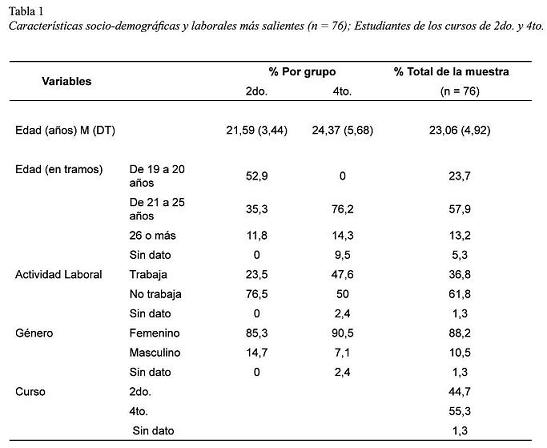
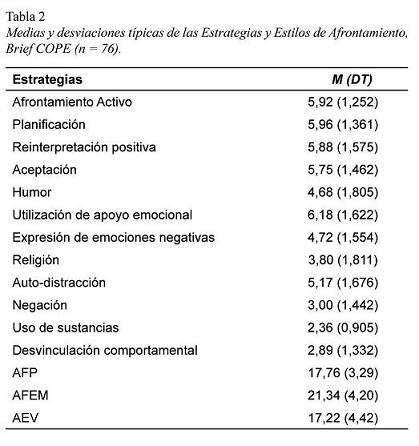
<body><![CDATA[<p class="western" style="margin: 5pt 51.15pt 0.0001pt 1cm; text-align: justify; text-indent: 19.85pt; line-height: 150%;"><span style="font-size: 12pt; line-height: 150%;"><o:p>&nbsp;</o:p></span></p>        <p class="western" style="margin: 5pt 51.15pt 0.0001pt 1cm; text-align: justify; line-height: 150%;"><b><span style="font-size: 12pt; line-height: 150%; font-family: &quot;Arial&quot;,&quot;sans-serif&quot;;">An&aacute;lisis Estad&iacute;stico</span></b><span style="font-size: 12pt; line-height: 150%;"><o:p></o:p></span></p>        <p class="western" style="margin: 5pt 51.15pt 0.0001pt 1cm; text-align: justify; text-indent: 19.85pt; line-height: 150%;"><span style="font-size: 12pt; line-height: 150%; font-family: &quot;Arial&quot;,&quot;sans-serif&quot;;">Para la realizaci&oacute;n del an&aacute;lisis estad&iacute;stico de los datos arrojados por las t&eacute;cnicas administradas, se utiliz&oacute; el paquete estad&iacute;stico SPSS versi&oacute;n 20.0 para Windows. Inicialmente se condujeron an&aacute;lisis de frecuencias y an&aacute;lisis descriptivos para representar los datos. De las escalas utilizadas, se obtuvieron estad&iacute;sticos de normalidad, asimetr&iacute;a y curtosis.</span><span style="font-size: 12pt; line-height: 150%;"><o:p></o:p></span></p>        <p class="western" style="margin: 5pt 51.15pt 0.0001pt 1cm; text-align: justify; text-indent: 19.85pt; line-height: 150%;"><span style="font-size: 12pt; line-height: 150%; font-family: &quot;Arial&quot;,&quot;sans-serif&quot;;">Como medidas de resumen se calcularon las medias, m&iacute;nimos y m&aacute;ximos, y desviaciones t&iacute;picas. Se condujo un an&aacute;lisis correlacional de las variables continuas estudiadas, utilizando el coeficiente de <i>Rho de Spearman</i>, luego de haber realizado pruebas de normalidad y haber constatado un nivel de significatividad p &le; .05.</span><span style="font-size: 12pt; line-height: 150%; font-family: &quot;Georgia&quot;,&quot;serif&quot;;"> </span><span style="font-size: 12pt; line-height: 150%; font-family: &quot;Arial&quot;,&quot;sans-serif&quot;;">Para hallar la normalidad de los tres Estilos y las cinco dimensiones de Ansiedad se llevaron a cabo pruebas <i>Kolmogorov-Smirnov</i>. La informaci&oacute;n recabada permiti&oacute; determinar que la mayor&iacute;a de las distribuciones no fueron normales, considerando estad&iacute;sticamente significativo p &le; .05. para todos los conjuntos de datos. En este sentido decidimos utilizar pruebas param&eacute;tricas (<i>T de Student</i>) y no param&eacute;tricas (<i>U de Mann-Whitney</i>) en la comparaci&oacute;n de medias. Para comparar la informaci&oacute;n referida a la edad agrupada por tramos utilizamos el <i>ANOVA </i>no param&eacute;trico     <br>   (H <i>de Kruskal-Wallis</i>) por tratarse de m&aacute;s de dos grupos. Adicionalmente se condujeron an&aacute;lisis de contingencias para conocer la existencia estad&iacute;stica de asociaci&oacute;n entre las variables categ&oacute;ricas.</span><span style="font-size: 12pt; line-height: 150%;" lang="ES-UY"><o:p></o:p></span></p>        <p class="western" style="margin: 5pt 51.15pt 0.0001pt 1cm; text-align: justify; text-indent: 19.85pt; line-height: 150%;"><span style="font-size: 12pt; line-height: 150%;"><o:p>&nbsp;</o:p></span></p>        <p class="western" style="margin: 5pt 51.15pt 0.0001pt 1cm; text-align: justify; line-height: 150%;"><b><span style="font-size: 12pt; line-height: 150%; font-family: &quot;Arial&quot;,&quot;sans-serif&quot;;">Resultados</span></b><span style="font-size: 12pt; line-height: 150%;"><o:p></o:p></span></p>        <p class="western" style="margin: 5pt 51.15pt 0.0001pt 1cm; text-align: justify; text-indent: 19.85pt; line-height: 150%;"><span style="font-size: 12pt; line-height: 150%; font-family: &quot;Arial&quot;,&quot;sans-serif&quot;;">A continuaci&oacute;n se exponen los principales resultados alcanzados a partir de este estudio, buscando dar respuesta a los objetivos anteriormente descritos. Las Tablas <a href="#T1">1</a> y <a href="#T2">2</a> resumen la informaci&oacute;n referida a las caracter&iacute;sticas socio-demogr&aacute;ficas, laborales y acerca de las puntuaciones obtenidas en relaci&oacute;n a las Estrategias y los Estilos de Afrontamiento.</span><span style="font-size: 12pt; line-height: 150%;"><o:p></o:p></span></p>        <p class="western" style="margin: 5pt 51.15pt 0.0001pt 1cm; text-align: justify; text-indent: 19.85pt; line-height: 150%;"><span style="font-size: 12pt; line-height: 150%; font-family: &quot;Arial&quot;,&quot;sans-serif&quot;;">En la <a href="#T1">Tabla 1</a> puede observarse que el mayor porcentaje de alumnos se encontraba en 4to, con una edad media de 23 a&ntilde;os al momento del estudio (n = 76). Por otro lado, se puede apreciar que la mayor&iacute;a de los participantes ten&iacute;a entre 21 y 25 a&ntilde;os; eran predominantemente mujeres, se encontraban laboralmente inactivos y cursando 4to. a&ntilde;o.</span></p>        <p class="western" style="margin: 5pt 51.15pt 0.0001pt 1cm; text-align: justify; text-indent: 19.85pt; line-height: 150%;"><span style="font-size: 12pt; line-height: 150%;"><o:p>&nbsp;</o:p></span></p>        ]]></body>
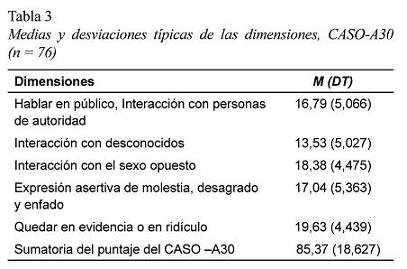
<body><![CDATA[<p class="western" style="margin: 5pt 51.15pt 0.0001pt 1cm; text-align: justify; line-height: 150%;"><a name="T1"></a><img style="width: 547px; height: 448px;" alt="" src="/img/revistas/cp/v7n2/2a06t1.jpg"><span style=""></span><span style="font-size: 12pt; line-height: 150%;" lang="ES-UY"><o:p></o:p></span></p>        <p class="western" style="margin: 5pt 51.15pt 0.0001pt 1cm; text-align: justify; line-height: 150%;"><span style="font-size: 12pt; line-height: 150%;"><o:p>&nbsp;</o:p></span></p>        <p class="western" style="margin: 5pt 51.15pt 0.0001pt 1cm; text-align: justify; line-height: 150%;"><a name="T2"></a><img style="width: 419px; height: 446px;" alt="" src="/img/revistas/cp/v7n2/2a06t2.jpg"><span style=""></span><span style="font-size: 12pt; line-height: 150%;" lang="ES-UY"><o:p></o:p></span></p>        <p class="western" style="margin: 5pt 51.15pt 0.0001pt 1cm; text-align: justify; line-height: 150%;"><span style="font-size: 12pt; line-height: 150%;"><o:p>&nbsp;</o:p></span></p>        <p class="western" style="margin: 5pt 51.15pt 0.0001pt 1cm; text-align: justify; line-height: 150%;"><b><i><span style="font-size: 12pt; line-height: 150%; font-family: &quot;Arial&quot;,&quot;sans-serif&quot;;">An&aacute;lisis descriptivo de los instrumentos utilizados</span></i></b><span style="font-size: 12pt; line-height: 150%;"><o:p></o:p></span></p>        <p class="western" style="margin: 5pt 51.15pt 0.0001pt 1cm; text-align: justify; line-height: 150%;"><span style="font-size: 12pt; line-height: 150%;"><o:p>&nbsp;</o:p></span></p>        <p class="western" style="margin: 5pt 51.15pt 0.0001pt 1cm; text-align: justify; text-indent: 19.85pt; line-height: 150%;"><span style="font-size: 12pt; line-height: 150%; font-family: &quot;Arial&quot;,&quot;sans-serif&quot;;">En la <a href="#T2">Tabla 2</a> se observa que dentro de las subescalas o Estrategias de Afrontamiento que componen el <i>Brief COPE</i>, la m&aacute;s utilizada por los participantes para afrontar el MHP, fue Utilizaci&oacute;n de apoyo emocional, seguida de Planificaci&oacute;n, mientras que las subescalas que recibieron puntuaciones m&aacute;s bajas en general fueron Desvinculaci&oacute;n comportamental y Uso de sustancias. Asimismo, puede observarse que de los tres Estilos de Afrontamiento que componen el instrumento, Afrontamiento Focalizado en la Emoci&oacute;n fue al que m&aacute;s recurrieron los participantes y Afrontamiento Evitativo el utilizado en la minor&iacute;a de los casos, pero el que mayor dispersi&oacute;n presenta en sus puntuaciones.</span><span style="font-size: 12pt; line-height: 150%;" lang="ES-UY"><o:p></o:p></span></p>        <p class="western" style="margin: 5pt 51.15pt 0.0001pt 1cm; text-align: justify; text-indent: 19.85pt; line-height: 150%;"><span style="font-size: 12pt; line-height: 150%; font-family: &quot;Arial&quot;,&quot;sans-serif&quot;;" lang="ES-UY">Dentro de las dimensiones descritas en la <a href="#T3">Tabla 3</a> y que componen el <i>CASO-A30 </i>se puede apreciar que Quedar en Evidencia o en Rid&iacute;culo representa el mayor promedio de Ansiedad asociada al MHP, siendo en segundo lugar Interacci&oacute;n con el Sexo Opuesto la dimensi&oacute;n que mayores grados de Ansiedad report&oacute;, mientras que Interacci&oacute;n con Desconocidos alcanz&oacute; las puntuaciones m&aacute;s bajas en la muestra estudiada.</span><span style="font-size: 12pt; line-height: 150%;" lang="ES-UY"><o:p></o:p></span></p>        <p class="western" style="margin: 5pt 51.15pt 0.0001pt 1cm; text-align: justify; text-indent: 19.85pt; line-height: 150%;"><span style="font-size: 12pt; line-height: 150%;" lang="ES-UY"><o:p>&nbsp;</o:p></span></p>        <p class="western" style="margin: 5pt 51.15pt 0.0001pt 1cm; text-align: justify; text-indent: 19.85pt; line-height: 150%;"><a name="T3"></a><img style="width: 407px; height: 269px;" alt="" src="/img/revistas/cp/v7n2/2a06t3.jpg"><span style=""></span><span style="font-size: 12pt; line-height: 150%;" lang="ES-UY"><o:p></o:p></span></p>        ]]></body>
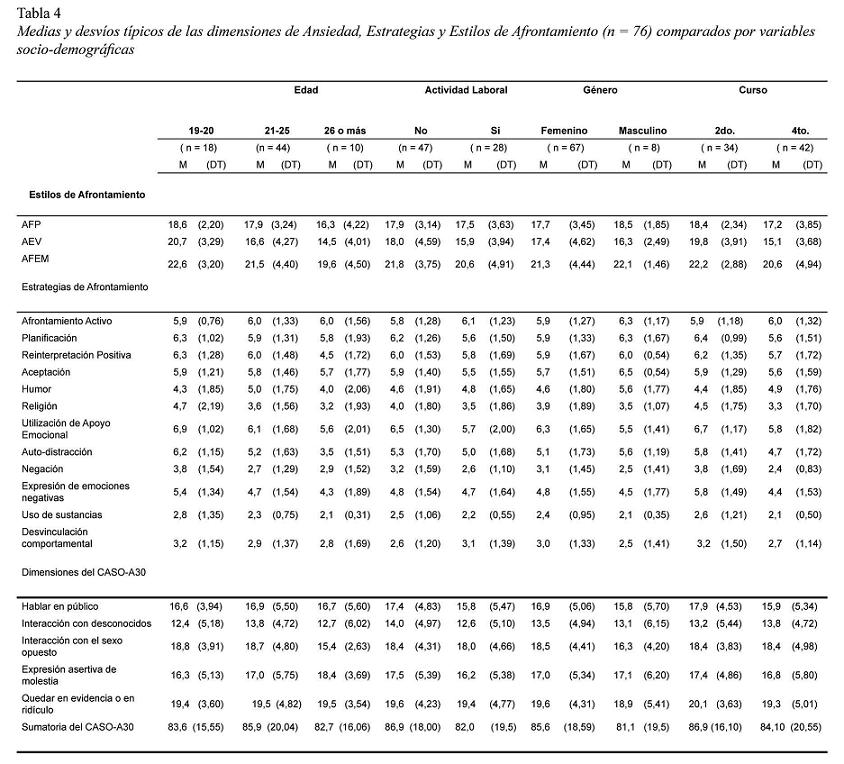
<body><![CDATA[<p class="western" style="margin: 5pt 51.15pt 0.0001pt 1cm; text-align: justify; text-indent: 19.85pt; line-height: 150%;"><span style="font-size: 12pt; line-height: 150%;" lang="ES-UY"><o:p>&nbsp;</o:p></span></p>        <p class="western" style="margin: 5pt 51.15pt 0.0001pt 1cm; text-align: justify; line-height: 150%;"><b><i><span style="font-size: 12pt; line-height: 150%; font-family: &quot;Arial&quot;,&quot;sans-serif&quot;;" lang="ES-UY">An&aacute;lisis descriptivo de las variables socio-demogr&aacute;ficas en relaci&oacute;n al Afrontamiento y los niveles de Ansiedad</span></i></b><span style="font-size: 12pt; line-height: 150%;" lang="ES-UY"><o:p></o:p></span></p>        <p class="western" style="margin: 5pt 51.15pt 0.0001pt 1cm; text-align: justify; line-height: 150%;"><span style="font-size: 12pt; line-height: 150%;" lang="ES-UY"><o:p>&nbsp;</o:p></span></p>        <p class="western" style="margin: 5pt 51.15pt 0.0001pt 1cm; text-align: justify; text-indent: 19.85pt; line-height: 150%;"><span style="font-size: 12pt; line-height: 150%; font-family: &quot;Arial&quot;,&quot;sans-serif&quot;;">A partir de la informaci&oacute;n provista en la <a href="/img/revistas/cp/v7n2/2a06t4.jpg">Tabla 4</a> se pueden observar las interacciones de las distintas variables dependientes con las variables socio-demogr&aacute;ficas. </span><span style="font-size: 12pt; line-height: 150%;"><o:p></o:p></span></p>        <p class="western" style="margin: 5pt 51.15pt 0.0001pt 1cm; text-align: justify; text-indent: 19.85pt; line-height: 150%;"><span style="font-size: 12pt; line-height: 150%;"><o:p>&nbsp;</o:p></span></p>           <p class="western" style="margin: 5pt 51.15pt 0.0001pt 1cm; text-align: justify; line-height: 150%;"><span style="font-size: 12pt; line-height: 150%;"><o:p>&nbsp;</o:p></span></p>        <p class="western" style="margin: 5pt 51.15pt 0.0001pt 1cm; text-align: justify; text-indent: 21.25pt; line-height: 150%;"><span style="font-size: 12pt; line-height: 150%; font-family: &quot;Arial&quot;,&quot;sans-serif&quot;;">En relaci&oacute;n a los Estilos de Afrontamiento, se observa que AFP present&oacute; una disminuci&oacute;n en la frecuencia para Afrontar el MHP conforme aument&oacute; la edad de los estudiantes, contrariamente a lo observado con AEV (a mayor edad, menor valor promedio).</span><span style="font-size: 12pt; line-height: 150%;"><o:p></o:p></span></p>        <p class="western" style="margin: 5pt 51.15pt 0.0001pt 1cm; text-align: justify; text-indent: 19.85pt; line-height: 150%;"><span style="font-size: 12pt; line-height: 150%; font-family: &quot;Arial&quot;,&quot;sans-serif&quot;;">En relaci&oacute;n a la actividad laboral, no se encontraron grandes diferencias en cuanto a la preferencia por un Estilo, a excepci&oacute;n del Afrontamiento Evitativo que para aquellos laboralmente inactivos indic&oacute; una media     <br>   (<i>M = </i>18,0) y para los participantes laboralmente activos (<i>M =</i> 15,9), siendo de los 3 Estilos el que present&oacute; mayores diferencias de acuerdo a la actividad laboral.</span><span style="font-size: 12pt; line-height: 150%;" lang="ES-UY"><o:p></o:p></span></p>        <p class="western" style="margin: 5pt 51.15pt 0.0001pt 1cm; text-align: justify; text-indent: 19.85pt; line-height: 150%;"><span style="font-size: 12pt; line-height: 150%; font-family: &quot;Arial&quot;,&quot;sans-serif&quot;;">Se pudo observar que las mujeres registraron puntuaciones m&aacute;s elevadas en Afrontamiento Evitativo (<i>M </i>= 17,4) que los hombres (<i>M </i>= 16,3) y &eacute;stos utilizaron m&aacute;s el Afrontamiento Focalizado en el Problema y Focalizado en las Emociones (<i>M </i>= 18,5 y <i>M</i> = 22,1, respectivamente) que las mujeres.</span><span style="font-size: 12pt; line-height: 150%;" lang="ES-UY"><o:p></o:p></span></p>        ]]></body>
<body><![CDATA[<p class="western" style="margin: 5pt 51.15pt 0.0001pt 1cm; text-align: justify; text-indent: 19.85pt; line-height: 150%;"><span style="font-size: 12pt; line-height: 150%; font-family: &quot;Arial&quot;,&quot;sans-serif&quot;;">La mayor diferencia registrada al comparar los Estilos seg&uacute;n el curso, fue la registrada en Afrontamiento Evitativo entre los estudiantes de 2do. (<i>M = </i>19,8) y 4to. (<i>M =</i> 15,1). </span><span style="font-size: 12pt; line-height: 150%;" lang="ES-UY"><o:p></o:p></span></p>        <p class="western" style="margin: 5pt 51.15pt 0.0001pt 1cm; text-align: justify; text-indent: 19.85pt; line-height: 150%;"><span style="font-size: 12pt; line-height: 150%; font-family: &quot;Arial&quot;,&quot;sans-serif&quot;;">Las dimensiones del Cuestionario de Ansiedad Social para Adultos <i>(CASO-A30) </i>(<a href="#Caballo">Caballo</a> et al. 2010) indicaron que Interacci&oacute;n con el Sexo Opuesto present&oacute; diferencias seg&uacute;n el g&eacute;nero. Los hombres consideraron esta situaci&oacute;n con menores niveles de MHP (<i>M = </i>16,3) que las mujeres (<i>M = </i>18,5). Vinculando la misma dimensi&oacute;n con la edad, se identific&oacute; que quienes ten&iacute;an m&aacute;s de 26 a&ntilde;os registraron menores valores de MHP (<i>M =</i> 15,4), interpret&aacute;ndose como que hallaron menos ansi&oacute;genas las situaciones en las que debieran interactuar con personas del sexo opuesto los estudiantes de mayor edad. Sin embargo, Expresi&oacute;n Asertiva de Molestia present&oacute; resultados inversos a los reci&eacute;n mencionados ya que conforme aumentaba la edad (19-20 M = 16,3; 21-25 <i>M = </i>17,0; 26 o m&aacute;s <i>M = </i>18,4) se hallaron mayores valores lo que podr&iacute;an interpretarse como que a m&aacute;s edad, m&aacute;s MHP produc&iacute;an aquellas situaciones en las que debieran comunicar en forma clara y precisa una molestia. </span><span style="font-size: 12pt; line-height: 150%;" lang="ES-UY"><o:p></o:p></span></p>        <p class="western" style="margin: 5pt 51.15pt 0.0001pt 1cm; text-align: justify; text-indent: 19.85pt; line-height: 150%;"><span style="font-size: 12pt; line-height: 150%; font-family: &quot;Arial&quot;,&quot;sans-serif&quot;;">La situaci&oacute;n de Hablar en P&uacute;blico obtuvo mayores puntuaciones entre los estudiantes que no trabajaban (<i>M = </i>17,4) que entre los que s&iacute; lo hac&iacute;an (<i>M =</i> 15,8); entre las mujeres (<i>M</i> = 16,9) que entre los hombres (<i>M = </i>15,8); entre los alumnos de 2do. (<i>M = </i>17,9) que entre los de 4to (<i>M =</i> 15,9), indicando que a excepci&oacute;n de la edad, el resto de las variables socio-demogr&aacute;ficas (g&eacute;nero, actividad laboral y el curso) contribuir&iacute;an a distinguir niveles diferenciales de MHP en la muestra estudiada. </span><span style="font-size: 12pt; line-height: 150%;" lang="ES-UY"><o:p></o:p></span></p>        <p class="western" style="margin: 5pt 51.15pt 0.0001pt 1cm; text-align: justify; text-indent: 19.85pt; line-height: 150%;"><span style="font-size: 12pt; line-height: 150%; font-family: &quot;Arial&quot;,&quot;sans-serif&quot;;">Interacci&oacute;n con Desconocidos obtuvo mayores puntuaciones entre los estudiantes que no trabajaban (<i>M =</i> 14,0) que los que s&iacute; lo hac&iacute;an (<i>M = </i>12,6). </span><span style="font-size: 12pt; line-height: 150%;" lang="ES-UY"><o:p></o:p></span></p>        <p class="western" style="margin: 5pt 51.15pt 0.0001pt 1cm; text-align: justify; text-indent: 19.85pt; line-height: 150%;"><span style="font-size: 12pt; line-height: 150%; font-family: &quot;Arial&quot;,&quot;sans-serif&quot;;">La dimensi&oacute;n Quedar en Evidencia o en Rid&iacute;culo marc&oacute; una leve diferencia entre hombres (<i>M = </i>18,9) y mujeres (M = 19,6), as&iacute; como entre 2do<sup> </sup>(<i>M =</i> 20,1) y 4to (<i>M =</i> 19,3), interpret&aacute;ndose que tanto para las mujeres como para los estudiantes de 2do, este tipo de situaciones podr&iacute;a conllevar mayores niveles de ansiedad en relaci&oacute;n a los hombres y a los alumnos de 4to.</span><span style="font-size: 12pt; line-height: 150%;" lang="ES-UY"><o:p></o:p></span></p>        <p class="western" style="margin: 5pt 51.15pt 0.0001pt 1cm; text-align: justify; text-indent: 19.85pt; line-height: 150%;"><span style="font-size: 12pt; line-height: 150%;" lang="ES-UY"><o:p>&nbsp;</o:p></span></p>        <p class="western" style="margin: 5pt 51.15pt 0.0001pt 1cm; text-align: justify; line-height: 150%;"><b><i><span style="font-size: 12pt; line-height: 150%; font-family: &quot;Arial&quot;,&quot;sans-serif&quot;;" lang="ES-UY">Asociaciones de las Estrategias, Estilos, dimensiones de Ansiedad y Edad</span></i></b><span style="font-size: 12pt; line-height: 150%;" lang="ES-UY"><o:p></o:p></span></p>        <p class="western" style="margin: 5pt 51.15pt 0.0001pt 1cm; text-align: justify; text-indent: 19.85pt; line-height: 150%;"><span style="font-size: 12pt; line-height: 150%;" lang="ES-UY"><o:p>&nbsp;</o:p></span></p>        <p class="western" style="margin: 5pt 51.15pt 0.0001pt 1cm; text-align: justify; text-indent: 14.2pt; line-height: 150%;"><span style="font-size: 12pt; line-height: 150%; font-family: &quot;Arial&quot;,&quot;sans-serif&quot;;">A continuaci&oacute;n, se presenta el estudios correlacional de las variables continuas analizadas, para lo cual se utiliz&oacute; el coeficiente de Rho de Spearman, luego de haber realizado pruebas de normalidad, con un nivel de significatividad p &le; .05. </span><span style="font-size: 12pt; line-height: 150%;" lang="ES-UY"><o:p></o:p></span></p>        <p class="western" style="margin: 5pt 51.15pt 0.0001pt 1cm; text-align: justify; text-indent: 19.85pt; line-height: 150%;"><span style="font-size: 12pt; line-height: 150%; font-family: &quot;Arial&quot;,&quot;sans-serif&quot;;">La <a href="/img/revistas/cp/v7n2/2a06t5.jpg">Tabla 5</a> refleja las correlaciones significativas halladas entre las distintas variables. Por ejemplo, el Estilo AEV (<i>r</i> = -0.400**), la dimensi&oacute;n Interacci&oacute;n con el Sexo Opuesto (r = -0.238*) y las Estrategias Reinterpretaci&oacute;n Positiva (<i>r </i>= -0.260*), Religi&oacute;n (<i>r </i>= -0.238*) y Autodistracci&oacute;n (r = -0,413**) han correlacionado negativamente con la edad, indicando que cuanto menor edad ten&iacute;an los estudiantes mayor la tendencia a utilizar el distanciamiento mental o conductual para afrontar el MHP, mayores niveles de Ansiedad les producir&iacute;an situaciones en las que debieran interactuar con personas del sexo opuesto y mayor probabilidad de Afrontar el MHP valorando los estresores desde una perspectiva optimista, refugi&aacute;ndose en la religi&oacute;n como apoyo emocional y tomando distancia, concentr&aacute;ndose en otros proyectos. </span><span style="font-size: 12pt; line-height: 150%;" lang="ES-UY"><o:p></o:p></span></p>        ]]></body>
<body><![CDATA[<p class="western" style="margin: 5pt 51.15pt 0.0001pt 1cm; text-align: justify; text-indent: 19.85pt; line-height: 150%;"><span style="font-size: 12pt; line-height: 150%;" lang="ES-UY"><o:p>&nbsp;</o:p></span></p>        <p class="western" style="margin: 5pt 51.15pt 0.0001pt 1cm; text-align: justify; text-indent: 19.85pt; line-height: 150%;"><span style="font-size: 12pt; line-height: 150%;" lang="ES-UY"><o:p>&nbsp;</o:p></span></p>        <p class="western" style="margin: 5pt 51.15pt 0.0001pt 1cm; text-align: justify; text-indent: 19.85pt; line-height: 150%;"><span style="font-size: 12pt; line-height: 150%; font-family: &quot;Arial&quot;,&quot;sans-serif&quot;;">El Estilo de Afrontamiento Focalizado en el Problema (AFP) correlacion&oacute; positivamente con la dimensi&oacute;n Interacci&oacute;n con el Sexo Opuesto (r = 0.229*) lo que seg&uacute;n <a name="Carveref2"></a><a href="#Carver_2">Carver</a> et al. (1993); <a href="#Folkman">Folkman</a> y <a href="#Lazarus">Lazarus</a>, (1984) se podr&iacute;a interpretar indicando que aquellos estudiantes que utilizaban un conjunto de Estrategias m&aacute;s dirigidas a resolver el problema y a suprimir las actividades distractoras como Afrontamiento activo, Planificaci&oacute;n, Reinterpretaci&oacute;n positiva y Aceptaci&oacute;n, coincidir&iacute;an con aquellos que m&aacute;s interacci&oacute;n con el sexo opuesto buscan tener pese al MHP. De las dimensiones de Ansiedad que recoge el <i>CASO-A30</i>, Hablar en P&uacute;blico <i>(r </i>= 0.243*), Interacci&oacute;n con Desconocidos     <br>   (r = 0.245*) y <i>CASO-A30</i> Total (<i>r</i> = 0.285*) correlacionaron positivamente con AEV, lo que seg&uacute;n <a name="Brennan_ref"></a><a href="#Brennan">Brennan</a>, Holahan, Holahan, Moos y Schutte (2005), indicar&iacute;a que aquellos estudiantes a quienes las situaciones de exposici&oacute;n ante un p&uacute;blico y tener que interactuar con personas desconocidas les significara afrontar un estresor, presentar&iacute;an una tendencia a distanciarse tanto mental como conductualmente y negar el evento estresante utilizando el humor para ello. Tambi&eacute;n se deduce de estas correlaciones que cuanto mayores sean los niveles de Ansiedad total que indica el <i>CASO-A30</i> frente al MHP, mayor es la probabilidad que el estudiante utilice un Estilo Evitativo para afrontarlo. </span><span style="font-size: 12pt; line-height: 150%;" lang="ES-UY"><o:p></o:p></span></p>        <p class="western" style="margin: 5pt 51.15pt 0.0001pt 1cm; text-align: justify; text-indent: 19.85pt; line-height: 150%;"><span style="font-size: 12pt; line-height: 150%; font-family: &quot;Arial&quot;,&quot;sans-serif&quot;;">El Estilo de Afrontamiento Focalizado en la Emoci&oacute;n (AFEM) tambi&eacute;n correlacion&oacute; positivamente con el total del <i>CASO-A30</i> (<i>r</i> = 0.251*) y con la dimensi&oacute;n Expresi&oacute;n Asertiva de Molestia Desagrado y Enfado (<i>r </i>= 0.271*) lo que seg&uacute;n <a href="#Folkman">Folkman</a> y <a href="#Lazarus">Lazarus</a> (1984); <a name="Carveref1"></a><a href="#Carver_1">Carver</a>, Scheier y Wientraub (1989); <a name="Admiraal_ref"></a><a href="#Admiraal">Admiraal</a>, Korthagen y Wubbels (2000); podr&iacute;a estar indicando que para aquellos estudiantes a quienes expresar en forma clara y asertiva la molestia les representara valores elevados de MHP tendr&iacute;an una tendencia a elegir Estrategias de Afrontamiento como la Utilizaci&oacute;n de apoyo emocional, Expresi&oacute;n de emociones negativas, Aceptaci&oacute;n y Humor. La Estrategia de Afrontamiento activo correlacion&oacute; positivamente con la dimensi&oacute;n Interacci&oacute;n con el Sexo Opuesto (r = 0.243*) indicando que los alumnos que se centran en conocer los pasos necesarios para eliminar la fuente del MHP manifestar&iacute;an una tendencia a interactuar con personas del g&eacute;nero opuesto. </span><span style="font-size: 12pt; line-height: 150%;" lang="ES-UY"><o:p></o:p></span></p>        <p class="western" style="margin: 5pt 51.15pt 0.0001pt 1cm; text-align: justify; text-indent: 19.85pt; line-height: 150%;"><span style="font-size: 12pt; line-height: 150%; font-family: &quot;Arial&quot;,&quot;sans-serif&quot;;">La dimensi&oacute;n Quedar en Evidencia o en Rid&iacute;culo correlacion&oacute; positivamente con la Estrategia Negaci&oacute;n (<i>r </i>= 0.257*) lo que indicar&iacute;a que a m&aacute;s MHP manifestado por los alumnos al quedar en evidencia, mayor ser&iacute;a la tendencia a rechazar la realidad del problema en una primera valoraci&oacute;n de la situaci&oacute;n. </span><span style="font-size: 12pt; line-height: 150%;" lang="ES-UY"><o:p></o:p></span></p>        <p class="western" style="margin: 5pt 51.15pt 0.0001pt 1cm; text-align: justify; text-indent: 19.85pt; line-height: 150%;"><span style="font-size: 12pt; line-height: 150%; font-family: &quot;Arial&quot;,&quot;sans-serif&quot;;">En relaci&oacute;n a la puntuaci&oacute;n total del <i>CASO-A30</i> se encontr&oacute; que correlacion&oacute; positivamente con Utilizaci&oacute;n de apoyo emocional (<i>r</i> = 0.236*), Negaci&oacute;n <i>(r </i>= 0.314**), Expresi&oacute;n de emociones negativas (<i>r </i>= 0.261*) y Desvinculaci&oacute;n comportamental (<i>r </i>= 0.328**), lo que estar&iacute;a indicando que a mayor puntuaci&oacute;n total alcanzada por los estudiantes frente al MHP, mayor es la tendencia a elegir Estrategias de Afrontamiento evitativas o centradas en la emoci&oacute;n y con ello, menor la tendencia a centrarse en el problema para resolverlo. </span><span style="font-size: 12pt; line-height: 150%;" lang="ES-UY"><o:p></o:p></span></p>        <p class="western" style="margin: 5pt 51.15pt 0.0001pt 1cm; text-align: justify; text-indent: 19.85pt; line-height: 150%;"><span style="font-size: 12pt; line-height: 150%; font-family: &quot;Arial&quot;,&quot;sans-serif&quot;;">Si bien no se encontr&oacute; una correlaci&oacute;n entre la edad y la Desvinculaci&oacute;n comportamental (<i>p</i> = .12, <i>r</i> = -0.184), ni con la Utilizaci&oacute;n de apoyo emocional (<i>p </i>= .10, <i>r </i>= -0.194), ni con la Expresi&oacute;n de emociones negativas (<i>p</i> = .06,     <br>   <i>r</i> = -0.226), ni con los niveles de Ansiedad total del <i>CASO-A30</i>, se podr&iacute;a decir que hay cierta asociaci&oacute;n inversa o negativa, por lo que podr&iacute;a pensarse que a m&aacute;s edad, menor la tendencia de los estudiantes de elegir Estilos de Afrontamiento Evitativos o Focalizados en la Emoci&oacute;n para afrontar el MHP, as&iacute; como tambi&eacute;n menores los niveles de Ansiedad que les producir&iacute;a Hablar en P&uacute;blico. </span><span style="font-size: 12pt; line-height: 150%;" lang="ES-UY"><o:p></o:p></span></p>        <p class="western" style="margin: 5pt 51.15pt 0.0001pt 1cm; text-align: justify; text-indent: 19.85pt; line-height: 150%;"><span style="font-size: 12pt; line-height: 150%; font-family: &quot;Arial&quot;,&quot;sans-serif&quot;;">Adicionalmente, se condujeron an&aacute;lisis de contingencias para estudiar la posible asociaci&oacute;n entre las variables categ&oacute;ricas. Las variables g&eacute;nero y curso no presentaron una asociaci&oacute;n estad&iacute;sticamente significativa entre s&iacute; (Raz&oacute;n de Verosimilitud = 0.30); es decir, tanto el g&eacute;nero femenino como el masculino indicaron ser variables que no se encontrar&iacute;an asociadas al a&ntilde;o que cursaban los participantes. Las variables g&eacute;nero y trabajo tampoco presentaron asociaci&oacute;n estad&iacute;stica significativa (Raz&oacute;n de Verosimilitud = 0.13), indicando que la presencia o ausencia de actividad laboral no estar&iacute;a asociada al hecho de ser hombre o mujer. </span><span style="font-size: 12pt; line-height: 150%;"><o:p></o:p></span></p>        ]]></body>
<body><![CDATA[<p class="western" style="margin: 5pt 51.15pt 0.0001pt 1cm; text-align: justify; text-indent: 19.85pt; line-height: 150%;"><span style="font-size: 12pt; line-height: 150%; font-family: &quot;Arial&quot;,&quot;sans-serif&quot;;">Las variables trabajo y curso mostraron una asociaci&oacute;n estad&iacute;stica significativa entre s&iacute; (Raz&oacute;n de Verosimilitud = 0.04) con una magnitud moderada (V de Cramer = 0.279), encontr&aacute;ndose los estudiantes de 4to laboralmente activos en mayor medida que los de 2do. Lo mismo sucede con las variables edad y curso, entre ellas se encontr&oacute; una asociaci&oacute;n estad&iacute;sticamente significativa (Raz&oacute;n de Verosimilitud = 0.00) con una magnitud fuerte     <br>   (V de Cramer = 0.640) que se traduce al decir que la edad podr&iacute;a estar asociada significativamente al curso en la carrera, dadas las caracter&iacute;sticas curriculares que exigen comenzar con edades m&aacute;s cercanas a los 19-20 a&ntilde;os y en 4to. tener por tanto m&aacute;s de 20 a&ntilde;os como lo indican los porcentajes de los distintos tramos etarios.</span><span style="font-size: 12pt; line-height: 150%;"><o:p></o:p></span></p>        <p class="western" style="margin: 5pt 51.15pt 0.0001pt 1cm; text-align: justify; text-indent: 19.85pt; line-height: 150%;"><span style="font-size: 12pt; line-height: 150%;"><o:p>&nbsp;</o:p></span></p>        <p class="western" style="margin: 5pt 51.15pt 0.0001pt 1cm; text-align: justify; line-height: 150%;"><b><span style="font-size: 12pt; line-height: 150%; font-family: &quot;Arial&quot;,&quot;sans-serif&quot;;">Discusi&oacute;n</span></b><span style="font-size: 12pt; line-height: 150%;"><o:p></o:p></span></p>        <p class="western" style="margin: 5pt 51.15pt 0.0001pt 1cm; text-align: justify; text-indent: 19.85pt; line-height: 150%;"><span style="font-size: 12pt; line-height: 150%;"><o:p>&nbsp;</o:p></span></p>        <p class="western" style="margin: 5pt 51.15pt 0.0001pt 1cm; text-align: justify; text-indent: 19.85pt; line-height: 150%;"><span style="font-size: 12pt; line-height: 150%; font-family: &quot;Arial&quot;,&quot;sans-serif&quot;;">El Estilo Focalizado en la Emoci&oacute;n fue el que se utiliz&oacute; en mayor medida por los estudiantes. Por su parte, Utilizaci&oacute;n de apoyo emocional fue la Estrategia que alcanz&oacute; mayores puntuaciones medias. Una posible explicaci&oacute;n a estos resultados podr&iacute;a radicar en la composici&oacute;n de la muestra, predominantemente femenina y seg&uacute;n <a href="#Guevremont">Guevremont</a> et al. </span><span style="font-size: 12pt; line-height: 150%; font-family: &quot;Arial&quot;,&quot;sans-serif&quot;;" lang="EN-US">(1989); <a href="#Bird">Bird</a> y Harris (1990);&nbsp;Frydenberg y Lewis (<a href="#Frydenberg">1991</a>, <a href="#Frydenberg_1">1993</a>, <a href="#Frydenberg_2">1999</a>); <a href="#Bolognini">Bolognini</a> y Plancherel (1995); <a href="#Copeland">Copeland</a> y Hess (1995); <a href="#Zeidner">Zeidner</a> (1995); <a href="#Bolognini_1">Bolognini</a> et al. </span><span style="font-size: 12pt; line-height: 150%; font-family: &quot;Arial&quot;,&quot;sans-serif&quot;;">(1998); <a href="#Frydenberg_3">Frydenberg</a> et al. (1996); <a href="#Noam">Noam</a> y Recklitis (1999); <a href="#Washburn">Washburn</a> (2000) y <a href="#Maslach">Maslach</a> y Reevy (2001), las mujeres suelen utilizar Estrategias de Afrontamiento centradas en la emoci&oacute;n en mayor medida que los hombres, quienes evidenciar&iacute;an una tendencia a elegir Estrategias de Afrontamiento m&aacute;s activas y dirigidas a solucionar el problema, <a href="#Nolen-Hoeksema">Nolen-Hoeksema</a> (1994). </span><span style="font-size: 12pt; line-height: 150%;" lang="ES-UY"><o:p></o:p></span></p>        <p class="western" style="margin: 5pt 51.15pt 0.0001pt 1cm; text-align: justify; text-indent: 19.85pt; line-height: 150%;"><span style="font-size: 12pt; line-height: 150%; font-family: &quot;Arial&quot;,&quot;sans-serif&quot;;">Al comparar el uso que hicieron ambos grupos de los Estilos de Afrontamiento, las frecuencias encontradas indicaron que los alumnos de 2do. utilizaron con mayor frecuencia el Estilo de Afrontamiento Evitativo (AEV) que los de 4to. Este Estilo correlacion&oacute; negativamente con la edad, con la dimensi&oacute;n Interacci&oacute;n con el Sexo Opuesto y con Estrategias como Reinterpretaci&oacute;n Positiva, Religi&oacute;n y Autodistracci&oacute;n. Esto podr&iacute;a estar indicando que cuanto menor edad ten&iacute;an los estudiantes, mayor la tendencia a utilizar el distanciamiento mental o conductual para afrontar el MHP, mayores niveles de Ansiedad les producir&iacute;an las situaciones en las que debieran interactuar con personas del sexo opuesto y mayor probabilidad de Afrontar el MHP valorando los estresores desde una perspectiva optimista, refugi&aacute;ndose en la religi&oacute;n como apoyo emocional y tomando distancia, o concentr&aacute;ndose en otros proyectos. </span><span style="font-size: 12pt; line-height: 150%;"><o:p></o:p></span></p>        <p class="western" style="margin: 5pt 51.15pt 0.0001pt 1cm; text-align: justify; text-indent: 19.85pt; line-height: 150%;"><span style="font-size: 12pt; line-height: 150%; font-family: &quot;Arial&quot;,&quot;sans-serif&quot;;">De hecho, la diferencia del uso entre ambos grupos del Afrontamiento Evitativo (AEV) fue la m&aacute;s significativa y evidente. <a href="#Heinrich">Heinrich</a> y Spielberg (1982) y <a href="#Casullo">Casullo</a> y Fern&aacute;ndez (2001) sugieren como explicaci&oacute;n a esta correlaci&oacute;n, que el nivel de estudios alcanzado correlaciona negativamente con Estrategias centradas en la Emoci&oacute;n o Evitativas y por el contrario se asocia fuertemente con Estrategias focalizados en resolver el problema o modificar el estresor. Sin embargo, al comparar las frecuencias entre los grupos, en relaci&oacute;n al Estilo Focalizado en el Problema (AFP) no fueron halladas diferencias significativas entre los estudiantes de 2do y 4to. Contrariamente a lo establecido por <a href="#Contini">Contini</a> et al. (2009) y a nuestra hip&oacute;tesis, se observ&oacute; un incremento en el uso de este Estilo para los estudiantes de 2do. en relaci&oacute;n a que los de 4to. Esta diferencia no es significativa y ello podr&iacute;a deberse al peque&ntilde;o n&uacute;mero de participantes que compusieron la muestra total y a cada grupo (34 alumnos en 2do y 42 en 4to). </span><span style="font-size: 12pt; line-height: 150%;"><o:p></o:p></span></p>        <p class="western" style="margin: 5pt 51.15pt 0.0001pt 1cm; text-align: justify; text-indent: 19.85pt; line-height: 150%;"><span style="font-size: 12pt; line-height: 150%; font-family: &quot;Arial&quot;,&quot;sans-serif&quot;;">De acuerdo a lo sugerido por <a href="#Casullo">Casullo</a> y Fern&aacute;ndez (2001), una mayor edad marcar&iacute;a una tendencia a elegir Estrategias y Estilos de Afrontamiento focalizados en resolver el problema (AFP). Sin embargo, al comparar ambos grupos se pudo observar que a medida que aumentaba la edad, se mantuvo el uso del AFP entre los tramos etarios, entre los hombres y las mujeres, incluso entre los laboralmente activos o no, con variaciones m&iacute;nimas que no alcanzaron la significaci&oacute;n , por lo que se acepta parcialmente la hip&oacute;tesis al respecto. </span><span style="font-size: 12pt; line-height: 150%;"><o:p></o:p></span></p>        <p class="western" style="margin: 5pt 51.15pt 0.0001pt 1cm; text-align: justify; text-indent: 19.85pt; line-height: 150%;"><span style="font-size: 12pt; line-height: 150%; font-family: &quot;Arial&quot;,&quot;sans-serif&quot;;">Entendemos oportuno considerar, ante este desencuentro entre lo propuesto por <a href="#Casullo">Casullo</a> y Fern&aacute;ndez (2001) y los resultados que arrojan nuestros datos, que si bien la tendencia hallada por ellos se vincula con una elecci&oacute;n de Estrategias avocadas a resolver el problema conforme aumenta la edad, para nuestra investigaci&oacute;n los rangos etarios son muy pr&oacute;ximas entre s&iacute;. Este dato podr&iacute;a explicar en cierta medida la tendencia observada al comparar los Estilos de Afrontamiento, dividiendo a la muestra en grupos de edad de manera electiva. En este sentido, se observ&oacute; que AFP y AFEM se mantuvieron pr&oacute;ximos en sus promedios, sin mayores diferenciaciones entre los tres grupos etarios, a excepci&oacute;n del Afrontamiento Evitativo (AEV), que present&oacute; una correlaci&oacute;n negativa con la edad. </span><span style="font-size: 12pt; line-height: 150%;"><o:p></o:p></span></p>        ]]></body>
<body><![CDATA[<p class="western" style="margin: 5pt 51.15pt 0.0001pt 1cm; text-align: justify; text-indent: 19.85pt; line-height: 150%;"><span style="font-size: 12pt; line-height: 150%; font-family: &quot;Arial&quot;,&quot;sans-serif&quot;;">Una lectura de la asociaci&oacute;n inversa o negativa de las variables que no llegaron a arrojar correlaciones estad&iacute;sticamente significativas podr&iacute;a llegar a se&ntilde;alar que a mayor edad, menores niveles de Ansiedad y menor uso de Estilos centrados en la emoci&oacute;n o por evitaci&oacute;n del estresor, tal como lo indica la literatura cient&iacute;fica al respecto. No obstante, el tama&ntilde;o de la muestra podr&iacute;a dificultar el hallazgo de significaci&oacute;n estad&iacute;stica de las asociaciones como para registrase una correlaci&oacute;n negativa entre la edad y AFEM, o como lo sugiere la literatura, mayor uso de AFP. </span><span style="font-size: 12pt; line-height: 150%;"><o:p></o:p></span></p>        <p class="western" style="margin: 5pt 51.15pt 0.0001pt 1cm; text-align: justify; text-indent: 19.85pt; line-height: 150%;"><span style="font-size: 12pt; line-height: 150%; font-family: &quot;Arial&quot;,&quot;sans-serif&quot;;">De las dimensiones de Ansiedad que recoge el <i>CASO-A30</i>, Hablar en P&uacute;blico, Interacci&oacute;n con Desconocidos y la sumatoria de las puntuaciones (<i>CASO-A30</i> Total) correlacionaron positivamente con AEV, indicando que aquellos estudiantes a quienes las situaciones de exposici&oacute;n ante un p&uacute;blico y tener que interactuar con personas desconocidas les significara afrontar un estresor, presentar&iacute;an una tendencia a distanciarse tanto mental como conductualmente y negar el evento estresante, utilizando el humor para ello, de acuerdo a lo sugerido por <a href="#Brennan">Brennan</a> et al. (2005). Asimismo, se desprende de estas correlaciones que cuanto mayores sean los niveles de Ansiedad total (<i>CASO-A30</i> Total) mayor es la probabilidad de que el estudiante utilice un Estilo Evitativo para afrontar el MHP. </span><span style="font-size: 12pt; line-height: 150%;" lang="ES-UY"><o:p></o:p></span></p>        <p class="western" style="margin: 5pt 51.15pt 0.0001pt 1cm; text-align: justify; text-indent: 19.85pt; line-height: 150%;"><span style="font-size: 12pt; line-height: 150%; font-family: &quot;Arial&quot;,&quot;sans-serif&quot;;">El Estilo de Afrontamiento Focalizado en el Problema (AFP) correlacion&oacute; positivamente con la dimensi&oacute;n Interacci&oacute;n con el Sexo Opuesto, lo que seg&uacute;n <a href="#Carver_2">Carver</a> et al. (1993) y <a href="#Folkman">Folkman</a> y <a href="#Lazarus">Lazarus</a> (1984) podr&iacute;a indicar que aquellos estudiantes que utilizaban un conjunto de Estrategias dirigidas a resolver el problema y a suprimir las actividades distractoras como Afrontamiento activo, Planificaci&oacute;n, Reinterpretaci&oacute;n Positiva y Aceptaci&oacute;n, coincidir&iacute;an con aquellos que m&aacute;s interacci&oacute;n con el sexo opuesto buscan pese al MHP que ello les pueda significar. </span><span style="font-size: 12pt; line-height: 150%;"><o:p></o:p></span></p>        <p class="western" style="margin: 5pt 51.15pt 0.0001pt 1cm; text-align: justify; text-indent: 19.85pt; line-height: 150%;"><span style="font-size: 12pt; line-height: 150%; font-family: &quot;Arial&quot;,&quot;sans-serif&quot;;">En cuanto a la incidencia de variables socio-demogr&aacute;ficas, al comparar por g&eacute;nero los niveles MHP se observaron diferencias que ubicar&iacute;an a las mujeres con un mayor promedio que los hombres como lo sugirieron <a href="#Bados_1">Bados</a> (1992); <a href="#Forde">Forde</a> et al. (1996); <a href="#Fernandez-Turrado">Fern&aacute;ndez-Turrado</a> et al. (2005) y <a href="#Caballo">Caballo</a> et al. (2010). Este dato, al igual que un mayor uso del Estilo Focalizado en la Emoci&oacute;n utilizado por las mujeres (si bien en nuestro estudio no se evidenci&oacute;, pero tampoco se hallaron diferencias significativas en relaci&oacute;n al uso que hacen de AFEM los hombres), podr&iacute;a ser interpretado a la luz de la informaci&oacute;n cient&iacute;fica recabada. Podr&iacute;a pensarse que las mujeres manifestar&iacute;an mayores niveles de MHP que los hombres dado que frente a estresores evidenciar&iacute;an una tendencia a focalizarse en la Emoci&oacute;n -a diferencia de los hombres que recurrir&iacute;an a Estrategias de Afrontamiento m&aacute;s activas y centradas en resolver el problema- (<a href="#Nolen-Hoeksema">Nolen-Hoeksema</a>, 1994). Los hombres hicieron un mayor uso del Afrontamiento Focalizado en el Problema, confirm&aacute;ndose de esta manera las hip&oacute;tesis mencionadas al respecto. Sin embargo, no fueron halladas diferencias que hablen de un mayor uso del Afrontamiento Focalizado en la Emoci&oacute;n entre las mujeres como lo sugieren <a href="#Guevremont">Guevremont</a> et al. </span><span style="font-size: 12pt; line-height: 150%; font-family: &quot;Arial&quot;,&quot;sans-serif&quot;;" lang="EN-US">(1989); <a href="#Bird">Bird</a> y Harris (1990); Frydenberg y Lewis (<a href="#Frydenberg">1991</a>, <a href="#Frydenberg_1">1993</a>, <a href="#Frydenberg_2">1999</a>); <a href="#Bolognini">Bolognini</a> y Plancherel (1995); <a href="#Copeland">Copeland</a> y Hess (1995); <a href="#Zeidner">Zeidner</a> (1995); <a href="#Bolognini_1">Bolognini</a> et al. </span><span style="font-size: 12pt; line-height: 150%; font-family: &quot;Arial&quot;,&quot;sans-serif&quot;;">(1998); <a href="#Frydenberg_3">Frydenberg</a> et al. (1996); <a href="#Noam">Noam</a> y Recklitis (1999); <a href="#Washburn">Washburn</a> (2000) y <a href="#Maslach">Maslach</a> y Reevy (2001), aunque s&iacute; puntuaciones con mayores desviaciones t&iacute;picas, mientras que los hombres registraron desviaciones t&iacute;picas m&aacute;s concentradas. Observando las correlaciones, se puede apreciar que AFEM tambi&eacute;n correlacion&oacute; positivamente con el total del <i>CASO-A30</i> y con la dimensi&oacute;n Expresi&oacute;n Asertiva de Molestia Desagrado y Enfado. Lo anterior, de acuerdo con <a href="#Folkman">Folkman</a> y <a href="#Lazarus">Lazarus</a> (1984); <a href="#Carver_1">Carver</a> et al. (1989); <a href="#Admiraal">Admiraal</a> et al. (2000), indicar&iacute;a que para aquellos estudiantes a quienes expresar en forma clara y asertiva las molestias les implica niveles elevados de MHP, tendr&iacute;an una tendencia a elegir Estrategias de Afrontamiento como la Utilizaci&oacute;n de apoyo emocional, Expresi&oacute;n de emociones negativas, Aceptaci&oacute;n y Humor. </span><span style="font-size: 12pt; line-height: 150%;" lang="ES-UY"><o:p></o:p></span></p>        <p class="western" style="margin: 5pt 51.15pt 0.0001pt 1cm; text-align: justify; text-indent: 19.85pt; line-height: 150%;"><span style="font-size: 12pt; line-height: 150%; font-family: &quot;Arial&quot;,&quot;sans-serif&quot;;">Al observar el uso que hicieron los estudiantes laboralmente activos del Afrontamiento Evitativo, tal como lo sugieren <a href="#Bermudez">Berm&uacute;dez</a> et al. (2003) se evidenci&oacute; que los estudiantes sin actividad laboral utilizaban en mayor medida este Estilo para Afrontar el MHP lo que podr&iacute;a interpretarse en base a las referencias cient&iacute;ficas existentes al respecto, que se&ntilde;alan que la actividad laboral estar&iacute;a asociada a la construcci&oacute;n de la imagen que las personas tienen de s&iacute; mismas, a los niveles de satisfacci&oacute;n y bienestar personales. Estar&iacute;a adem&aacute;s asociada a la tendencia a tomar una postura activa ante las situaciones estresantes como consecuencia de un mayor grado de control y eficacia percibidos frente al estresor. Asimismo, se observaron menores niveles de MHP entre los estudiantes laboralmente activos, lo que podr&iacute;a estar indicando que estos percibir&iacute;an un mayor nivel de control sobre la situaci&oacute;n estresante que los laboralmente inactivos, apoyando de esta manera las hip&oacute;tesis en relaci&oacute;n a la actividad laboral y sus efectos sobre el uso del Afrontamiento Evitativo. Por otro lado, podemos agregar la asociaci&oacute;n encontrada con el an&aacute;lisis de contingencia e interpretarlo sugiriendo que cursar 2do. o 4to. estar&iacute;a asociado con el aumento o disminuci&oacute;n de actividad laboral y con ello, a diferencias en los niveles de MHP reportados. </span><span style="font-size: 12pt; line-height: 150%;"><o:p></o:p></span></p>        <p class="western" style="margin: 5pt 51.15pt 0.0001pt 1cm; text-align: justify; text-indent: 19.85pt; line-height: 150%;"><span style="font-size: 12pt; line-height: 150%; font-family: &quot;Arial&quot;,&quot;sans-serif&quot;;">En cuanto a las variables de Ansiedad, uno de los datos hallados al comparar entre grupos la sumatoria del <i>CASO-A30</i> y observar los niveles de Ansiedad seg&uacute;n los distintos tramos etarios, indic&oacute; menores niveles de Ansiedad conforme aumenta la edad, en la direcci&oacute;n de lo encontrado por <a href="#Argyle">Argyle</a> (1981); <a href="#Brown">Brown</a> y Harris, (1982); <a href="#Heinrich">Heinrich</a> y Spielberg (1982), <a href="#Bird_1">Bird</a> et al. </span><span style="font-size: 12pt; line-height: 150%; font-family: &quot;Arial&quot;,&quot;sans-serif&quot;;" lang="EN-US">( 1987); <a href="#Bland">Bland</a> et al. (1988);<a href="#Fyer"> Fyer</a> et al. (1992); <a href="#Angst">Angst</a> &amp; Degonda (1993); <a href="#Davidson">Davidson</a> et al. </span><span style="font-size: 12pt; line-height: 150%; font-family: &quot;Arial&quot;,&quot;sans-serif&quot;;">(1993); <a href="#Echeburua">Echebur&uacute;a</a> (1993); Elhers et al. (1995) <a href="#Bersabe">Bersab&eacute;</a> et al. (1996); <a href="#Forde">Forde</a> et al. (1996); <a href="#Bascaran">Bascar&aacute;n</a> et al. (1999); <a href="#Alfano">Alfano</a> et al. (2001); <a href="#Hidalgo">Hidalgo</a> et al. (2002); <a href="#Caballo_1">Caballo</a> et al. (2003); <a href="#Fernandez-Turrado">Fern&aacute;ndez-Turrado</a> et al. (2005). Sin embargo, si bien la adolescencia temprana ser&iacute;a el per&iacute;odo en que suelen aparecer las manifestaciones m&aacute;s evidentes y luego a medida que aumenta la edad disminuir&iacute;an los niveles de Ansiedad, en nuestro estudio aparece una mayor concentraci&oacute;n de Ansiedad en el tramo de 21 a 25 a&ntilde;os, disminuyendo hacia los 26 o m&aacute;s. Este dato es consistente con la informaci&oacute;n sugerida por <a href="#Caraveo">Caraveo</a> y Colmenares (2000), que identificaron que si bien para los hombres la adolescencia es el punto de mayor expresi&oacute;n de MHP, las mujeres alcanzan los mismos niveles posteriormente en torno a los 24 a&ntilde;os, edad comprendida en el tramo donde aparecieron mayores niveles de Ansiedad, considerando que nuestra muestra est&aacute; compuesta en su mayor&iacute;a por mujeres. Al comparar entre tramos etarios los niveles de MHP si bien no se encontraron diferencias estad&iacute;sticamente significativas, se observaron mayores niveles de Ansiedad entre los estudiantes de 19 o 20 a&ntilde;os al comparar las puntuaciones totales obtenidas con el <i>CASO-A30.</i> Se observ&oacute; una asociaci&oacute;n negativa que podr&iacute;a estar indicando que a los estudiantes de menor edad las situaciones de Hablar en P&uacute;blico les significar&iacute;an mayores niveles de Ansiedad que al resto. </span><span style="font-size: 12pt; line-height: 150%;" lang="ES-UY"><o:p></o:p></span></p>        <p class="western" style="margin: 5pt 51.15pt 0.0001pt 1cm; text-align: justify; text-indent: 19.85pt; line-height: 150%;"><span style="font-size: 12pt; line-height: 150%; font-family: &quot;Arial&quot;,&quot;sans-serif&quot;;">En la l&iacute;nea de los sugerido por <a href="#Heinrich">Heinrich</a> y Spielberg (1982), podr&iacute;amos interpretar estos datos considerando que la Ansiedad descender&iacute;a a medida que aumenta el nivel de escolaridad y la edad, Asimismo, otra de las hip&oacute;tesis contrastadas y apoyadas en relaci&oacute;n a lo propuesto por <a href="#Heinrich">Heinrich</a> y Spielberg (1982) y <a href="#Casullo">Casullo</a> y Fern&aacute;ndez (2001), es la relativa a los niveles de MHP por curso. Los mayores niveles observados entre los estudiantes de 2do. podr&iacute;an estar asociados al hecho de que la Ansiedad perjudica menos a medida que aumenta la escolaridad de las personas, como lo sugieren estos autores en sus estudios. </span><span style="font-size: 12pt; line-height: 150%;"><o:p></o:p></span></p>        <p class="western" style="margin: 5pt 51.15pt 0.0001pt 1cm; text-align: justify; text-indent: 19.85pt; line-height: 150%;"><span style="font-size: 12pt; line-height: 150%; font-family: &quot;Arial&quot;,&quot;sans-serif&quot;;">En relaci&oacute;n a las dimensiones del <i>CASO-A30</i>, Quedar en Evidencia o en Rid&iacute;culo al Hablar en P&uacute;blico fue la que alcanz&oacute; mayores puntuaciones para el total de la muestra, como en los grupos, si bien para los estudiantes de 2do. fue levemente m&aacute;s ansi&oacute;gena que para los de 4to. Esto podr&iacute;a estar indicando en la misma direcci&oacute;n que lo mencionado por <a href="#Heinrich">Heinrich</a> y Spielberg (1982), <a href="#Argyle">Argyle</a> (1981); <a href="#Brown">Brown</a> y Harris (1982); <a href="#Bird_1">Bird</a> et al. </span><span style="font-size: 12pt; line-height: 150%; font-family: &quot;Arial&quot;,&quot;sans-serif&quot;;" lang="EN-US">(1987); </span><span style="font-size: 12pt; line-height: 150%; font-family: &quot;Arial&quot;,&quot;sans-serif&quot;;"><a href="#Bland"><span style="" lang="EN-US">Bland</span></a></span><span style="font-size: 12pt; line-height: 150%; font-family: &quot;Arial&quot;,&quot;sans-serif&quot;;" lang="EN-US"> et al. (1988); </span><span style="font-size: 12pt; line-height: 150%; font-family: &quot;Arial&quot;,&quot;sans-serif&quot;;"><a href="#Fyer"><span style="" lang="EN-US">Fyer</span></a></span><span style="font-size: 12pt; line-height: 150%; font-family: &quot;Arial&quot;,&quot;sans-serif&quot;;" lang="EN-US"> et al. (1992); </span><span style="font-size: 12pt; line-height: 150%; font-family: &quot;Arial&quot;,&quot;sans-serif&quot;;"><a href="#Angst"><span style="" lang="EN-US">Angst</span></a></span><span style="font-size: 12pt; line-height: 150%; font-family: &quot;Arial&quot;,&quot;sans-serif&quot;;" lang="EN-US"> &amp; Degonda (1993); </span><span style="font-size: 12pt; line-height: 150%; font-family: &quot;Arial&quot;,&quot;sans-serif&quot;;"><a href="#Davidson"><span style="" lang="EN-US">Davidson</span></a></span><span style="font-size: 12pt; line-height: 150%; font-family: &quot;Arial&quot;,&quot;sans-serif&quot;;" lang="EN-US"> et al. </span><span style="font-size: 12pt; line-height: 150%; font-family: &quot;Arial&quot;,&quot;sans-serif&quot;;">(1993); <a href="#Echeburua">Echebur&uacute;a</a> (1993);     <br>   Elhers et al. (1995) <a href="#Bersabe">Bersab&eacute;</a> et al. (1996); <a href="#Forde">Forde</a> et al. (1996); <a href="#Bascaran">Bascar&aacute;n</a> et al. (1999); <a href="#Alfano">Alfano</a> et al. (2001); <a href="#Casullo">Casullo</a> y Fern&aacute;ndez (2001) <a href="#Hidalgo">Hidalgo</a> et al. (2002); <a href="#Caballo_1">Caballo</a> et al. (2003); <a href="#Fernandez-Turrado">Fern&aacute;ndez-Turrado</a> et al. (2005), que encontraron que conforme aumenta la edad y el nivel de escolarizaci&oacute;n, menores ser&iacute;an las manifestaciones de Ansiedad o MHP registradas. </span><span style="font-size: 12pt; line-height: 150%;" lang="ES-UY"><o:p></o:p></span></p>        <p class="western" style="margin: 5pt 51.15pt 0.0001pt 1cm; text-align: justify; text-indent: 19.85pt; line-height: 150%;"><span style="font-size: 12pt; line-height: 150%; font-family: &quot;Arial&quot;,&quot;sans-serif&quot;;">La Estrategia de Afrontamiento activo correlacion&oacute; positivamente con la dimensi&oacute;n Interacci&oacute;n con el Sexo Opuesto indicando que los alumnos centrados en conocer los pasos necesarios para eliminar la fuente del MHP manifestar&iacute;an una tendencia a interactuar con personas del g&eacute;nero opuesto. </span><span style="font-size: 12pt; line-height: 150%;"><o:p></o:p></span></p>        ]]></body>
<body><![CDATA[<p class="western" style="margin: 5pt 51.15pt 0.0001pt 1cm; text-align: justify; text-indent: 19.85pt; line-height: 150%;"><span style="font-size: 12pt; line-height: 150%; font-family: &quot;Arial&quot;,&quot;sans-serif&quot;;">El <i>CASO-A30</i> Total correlacion&oacute; positivamente con Utilizaci&oacute;n de apoyo emocional, Negaci&oacute;n, Expresi&oacute;n de emociones negativas y Desvinculaci&oacute;n comportamental, lo que estar&iacute;a indicando que a mayores niveles de MHP, mayor es la tendencia a elegir Estrategias de Afrontamiento evitativas o centradas en la emoci&oacute;n y con ello, menor la tendencia a centrarse en el problema para resolverlo. </span><span style="font-size: 12pt; line-height: 150%;" lang="ES-UY"><o:p></o:p></span></p>        <p class="western" style="margin: 5pt 51.15pt 0.0001pt 1cm; text-align: justify; text-indent: 19.85pt; line-height: 150%;"><span style="font-size: 12pt; line-height: 150%; font-family: &quot;Arial&quot;,&quot;sans-serif&quot;;">La literatura existente en relaci&oacute;n al Afrontamiento nos impulsa a reflexionar respecto a la plasticidad, la flexibilidad y diversidad de Estrategias asociadas a la salud. Los estudios m&aacute;s recientes indican cada vez m&aacute;s que es la plasticidad de respuestas, capacidad de adaptaci&oacute;n y selecci&oacute;n de la Estrategia de Afrontamiento seg&uacute;n el estresor y los recursos con que cuenta la persona en &eacute;se momento, lo que se asocia a mayor salud mental. Como opuesto a ello, la rigidez en las posibilidades al momento de afrontar un estresor. De este modo, la Estrategia Activa puede ser adaptativa ante determinados estresores o circunstancias, y no otras, como cuando necesitamos hacer un Afrontamiento de tipo emocional, por ejemplo. En esta direcci&oacute;n, <a name="Steptoe_ref"></a><a href="#Steptoe">Steptoe</a> (2000) menciona que desde la perspectiva transaccional se puede deducir la existencia de distintas respuestas en dos personas ante una misma situaci&oacute;n, incluso en la misma persona frente a distintas circunstancias. <a name="Moore_ref"></a><a href="#Moore">Moore</a> (2002) propone que algunas personas reaccionar&aacute;n frente a una situaci&oacute;n adversa con altos niveles de amenaza consider&aacute;ndola un desaf&iacute;o, aun sin disponer de recursos para Afrontar la misma, poni&eacute;ndose en marcha para tomar control de la situacion. </span><span style="font-size: 12pt; line-height: 150%;"><o:p></o:p></span></p>        <p class="western" style="margin: 5pt 51.15pt 0.0001pt 1cm; text-align: justify; text-indent: 19.85pt; line-height: 150%;"><span style="font-size: 12pt; line-height: 150%; font-family: &quot;Arial&quot;,&quot;sans-serif&quot;;">Consideramos como fortaleza de la presente investigaci&oacute;n haber podido evaluar un grupo de estudiantes universitarios en el contexto de Uruguay y que hasta la fecha no se haya publicado ning&uacute;n trabajo con estas caracter&iacute;sticas a nivel nacional seg&uacute;n nuestro conocimiento. </span><span style="font-size: 12pt; line-height: 150%;"><o:p></o:p></span></p>        <p class="western" style="margin: 5pt 51.15pt 0.0001pt 1cm; text-align: justify; text-indent: 19.85pt; line-height: 150%;"><span style="font-size: 12pt; line-height: 150%; font-family: &quot;Arial&quot;,&quot;sans-serif&quot;;">El MHP constituye un problema frecuente que afecta tanto alumnos universitarios como profesores y poblaci&oacute;n en general (<a href="#Henderson">Henderson</a> &amp; Pollard, 1988). Como consecuencia, se ven afectadas tareas recurrentes en la poblaci&oacute;n universitaria que pueden afectar negativamente la futura vida profesional de los estudiantes (<a href="#Bados_1">Bados</a>, 1992; <a href="#Forde">Forde</a> et al., 1996; <a href="#Alvarado">Alvarado</a> et al., 2000). </span><span style="font-size: 12pt; line-height: 150%;"><o:p></o:p></span></p>        <p class="western" style="margin: 5pt 51.15pt 0.0001pt 1cm; text-align: justify; text-indent: 19.85pt; line-height: 150%;"><span style="font-size: 12pt; line-height: 150%; font-family: &quot;Arial&quot;,&quot;sans-serif&quot;;">Se apunt&oacute; a lograr una aproximaci&oacute;n y caracterizaci&oacute;n de la muestra que ofrezca a los interesados en el tema de Afrontamiento ante el MHP un aporte a partir del cual, ser&iacute;a interesante continuar trabajando. </span><span style="font-size: 12pt; line-height: 150%;"><o:p></o:p></span></p>        <p class="western" style="margin: 5pt 51.15pt 0.0001pt 1cm; text-align: justify; text-indent: 19.85pt; line-height: 150%;"><span style="font-size: 12pt; line-height: 150%; font-family: &quot;Arial&quot;,&quot;sans-serif&quot;;">Entre las limitaciones que m&aacute;s se destacan de la presente investigaci&oacute;n, consideramos el tama&ntilde;o y la composici&oacute;n de la muestra. La muestra estuvo compuesta mayoritariamente por mujeres, con edades comprendidas entre los 21 y los 25 a&ntilde;os, laboralmente inactivas y en su mayor&iacute;a estudiantes de 4to. Ello indica que los resultados identificados podr&iacute;an diferir si la muestra hubiese sido m&aacute;s heterog&eacute;nea en relaci&oacute;n a la actividad laboral, el g&eacute;nero, el curso y la edad. Esto limita la generalizabilidad de nuestros resultados hacia estudiantes de g&eacute;nero masculino, de otras carreras, y universidades diferentes de nuestro medio. Entendemos ser&iacute;a interesante continuar investigando acerca de los procesos de Afrontamiento de los estudiantes universitarios ante el MHP. </span><span style="font-size: 12pt; line-height: 150%;"><o:p></o:p></span></p>        <p class="western" style="margin: 5pt 51.15pt 0.0001pt 1cm; text-align: justify; text-indent: 19.85pt; line-height: 150%;"><span style="font-size: 12pt; line-height: 150%; font-family: &quot;Arial&quot;,&quot;sans-serif&quot;;">En relaci&oacute;n a las caracter&iacute;sticas de la muestra, el tama&ntilde;o y su composici&oacute;n no permiten generalizar los datos obtenidos a todos los estudiantes a nivel de grado universitario.    <br>   El dise&ntilde;o transversal implica la imposibilidad de obtener evidencia longitudinal as&iacute; como de establecer relaciones causales entre las variables.</span><span style="font-size: 12pt; line-height: 150%;"><o:p></o:p></span></p>        <p class="western" style="margin: 5pt 51.15pt 0.0001pt 1cm; text-align: justify; text-indent: 19.85pt; line-height: 150%;"><span style="font-size: 12pt; line-height: 150%; font-family: &quot;Arial&quot;,&quot;sans-serif&quot;;">Cabe destacar que el muestreo por conveniencia utilizado en esta investigaci&oacute;n, a trav&eacute;s del cual se reclut&oacute; a los participantes en los salones de los correspondientes cursos, podr&iacute;a afectar en cierta medida los resultados, ya que la participaci&oacute;n de los estudiantes en este estudio, podr&iacute;a verse afectada por factores como la experiencia en relaci&oacute;n al MHP de cada estudiante, la asistencia a clase el d&iacute;a del reclutamiento y el n&uacute;mero de participantes. </span><span style="font-size: 12pt; line-height: 150%;"><o:p></o:p></span></p>        <p class="western" style="margin: 5pt 51.15pt 0.0001pt 1cm; text-align: justify; text-indent: 19.85pt; line-height: 150%;"><span style="font-size: 12pt; line-height: 150%; font-family: &quot;Arial&quot;,&quot;sans-serif&quot;;">Otra de las limitaciones consiste en que el cuerpo de literatura existente sobre la evaluaci&oacute;n del Afrontamiento ha crecido en gran medida en las &uacute;ltimas tres d&eacute;cadas, y si bien son claros los principios que pueden derivarse de esta literatura en su conjunto, la idea de que hay a&uacute;n muchas preguntas sin respuesta es casi un&aacute;nime (<a href="#Carver">Carver</a>, 1997). </span><span style="font-size: 12pt; line-height: 150%;"><o:p></o:p></span></p>        ]]></body>
<body><![CDATA[<p class="western" style="margin: 5pt 51.15pt 0.0001pt 1cm; text-align: justify; text-indent: 19.85pt; line-height: 150%;"><span style="font-size: 12pt; line-height: 150%; font-family: &quot;Arial&quot;,&quot;sans-serif&quot;;">Se plantea como sugerencia para estudios futuros en relaci&oacute;n al Afrontamiento de universitarios delMHP, que la muestra sea mayor. Ello permitir&iacute;a, entre otras cuestiones, aproximarnos al estudio de las propiedades psicom&eacute;tricas y an&aacute;lisis factoriales de los instrumentos seleccionados para la muestra estudiada. </span><span style="font-size: 12pt; line-height: 150%;"><o:p></o:p></span></p>        <p class="western" style="margin: 5pt 51.15pt 0.0001pt 1cm; text-align: justify; text-indent: 19.85pt; line-height: 150%;"><span style="font-size: 12pt; line-height: 150%; font-family: &quot;Arial&quot;,&quot;sans-serif&quot;;">Se sugiere adem&aacute;s que la muestra se componga de mayor proporci&oacute;n de hombres, observar si las diferencias arrojadas por los resultados marcan alg&uacute;n tipo de agrupaci&oacute;n etaria que se caracterice en forma similar a c&oacute;mo se describe en la literatura y que se tenga en cuenta la heterogeneidad de la actividad laboral. </span><span style="font-size: 12pt; line-height: 150%;"><o:p></o:p></span></p>        <p class="western" style="margin: 5pt 51.15pt 0.0001pt 1cm; text-align: justify; text-indent: 19.85pt; line-height: 150%;"><span style="font-size: 12pt; line-height: 150%; font-family: &quot;Arial&quot;,&quot;sans-serif&quot;;">Teniendo en cuenta los factores de riesgo, se observa que las mujeres de 2do. a&ntilde;o, sin actividad laboral, con edades comprendidas entre 21 y 25 a&ntilde;os fueron quienes reportaron mayores niveles de MHP y por lo tanto podr&iacute;an considerarse la poblaci&oacute;n m&aacute;s vulnerable. Una sugerencia para futuras intervenciones podr&iacute;a vincularse al entrenamiento en habilidades sociales, incluso entrenamientos que incluyan debates y ejemplificaciones de diferentes Estrategias de Afrontamiento frente a diferentes estresores, posibilitando la ampliaci&oacute;n del repertorio individual e incorporaci&oacute;n de un mejor conocimiento sobre las herramientas propias al momento de discernir fuentes de Estr&eacute;s y resultados.</span><span style="font-size: 12pt; line-height: 150%;"><o:p></o:p></span></p>        <p class="western" style="margin: 5pt 51.15pt 0.0001pt 1cm; text-align: justify; text-indent: 19.85pt; line-height: 150%;"><span style="font-size: 12pt; line-height: 150%; font-family: &quot;Arial&quot;,&quot;sans-serif&quot;;">No obstante, y a modo de conclusi&oacute;n, los resultados aqu&iacute; presentados son alentadores, y en resumen, suman informaci&oacute;n a la aproximaci&oacute;n y caracterizaci&oacute;n de este colectivo, observando el Afrontamiento ante el MHP de los estudiantes, destac&aacute;ndose la relevancia y necesidad de continuar con el estudio de estas variables,atendiendo aquellos aspectos y criterios mencionados previamente como limitaciones.</span><span style="font-size: 12pt; line-height: 150%;"><o:p></o:p></span></p>        <p class="western" style="margin: 5pt 51.15pt 0.0001pt 1cm; text-align: justify; text-indent: -7.1pt; line-height: 120%;"><span style="font-size: 12pt; line-height: 120%;"><o:p>&nbsp;</o:p></span></p>        <p class="western" style="margin: 5pt 51.15pt 0.0001pt 1cm; text-align: justify; line-height: 120%;"><b><span style="font-size: 12pt; line-height: 120%; font-family: &quot;Arial&quot;,&quot;sans-serif&quot;;" lang="EN-US">Referencias</span></b><span style="font-size: 12pt; line-height: 120%;" lang="EN-US"><o:p></o:p></span></p>        <p class="western" style="margin: 5pt 51.15pt 0.0001pt 1cm; text-align: justify; text-indent: -7.1pt; line-height: 120%;"><span style="font-size: 12pt; line-height: 120%;" lang="EN-US"><o:p>&nbsp;</o:p></span></p>        <p class="western" style="margin: 5pt 51.15pt 0.0001pt 1cm; text-align: justify; line-height: 120%;"><a name="Admiraal"></a><span style="font-size: 12pt; line-height: 120%; font-family: &quot;Arial&quot;,&quot;sans-serif&quot;;" lang="EN-US"><a href="#Admiraal_ref">Admiraal</a>, W. F., Korthagen, F. A. J., &amp; Wubbels, T. (2000). Effects of student teachers&rsquo; coping behaviour. <i>British Journal of Educational Psychology, 70</i>(1), 33-52.</span><span style="font-size: 12pt; line-height: 120%;" lang="EN-US"><o:p></o:p></span></p>        <!-- ref --><p class="western" style="margin: 5pt 51.15pt 0.0001pt 1cm; text-align: justify; line-height: 120%;"><a name="Alfano"></a><span style="font-size: 12pt; line-height: 120%; font-family: &quot;Arial&quot;,&quot;sans-serif&quot;;" lang="EN-US"><a href="#Alfano_ref">Alfano</a>, C. A., Beidel, D. C., Ferrell, C., &amp; Yeganeh, R. (2001). The treatment of childhood social anxiety disorder. <i>Psychiatric Clinics of North America, 24,</i> 831-846.    </span><span style="font-size: 12pt; line-height: 120%;" lang="EN-US"><o:p></o:p></span></p>        ]]></body>
<body><![CDATA[<!-- ref --><p class="western" style="margin: 5pt 51.15pt 0.0001pt 1cm; text-align: justify; line-height: 120%;"><a name="Alvarado"></a><span style="font-size: 12pt; line-height: 120%; font-family: &quot;Arial&quot;,&quot;sans-serif&quot;;" lang="ES-UY"><a href="#Alvarado_ref">Alvarado</a>, J. M., Garc&iacute;a, M.V. y Jim&eacute;nez, A. (2000). </span><span style="font-size: 12pt; line-height: 120%; font-family: &quot;Arial&quot;,&quot;sans-serif&quot;;">La predicci&oacute;n del rendimiento acad&eacute;mico: regresi&oacute;n lineal versus regresi&oacute;n log&iacute;stica. </span><i><span style="font-size: 12pt; line-height: 120%; font-family: &quot;Arial&quot;,&quot;sans-serif&quot;;" lang="EN-US">Psicothema, 2,</span></i><span style="font-size: 12pt; line-height: 120%; font-family: &quot;Arial&quot;,&quot;sans-serif&quot;;" lang="EN-US"> 248-252.    </span><span style="font-size: 12pt; line-height: 120%;" lang="EN-US"><o:p></o:p></span></p>        <!-- ref --><p class="western" style="margin: 5pt 51.15pt 0.0001pt 1cm; text-align: justify; line-height: 120%;"><a name="Angst"></a><span style="font-size: 12pt; line-height: 120%; font-family: &quot;Arial&quot;,&quot;sans-serif&quot;;" lang="EN-US"><a href="#Angst_ref">Angst</a>, J., &amp; Degonda, M. (1993). The Zurich Study XX. Social phobia and agoraphobia. European Archives of <i>Psychiatry and Clinical Neuroscience, 243,</i> 95-102.    </span><span style="font-size: 12pt; line-height: 120%;" lang="EN-US"><o:p></o:p></span></p>        <p class="western" style="margin: 5pt 51.15pt 0.0001pt 1cm; text-align: justify; line-height: 120%;"><a name="Argyle"></a><span style="font-size: 12pt; line-height: 120%; font-family: &quot;Arial&quot;,&quot;sans-serif&quot;;" lang="EN-US"><a href="#Argyle_ref">Argyle</a>, M. (1981). The contriution of social interaction research to social skills training. En J. D. Wine &amp; M. D. Smye (Eds.) <i>Social Competence, </i>261-286. Ney York: Guildford Press.</span><span style="font-size: 12pt; line-height: 120%;" lang="EN-US"><o:p></o:p></span></p>        <!-- ref --><p class="western" style="margin: 5pt 51.15pt 0.0001pt 1cm; text-align: justify; line-height: 120%;"><a name="Bados"></a><span style="font-size: 12pt; line-height: 120%; font-family: &quot;Arial&quot;,&quot;sans-serif&quot;;" lang="ES-UY"><a href="#Bados_ref">Bados</a>, A. (1991). Hablar en p&uacute;blico: Gu&iacute;a pr&aacute;ctica para lograr habilidad y confianza. </span><span style="font-size: 12pt; line-height: 120%; font-family: &quot;Arial&quot;,&quot;sans-serif&quot;;">Madrid: Pir&aacute;mide.    </span><span style="font-size: 12pt; line-height: 120%;" lang="ES-UY"><o:p></o:p></span></p>        <!-- ref --><p class="western" style="margin: 5pt 51.15pt 0.0001pt 1cm; text-align: justify; line-height: 120%;"><a name="Bados_1"></a><span style="font-size: 12pt; line-height: 120%; font-family: &quot;Arial&quot;,&quot;sans-serif&quot;;"><a href="#Bados_ref1">Bados</a>, A. (1992). <i>An&aacute;lisis de componentes de un tratamiento cognitivo-som&aacute;tico-conductual del miedo a hablar en p&uacute;blico.</i> (Tesis doctoral microfichada original de 1986). Barcelona: Publicaciones de la Universidad de Barcelona.     </span><span style="font-size: 12pt; line-height: 120%;" lang="ES-UY"><o:p></o:p></span></p>        <!-- ref --><p class="western" style="margin: 5pt 51.15pt 0.0001pt 1cm; text-align: justify; line-height: 120%;"><a name="Bados_2"></a><span style="font-size: 12pt; line-height: 120%; font-family: &quot;Arial&quot;,&quot;sans-serif&quot;;"><a href="#Bados_ref2">Bados</a>, A. (2001). Habilidades de enfrentamiento al Estr&eacute;s: Intervenci&oacute;n para hablar en p&uacute;blico. En J. M. Buceta, A. M. Bueno y B. M&aacute;s. (Eds.), <i>Intervenci&oacute;n psicol&oacute;gica y salud: Control del Estr&eacute;s y conductas de riesgo</i> (pp. 167-214). Madrid: Dykinson.    </span><span style="font-size: 12pt; line-height: 120%;" lang="ES-UY"><o:p></o:p></span></p>        <!-- ref --><p class="western" style="margin: 5pt 51.15pt 0.0001pt 1cm; text-align: justify; line-height: 120%;"><a name="Bados_3"></a><span style="font-size: 12pt; line-height: 120%; font-family: &quot;Arial&quot;,&quot;sans-serif&quot;;"><a href="#Bados_ref3">Bados</a>, A. (2008<i>). Miedo a hablar en p&uacute;blico.</i> Manuscrito in&eacute;dito, Departament de Personalitat, avaluaci&oacute; i Tractament Psicol&oacute;gics, Universitat de Barcelona, Espa&ntilde;a.    </span><span style="font-size: 12pt; line-height: 120%;" lang="ES-UY"><o:p></o:p></span></p>        <!-- ref --><p class="western" style="margin: 5pt 51.15pt 0.0001pt 1cm; text-align: justify; line-height: 120%;"><a name="Bascaran"></a><span style="font-size: 12pt; line-height: 120%; font-family: &quot;Arial&quot;,&quot;sans-serif&quot;;"><a href="#Bascaran_ref">Bascar&aacute;n</a>, M. T., Iglesias, C., Jim&eacute;nez, L. y S&aacute;iz, P. J. (1999). Epidemiolog&iacute;a del Trastorno por Ansiedad Social. En J. Bobes, Gonz&aacute;lez, M.P., S&aacute;iz, P. A. &amp; Bouso&ntilde;o, M. (Eds.), <i>Abordaje actual del Trastorno por Ansiedad Social </i>(pp. 3- 14). </span><span style="font-size: 12pt; line-height: 120%; font-family: &quot;Arial&quot;,&quot;sans-serif&quot;;" lang="EN-US">Barcelona: Masson.    </span><span style="font-size: 12pt; line-height: 120%;" lang="EN-US"><o:p></o:p></span></p>        <!-- ref --><p class="western" style="margin: 5pt 51.15pt 0.0001pt 1cm; text-align: justify; line-height: 120%;"><a name="Beck"></a><span style="font-size: 12pt; line-height: 120%; font-family: &quot;Arial&quot;,&quot;sans-serif&quot;;" lang="EN-US"><a href="#Beck_ref">Beck</a>, A. T. (1976). <i>Cognitive therapy and emocional disorders.</i> Madison, C. T.: International University Press</span><span style="font-size: 12pt;     line-height: 120%; font-family: &quot;Georgia&quot;,&quot;serif&quot;;" lang="EN-US">.</span><span style="font-size: 12pt; line-height: 120%;" lang="EN-US"><o:p></o:p></span></p>        <!-- ref --><p class="western" style="margin: 5pt 51.15pt 0.0001pt 1cm; text-align: justify; line-height: 120%;"><a name="Beatty"></a><span style="font-size: 12pt; line-height: 120%; font-family: &quot;Arial&quot;,&quot;sans-serif&quot;;" lang="EN-US"><a href="#Beatty_ref">Beatty</a>, M. J., &amp; Valencic (2000). Context-based apprehension vs. planning demands: A communibiological analysis of anticipatory public speaking anxiety. </span><i><span style="font-size: 12pt; line-height: 120%; font-family: &quot;Arial&quot;,&quot;sans-serif&quot;;">Communication Education, 49</span></i><span style="font-size: 12pt; line-height: 120%; font-family: &quot;Arial&quot;,&quot;sans-serif&quot;;">, 57-71.    </span><span style="font-size: 12pt; line-height: 120%;" lang="ES-UY"><o:p></o:p></span></p>        <!-- ref --><p class="western" style="margin: 5pt 51.15pt 0.0001pt 1cm; text-align: justify; line-height: 120%;"><a name="Bermudez"></a><span style="font-size: 12pt; line-height: 120%; font-family: &quot;Arial&quot;,&quot;sans-serif&quot;;"><a href="#Bermudez_ref">Berm&uacute;dez</a>, J., Ciccottelli, H., Garc&iacute;a, J., Gasc&oacute;n, S. y Olmedo, M. (2003). Estr&eacute;s por desempleo y salud. <i>Cuadernos de medicina psicosom&aacute;tica y psiquiatr&iacute;a de enlace, 66,</i> 9-17.    </span><span style="font-size: 12pt; line-height: 120%;" lang="ES-UY"><o:p></o:p></span></p>        <!-- ref --><p class="western" style="margin: 5pt 51.15pt 0.0001pt 1cm; text-align: justify; line-height: 120%;"><a name="Bersabe"></a><span style="font-size: 12pt; line-height: 120%; font-family: &quot;Arial&quot;,&quot;sans-serif&quot;;"><a href="#Bersabe_ref">Bersab&eacute;</a>, R. M., Bragado, C., Carrasco, I. y S&aacute;nchez, M. L. (1996). Trastornos de Ansiedad en escolares de 6 a 17 a&ntilde;os. <i>Ansiedad y Estr&eacute;s, 2,</i> 97-112.    </span><span style="font-size: 12pt; line-height: 120%;" lang="ES-UY"><o:p></o:p></span></p>        <!-- ref --><p class="western" style="margin: 5pt 51.15pt 0.0001pt 1cm; text-align: justify; line-height: 120%;"><a name="Betson"></a><span style="font-size: 12pt; line-height: 120%; font-family: &quot;Arial&quot;,&quot;sans-serif&quot;;" lang="EN-US"><a href="#Betson_ref">Betson</a>, C., Lam, T., Stewart, S., Wong, A., &amp; Wong, C. (1999). A Prospective Analysis of Stress and Academic Performance in the First Two Years of Medical School. <i>Med Educ, 33</i>, 243-50.    </span><span style="font-size: 12pt; line-height: 120%;" lang="EN-US"><o:p></o:p></span></p>        <!-- ref --><p class="western" style="margin: 5pt 51.15pt 0.0001pt 1cm; text-align: justify; line-height: 120%;"><a name="Bird"></a><span style="font-size: 12pt; line-height: 120%; font-family: &quot;Arial&quot;,&quot;sans-serif&quot;;" lang="EN-US"><a href="#Bird_ref">Bird</a>, G. W., &amp; Harris, R. L. (1990). A comparison of role strain and coping strategies by gender and family structure among early adolescents. <i>Journal of Early Adolescence, 10,</i> 141-158.    </span><span style="font-size: 12pt; line-height: 120%;" lang="EN-US"><o:p></o:p></span></p>        <!-- ref --><p class="western" style="margin: 5pt 51.15pt 0.0001pt 1cm; text-align: justify; line-height: 120%;"><a name="Bird_1"></a><span style="font-size: 12pt; line-height: 120%; font-family: &quot;Arial&quot;,&quot;sans-serif&quot;;" lang="ES-UY"><a href="#Bird_ref1"><span style="" lang="EN-US">Bird</span></a></span><span style="font-size: 12pt; line-height: 120%; font-family: &quot;Arial&quot;,&quot;sans-serif&quot;;" lang="EN-US">, H. R., Bravo, M., Canino, G. J., Guevara, L. M., Rubio-Stipec, M., Mart&iacute;nez, R., ...Shrout, P.E., (1987). The prevalence of specific psychiatric disorders in Puerto Rico<i>. Archives of General Psychiatry, 44,</i> 727-735.    </span><span style="font-size: 12pt; line-height: 120%;" lang="EN-US"><o:p></o:p></span></p>        <!-- ref --><p class="western" style="margin: 5pt 51.15pt 0.0001pt 1cm; text-align: justify; line-height: 120%;"><a name="Bland"></a><span style="font-size: 12pt; line-height: 120%; font-family: &quot;Arial&quot;,&quot;sans-serif&quot;;" lang="EN-US"><a href="#Bland_ref">Bland</a>, R. C., Newman, S. C., &amp; Orn, H. (1988). Lifetime prevalence of psychiatric disorders in Edmonton. <i>Acta Psychiatrica Scandinavica, 77,</i> 24-32.    </span><span style="font-size: 12pt; line-height: 120%;" lang="EN-US"><o:p></o:p></span></p>        <!-- ref --><p class="western" style="margin: 5pt 51.15pt 0.0001pt 1cm; text-align: justify; line-height: 120%;"><a name="Bolognini"></a><span style="font-size: 12pt; line-height: 120%; font-family: &quot;Arial&quot;,&quot;sans-serif&quot;;" lang="EN-US"><a href="#Bolognini_ref">Bolognini</a>, M., &amp; Plancherel, B. (1995). Coping and mental health in early adolescence. <i>Journal of Adolescence, 18,</i> 459-474.    </span><span style="font-size: 12pt; line-height: 120%;" lang="EN-US"><o:p></o:p></span></p>        <!-- ref --><p class="western" style="margin: 5pt 51.15pt 0.0001pt 1cm; text-align: justify; line-height: 120%;"><a name="Bolognini_1"></a><span style="font-size: 12pt; line-height: 120%; font-family: &quot;Arial&quot;,&quot;sans-serif&quot;;" lang="EN-US"><a href="#Bolognini_ref1">Bolognini</a>, M., Halfon, O., &amp; Plancherel, B. (1998). Coping strategies in early and mid-adolescence: Differences according to age and gender in a community sample. <i>Europe and Psychologist, 3</i>(3), 192-201.    </span><span style="font-size: 12pt; line-height: 120%;" lang="EN-US"><o:p></o:p></span></p>        <!-- ref --><p class="western" style="margin: 5pt 51.15pt 0.0001pt 1cm; text-align: justify; line-height: 120%;"><a name="Booth-Butterfierld"></a><span style="font-size: 12pt; line-height: 120%; font-family: &quot;Arial&quot;,&quot;sans-serif&quot;;" lang="EN-US"><a href="#Booth-Butterfierld_ref">Booth-Butterfierld</a>, S. (1988). Instructional interventions for reducing situational anxiety and avoidance. <i>Communication Education, 37</i>, 214-223.    </span><span style="font-size: 12pt; line-height: 120%;" lang="EN-US"><o:p></o:p></span></p>        <!-- ref --><p class="western" style="margin: 5pt 51.15pt 0.0001pt 1cm; text-align: justify; line-height: 120%;"><a name="Brown"></a><span style="font-size: 12pt; line-height: 120%; font-family: &quot;Arial&quot;,&quot;sans-serif&quot;;" lang="EN-US"><a href="#Brown_ref">Brown</a>, R. D., &amp; Harris, K. R. (1982). Cognitive behavior modification and informed teacher treatment shy children<i>. Journal of Experimental Education, 50,</i> 137-143.    </span><span style="font-size: 12pt; line-height: 120%;" lang="EN-US"><o:p></o:p></span></p>        <!-- ref --><p class="western" style="margin: 5pt 51.15pt 0.0001pt 1cm; text-align: justify; line-height: 120%;"><a name="Borkovec"></a><span style="font-size: 12pt; line-height: 120%; font-family: &quot;Arial&quot;,&quot;sans-serif&quot;;" lang="EN-US"><a href="#Borkovec_ref">Borkovec</a>, T. D., &amp; Lane, T. W. (1984). The influence of therapeutic expectancy/demand on self-efficacy ratings. <i>Cognitive Therapy and Research, 8,</i> 95-106.    </span><span style="font-size: 12pt; line-height: 120%;" lang="EN-US"><o:p></o:p></span></p>        <!-- ref --><p class="western" style="margin: 5pt 51.15pt 0.0001pt 1cm; text-align: justify; line-height: 120%;"><a name="Brennan"></a><span style="font-size: 12pt; line-height: 120%; font-family: &quot;Arial&quot;,&quot;sans-serif&quot;;" lang="EN-US"><a href="#Brennan_ref">Brennan</a>, P. L., Holahan, C. J., Holahan, C. K., Moos, R. H., &amp; Schutte, K. K. (2005). Stress Generation, Avoidance Coping, and Depressive Symptoms: A 10-Year Model. Journal <i>of Consulting and Clinical Psychology, 73</i>(4), 658-666.    </span><span style="font-size: 12pt; line-height: 120%;" lang="EN-US"><o:p></o:p></span></p>        <!-- ref --><p class="western" style="margin: 5pt 51.15pt 0.0001pt 1cm; text-align: justify; line-height: 120%;"><a name="Buki"></a><span style="font-size: 12pt; line-height: 120%; font-family: &quot;Arial&quot;,&quot;sans-serif&quot;;"><a href="#Buki_ref"><span style="" lang="EN-US">Buki</span></a></span><span style="font-size: 12pt; line-height: 120%; font-family: &quot;Arial&quot;,&quot;sans-serif&quot;;" lang="EN-US">, L. y Reich, M. (2010). </span><i><span style="font-size: 12pt; line-height: 120%; font-family: &quot;Arial&quot;,&quot;sans-serif&quot;;">Directrices para la Utilizaci&oacute;n de Cuestionarios.</span></i><span style="font-size: 12pt; line-height: 120%; font-family: &quot;Arial&quot;,&quot;sans-serif&quot;;"> Proyecto: Aspectos Culturales del C&aacute;ncer en Mujeres Uruguayas. Manuscrito in&eacute;dito, Departamento de Ciencias Cognitivas y de la Salud, Universidad Cat&oacute;lica del Uruguay.    </span><span style="font-size: 12pt; line-height: 120%;" lang="ES-UY"><o:p></o:p></span></p>        <p class="western" style="margin: 5pt 51.15pt 0.0001pt 1cm; text-align: justify; line-height: 120%;"><a name="Caballo"></a><span style="font-size: 12pt; line-height: 120%; font-family: &quot;Arial&quot;,&quot;sans-serif&quot;;"><a href="#Caballo_ref">Caballo</a>, V. E., Arias, B., Equipo de Investigaci&oacute;n CISO-A, Irurtia, Ma. J. y Salazar, I. C. (2010). Validaci&oacute;n del &ldquo;Cuestionario de Ansiedad Social para adultos&rdquo; (CASO-A30) en universitarios espa&ntilde;oles: similitudes y diferencias entre carreras universitarias y comunidades aut&oacute;nomas. <i>Psicolog&iacute;a Conductual, 18</i>(1),<i> </i>5-34.</span><span style="font-size: 12pt; line-height: 120%;" lang="ES-UY"><o:p></o:p></span></p>        <!-- ref --><p class="western" style="margin: 5pt 51.15pt 0.0001pt 1cm; text-align: justify; line-height: 120%;"><a name="Caballo_1"></a><span style="font-size: 12pt; line-height: 120%; font-family: &quot;Arial&quot;,&quot;sans-serif&quot;;"><a href="#Caballo_ref1">Caballo</a>, V. E., Garc&iacute;a-L&oacute;pez, L. J., L&oacute;pez-Gollonet, C., Olivares, J. y Rosa, A. I. (2003). Una revisi&oacute;n de los estudios epidemiol&oacute;gicos sobre fobia social en poblaci&oacute;n infantil, adolescente y adulta. <i>Psicolog&iacute;a Conductual, 11, </i>405-428.    </span><span style="font-size: 12pt; line-height: 120%;" lang="ES-UY"><o:p></o:p></span></p>        <!-- ref --><p class="western" style="margin: 5pt 51.15pt 0.0001pt 1cm; text-align: justify; line-height: 120%;"><a name="Caraveo"></a><span style="font-size: 12pt; line-height: 120%; font-family: &quot;Arial&quot;,&quot;sans-serif&quot;;"><a href="#Caraveo_ref">Caraveo</a>, J. y Colmenares, E. (2000). Prevalencia de los trastornos de ansiedad f&oacute;bica en la poblaci&oacute;n adulta de la ciudad de M&eacute;xico<i>. </i></span><i><span style="font-size: 12pt; line-height: 120%; font-family: &quot;Arial&quot;,&quot;sans-serif&quot;;" lang="EN-US">Salud Mental 23</span></i><span style="font-size: 12pt; line-height: 120%; font-family: &quot;Arial&quot;,&quot;sans-serif&quot;;" lang="EN-US">(5), 1-10.    </span><span style="font-size: 12pt; line-height: 120%;" lang="EN-US"><o:p></o:p></span></p>        ]]></body>
<body><![CDATA[<!-- ref --><p class="western" style="margin: 5pt 51.15pt 0.0001pt 1cm; text-align: justify; line-height: 120%;"><a name="Carver"></a><span style="font-size: 12pt; line-height: 120%; font-family: &quot;Arial&quot;,&quot;sans-serif&quot;;" lang="EN-US"><a href="#Carveref">Carver</a>, C. S. (1997). You want to measure coping but your protocol&acute;s too long: Consider the Brief COPE. <i>International Journal of Behavioral Medicine, 4,</i> 92-100.    </span><span style="font-size: 12pt; line-height: 120%;" lang="EN-US"><o:p></o:p></span></p>        <!-- ref --><p class="western" style="margin: 5pt 51.15pt 0.0001pt 1cm; text-align: justify; line-height: 120%;"><a name="Carver_1"></a><span style="font-size: 12pt; line-height: 120%; font-family: &quot;Arial&quot;,&quot;sans-serif&quot;;" lang="EN-US"><a href="#Carveref1">Carver</a>, C. S., Scheier, M. F., &amp; Wientraub, J. K. (1989), Assessing coping strategies: A theoretically based approach. <i>Journal of personality and social psychology, 56</i>(2), 267-283.    </span><span style="font-size: 12pt; line-height: 120%;" lang="EN-US"><o:p></o:p></span></p>        <!-- ref --><p class="western" style="margin: 5pt 51.15pt 0.0001pt 1cm; text-align: justify; line-height: 120%;"><a name="Carver_2"></a><span style="font-size: 12pt; line-height: 120%; font-family: &quot;Arial&quot;,&quot;sans-serif&quot;;" lang="EN-US"><a href="#Carveref2">Carver</a>, C. S., Harris, S. D., Noriega, V., Robinson, D. S., Scheier, M. F., Pozo, C.,<i>...</i>Clark, K.C<i>.</i>(1993). How coping mediates the effect of optimism on distress: A study of women with early stage breast cancer. <i>Journal of Personality and Social Psychology,</i></span><i><span style="font-size: 12pt; line-height: 120%; font-family: &quot;Georgia&quot;,&quot;serif&quot;;" lang="EN-US"> </span></i><i><span style="font-size: 12pt; line-height: 120%; font-family: &quot;Arial&quot;,&quot;sans-serif&quot;;" lang="EN-US">65,</span></i><span style="font-size: 12pt; line-height: 120%; font-family: &quot;Arial&quot;,&quot;sans-serif&quot;;" lang="EN-US"> 375 390.    </span><span style="font-size: 12pt; line-height: 120%;" lang="EN-US"><o:p></o:p></span></p>        <p class="western" style="margin: 5pt 51.15pt 0.0001pt 1cm; text-align: justify; line-height: 120%;"><a name="Casullo"></a><span style="font-size: 12pt; line-height: 120%; font-family: &quot;Arial&quot;,&quot;sans-serif&quot;;" lang="EN-US"><a href="#Casullo_ref">Casullo</a>, M. M. y Fern&aacute;ndez Liporace, M. (2001). </span><span style="font-size: 12pt; line-height: 120%; font-family: &quot;Arial&quot;,&quot;sans-serif&quot;;">Estrategias de Afrontamiento en estudiantes adolescentes. <i>Investigaciones en Psicolog&iacute;a, 6</i>(1), 25 &ndash; 49.</span><span style="font-size: 12pt; line-height: 120%;" lang="ES-UY"><o:p></o:p></span></p>        <!-- ref --><p class="western" style="margin: 5pt 51.15pt 0.0001pt 1cm; text-align: justify; line-height: 120%;"><a name="Clark"></a><span style="font-size: 12pt; line-height: 120%; font-family: &quot;Arial&quot;,&quot;sans-serif&quot;;" lang="EN-US"><span style="" lang="ES">Clark</span></span><span style="font-size: 12pt; line-height: 120%; font-family: &quot;Arial&quot;,&quot;sans-serif&quot;;">, D. M., &amp; Wells, A. (1995). </span><span style="font-size: 12pt; line-height: 120%; font-family: &quot;Arial&quot;,&quot;sans-serif&quot;;" lang="EN-US">A cognitive model of social phobia. En R. Heimberg, M. Liebowitz, D. A. Hope &amp; F. R. Schneier (Eds.), <i>Social Phobia: Diagnosis, Assessment and Treatment, </i>69-93. </span><span style="font-size: 12pt; line-height: 120%; font-family: &quot;Arial&quot;,&quot;sans-serif&quot;;">New York: Guilford Press.    </span><span style="font-size: 12pt; line-height: 120%;" lang="ES-UY"><o:p></o:p></span></p>        <!-- ref --><p class="western" style="margin: 5pt 51.15pt 0.0001pt 1cm; text-align: justify; line-height: 120%;"><a name="Contini"></a><span style="font-size: 12pt; line-height: 120%; font-family: &quot;Arial&quot;,&quot;sans-serif&quot;;"><a href="#Contini_ref">Contini</a>, N., Fern&aacute;ndez, M., De la Iglesia, G., Organato, P., y Savedra, E., (2009). Estrategias de Afrontamiento frente a problemas acad&eacute;micos en estudiantes medios y universitarios, <i>Revista Iberoamericana de Diagn&oacute;stico y Evaluaci&oacute;n Psicol&oacute;gica (RIDEP), 27</i>(1), 63-84.    </span><span style="font-size: 12pt; line-height: 120%;" lang="ES-UY"><o:p></o:p></span></p>        <!-- ref --><p class="western" style="margin: 5pt 51.15pt 0.0001pt 1cm; text-align: justify; line-height: 120%;"><a name="Copeland"></a><span style="font-size: 12pt; line-height: 120%; font-family: &quot;Arial&quot;,&quot;sans-serif&quot;;" lang="EN-US"><a href="#Copeland_ref">Copeland</a> E. P., &amp; Hess, R. S. (1995). Differences in young adolescents` coping strategies based on gender and ethnicity<i>. Journal of Early Adolescence, 15, </i>203-219.    </span><span style="font-size: 12pt; line-height: 120%;" lang="EN-US"><o:p></o:p></span></p>        <!-- ref --><p class="western" style="margin: 5pt 51.15pt 0.0001pt 1cm; text-align: justify; line-height: 120%;"><a name="Davidson"></a><span style="font-size: 12pt; line-height: 120%; font-family: &quot;Arial&quot;,&quot;sans-serif&quot;;" lang="EN-US"><a href="#Davidson_ref">Davidson</a>, J. R.T., Ford, S.M., Krishnan, K. R. R, Potts, N. L. S., Richichi, E., Smith, R. D., Wilson, W.H. (1993). Treatment of social phobia with clonazepam and placebo. <i>Journal of Clinical Psychopharmacology, 13, </i>423-429.    </span><span style="font-size: 12pt; line-height: 120%;" lang="EN-US"><o:p></o:p></span></p>        <!-- ref --><p class="western" style="margin: 5pt 51.15pt 0.0001pt 1cm; text-align: justify; line-height: 120%;"><a name="DEl_Rey"></a><span style="font-size: 12pt; line-height: 120%; font-family: &quot;Arial&quot;,&quot;sans-serif&quot;;"><a href="#DEl_Rey_ref">D&acute;El Rey</a>, G. J. F. y Pacini, C. A. (2005). Medo de falar em p&uacute;blico em uma amostra da popula&ccedil;a: prevalencia, impacto no funcionamento pessoal e tratamento. <i>Psicolog&iacute;a: Teor&iacute;a e Pesquisa, 21,</i> 237-242.    </span><span style="font-size: 12pt; line-height: 120%;" lang="ES-UY"><o:p></o:p></span></p>        <!-- ref --><p class="western" style="margin: 5pt 51.15pt 0.0001pt 1cm; text-align: justify; line-height: 120%;"><a name="Duarte"></a><span style="font-size: 12pt; line-height: 120%; font-family: &quot;Arial&quot;,&quot;sans-serif&quot;;" lang="EN-US"><a href="#Duarte_ref"><span style="" lang="ES">Duarte</span></a></span><span style="font-size: 12pt; line-height: 120%; font-family: &quot;Arial&quot;,&quot;sans-serif&quot;;">, I. B., Finch, C., Hoffmann P., Kelly, L., Keaten, J. A., &amp; Michels, M. M. (2002). </span><span style="font-size: 12pt; line-height: 120%; font-family: &quot;Arial&quot;,&quot;sans-serif&quot;;" lang="EN-US">Family communication patterns and the development of reticence. <i>Communication Education, 51,</i> 281-285.    </span><span style="font-size: 12pt; line-height: 120%;" lang="EN-US"><o:p></o:p></span></p>        <!-- ref --><p class="western" style="margin: 5pt 51.15pt 0.0001pt 1cm; text-align: justify; line-height: 120%;"><a name="Echeburua"></a><span style="font-size: 12pt; line-height: 120%; font-family: &quot;Arial&quot;,&quot;sans-serif&quot;;"><a href="#Echeburua_ref">Echebur&uacute;a</a>, E. (1993<i>). Fobia Social.</i> Barcelona: Mart&iacute;nez Roca.    </span><span style="font-size: 12pt; line-height: 120%;" lang="ES-UY"><o:p></o:p></span></p>        <!-- ref --><p class="western" style="margin: 5pt 51.15pt 0.0001pt 1cm; text-align: justify; line-height: 120%;"><a name="Ehlers"></a><span style="font-size: 12pt; line-height: 120%; font-family: &quot;Arial&quot;,&quot;sans-serif&quot;;" lang="EN-US"><a href="#Ehlers_ref">Ehlers</a>, A., Hofmann, S. G., &amp; Roth, W.T. (1995). Conditioning therapy: a model for the etiology of public speaking anxiety. <i>Behaviour Research and Therapy, 33, </i>367-371.     </span><span style="font-size: 12pt; line-height: 120%;" lang="EN-US"><o:p></o:p></span></p>        <!-- ref --><p class="western" style="margin: 5pt 51.15pt 0.0001pt 1cm; text-align: justify; line-height: 120%;"><a name="Ellis"></a><span style="font-size: 12pt; line-height: 120%; font-family: &quot;Arial&quot;,&quot;sans-serif&quot;;" lang="EN-US"><a href="#Ellis_ref">Ellis</a>, K. (1995). Apprehension, self-perceived competency and teacher immediacy in the laboratory-supported public speaking course: trends and relationship. </span><i><span style="font-size: 12pt; line-height: 120%; font-family: &quot;Arial&quot;,&quot;sans-serif&quot;;">Communication Education, 50, 357</span></i><span style="font-size: 12pt; line-height: 120%; font-family: &quot;Arial&quot;,&quot;sans-serif&quot;;">-373.    </span><span style="font-size: 12pt; line-height: 120%;" lang="ES-UY"><o:p></o:p></span></p>        <!-- ref --><p class="western" style="margin: 5pt 51.15pt 0.0001pt 1cm; text-align: justify; line-height: 120%;"><a name="Fernandez-Abascal"></a><span style="font-size: 12pt; line-height: 120%; font-family: &quot;Arial&quot;,&quot;sans-serif&quot;;"><a href="#Fernandez-Abascal_ref">Fern&aacute;ndez-Abascal</a>, E. G. (1997). Estilos y Estrategias de Afrontamiento. En E. G. Fern&aacute;ndez-Abascal, F. Palermo, M.Ch&oacute;liz y F. Mart&iacute;nez (Eds<i>.), Cuadernos de pr&aacute;ctica de motivaci&oacute;n y emoci&oacute;n </i>(pp. 189-206).Madrid. Pir&aacute;mide.    </span><span style="font-size: 12pt; line-height: 120%;" lang="ES-UY"><o:p></o:p></span></p>        <!-- ref --><p class="western" style="margin: 5pt 51.15pt 0.0001pt 1cm; text-align: justify; line-height: 120%;"><a name="Fernandez-Turrado"></a><span style="font-size: 12pt; line-height: 120%; font-family: &quot;Arial&quot;,&quot;sans-serif&quot;;"><a href="#Fernandez-Turrado_ref">Fern&aacute;ndez-Turrado</a>, T., Herrero, Ma. L., Orejudo, S., Nu&ntilde;o, J. y Ramos, T. (2005). El desarrollo de la competencia para hablar en p&uacute;blico en el aula a trav&eacute;s de la reducci&oacute;n de la ansiedad ante esta situaci&oacute;n. Estudio previo. <i>Revista Electr&oacute;nica Interuniversitaria de Formaci&oacute;n del Profesorado, 8 </i>(1), 1-6.    </span><span style="font-size: 12pt; line-height: 120%;" lang="ES-UY"><o:p></o:p></span></p>        <!-- ref --><p class="western" style="margin: 5pt 51.15pt 0.0001pt 1cm; text-align: justify; line-height: 120%;"><a name="Fisher"></a><span style="font-size: 12pt; line-height: 120%; font-family: &quot;Arial&quot;,&quot;sans-serif&quot;;"><a href="#Fisher1984">Fisher</a>, S. (1984). </span><i><span style="font-size: 12pt; line-height: 120%; font-family: &quot;Arial&quot;,&quot;sans-serif&quot;;" lang="EN-US">Stress and perception of control. </span></i><span style="font-size: 12pt; line-height: 120%; font-family: &quot;Arial&quot;,&quot;sans-serif&quot;;" lang="EN-US">London: Lawrence Erlbaum.    </span><span style="font-size: 12pt; line-height: 120%;" lang="EN-US"><o:p></o:p></span></p>        <!-- ref --><p class="western" style="margin: 5pt 51.15pt 0.0001pt 1cm; text-align: justify; line-height: 120%;"><a name="Fisher_1"></a><span style="font-size: 12pt; line-height: 120%; font-family: &quot;Arial&quot;,&quot;sans-serif&quot;;" lang="EN-US"><a href="#Fisher1994">Fisher</a>, S. (1994). <i>Stress in academic life.</i> <i>Mental assembly line. Buckingham: Society for Research into Higher Eductation.     </i></span><span style="font-size: 12pt; line-height: 120%;" lang="EN-US"><o:p></o:p></span></p>        <!-- ref --><p class="western" style="margin: 5pt 51.15pt 0.0001pt 1cm; text-align: justify; line-height: 120%;"><a name="Folkman"></a><span style="font-size: 12pt; line-height: 120%; font-family: &quot;Arial&quot;,&quot;sans-serif&quot;;" lang="EN-US"><a href="#Folkman_ref">Folkman</a>, S., &amp; Lazarus R. S. (1984). <i>Stress, appraisal, and coping.</i> New York: Springer-Verlag.    </span><span style="font-size: 12pt; line-height: 120%;" lang="EN-US"><o:p></o:p></span></p>        <!-- ref --><p class="western" style="margin: 5pt 51.15pt 0.0001pt 1cm; text-align: justify; line-height: 120%;"><a name="Forde"></a><span style="font-size: 12pt; line-height: 120%; font-family: &quot;Arial&quot;,&quot;sans-serif&quot;;" lang="EN-US"><a href="#Forde_ref">Forde</a> D. R., Stein, M. B., &amp; Walker, J. R. (1996). Public-speaking fears in a community sample: Prevalence, impact on functioning and diagnostic classification<i>. Archives of General Psychiatry, 53,</i> 169-174.    </span><span style="font-size: 12pt; line-height: 120%;" lang="EN-US"><o:p></o:p></span></p>        <!-- ref --><p class="western" style="margin: 5pt 51.15pt 0.0001pt 1cm; text-align: justify; line-height: 120%;"><a name="Fortney"></a><span style="font-size: 12pt; line-height: 120%; font-family: &quot;Arial&quot;,&quot;sans-serif&quot;;" lang="EN-US"><a href="#Fortney_ref">Fortney</a>, S. D., Jonson, D. I., &amp; Long, K. M. (2001). The impact of compulsive communicators on the self-percived competence of classroom peers: An investigation and test of instructional strategies. <i>Communication Education, 50,</i> 357-373.    </span><span style="font-size: 12pt; line-height: 120%;" lang="EN-US"><o:p></o:p></span></p>        <!-- ref --><p class="western" style="margin: 5pt 51.15pt 0.0001pt 1cm; text-align: justify; line-height: 120%;"><a name="Frydenberg"></a><span style="font-size: 12pt; line-height: 120%; font-family: &quot;Arial&quot;,&quot;sans-serif&quot;;" lang="EN-US"><a href="#Frydenberg1991">Frydenberg</a>, E., &amp; Lewis, R. (1991). Adolescent coping: the different ways in wich boys and girls cope. <i>Journal of Adolescence, 14,</i> 119-133.    </span><span style="font-size: 12pt; line-height: 120%;" lang="EN-US"><o:p></o:p></span></p>        <!-- ref --><p class="western" style="margin: 5pt 51.15pt 0.0001pt 1cm; text-align: justify; line-height: 120%;"><a name="Frydenberg_1"></a><span style="font-size: 12pt; line-height: 120%; font-family: &quot;Arial&quot;,&quot;sans-serif&quot;;" lang="EN-US"><a href="#Frydenberg1993">Frydenberg</a>, E., &amp; Lewis, R. (1993). Boys play sport and girls turn to others: age, gender and ethnicity as detrerminants of coping. <i>Journal of Adolescence, 16,</i> 252-266.    </span><span style="font-size: 12pt; line-height: 120%;" lang="EN-US"><o:p></o:p></span></p>        <!-- ref --><p class="western" style="margin: 5pt 51.15pt 0.0001pt 1cm; text-align: justify; line-height: 120%;"><a name="Frydenberg_2"></a><span style="font-size: 12pt; line-height: 120%; font-family: &quot;Arial&quot;,&quot;sans-serif&quot;;" lang="EN-US"><a href="#Frydenberg1999">Frydenberg</a>, E., &amp; Lewis, R. (1999). Things don&acute;t better just because you&acute;re older: A case for facilitating reflection. <i>British Journal of Educational Psychology, 69,</i> 81-94.    </span><span style="font-size: 12pt; line-height: 120%;" lang="EN-US"><o:p></o:p></span></p>        <!-- ref --><p class="western" style="margin: 5pt 51.15pt 0.0001pt 1cm; text-align: justify; line-height: 120%;"><a name="Frydenberg_3"></a><span style="font-size: 12pt; line-height: 120%; font-family: &quot;Arial&quot;,&quot;sans-serif&quot;;" lang="EN-US"><a href="#Frydenberg1996">Frydenberg</a>, E., Parsons, A., &amp; Poole, C. (1996). Overachievement and coping strategies in adolescent males. <i>British Journal of Educational psychology, 66,</i> 109-114.    </span><span style="font-size: 12pt; line-height: 120%;" lang="EN-US"><o:p></o:p></span></p>        <!-- ref --><p class="western" style="margin: 5pt 51.15pt 0.0001pt 1cm; text-align: justify; line-height: 120%;"><a name="Fyer"></a><span style="font-size: 12pt; line-height: 120%; font-family: &quot;Arial&quot;,&quot;sans-serif&quot;;" lang="EN-US"><a href="#Fyer_ref">Fyer</a>, A. J., Gorman, J. M., Martin, L. Y., Liebowitz, M. R., &amp; Schneier, F. R. (1992). Alcohol abuse in social phobia. <i>Journal of Anxiety Disorder, 3,</i> 15-23.     </span><span style="font-size: 12pt; line-height: 120%;" lang="EN-US"><o:p></o:p></span></p>        <!-- ref --><p class="western" style="margin: 5pt 51.15pt 0.0001pt 1cm; text-align: justify; line-height: 120%;"><a name="Guevremont"></a><span style="font-size: 12pt; line-height: 120%; font-family: &quot;Arial&quot;,&quot;sans-serif&quot;;" lang="EN-US"><a href="#Guevremont_ref">Guevremont</a>, D. C. Spirino, A., Stark , L. J., &amp; Williams, C. A. (1989). Common problems and coping strategies I: Findings with normal adolescents. </span><i><span style="font-size: 12pt; line-height: 120%; font-family: &quot;Arial&quot;,&quot;sans-serif&quot;;">Journal of Abnormal and Child Psychology, 17</span></i><span style="font-size: 12pt; line-height: 120%; font-family: &quot;Arial&quot;,&quot;sans-serif&quot;;">(2), 203-212.    </span><span style="font-size: 12pt; line-height: 120%;" lang="ES-UY"><o:p></o:p></span></p>        <!-- ref --><p class="western" style="margin: 5pt 51.15pt 0.0001pt 1cm; text-align: justify; line-height: 120%;"><a name="Gutierrez"></a><span style="font-size: 12pt; line-height: 120%; font-family: &quot;Arial&quot;,&quot;sans-serif&quot;;"><a href="#Gutierrez_ref">Guti&eacute;rrez</a>, M. (1996). Ansiedad y deterioro cognitivo: incidencia en el rendimiento acad&eacute;mico. </span><i><span style="font-size: 12pt; line-height: 120%; font-family: &quot;Arial&quot;,&quot;sans-serif&quot;;" lang="EN-US">Ansiedad y Estr&eacute;s, 2,</span></i><span style="font-size: 12pt; line-height: 120%; font-family: &quot;Arial&quot;,&quot;sans-serif&quot;;" lang="EN-US"> 173-94.    </span><span style="font-size: 12pt; line-height: 120%;" lang="EN-US"><o:p></o:p></span></p>        <!-- ref --><p class="western" style="margin: 5pt 51.15pt 0.0001pt 1cm; text-align: justify; line-height: 120%;"><a name="Henderson"></a><span style="font-size: 12pt; line-height: 120%; font-family: &quot;Arial&quot;,&quot;sans-serif&quot;;" lang="EN-US"><a href="#Henderson_ref">Henderson</a> J. G., &amp; Pollard C. A. (1988). Four types of social phobia in a community sample. <i>The Journal of Nervous and Mental Discase, 176,</i> 440-445.    </span><span style="font-size: 12pt; line-height: 120%;" lang="EN-US"><o:p></o:p></span></p>        <!-- ref --><p class="western" style="margin: 5pt 51.15pt 0.0001pt 1cm; text-align: justify; line-height: 120%;"><a name="Heinrich"></a><span style="font-size: 12pt; line-height: 120%; font-family: &quot;Arial&quot;,&quot;sans-serif&quot;;" lang="EN-US"><a href="#Heinrich_ref">Heinrich</a>, D.L. &amp; Spielberger, C.D. (1982). Anxiety and complex learning. In H.W. Krohne &amp; L. Laux (Eds.),&nbsp;<i>Achievement, stress and anxiety </i>(pp.145-165). </span><span style="font-size: 12pt; line-height: 120%; font-family: &quot;Arial&quot;,&quot;sans-serif&quot;;">Washington, DC: Hemisphere.    </span><span style="font-size: 12pt; line-height: 120%;" lang="ES-UY"><o:p></o:p></span></p>        <!-- ref --><p class="western" style="margin: 5pt 51.15pt 0.0001pt 1cm; text-align: justify; line-height: 120%;"><a name="Hernandez"></a><span style="font-size: 12pt; line-height: 120%; font-family: &quot;Arial&quot;,&quot;sans-serif&quot;;"><a href="#Hernandez_ref">Hern&aacute;ndez</a>, J. M., Polo, A. y Pozo, C. (1996). Evaluaci&oacute;n del Estr&eacute;s acad&eacute;mico en estudiantes universitarios. <i>Ansiedad y Estr&eacute;s, 2, </i>(2-3), 159-172.    </span><span style="font-size: 12pt; line-height: 120%;" lang="ES-UY"><o:p></o:p></span></p>        <!-- ref --><p class="western" style="margin: 5pt 51.15pt 0.0001pt 1cm; text-align: justify; line-height: 120%;"><a name="Hidalgo"></a><span style="font-size: 12pt; line-height: 120%; font-family: &quot;Arial&quot;,&quot;sans-serif&quot;;"><a href="#Hidalgo_ref">Hidalgo</a>, N. D., Ingl&eacute;s, C. J. y M&eacute;ndez, F. X. (2002). Estr&eacute;s en las relaciones Interpersonales: Un estudio descriptivo en la adolescencia. </span><i><span style="font-size: 12pt; line-height: 120%; font-family: &quot;Arial&quot;,&quot;sans-serif&quot;;" lang="EN-US">Ansiedad y Estr&eacute;s, 8, </span></i><span style="font-size: 12pt; line-height: 120%; font-family: &quot;Arial&quot;,&quot;sans-serif&quot;;" lang="EN-US">25-36.    </span><span style="font-size: 12pt; line-height: 120%;" lang="EN-US"><o:p></o:p></span></p>        <!-- ref --><p class="western" style="margin: 5pt 51.15pt 0.0001pt 1cm; text-align: justify; line-height: 120%;"><a name="Keaten"></a><span style="font-size: 12pt; line-height: 120%; font-family: &quot;Arial&quot;,&quot;sans-serif&quot;;" lang="EN-US"><a href="#Keaten_ref">Keaten</a> J. A., &amp; Kelly, L. (2000). Treating communication anxiety: Implications of the communibiological paradigm. <i>Communication Education, 49,</i> 45-57.    </span><span style="font-size: 12pt; line-height: 120%;" lang="EN-US"><o:p></o:p></span></p>        <!-- ref --><p class="western" style="margin: 5pt 51.15pt 0.0001pt 1cm; text-align: justify; line-height: 120%;"><a name="King"></a><span style="font-size: 12pt; line-height: 120%; font-family: &quot;Arial&quot;,&quot;sans-serif&quot;;" lang="EN-US"><a href="#King_ref">King</a>, P. E., &amp; Smith, C. D. (2004). Students feedback sensitivity and the efficacy of feedback interventions in public speaking performance improvement. <i>Communication Education, 53,</i> 203-216.     </span><span style="font-size: 12pt; line-height: 120%;" lang="EN-US"><o:p></o:p></span></p>        <!-- ref --><p class="western" style="margin: 5pt 51.15pt 0.0001pt 1cm; text-align: justify; line-height: 120%;"><a name="Kozak"></a><span style="font-size: 12pt; line-height: 120%; font-family: &quot;Arial&quot;,&quot;sans-serif&quot;;" lang="EN-US"><a href="#Kozak_ref">Kozak</a>, M. J., Lang, P. J., Levin, D. N., &amp; MIiller, G. A. (1983). Fear behavior, fear imaginery and the psychophysiology of emotion: The problem of affective response integration<i>. Journal of Abnormal Psychology, 92, </i>276-306.    </span><span style="font-size: 12pt; line-height: 120%;" lang="EN-US"><o:p></o:p></span></p>        <!-- ref --><p class="western" style="margin: 5pt 51.15pt 0.0001pt 1cm; text-align: justify; line-height: 120%;"><a name="Lazarus"></a><span style="font-size: 12pt; line-height: 120%; font-family: &quot;Arial&quot;,&quot;sans-serif&quot;;" lang="EN-US"><a href="#Lazarus_ref">Lazarus</a>, R. S. (2000). <i>Stress and Emotion. A New Synthesis.</i> Nueva York: Springer Publishing Company.    </span><span style="font-size: 12pt; line-height: 120%;" lang="EN-US"><o:p></o:p></span></p>        <!-- ref --><p class="western" style="margin: 5pt 51.15pt 0.0001pt 1cm; text-align: justify; line-height: 120%;"><a name="O._G._y_Montero"></a><span style="font-size: 12pt; line-height: 120%; font-family: &quot;Arial&quot;,&quot;sans-serif&quot;;" lang="EN-US">O. G. y Montero, I. (2005). </span><span style="font-size: 12pt; line-height: 120%; font-family: &quot;Arial&quot;,&quot;sans-serif&quot;;">Sistema de clasificaci&oacute;n del m&eacute;todo en los informes de investigaci&oacute;n en Psicolog&iacute;a. </span><i><span style="font-size: 12pt; line-height: 120%; font-family: &quot;Arial&quot;,&quot;sans-serif&quot;;" lang="EN-US">International Journal of Clinical and Health Psychology, 5,</span></i><span style="font-size: 12pt; line-height: 120%; font-family: &quot;Arial&quot;,&quot;sans-serif&quot;;" lang="EN-US"> (1), 115-127.    &nbsp;</span><span style="font-size: 12pt; line-height: 120%;" lang="EN-US"><o:p></o:p></span></p>        <!-- ref --><p class="western" style="margin: 5pt 51.15pt 0.0001pt 1cm; text-align: justify; line-height: 120%;"><a name="Martin"></a><span style="font-size: 12pt; line-height: 120%; font-family: &quot;Arial&quot;,&quot;sans-serif&quot;;" lang="EN-US"><a href="#Martin_ref">Martin</a>, M. M., Mottet, T. P., &amp; Myers, S. A. (2004). Relationships among perceived instructor verbal approach and avoidance. Relational strategies and students&acute; motives for communicating with their instructors, <i>Communication Education, 53, </i>116-122.    </span><span style="font-size: 12pt; line-height: 120%;" lang="EN-US"><o:p></o:p></span></p>        <!-- ref --><p class="western" style="margin: 5pt 51.15pt 0.0001pt 1cm; text-align: justify; line-height: 120%;"><a name="Maslach"></a><span style="font-size: 12pt; line-height: 120%; font-family: &quot;Arial&quot;,&quot;sans-serif&quot;;" lang="EN-US"><a href="#Maslach_ref">Maslach</a>, C., &amp; Reevy, G. M. (2001). Use of social support: Gender and personality differences. <i>Sex Roles, 44</i>, 437-459.    </span><span style="font-size: 12pt; line-height: 120%;" lang="EN-US"><o:p></o:p></span></p>        <!-- ref --><p class="western" style="margin: 5pt 51.15pt 0.0001pt 1cm; text-align: justify; line-height: 120%;"><a name="McAnintrye"></a><span style="font-size: 12pt; line-height: 120%; font-family: &quot;Arial&quot;,&quot;sans-serif&quot;;" lang="EN-US"><a href="#McAnintrye_ref">McAnintrye</a> P. D., &amp; McDonald, J. R. (1998). Public speaking anxiety: Perceived competence and audience congeniality. <i>Communication Education, 47,</i> 359-365.    </span><span style="font-size: 12pt; line-height: 120%;" lang="EN-US"><o:p></o:p></span></p>        <!-- ref --><p class="western" style="margin: 5pt 51.15pt 0.0001pt 1cm; text-align: justify; line-height: 120%;"><a name="Moore"></a><span style="font-size: 12pt; line-height: 120%; font-family: &quot;Arial&quot;,&quot;sans-serif&quot;;" lang="EN-US"><a href="#Moore_ref">Moore</a>, K. (2002). Positive Psychology and Health: Situational Dependence and Personal striving. En E. Frydenberg (Comp.), <i>Beyond Coping. Meeting goals, visions, and challenges </i>(pp. 107-125). </span><span style="font-size: 12pt; line-height: 120%; font-family: &quot;Arial&quot;,&quot;sans-serif&quot;;" lang="ES-UY">Nueva York: Oxford University Press.    </span><span style="font-size: 12pt; line-height: 120%;" lang="ES-UY"><o:p></o:p></span></p>        <!-- ref --><p class="western" style="margin: 5pt 51.15pt 0.0001pt 1cm; text-align: justify; line-height: 120%;"><a name="Morillo"></a><span style="font-size: 12pt; line-height: 120%; font-family: &quot;Arial&quot;,&quot;sans-serif&quot;;"><a href="#Morillo_ref">Morillo</a>, L. y Ruiz, A. (2004). <i>Epidemiolog&iacute;a Cl&iacute;nica. Investigaci&oacute;n cl&iacute;nica aplicada.</i> Bogot&aacute;: Editorial M&eacute;dica Panamericana.    </span><span style="font-size: 12pt; line-height: 120%;" lang="ES-UY"><o:p></o:p></span></p>        <!-- ref --><p class="western" style="margin: 5pt 51.15pt 0.0001pt 1cm; text-align: justify; line-height: 120%;"><a name="Noam"></a><span style="font-size: 12pt; line-height: 120%; font-family: &quot;Arial&quot;,&quot;sans-serif&quot;;" lang="EN-US"><a href="#Noam_ref"><span style="" lang="ES">Noam</span></a></span><span style="font-size: 12pt; line-height: 120%; font-family: &quot;Arial&quot;,&quot;sans-serif&quot;;"> G. G. &amp; Recklitis, C. J. (1999). </span><span style="font-size: 12pt; line-height: 120%; font-family: &quot;Arial&quot;,&quot;sans-serif&quot;;" lang="EN-US">Clinical and developmental perspectives on adolescent coping. <i>Child Psychiatry and Human Development, 30</i>(2), 87-101.    </span><span style="font-size: 12pt; line-height: 120%;" lang="EN-US"><o:p></o:p></span></p>        <!-- ref --><p class="western" style="margin: 5pt 51.15pt 0.0001pt 1cm; text-align: justify; line-height: 120%;"><a name="Nolen-Hoeksema"></a><span style="font-size: 12pt; line-height: 120%; font-family: &quot;Arial&quot;,&quot;sans-serif&quot;;" lang="EN-US"><a href="#Nolen-Hoeksema_ref">Nolen-Hoeksema</a>, S. (1994). An interactive model for the emergence of gender differences in depression in adolescence. <i>Journal of Research on Adolescence, 4,</i> 519-534.    </span><span style="font-size: 12pt; line-height: 120%;" lang="EN-US"><o:p></o:p></span></p>        <!-- ref --><p class="western" style="margin: 5pt 51.15pt 0.0001pt 1cm; text-align: justify; line-height: 120%;"><a name="Perczek"></a><span style="font-size: 12pt; line-height: 120%; font-family: &quot;Arial&quot;,&quot;sans-serif&quot;;" lang="EN-US"><a href="#Perczek_ref">Perczek</a>, R., Carver, C. S., Pozo-Kaderman, C., &amp; Price, A.A., (2000). Coping, mood, and aspects of personality in Spanish translation and evidence of convergence with English versions. <i>Journal of Personality Assessment, 74</i>(1), 63-87.     </span><span style="font-size: 12pt; line-height: 120%;" lang="EN-US"><o:p></o:p></span></p>        <!-- ref --><p class="western" style="margin: 5pt 51.15pt 0.0001pt 1cm; text-align: justify; line-height: 120%;"><a name="Reich"></a><span style="font-size: 12pt; line-height: 120%; font-family: &quot;Arial&quot;,&quot;sans-serif&quot;;" lang="EN-US"><a href="#Reich_ref">Reich</a>, M., Costa, D. y Remor, E. (en prensa). </span><i><span style="font-size: 12pt; line-height: 120%; font-family: &quot;Arial&quot;,&quot;sans-serif&quot;;">Estudio de las Propiedades Psicom&eacute;tricas del Brief-COPE para una muestra de mujeres uruguayas.     </span></i><span style="font-size: 12pt; line-height: 120%;" lang="ES-UY"><o:p></o:p></span></p>        <p class="western" style="margin: 5pt 51.15pt 0.0001pt 1cm; text-align: justify; line-height: 120%;"><span style="font-size: 12pt; line-height: 120%;" lang="ES-UY"><o:p>&nbsp;</o:p></span></p>        ]]></body>
<body><![CDATA[<!-- ref --><p class="western" style="margin: 5pt 51.15pt 0.0001pt 1cm; text-align: justify; line-height: 120%;"><a name="Steptoe"></a><span style="font-size: 12pt; line-height: 120%; font-family: &quot;Arial&quot;,&quot;sans-serif&quot;;" lang="EN-US"><a href="#Steptoe_ref">Steptoe</a>, A. (2000). Stress, social support and cardiovascular activity the working day. <i>International Journal of Psychophysiology, 37</i>(3), 299-308.    </span><span style="font-size: 12pt; line-height: 120%;" lang="EN-US"><o:p></o:p></span></p>        <p class="western" style="margin: 5pt 51.15pt 0.0001pt 1cm; text-align: justify; line-height: 120%;"><a name="Washburn"></a><span style="font-size: 12pt; line-height: 120%; font-family: &quot;Arial&quot;,&quot;sans-serif&quot;;" lang="EN-US"><a href="#Washburn_ref">Washburn</a>, J. M. (2000). The influence of gender, sex-role orientation, and self-esteem on adolescent&rsquo;s use of coping strategies. Dissertation Abstracts International Section A; <i>Humanities and Social Sciences, 61</i>(1A), 88.</span><span style="font-size: 12pt; line-height: 120%;" lang="EN-US"><o:p></o:p></span></p>        <!-- ref --><p class="western" style="margin: 5pt 51.15pt 0.0001pt 1cm; text-align: justify; line-height: 120%;"><a name="Zeidner"></a><span style="font-size: 12pt; line-height: 120%; font-family: &quot;Arial&quot;,&quot;sans-serif&quot;;" lang="EN-US"><a href="#Zeidner_ref">Zeidner</a>, M. (1995). Adaptive coping with test situations: A review of the literature<i>. </i></span><i><span style="font-size: 12pt; line-height: 120%; font-family: &quot;Arial&quot;,&quot;sans-serif&quot;;">Educational Psychologist, 30,</span></i><span style="font-size: 12pt; line-height: 120%; font-family: &quot;Arial&quot;,&quot;sans-serif&quot;;"> 123-133.    </span><span style="font-size: 12pt; line-height: 120%;" lang="ES-UY"><o:p></o:p></span></p>        <p class="western" style="margin: 5pt 51.15pt 0.0001pt 1cm; text-align: justify; text-indent: -21.25pt; line-height: 120%;"><span style="font-size: 12pt; line-height: 120%;"><o:p>&nbsp;</o:p></span></p>        <p style="margin: 5pt 51.15pt 0.0001pt 1cm; text-align: justify; line-height: 120%;"><span style="font-family: &quot;Arial&quot;,&quot;sans-serif&quot;;">Para citar este art&iacute;culo: </span></p>        <p style="margin: 5pt 51.15pt 0.0001pt 1cm; text-align: justify; line-height: 120%;"><span style="font-family: &quot;Arial&quot;,&quot;sans-serif&quot;;">Maldonado, I. y Reich, M. (2013). Estrategias de afrontamiento y miedo a hablar en p&uacute;blico en estudiantes universitarios a nivel de grado. <i>Ciencias Psicol&oacute;gicas VII </i>(2): 165 - 182.</span></p>        <p class="western" style="margin: 5pt 51.15pt 12pt 1cm; text-align: justify; text-indent: 19.85pt;"><span style="font-size: 12pt; line-height: 115%;" lang="ES-UY"><o:p>&nbsp;</o:p></span></p>        <p class="western" style="margin: 5pt 51.15pt 9.9pt 1cm; text-align: justify;"><span style="font-size: 12pt; line-height: 115%;" lang="ES-UY"><o:p>&nbsp;</o:p></span></p>        ]]></body>
<body><![CDATA[<p class="western" style="margin: 5pt 51.15pt 12pt 1cm; text-align: justify; text-indent: 19.85pt;"><span style="font-size: 12pt; line-height: 115%;" lang="ES-UY"><o:p>&nbsp;</o:p></span></p>    </div>         ]]></body><back>
<ref-list>
<ref id="B1">
<nlm-citation citation-type="journal">
<person-group person-group-type="author">
<name>
<surname><![CDATA[Admiraal]]></surname>
<given-names><![CDATA[W. F.]]></given-names>
</name>
<name>
<surname><![CDATA[Korthagen]]></surname>
<given-names><![CDATA[F. A. J.]]></given-names>
</name>
<name>
<surname><![CDATA[Wubbels]]></surname>
<given-names><![CDATA[T.]]></given-names>
</name>
</person-group>
<article-title xml:lang="en"><![CDATA[Effects of student teachers&rsquo; coping behaviour]]></article-title>
<source><![CDATA[British Journal of Educational Psychology]]></source>
<year>2000</year>
<volume>70</volume>
<numero>1</numero>
<issue>1</issue>
<page-range>33-52</page-range></nlm-citation>
</ref>
<ref id="B2">
<nlm-citation citation-type="journal">
<person-group person-group-type="author">
<name>
<surname><![CDATA[Alfano]]></surname>
<given-names><![CDATA[C. A.]]></given-names>
</name>
<name>
<surname><![CDATA[Beidel]]></surname>
<given-names><![CDATA[D. C.]]></given-names>
</name>
<name>
<surname><![CDATA[Ferrell]]></surname>
<given-names><![CDATA[C.]]></given-names>
</name>
<name>
<surname><![CDATA[Yeganeh]]></surname>
<given-names><![CDATA[R.]]></given-names>
</name>
</person-group>
<article-title xml:lang="en"><![CDATA[The treatment of childhood social anxiety disorder]]></article-title>
<source><![CDATA[Psychiatric Clinics of North America]]></source>
<year>2001</year>
<volume>24</volume>
<page-range>831-846</page-range></nlm-citation>
</ref>
<ref id="B3">
<nlm-citation citation-type="journal">
<person-group person-group-type="author">
<name>
<surname><![CDATA[Alvarado]]></surname>
<given-names><![CDATA[J. M.]]></given-names>
</name>
<name>
<surname><![CDATA[García]]></surname>
<given-names><![CDATA[M.V.]]></given-names>
</name>
<name>
<surname><![CDATA[Jiménez]]></surname>
<given-names><![CDATA[A.]]></given-names>
</name>
</person-group>
<article-title xml:lang="es"><![CDATA[La predicción del rendimiento académico: regresión lineal versus regresión logística]]></article-title>
<source><![CDATA[Psicothema]]></source>
<year>2000</year>
<volume>2</volume>
<page-range>248-252</page-range></nlm-citation>
</ref>
<ref id="B4">
<nlm-citation citation-type="journal">
<person-group person-group-type="author">
<name>
<surname><![CDATA[Angst]]></surname>
<given-names><![CDATA[J.]]></given-names>
</name>
<name>
<surname><![CDATA[Degonda]]></surname>
<given-names><![CDATA[M.]]></given-names>
</name>
</person-group>
<article-title xml:lang="en"><![CDATA[The Zurich Study XX. Social phobia and agoraphobia]]></article-title>
<source><![CDATA[European Archives of Psychiatry and Clinical Neuroscience]]></source>
<year>1993</year>
<volume>243</volume>
<page-range>95-102</page-range></nlm-citation>
</ref>
<ref id="B5">
<nlm-citation citation-type="book">
<person-group person-group-type="author">
<name>
<surname><![CDATA[Argyle]]></surname>
<given-names><![CDATA[M.]]></given-names>
</name>
</person-group>
<article-title xml:lang="en"><![CDATA[The contriution of social interaction research to social skills training]]></article-title>
<person-group person-group-type="editor">
<name>
<surname><![CDATA[Wine]]></surname>
<given-names><![CDATA[J. D.]]></given-names>
</name>
<name>
<surname><![CDATA[Smye]]></surname>
<given-names><![CDATA[M. D.]]></given-names>
</name>
</person-group>
<source><![CDATA[Social Competence]]></source>
<year>1981</year>
<page-range>261-286</page-range><publisher-loc><![CDATA[New York ]]></publisher-loc>
<publisher-name><![CDATA[Guildford Press]]></publisher-name>
</nlm-citation>
</ref>
<ref id="B6">
<nlm-citation citation-type="book">
<person-group person-group-type="author">
<name>
<surname><![CDATA[Bados]]></surname>
<given-names><![CDATA[A.]]></given-names>
</name>
</person-group>
<source><![CDATA[Hablar en público: Guía práctica para lograr habilidad y confianza]]></source>
<year>1991</year>
<publisher-loc><![CDATA[Madrid ]]></publisher-loc>
<publisher-name><![CDATA[Pirámide]]></publisher-name>
</nlm-citation>
</ref>
<ref id="B7">
<nlm-citation citation-type="book">
<person-group person-group-type="author">
<name>
<surname><![CDATA[Bados]]></surname>
<given-names><![CDATA[A.]]></given-names>
</name>
</person-group>
<source><![CDATA[Análisis de componentes de un tratamiento cognitivo-somático-conductual del miedo a hablar en público]]></source>
<year>1992</year>
<publisher-loc><![CDATA[Barcelona ]]></publisher-loc>
<publisher-name><![CDATA[Publicaciones de la Universidad de Barcelona]]></publisher-name>
</nlm-citation>
</ref>
<ref id="B8">
<nlm-citation citation-type="book">
<person-group person-group-type="author">
<name>
<surname><![CDATA[Bados]]></surname>
<given-names><![CDATA[A.]]></given-names>
</name>
</person-group>
<article-title xml:lang="es"><![CDATA[Habilidades de enfrentamiento al Estrés: Intervención para hablar en público]]></article-title>
<person-group person-group-type="editor">
<name>
<surname><![CDATA[Buceta]]></surname>
<given-names><![CDATA[J. M.]]></given-names>
</name>
<name>
<surname><![CDATA[Bueno]]></surname>
<given-names><![CDATA[A. M.]]></given-names>
</name>
<name>
<surname><![CDATA[Más]]></surname>
<given-names><![CDATA[B.]]></given-names>
</name>
</person-group>
<source><![CDATA[Intervención psicológica y salud: Control del Estrés y conductas de riesgo]]></source>
<year>2001</year>
<page-range>167-214</page-range><publisher-loc><![CDATA[Madrid ]]></publisher-loc>
<publisher-name><![CDATA[Dykinson]]></publisher-name>
</nlm-citation>
</ref>
<ref id="B9">
<nlm-citation citation-type="book">
<person-group person-group-type="author">
<name>
<surname><![CDATA[Bados]]></surname>
<given-names><![CDATA[A.]]></given-names>
</name>
</person-group>
<source><![CDATA[Miedo a hablar en público]]></source>
<year>2008</year>
<publisher-name><![CDATA[Universitat de Barcelona]]></publisher-name>
</nlm-citation>
</ref>
<ref id="B10">
<nlm-citation citation-type="book">
<person-group person-group-type="author">
<name>
<surname><![CDATA[Bascarán]]></surname>
<given-names><![CDATA[M. T.]]></given-names>
</name>
<name>
<surname><![CDATA[Iglesias]]></surname>
<given-names><![CDATA[C.]]></given-names>
</name>
<name>
<surname><![CDATA[Jiménez]]></surname>
<given-names><![CDATA[L.]]></given-names>
</name>
<name>
<surname><![CDATA[Sáiz]]></surname>
<given-names><![CDATA[P. J.]]></given-names>
</name>
</person-group>
<article-title xml:lang="es"><![CDATA[Epidemiología del Trastorno por Ansiedad Social]]></article-title>
<person-group person-group-type="editor">
<name>
<surname><![CDATA[Bobes]]></surname>
<given-names><![CDATA[J.]]></given-names>
</name>
<name>
<surname><![CDATA[González]]></surname>
<given-names><![CDATA[M.P.]]></given-names>
</name>
<name>
<surname><![CDATA[Sáiz]]></surname>
<given-names><![CDATA[P. A.]]></given-names>
</name>
<name>
<surname><![CDATA[Bousoño]]></surname>
<given-names><![CDATA[M.]]></given-names>
</name>
</person-group>
<source><![CDATA[Abordaje actual del Trastorno por Ansiedad Social]]></source>
<year>1999</year>
<page-range>3- 14</page-range><publisher-loc><![CDATA[Barcelona ]]></publisher-loc>
<publisher-name><![CDATA[Masson]]></publisher-name>
</nlm-citation>
</ref>
<ref id="B11">
<nlm-citation citation-type="book">
<person-group person-group-type="author">
<name>
<surname><![CDATA[Beck]]></surname>
<given-names><![CDATA[A. T.]]></given-names>
</name>
</person-group>
<source><![CDATA[Cognitive therapy and emocional disorders]]></source>
<year>1976</year>
<publisher-loc><![CDATA[Madison, C. T. ]]></publisher-loc>
<publisher-name><![CDATA[International University Press]]></publisher-name>
</nlm-citation>
</ref>
<ref id="B12">
<nlm-citation citation-type="journal">
<person-group person-group-type="author">
<name>
<surname><![CDATA[Beatty]]></surname>
<given-names><![CDATA[M. J.]]></given-names>
</name>
<name>
<surname><![CDATA[Valencic]]></surname>
</name>
</person-group>
<article-title xml:lang="en"><![CDATA[Context-based apprehension vs. planning demands: A communibiological analysis of anticipatory public speaking anxiety]]></article-title>
<source><![CDATA[Communication Education]]></source>
<year>2000</year>
<volume>49</volume>
<page-range>57-71</page-range></nlm-citation>
</ref>
<ref id="B13">
<nlm-citation citation-type="journal">
<person-group person-group-type="author">
<name>
<surname><![CDATA[Bermúdez]]></surname>
<given-names><![CDATA[J.]]></given-names>
</name>
<name>
<surname><![CDATA[Ciccottelli]]></surname>
<given-names><![CDATA[H.]]></given-names>
</name>
<name>
<surname><![CDATA[García]]></surname>
<given-names><![CDATA[J.]]></given-names>
</name>
<name>
<surname><![CDATA[Gascón]]></surname>
<given-names><![CDATA[S.]]></given-names>
</name>
<name>
<surname><![CDATA[Olmedo]]></surname>
<given-names><![CDATA[M.]]></given-names>
</name>
</person-group>
<article-title xml:lang="es"><![CDATA[Estrés por desempleo y salud]]></article-title>
<source><![CDATA[Cuadernos de medicina psicosomática y psiquiatría de enlace]]></source>
<year>2003</year>
<volume>66</volume>
<page-range>9-17</page-range></nlm-citation>
</ref>
<ref id="B14">
<nlm-citation citation-type="journal">
<person-group person-group-type="author">
<name>
<surname><![CDATA[Bersabé]]></surname>
<given-names><![CDATA[R. M.]]></given-names>
</name>
<name>
<surname><![CDATA[Bragado]]></surname>
<given-names><![CDATA[C.]]></given-names>
</name>
<name>
<surname><![CDATA[Carrasco]]></surname>
<given-names><![CDATA[I.]]></given-names>
</name>
<name>
<surname><![CDATA[Sánchez]]></surname>
<given-names><![CDATA[M. L.]]></given-names>
</name>
</person-group>
<article-title xml:lang="es"><![CDATA[Trastornos de Ansiedad en escolares de 6 a 17 años]]></article-title>
<source><![CDATA[Ansiedad y Estrés]]></source>
<year>1996</year>
<volume>2</volume>
<page-range>97-112</page-range></nlm-citation>
</ref>
<ref id="B15">
<nlm-citation citation-type="journal">
<person-group person-group-type="author">
<name>
<surname><![CDATA[Betson]]></surname>
<given-names><![CDATA[C.]]></given-names>
</name>
<name>
<surname><![CDATA[Lam]]></surname>
<given-names><![CDATA[T.]]></given-names>
</name>
<name>
<surname><![CDATA[Stewart]]></surname>
<given-names><![CDATA[S.]]></given-names>
</name>
<name>
<surname><![CDATA[Wong]]></surname>
<given-names><![CDATA[A.]]></given-names>
</name>
<name>
<surname><![CDATA[Wong]]></surname>
<given-names><![CDATA[C.]]></given-names>
</name>
</person-group>
<article-title xml:lang="en"><![CDATA[A Prospective Analysis of Stress and Academic Performance in the First Two Years of Medical School]]></article-title>
<source><![CDATA[Med Educ]]></source>
<year>1999</year>
<volume>33</volume>
<page-range>243-50</page-range></nlm-citation>
</ref>
<ref id="B16">
<nlm-citation citation-type="journal">
<person-group person-group-type="author">
<name>
<surname><![CDATA[Bird]]></surname>
<given-names><![CDATA[G. W.]]></given-names>
</name>
<name>
<surname><![CDATA[Harris]]></surname>
<given-names><![CDATA[R. L.]]></given-names>
</name>
</person-group>
<article-title xml:lang="en"><![CDATA[A comparison of role strain and coping strategies by gender and family structure among early adolescents]]></article-title>
<source><![CDATA[Journal of Early Adolescence]]></source>
<year>1990</year>
<volume>10</volume>
<page-range>141-158</page-range></nlm-citation>
</ref>
<ref id="B17">
<nlm-citation citation-type="journal">
<person-group person-group-type="author">
<name>
<surname><![CDATA[Bird]]></surname>
<given-names><![CDATA[H. R.]]></given-names>
</name>
<name>
<surname><![CDATA[Bravo]]></surname>
<given-names><![CDATA[M.]]></given-names>
</name>
<name>
<surname><![CDATA[Canino]]></surname>
<given-names><![CDATA[G. J.]]></given-names>
</name>
<name>
<surname><![CDATA[Guevara]]></surname>
<given-names><![CDATA[L. M.]]></given-names>
</name>
<name>
<surname><![CDATA[Rubio-Stipec]]></surname>
<given-names><![CDATA[M.]]></given-names>
</name>
<name>
<surname><![CDATA[Martínez]]></surname>
<given-names><![CDATA[R.]]></given-names>
</name>
<name>
<surname><![CDATA[Shrout]]></surname>
<given-names><![CDATA[P.E.]]></given-names>
</name>
</person-group>
<article-title xml:lang="en"><![CDATA[The prevalence of specific psychiatric disorders in Puerto Rico]]></article-title>
<source><![CDATA[Archives of General Psychiatry]]></source>
<year>1987</year>
<volume>44</volume>
<page-range>727-735</page-range></nlm-citation>
</ref>
<ref id="B18">
<nlm-citation citation-type="journal">
<person-group person-group-type="author">
<name>
<surname><![CDATA[Bland]]></surname>
<given-names><![CDATA[R. C.]]></given-names>
</name>
<name>
<surname><![CDATA[Newman]]></surname>
<given-names><![CDATA[S. C.]]></given-names>
</name>
<name>
<surname><![CDATA[Orn]]></surname>
<given-names><![CDATA[H.]]></given-names>
</name>
</person-group>
<article-title xml:lang="en"><![CDATA[Lifetime prevalence of psychiatric disorders in Edmonton]]></article-title>
<source><![CDATA[Acta Psychiatrica Scandinavica]]></source>
<year>1988</year>
<volume>77</volume>
<page-range>24-32</page-range></nlm-citation>
</ref>
<ref id="B19">
<nlm-citation citation-type="journal">
<person-group person-group-type="author">
<name>
<surname><![CDATA[Bolognini]]></surname>
<given-names><![CDATA[M.]]></given-names>
</name>
<name>
<surname><![CDATA[Plancherel]]></surname>
<given-names><![CDATA[B.]]></given-names>
</name>
</person-group>
<article-title xml:lang="en"><![CDATA[Coping and mental health in early adolescence]]></article-title>
<source><![CDATA[Journal of Adolescence]]></source>
<year>1995</year>
<volume>18</volume>
<page-range>459-474</page-range></nlm-citation>
</ref>
<ref id="B20">
<nlm-citation citation-type="journal">
<person-group person-group-type="author">
<name>
<surname><![CDATA[Bolognini]]></surname>
<given-names><![CDATA[M.]]></given-names>
</name>
<name>
<surname><![CDATA[Halfon]]></surname>
<given-names><![CDATA[O.]]></given-names>
</name>
<name>
<surname><![CDATA[Plancherel]]></surname>
<given-names><![CDATA[B.]]></given-names>
</name>
</person-group>
<article-title xml:lang="en"><![CDATA[Coping strategies in early and mid-adolescence: Differences according to age and gender in a community sample]]></article-title>
<source><![CDATA[Europe and Psychologist]]></source>
<year>1998</year>
<volume>3</volume>
<numero>3</numero>
<issue>3</issue>
<page-range>192-201</page-range></nlm-citation>
</ref>
<ref id="B21">
<nlm-citation citation-type="journal">
<person-group person-group-type="author">
<name>
<surname><![CDATA[Booth-Butterfierld]]></surname>
<given-names><![CDATA[S.]]></given-names>
</name>
</person-group>
<article-title xml:lang="en"><![CDATA[Instructional interventions for reducing situational anxiety and avoidance]]></article-title>
<source><![CDATA[Communication Education]]></source>
<year>1988</year>
<volume>37</volume>
<page-range>214-223</page-range></nlm-citation>
</ref>
<ref id="B22">
<nlm-citation citation-type="journal">
<person-group person-group-type="author">
<name>
<surname><![CDATA[Brown]]></surname>
<given-names><![CDATA[R. D.]]></given-names>
</name>
<name>
<surname><![CDATA[Harris]]></surname>
<given-names><![CDATA[K. R.]]></given-names>
</name>
</person-group>
<article-title xml:lang="en"><![CDATA[Cognitive behavior modification and informed teacher treatment shy children]]></article-title>
<source><![CDATA[Journal of Experimental Education]]></source>
<year>1982</year>
<volume>50</volume>
<page-range>137-143</page-range></nlm-citation>
</ref>
<ref id="B23">
<nlm-citation citation-type="journal">
<person-group person-group-type="author">
<name>
<surname><![CDATA[Borkovec]]></surname>
<given-names><![CDATA[T. D.]]></given-names>
</name>
<name>
<surname><![CDATA[Lane]]></surname>
<given-names><![CDATA[T. W.]]></given-names>
</name>
</person-group>
<article-title xml:lang="en"><![CDATA[The influence of therapeutic expectancy/demand on self-efficacy ratings]]></article-title>
<source><![CDATA[Cognitive Therapy and Research]]></source>
<year>1984</year>
<volume>8</volume>
<page-range>95-106</page-range></nlm-citation>
</ref>
<ref id="B24">
<nlm-citation citation-type="journal">
<person-group person-group-type="author">
<name>
<surname><![CDATA[Brennan]]></surname>
<given-names><![CDATA[P. L.]]></given-names>
</name>
<name>
<surname><![CDATA[Holahan]]></surname>
<given-names><![CDATA[C. J.]]></given-names>
</name>
<name>
<surname><![CDATA[Holahan]]></surname>
<given-names><![CDATA[C. K.]]></given-names>
</name>
<name>
<surname><![CDATA[Moos]]></surname>
<given-names><![CDATA[R. H.]]></given-names>
</name>
<name>
<surname><![CDATA[Schutte]]></surname>
<given-names><![CDATA[K. K.]]></given-names>
</name>
</person-group>
<article-title xml:lang="en"><![CDATA[Stress Generation, Avoidance Coping, and Depressive Symptoms: A 10-Year Model]]></article-title>
<source><![CDATA[Journal of Consulting and Clinical Psychology]]></source>
<year>2005</year>
<volume>73</volume>
<numero>4</numero>
<issue>4</issue>
<page-range>658-666</page-range></nlm-citation>
</ref>
<ref id="B25">
<nlm-citation citation-type="book">
<person-group person-group-type="author">
<name>
<surname><![CDATA[Buki]]></surname>
<given-names><![CDATA[L.]]></given-names>
</name>
<name>
<surname><![CDATA[Reich]]></surname>
<given-names><![CDATA[M.]]></given-names>
</name>
</person-group>
<source><![CDATA[Directrices para la Utilización de Cuestionarios: Proyecto: Aspectos Culturales del Cáncer en Mujeres Uruguayas]]></source>
<year>2010</year>
<publisher-name><![CDATA[Departamento de Ciencias Cognitivas y de la Salud, Universidad Católica del Uruguay]]></publisher-name>
</nlm-citation>
</ref>
<ref id="B26">
<nlm-citation citation-type="journal">
<person-group person-group-type="author">
<name>
<surname><![CDATA[Caballo]]></surname>
<given-names><![CDATA[V. E.]]></given-names>
</name>
<name>
<surname><![CDATA[Arias]]></surname>
<given-names><![CDATA[B.]]></given-names>
</name>
<name>
<surname><![CDATA[Irurtia]]></surname>
<given-names><![CDATA[Ma. J.]]></given-names>
</name>
<name>
<surname><![CDATA[Salazar]]></surname>
<given-names><![CDATA[I. C.]]></given-names>
</name>
</person-group>
<collab>^dEquipo de Investigación CISO-A</collab>
<article-title xml:lang="es"><![CDATA[Validación del &ldquo;Cuestionario de Ansiedad Social para adultos&rdquo; (CASO-A30) en universitarios españoles: similitudes y diferencias entre carreras universitarias y comunidades autónomas]]></article-title>
<source><![CDATA[Psicología Conductual]]></source>
<year>2010</year>
<volume>18</volume>
<numero>1</numero>
<issue>1</issue>
<page-range>5-34</page-range></nlm-citation>
</ref>
<ref id="B27">
<nlm-citation citation-type="journal">
<person-group person-group-type="author">
<name>
<surname><![CDATA[Caballo]]></surname>
<given-names><![CDATA[V. E.]]></given-names>
</name>
<name>
<surname><![CDATA[García-López]]></surname>
<given-names><![CDATA[L. J.]]></given-names>
</name>
<name>
<surname><![CDATA[López-Gollonet]]></surname>
<given-names><![CDATA[C.]]></given-names>
</name>
<name>
<surname><![CDATA[Olivares]]></surname>
<given-names><![CDATA[J.]]></given-names>
</name>
<name>
<surname><![CDATA[Rosa]]></surname>
<given-names><![CDATA[A. I.]]></given-names>
</name>
</person-group>
<article-title xml:lang="es"><![CDATA[Una revisión de los estudios epidemiológicos sobre fobia social en población infantil, adolescente y adulta]]></article-title>
<source><![CDATA[Psicología Conductual]]></source>
<year>2003</year>
<volume>11</volume>
<page-range>405-428</page-range></nlm-citation>
</ref>
<ref id="B28">
<nlm-citation citation-type="journal">
<person-group person-group-type="author">
<name>
<surname><![CDATA[Caraveo]]></surname>
<given-names><![CDATA[J.]]></given-names>
</name>
<name>
<surname><![CDATA[Colmenares]]></surname>
<given-names><![CDATA[E.]]></given-names>
</name>
</person-group>
<article-title xml:lang="es"><![CDATA[Prevalencia de los trastornos de ansiedad fóbica en la población adulta de la ciudad de México]]></article-title>
<source><![CDATA[Salud Mental]]></source>
<year>2000</year>
<volume>23</volume>
<numero>5</numero>
<issue>5</issue>
<page-range>1-10</page-range></nlm-citation>
</ref>
<ref id="B29">
<nlm-citation citation-type="journal">
<person-group person-group-type="author">
<name>
<surname><![CDATA[Carver]]></surname>
<given-names><![CDATA[C. S.]]></given-names>
</name>
</person-group>
<article-title xml:lang="en"><![CDATA[You want to measure coping but your protocol´s too long: Consider the Brief COPE]]></article-title>
<source><![CDATA[International Journal of Behavioral Medicine]]></source>
<year>1997</year>
<volume>4</volume>
<page-range>92-100</page-range></nlm-citation>
</ref>
<ref id="B30">
<nlm-citation citation-type="journal">
<person-group person-group-type="author">
<name>
<surname><![CDATA[Carver]]></surname>
<given-names><![CDATA[C. S.]]></given-names>
</name>
<name>
<surname><![CDATA[Scheier]]></surname>
<given-names><![CDATA[M. F.]]></given-names>
</name>
<name>
<surname><![CDATA[Wientraub]]></surname>
<given-names><![CDATA[J. K.]]></given-names>
</name>
</person-group>
<article-title xml:lang="en"><![CDATA[Assessing coping strategies: A theoretically based approach]]></article-title>
<source><![CDATA[Journal of personality and social psychology]]></source>
<year>1989</year>
<volume>56</volume>
<numero>2</numero>
<issue>2</issue>
<page-range>267-283</page-range></nlm-citation>
</ref>
<ref id="B31">
<nlm-citation citation-type="journal">
<person-group person-group-type="author">
<name>
<surname><![CDATA[Carver]]></surname>
<given-names><![CDATA[C. S.]]></given-names>
</name>
<name>
<surname><![CDATA[Harris]]></surname>
<given-names><![CDATA[S. D.]]></given-names>
</name>
<name>
<surname><![CDATA[Noriega]]></surname>
<given-names><![CDATA[V.]]></given-names>
</name>
<name>
<surname><![CDATA[Robinson]]></surname>
<given-names><![CDATA[D. S.]]></given-names>
</name>
<name>
<surname><![CDATA[Scheier]]></surname>
<given-names><![CDATA[M. F.]]></given-names>
</name>
<name>
<surname><![CDATA[Pozo]]></surname>
<given-names><![CDATA[C.]]></given-names>
</name>
<name>
<surname><![CDATA[Clark]]></surname>
<given-names><![CDATA[K.C.]]></given-names>
</name>
</person-group>
<article-title xml:lang="en"><![CDATA[How coping mediates the effect of optimism on distress: A study of women with early stage breast cancer]]></article-title>
<source><![CDATA[Journal of Personality and Social Psychology]]></source>
<year>1993</year>
<volume>65</volume>
<page-range>375 390</page-range></nlm-citation>
</ref>
<ref id="B32">
<nlm-citation citation-type="journal">
<person-group person-group-type="author">
<name>
<surname><![CDATA[Casullo]]></surname>
<given-names><![CDATA[M. M.]]></given-names>
</name>
<name>
<surname><![CDATA[Fernández Liporace]]></surname>
<given-names><![CDATA[M.]]></given-names>
</name>
</person-group>
<article-title xml:lang="es"><![CDATA[Estrategias de Afrontamiento en estudiantes adolescentes]]></article-title>
<source><![CDATA[Investigaciones en Psicología]]></source>
<year>2001</year>
<volume>6</volume>
<numero>1</numero>
<issue>1</issue>
<page-range>25 - 49</page-range></nlm-citation>
</ref>
<ref id="B33">
<nlm-citation citation-type="book">
<person-group person-group-type="author">
<name>
<surname><![CDATA[Clark]]></surname>
<given-names><![CDATA[D. M.]]></given-names>
</name>
<name>
<surname><![CDATA[Wells]]></surname>
<given-names><![CDATA[A.]]></given-names>
</name>
</person-group>
<article-title xml:lang="en"><![CDATA[A cognitive model of social phobia]]></article-title>
<person-group person-group-type="editor">
<name>
<surname><![CDATA[Heimberg]]></surname>
<given-names><![CDATA[R.]]></given-names>
</name>
<name>
<surname><![CDATA[Liebowitz]]></surname>
<given-names><![CDATA[M.]]></given-names>
</name>
<name>
<surname><![CDATA[Hope]]></surname>
<given-names><![CDATA[D. A.]]></given-names>
</name>
<name>
<surname><![CDATA[Schneier]]></surname>
<given-names><![CDATA[F. R.]]></given-names>
</name>
</person-group>
<source><![CDATA[Social Phobia: Diagnosis, Assessment and Treatment]]></source>
<year>1995</year>
<page-range>69-93</page-range><publisher-loc><![CDATA[New York ]]></publisher-loc>
<publisher-name><![CDATA[Guilford Press]]></publisher-name>
</nlm-citation>
</ref>
<ref id="B34">
<nlm-citation citation-type="journal">
<person-group person-group-type="author">
<name>
<surname><![CDATA[Contini]]></surname>
<given-names><![CDATA[N.]]></given-names>
</name>
<name>
<surname><![CDATA[Fernández]]></surname>
<given-names><![CDATA[M.]]></given-names>
</name>
<name>
<surname><![CDATA[De la Iglesia]]></surname>
<given-names><![CDATA[G.]]></given-names>
</name>
<name>
<surname><![CDATA[Organato]]></surname>
<given-names><![CDATA[P.]]></given-names>
</name>
<name>
<surname><![CDATA[Savedra]]></surname>
<given-names><![CDATA[E.]]></given-names>
</name>
</person-group>
<article-title xml:lang="es"><![CDATA[Estrategias de Afrontamiento frente a problemas académicos en estudiantes medios y universitarios]]></article-title>
<source><![CDATA[Revista Iberoamericana de Diagnóstico y Evaluación Psicológica (RIDEP)]]></source>
<year>2009</year>
<volume>27</volume>
<numero>1</numero>
<issue>1</issue>
<page-range>63-84</page-range></nlm-citation>
</ref>
<ref id="B35">
<nlm-citation citation-type="journal">
<person-group person-group-type="author">
<name>
<surname><![CDATA[Copeland]]></surname>
<given-names><![CDATA[E. P.]]></given-names>
</name>
<name>
<surname><![CDATA[Hess]]></surname>
<given-names><![CDATA[R. S.]]></given-names>
</name>
</person-group>
<article-title xml:lang="en"><![CDATA[Differences in young adolescents` coping strategies based on gender and ethnicity]]></article-title>
<source><![CDATA[Journal of Early Adolescence]]></source>
<year>1995</year>
<volume>15</volume>
<page-range>203-219</page-range></nlm-citation>
</ref>
<ref id="B36">
<nlm-citation citation-type="journal">
<person-group person-group-type="author">
<name>
<surname><![CDATA[Davidson]]></surname>
<given-names><![CDATA[J. R.T.]]></given-names>
</name>
<name>
<surname><![CDATA[Ford]]></surname>
<given-names><![CDATA[S.M.]]></given-names>
</name>
<name>
<surname><![CDATA[Krishnan]]></surname>
<given-names><![CDATA[K. R. R]]></given-names>
</name>
<name>
<surname><![CDATA[Potts]]></surname>
<given-names><![CDATA[N. L. S.]]></given-names>
</name>
<name>
<surname><![CDATA[Richichi]]></surname>
<given-names><![CDATA[E.]]></given-names>
</name>
<name>
<surname><![CDATA[Smith]]></surname>
<given-names><![CDATA[R. D.]]></given-names>
</name>
<name>
<surname><![CDATA[Wilson]]></surname>
<given-names><![CDATA[W.H.]]></given-names>
</name>
</person-group>
<article-title xml:lang="en"><![CDATA[Treatment of social phobia with clonazepam and placebo]]></article-title>
<source><![CDATA[Journal of Clinical Psychopharmacology]]></source>
<year>1993</year>
<volume>13</volume>
<page-range>423-429</page-range></nlm-citation>
</ref>
<ref id="B37">
<nlm-citation citation-type="journal">
<person-group person-group-type="author">
<name>
<surname><![CDATA[D´El Rey]]></surname>
<given-names><![CDATA[G. J. F.]]></given-names>
</name>
<name>
<surname><![CDATA[Pacini]]></surname>
<given-names><![CDATA[C. A.]]></given-names>
</name>
</person-group>
<article-title xml:lang="pt"><![CDATA[Medo de falar em público em uma amostra da populaça: prevalencia, impacto no funcionamento pessoal e tratamento]]></article-title>
<source><![CDATA[Psicología: Teoría e Pesquisa]]></source>
<year>2005</year>
<volume>21</volume>
<page-range>237-242</page-range></nlm-citation>
</ref>
<ref id="B38">
<nlm-citation citation-type="journal">
<person-group person-group-type="author">
<name>
<surname><![CDATA[Duarte]]></surname>
<given-names><![CDATA[I. B.]]></given-names>
</name>
<name>
<surname><![CDATA[Finch]]></surname>
<given-names><![CDATA[C.]]></given-names>
</name>
<name>
<surname><![CDATA[Hoffmann]]></surname>
<given-names><![CDATA[P.]]></given-names>
</name>
<name>
<surname><![CDATA[Kelly]]></surname>
<given-names><![CDATA[L.]]></given-names>
</name>
<name>
<surname><![CDATA[Keaten]]></surname>
<given-names><![CDATA[J. A.]]></given-names>
</name>
<name>
<surname><![CDATA[Michels]]></surname>
<given-names><![CDATA[M. M.]]></given-names>
</name>
</person-group>
<article-title xml:lang="en"><![CDATA[Family communication patterns and the development of reticence]]></article-title>
<source><![CDATA[Communication Education]]></source>
<year>2002</year>
<volume>51</volume>
<page-range>281-285</page-range></nlm-citation>
</ref>
<ref id="B39">
<nlm-citation citation-type="book">
<person-group person-group-type="author">
<name>
<surname><![CDATA[Echeburúa]]></surname>
<given-names><![CDATA[E.]]></given-names>
</name>
</person-group>
<source><![CDATA[Fobia Social]]></source>
<year>1993</year>
<publisher-loc><![CDATA[Barcelona ]]></publisher-loc>
<publisher-name><![CDATA[Martínez Roca]]></publisher-name>
</nlm-citation>
</ref>
<ref id="B40">
<nlm-citation citation-type="journal">
<person-group person-group-type="author">
<name>
<surname><![CDATA[Ehlers]]></surname>
<given-names><![CDATA[A.]]></given-names>
</name>
<name>
<surname><![CDATA[Hofmann]]></surname>
<given-names><![CDATA[S. G.]]></given-names>
</name>
<name>
<surname><![CDATA[Roth]]></surname>
<given-names><![CDATA[W.T.]]></given-names>
</name>
</person-group>
<article-title xml:lang="en"><![CDATA[Conditioning therapy: a model for the etiology of public speaking anxiety]]></article-title>
<source><![CDATA[Behaviour Research and Therapy]]></source>
<year>1995</year>
<volume>33</volume>
<page-range>367-371</page-range></nlm-citation>
</ref>
<ref id="B41">
<nlm-citation citation-type="journal">
<person-group person-group-type="author">
<name>
<surname><![CDATA[Ellis]]></surname>
<given-names><![CDATA[K.]]></given-names>
</name>
</person-group>
<article-title xml:lang="en"><![CDATA[Apprehension, self-perceived competency and teacher immediacy in the laboratory-supported public speaking course: trends and relationship]]></article-title>
<source><![CDATA[Communication Education]]></source>
<year>1995</year>
<volume>50</volume>
<page-range>357-373</page-range></nlm-citation>
</ref>
<ref id="B42">
<nlm-citation citation-type="book">
<person-group person-group-type="author">
<name>
<surname><![CDATA[Fernández-Abascal]]></surname>
<given-names><![CDATA[E. G.]]></given-names>
</name>
</person-group>
<article-title xml:lang="es"><![CDATA[Estilos y Estrategias de Afrontamiento]]></article-title>
<person-group person-group-type="editor">
<name>
<surname><![CDATA[Fernández-Abascal]]></surname>
<given-names><![CDATA[E. G.]]></given-names>
</name>
<name>
<surname><![CDATA[Palermo]]></surname>
<given-names><![CDATA[F.]]></given-names>
</name>
<name>
<surname><![CDATA[Chóliz]]></surname>
<given-names><![CDATA[M.]]></given-names>
</name>
<name>
<surname><![CDATA[Martínez]]></surname>
<given-names><![CDATA[F.]]></given-names>
</name>
</person-group>
<source><![CDATA[Cuadernos de práctica de motivación y emoción]]></source>
<year>1997</year>
<page-range>189-206</page-range><publisher-loc><![CDATA[Madrid ]]></publisher-loc>
<publisher-name><![CDATA[Pirámide]]></publisher-name>
</nlm-citation>
</ref>
<ref id="B43">
<nlm-citation citation-type="journal">
<person-group person-group-type="author">
<name>
<surname><![CDATA[Fernández-Turrado]]></surname>
<given-names><![CDATA[T.]]></given-names>
</name>
<name>
<surname><![CDATA[Herrero]]></surname>
<given-names><![CDATA[Ma. L.]]></given-names>
</name>
<name>
<surname><![CDATA[Orejudo]]></surname>
<given-names><![CDATA[S.]]></given-names>
</name>
<name>
<surname><![CDATA[Nuño]]></surname>
<given-names><![CDATA[J.]]></given-names>
</name>
<name>
<surname><![CDATA[Ramos]]></surname>
<given-names><![CDATA[T.]]></given-names>
</name>
</person-group>
<article-title xml:lang="es"><![CDATA[El desarrollo de la competencia para hablar en público en el aula a través de la reducción de la ansiedad ante esta situación: Estudio previo]]></article-title>
<source><![CDATA[Revista Electrónica Interuniversitaria de Formación del Profesorado]]></source>
<year>2005</year>
<numero>1</numero>
<issue>1</issue>
<page-range>8</page-range><page-range>1-6</page-range></nlm-citation>
</ref>
<ref id="B44">
<nlm-citation citation-type="book">
<person-group person-group-type="author">
<name>
<surname><![CDATA[Fisher]]></surname>
<given-names><![CDATA[S.]]></given-names>
</name>
</person-group>
<source><![CDATA[Stress and perception of control]]></source>
<year>1984</year>
<publisher-loc><![CDATA[London ]]></publisher-loc>
<publisher-name><![CDATA[Lawrence Erlbaum]]></publisher-name>
</nlm-citation>
</ref>
<ref id="B45">
<nlm-citation citation-type="book">
<person-group person-group-type="author">
<name>
<surname><![CDATA[Fisher]]></surname>
<given-names><![CDATA[S.]]></given-names>
</name>
</person-group>
<source><![CDATA[Stress in academic life: Mental assembly line]]></source>
<year>1994</year>
<publisher-loc><![CDATA[Buckingham ]]></publisher-loc>
<publisher-name><![CDATA[Society for Research into Higher Eductation]]></publisher-name>
</nlm-citation>
</ref>
<ref id="B46">
<nlm-citation citation-type="book">
<person-group person-group-type="author">
<name>
<surname><![CDATA[Folkman]]></surname>
<given-names><![CDATA[S.]]></given-names>
</name>
<name>
<surname><![CDATA[Lazarus]]></surname>
<given-names><![CDATA[R. S.]]></given-names>
</name>
</person-group>
<source><![CDATA[Stress, appraisal, and coping]]></source>
<year>1984</year>
<publisher-loc><![CDATA[New York ]]></publisher-loc>
<publisher-name><![CDATA[Springer-Verlag]]></publisher-name>
</nlm-citation>
</ref>
<ref id="B47">
<nlm-citation citation-type="journal">
<person-group person-group-type="author">
<name>
<surname><![CDATA[Forde]]></surname>
<given-names><![CDATA[D. R.]]></given-names>
</name>
<name>
<surname><![CDATA[Stein]]></surname>
<given-names><![CDATA[M. B.]]></given-names>
</name>
<name>
<surname><![CDATA[Walker]]></surname>
<given-names><![CDATA[J. R.]]></given-names>
</name>
</person-group>
<article-title xml:lang="en"><![CDATA[Public-speaking fears in a community sample: Prevalence, impact on functioning and diagnostic classification]]></article-title>
<source><![CDATA[Archives of General Psychiatry]]></source>
<year>1996</year>
<volume>53</volume>
<page-range>169-174</page-range></nlm-citation>
</ref>
<ref id="B48">
<nlm-citation citation-type="journal">
<person-group person-group-type="author">
<name>
<surname><![CDATA[Fortney]]></surname>
<given-names><![CDATA[S. D.]]></given-names>
</name>
<name>
<surname><![CDATA[Jonson]]></surname>
<given-names><![CDATA[D. I.]]></given-names>
</name>
<name>
<surname><![CDATA[Long]]></surname>
<given-names><![CDATA[K. M.]]></given-names>
</name>
</person-group>
<article-title xml:lang="en"><![CDATA[The impact of compulsive communicators on the self-percived competence of classroom peers: An investigation and test of instructional strategies]]></article-title>
<source><![CDATA[Communication Education]]></source>
<year>2001</year>
<volume>50</volume>
<page-range>357-373</page-range></nlm-citation>
</ref>
<ref id="B49">
<nlm-citation citation-type="journal">
<person-group person-group-type="author">
<name>
<surname><![CDATA[Frydenberg]]></surname>
<given-names><![CDATA[E.]]></given-names>
</name>
<name>
<surname><![CDATA[Lewis]]></surname>
<given-names><![CDATA[R.]]></given-names>
</name>
</person-group>
<article-title xml:lang="en"><![CDATA[Adolescent coping: the different ways in wich boys and girls cope]]></article-title>
<source><![CDATA[Journal of Adolescence]]></source>
<year>1991</year>
<volume>14</volume>
<page-range>119-133</page-range></nlm-citation>
</ref>
<ref id="B50">
<nlm-citation citation-type="journal">
<person-group person-group-type="author">
<name>
<surname><![CDATA[Frydenberg]]></surname>
<given-names><![CDATA[E.]]></given-names>
</name>
<name>
<surname><![CDATA[Lewis]]></surname>
<given-names><![CDATA[R.]]></given-names>
</name>
</person-group>
<article-title xml:lang="en"><![CDATA[Boys play sport and girls turn to others: age, gender and ethnicity as detrerminants of coping]]></article-title>
<source><![CDATA[Journal of Adolescence]]></source>
<year>1993</year>
<volume>16</volume>
<page-range>252-266</page-range></nlm-citation>
</ref>
<ref id="B51">
<nlm-citation citation-type="journal">
<person-group person-group-type="author">
<name>
<surname><![CDATA[Frydenberg]]></surname>
<given-names><![CDATA[E.]]></given-names>
</name>
<name>
<surname><![CDATA[Lewis]]></surname>
<given-names><![CDATA[R.]]></given-names>
</name>
</person-group>
<article-title xml:lang="en"><![CDATA[Things don´t better just because you´re older: A case for facilitating reflection]]></article-title>
<source><![CDATA[British Journal of Educational Psychology]]></source>
<year>1999</year>
<volume>69</volume>
<page-range>81-94</page-range></nlm-citation>
</ref>
<ref id="B52">
<nlm-citation citation-type="journal">
<person-group person-group-type="author">
<name>
<surname><![CDATA[Frydenberg]]></surname>
<given-names><![CDATA[E.]]></given-names>
</name>
<name>
<surname><![CDATA[Parsons]]></surname>
<given-names><![CDATA[A.]]></given-names>
</name>
<name>
<surname><![CDATA[Poole]]></surname>
<given-names><![CDATA[C.]]></given-names>
</name>
</person-group>
<article-title xml:lang="en"><![CDATA[Overachievement and coping strategies in adolescent males]]></article-title>
<source><![CDATA[British Journal of Educational psychology]]></source>
<year>1996</year>
<volume>66</volume>
<page-range>109-114</page-range></nlm-citation>
</ref>
<ref id="B53">
<nlm-citation citation-type="journal">
<person-group person-group-type="author">
<name>
<surname><![CDATA[Fyer]]></surname>
<given-names><![CDATA[A. J.]]></given-names>
</name>
<name>
<surname><![CDATA[Gorman]]></surname>
<given-names><![CDATA[J. M.]]></given-names>
</name>
<name>
<surname><![CDATA[Martin]]></surname>
<given-names><![CDATA[L. Y.]]></given-names>
</name>
<name>
<surname><![CDATA[Liebowitz]]></surname>
<given-names><![CDATA[M. R.]]></given-names>
</name>
<name>
<surname><![CDATA[Schneier]]></surname>
<given-names><![CDATA[F. R.]]></given-names>
</name>
</person-group>
<article-title xml:lang="en"><![CDATA[Alcohol abuse in social phobia]]></article-title>
<source><![CDATA[Journal of Anxiety Disorder]]></source>
<year>1992</year>
<volume>3</volume>
<page-range>15-23</page-range></nlm-citation>
</ref>
<ref id="B54">
<nlm-citation citation-type="journal">
<person-group person-group-type="author">
<name>
<surname><![CDATA[Guevremont]]></surname>
<given-names><![CDATA[D. C.]]></given-names>
</name>
<name>
<surname><![CDATA[Spirino]]></surname>
<given-names><![CDATA[A.]]></given-names>
</name>
<name>
<surname><![CDATA[Stark]]></surname>
<given-names><![CDATA[L. J.]]></given-names>
</name>
<name>
<surname><![CDATA[Williams]]></surname>
<given-names><![CDATA[C. A.]]></given-names>
</name>
</person-group>
<article-title xml:lang="en"><![CDATA[Common problems and coping strategies I: Findings with normal adolescents]]></article-title>
<source><![CDATA[Journal of Abnormal and Child Psychology]]></source>
<year>1989</year>
<volume>17</volume>
<numero>2</numero>
<issue>2</issue>
<page-range>203-212</page-range></nlm-citation>
</ref>
<ref id="B55">
<nlm-citation citation-type="journal">
<person-group person-group-type="author">
<name>
<surname><![CDATA[Gutiérrez]]></surname>
<given-names><![CDATA[M.]]></given-names>
</name>
</person-group>
<article-title xml:lang="es"><![CDATA[Ansiedad y deterioro cognitivo: incidencia en el rendimiento académico]]></article-title>
<source><![CDATA[Ansiedad y Estrés]]></source>
<year>1996</year>
<volume>2</volume>
<page-range>173-94</page-range></nlm-citation>
</ref>
<ref id="B56">
<nlm-citation citation-type="journal">
<person-group person-group-type="author">
<name>
<surname><![CDATA[Henderson]]></surname>
<given-names><![CDATA[J. G.]]></given-names>
</name>
<name>
<surname><![CDATA[Pollard]]></surname>
<given-names><![CDATA[C. A.]]></given-names>
</name>
</person-group>
<article-title xml:lang="en"><![CDATA[Four types of social phobia in a community sample]]></article-title>
<source><![CDATA[The Journal of Nervous and Mental Discase]]></source>
<year>1988</year>
<volume>176</volume>
<page-range>440-445</page-range></nlm-citation>
</ref>
<ref id="B57">
<nlm-citation citation-type="book">
<person-group person-group-type="author">
<name>
<surname><![CDATA[Heinrich]]></surname>
<given-names><![CDATA[D.L.]]></given-names>
</name>
<name>
<surname><![CDATA[Spielberger]]></surname>
<given-names><![CDATA[C.D.]]></given-names>
</name>
</person-group>
<article-title xml:lang="en"><![CDATA[Anxiety and complex learning]]></article-title>
<person-group person-group-type="editor">
<name>
<surname><![CDATA[Krohne]]></surname>
<given-names><![CDATA[H.W.]]></given-names>
</name>
<name>
<surname><![CDATA[Laux]]></surname>
<given-names><![CDATA[L.]]></given-names>
</name>
</person-group>
<source><![CDATA[Achievement, stress and anxiety]]></source>
<year>1982</year>
<page-range>145-165</page-range><publisher-loc><![CDATA[Washington, DC ]]></publisher-loc>
<publisher-name><![CDATA[Hemisphere]]></publisher-name>
</nlm-citation>
</ref>
<ref id="B58">
<nlm-citation citation-type="journal">
<person-group person-group-type="author">
<name>
<surname><![CDATA[Hernández]]></surname>
<given-names><![CDATA[J. M.]]></given-names>
</name>
<name>
<surname><![CDATA[Polo]]></surname>
<given-names><![CDATA[A.]]></given-names>
</name>
<name>
<surname><![CDATA[Pozo]]></surname>
<given-names><![CDATA[C.]]></given-names>
</name>
</person-group>
<article-title xml:lang="es"><![CDATA[Evaluación del Estrés académico en estudiantes universitarios]]></article-title>
<source><![CDATA[Ansiedad y Estrés]]></source>
<year>1996</year>
<volume>2</volume>
<numero>2-3</numero>
<issue>2-3</issue>
<page-range>159-172</page-range></nlm-citation>
</ref>
<ref id="B59">
<nlm-citation citation-type="journal">
<person-group person-group-type="author">
<name>
<surname><![CDATA[Hidalgo]]></surname>
<given-names><![CDATA[N. D.]]></given-names>
</name>
<name>
<surname><![CDATA[Inglés]]></surname>
<given-names><![CDATA[C. J.]]></given-names>
</name>
<name>
<surname><![CDATA[Méndez]]></surname>
<given-names><![CDATA[F. X.]]></given-names>
</name>
</person-group>
<article-title xml:lang="es"><![CDATA[Estrés en las relaciones Interpersonales: Un estudio descriptivo en la adolescencia]]></article-title>
<source><![CDATA[Ansiedad y Estrés]]></source>
<year>2002</year>
<volume>8</volume>
<page-range>25-36</page-range></nlm-citation>
</ref>
<ref id="B60">
<nlm-citation citation-type="journal">
<person-group person-group-type="author">
<name>
<surname><![CDATA[Keaten]]></surname>
<given-names><![CDATA[J. A.]]></given-names>
</name>
<name>
<surname><![CDATA[Kelly]]></surname>
<given-names><![CDATA[L.]]></given-names>
</name>
</person-group>
<article-title xml:lang="en"><![CDATA[Treating communication anxiety: Implications of the communibiological paradigm]]></article-title>
<source><![CDATA[Communication Education]]></source>
<year>2000</year>
<volume>49</volume>
<page-range>45-57</page-range></nlm-citation>
</ref>
<ref id="B61">
<nlm-citation citation-type="journal">
<person-group person-group-type="author">
<name>
<surname><![CDATA[King]]></surname>
<given-names><![CDATA[P. E.]]></given-names>
</name>
<name>
<surname><![CDATA[Smith]]></surname>
<given-names><![CDATA[C. D.]]></given-names>
</name>
</person-group>
<article-title xml:lang="en"><![CDATA[Students feedback sensitivity and the efficacy of feedback interventions in public speaking performance improvement]]></article-title>
<source><![CDATA[Communication Education]]></source>
<year>2004</year>
<volume>53</volume>
<page-range>203-216</page-range></nlm-citation>
</ref>
<ref id="B62">
<nlm-citation citation-type="journal">
<person-group person-group-type="author">
<name>
<surname><![CDATA[Kozak]]></surname>
<given-names><![CDATA[M. J.]]></given-names>
</name>
<name>
<surname><![CDATA[Lang]]></surname>
<given-names><![CDATA[P. J.]]></given-names>
</name>
<name>
<surname><![CDATA[Levin]]></surname>
<given-names><![CDATA[D. N.]]></given-names>
</name>
<name>
<surname><![CDATA[MIiller]]></surname>
<given-names><![CDATA[G. A.]]></given-names>
</name>
</person-group>
<article-title xml:lang="en"><![CDATA[Fear behavior, fear imaginery and the psychophysiology of emotion: The problem of affective response integration]]></article-title>
<source><![CDATA[Journal of Abnormal Psychology]]></source>
<year>1983</year>
<volume>92</volume>
<page-range>276-306</page-range></nlm-citation>
</ref>
<ref id="B63">
<nlm-citation citation-type="book">
<person-group person-group-type="author">
<name>
<surname><![CDATA[Lazarus]]></surname>
<given-names><![CDATA[R. S.]]></given-names>
</name>
</person-group>
<source><![CDATA[Stress and Emotion: A New Synthesis]]></source>
<year>2000</year>
<publisher-loc><![CDATA[Nueva York ]]></publisher-loc>
<publisher-name><![CDATA[Springer Publishing Company]]></publisher-name>
</nlm-citation>
</ref>
<ref id="B64">
<nlm-citation citation-type="journal">
<person-group person-group-type="author">
<name>
<surname><![CDATA[O. G. y Montero]]></surname>
<given-names><![CDATA[I.]]></given-names>
</name>
</person-group>
<article-title xml:lang="es"><![CDATA[Sistema de clasificación del método en los informes de investigación en Psicología]]></article-title>
<source><![CDATA[International Journal of Clinical and Health Psychology]]></source>
<year>2005</year>
<volume>5</volume>
<numero>1</numero>
<issue>1</issue>
<page-range>115-127</page-range></nlm-citation>
</ref>
<ref id="B65">
<nlm-citation citation-type="journal">
<person-group person-group-type="author">
<name>
<surname><![CDATA[Martin]]></surname>
<given-names><![CDATA[M. M.]]></given-names>
</name>
<name>
<surname><![CDATA[Mottet]]></surname>
<given-names><![CDATA[T. P.]]></given-names>
</name>
<name>
<surname><![CDATA[Myers]]></surname>
<given-names><![CDATA[S. A.]]></given-names>
</name>
</person-group>
<article-title xml:lang="en"><![CDATA[Relationships among perceived instructor verbal approach and avoidance: Relational strategies and students´ motives for communicating with their instructors]]></article-title>
<source><![CDATA[Communication Education]]></source>
<year>2004</year>
<volume>53</volume>
<page-range>116-122</page-range></nlm-citation>
</ref>
<ref id="B66">
<nlm-citation citation-type="journal">
<person-group person-group-type="author">
<name>
<surname><![CDATA[Maslach]]></surname>
<given-names><![CDATA[C.]]></given-names>
</name>
<name>
<surname><![CDATA[Reevy]]></surname>
<given-names><![CDATA[G. M.]]></given-names>
</name>
</person-group>
<article-title xml:lang="en"><![CDATA[Use of social support: Gender and personality differences]]></article-title>
<source><![CDATA[Sex Roles]]></source>
<year>2001</year>
<volume>44</volume>
<page-range>437-459</page-range></nlm-citation>
</ref>
<ref id="B67">
<nlm-citation citation-type="journal">
<person-group person-group-type="author">
<name>
<surname><![CDATA[McAnintrye]]></surname>
<given-names><![CDATA[P. D.]]></given-names>
</name>
<name>
<surname><![CDATA[McDonald]]></surname>
<given-names><![CDATA[J. R.]]></given-names>
</name>
</person-group>
<article-title xml:lang="en"><![CDATA[Public speaking anxiety: Perceived competence and audience congeniality]]></article-title>
<source><![CDATA[Communication Education]]></source>
<year>1998</year>
<volume>47</volume>
<page-range>359-365</page-range></nlm-citation>
</ref>
<ref id="B68">
<nlm-citation citation-type="book">
<person-group person-group-type="author">
<name>
<surname><![CDATA[Moore]]></surname>
<given-names><![CDATA[K.]]></given-names>
</name>
</person-group>
<article-title xml:lang="en"><![CDATA[Positive Psychology and Health: Situational Dependence and Personal striving]]></article-title>
<person-group person-group-type="editor">
<name>
<surname><![CDATA[Frydenberg]]></surname>
<given-names><![CDATA[E.]]></given-names>
</name>
</person-group>
<source><![CDATA[Beyond Coping: Meeting goals, visions, and challenges]]></source>
<year>2002</year>
<page-range>107-125</page-range><publisher-loc><![CDATA[Nueva York ]]></publisher-loc>
<publisher-name><![CDATA[Oxford University Press]]></publisher-name>
</nlm-citation>
</ref>
<ref id="B69">
<nlm-citation citation-type="book">
<person-group person-group-type="author">
<name>
<surname><![CDATA[Morillo]]></surname>
<given-names><![CDATA[L.]]></given-names>
</name>
<name>
<surname><![CDATA[Ruiz]]></surname>
<given-names><![CDATA[A.]]></given-names>
</name>
</person-group>
<source><![CDATA[Epidemiología Clínica: Investigación clínica aplicada]]></source>
<year>2004</year>
<publisher-loc><![CDATA[Bogotá ]]></publisher-loc>
<publisher-name><![CDATA[Editorial Médica Panamericana]]></publisher-name>
</nlm-citation>
</ref>
<ref id="B70">
<nlm-citation citation-type="journal">
<person-group person-group-type="author">
<name>
<surname><![CDATA[Noam]]></surname>
<given-names><![CDATA[G. G]]></given-names>
</name>
<name>
<surname><![CDATA[Recklitis]]></surname>
<given-names><![CDATA[C. J.]]></given-names>
</name>
</person-group>
<article-title xml:lang="en"><![CDATA[Clinical and developmental perspectives on adolescent coping]]></article-title>
<source><![CDATA[Child Psychiatry and Human Development]]></source>
<year>1999</year>
<volume>30</volume>
<numero>2</numero>
<issue>2</issue>
<page-range>87-101</page-range></nlm-citation>
</ref>
<ref id="B71">
<nlm-citation citation-type="journal">
<person-group person-group-type="author">
<name>
<surname><![CDATA[Nolen-Hoeksema]]></surname>
<given-names><![CDATA[S.]]></given-names>
</name>
</person-group>
<article-title xml:lang="en"><![CDATA[An interactive model for the emergence of gender differences in depression in adolescence]]></article-title>
<source><![CDATA[Journal of Research on Adolescence]]></source>
<year>1994</year>
<volume>4</volume>
<page-range>519-534</page-range></nlm-citation>
</ref>
<ref id="B72">
<nlm-citation citation-type="journal">
<person-group person-group-type="author">
<name>
<surname><![CDATA[Perczek]]></surname>
<given-names><![CDATA[R.]]></given-names>
</name>
<name>
<surname><![CDATA[Carver]]></surname>
<given-names><![CDATA[C. S.]]></given-names>
</name>
<name>
<surname><![CDATA[Pozo-Kaderman]]></surname>
<given-names><![CDATA[C.]]></given-names>
</name>
<name>
<surname><![CDATA[Price]]></surname>
<given-names><![CDATA[A.A.]]></given-names>
</name>
</person-group>
<article-title xml:lang="en"><![CDATA[Coping, mood, and aspects of personality in Spanish translation and evidence of convergence with English versions]]></article-title>
<source><![CDATA[Journal of Personality Assessment]]></source>
<year>2000</year>
<volume>74</volume>
<numero>1</numero>
<issue>1</issue>
<page-range>63-87</page-range></nlm-citation>
</ref>
<ref id="B73">
<nlm-citation citation-type="">
<person-group person-group-type="author">
<name>
<surname><![CDATA[Reich]]></surname>
<given-names><![CDATA[M.]]></given-names>
</name>
<name>
<surname><![CDATA[Costa]]></surname>
<given-names><![CDATA[D.]]></given-names>
</name>
<name>
<surname><![CDATA[Remor]]></surname>
<given-names><![CDATA[E.]]></given-names>
</name>
</person-group>
<source><![CDATA[Estudio de las Propiedades Psicométricas del Brief-COPE para una muestra de mujeres uruguayas]]></source>
<year></year>
</nlm-citation>
</ref>
<ref id="B74">
<nlm-citation citation-type="journal">
<person-group person-group-type="author">
<name>
<surname><![CDATA[Steptoe]]></surname>
<given-names><![CDATA[A.]]></given-names>
</name>
</person-group>
<article-title xml:lang="en"><![CDATA[Stress, social support and cardiovascular activity the working day]]></article-title>
<source><![CDATA[International Journal of Psychophysiology]]></source>
<year>2000</year>
<volume>37</volume>
<numero>3</numero>
<issue>3</issue>
<page-range>299-308</page-range></nlm-citation>
</ref>
<ref id="B75">
<nlm-citation citation-type="journal">
<person-group person-group-type="author">
<name>
<surname><![CDATA[Washburn]]></surname>
<given-names><![CDATA[J. M.]]></given-names>
</name>
</person-group>
<article-title xml:lang="en"><![CDATA[The influence of gender, sex-role orientation, and self-esteem on adolescent&rsquo;s use of coping strategies]]></article-title>
<source><![CDATA[Dissertation Abstracts International Section A; Humanities and Social Sciences]]></source>
<year>2000</year>
<volume>61</volume>
<numero>1A</numero>
<issue>1A</issue>
<page-range>88</page-range></nlm-citation>
</ref>
<ref id="B76">
<nlm-citation citation-type="journal">
<person-group person-group-type="author">
<name>
<surname><![CDATA[Zeidner]]></surname>
<given-names><![CDATA[M.]]></given-names>
</name>
</person-group>
<article-title xml:lang="en"><![CDATA[Adaptive coping with test situations: A review of the literature]]></article-title>
<source><![CDATA[Educational Psychologist]]></source>
<year>1995</year>
<volume>30</volume>
<page-range>123-133</page-range></nlm-citation>
</ref>
</ref-list>
</back>
</article>